




Congress Needs A Sensible Approach To Highway Funding
When it comes to doling out money, our legislators are out of control.


Remember the last highway appropriations bill? That's when our distinguished members of Congress set a record for pet pork-barrel projects in their states. They allotted $24 billion for things like bridges in remote areas of Alaska, a remodel of an Erie Canal warehouse, bike trails in Minnesota and dust control on rural Arkansas roads.
There were 6,300 such projects in the 2005 bill – far more than the 1998 highway law that had just 1,850 projects costing $9 billion. There were even fewer in earlier highway measures.
Clearly, the system is out of control.
The 2005 measure was named the Safe, Accountable, Flexible, Efficient Transportation Equity Act: a Legacy for Users. Clever wording, designed to appease everyone, I'd suppose.
But words are cheap. When it comes to passing pork money, SAFETEA-LU's name is right out of the bargain basement.
Where are the accountability, efficiency and equity of a system that allows the most powerful legislators to grab the most money for their states, no matter how silly the projects are? Alaska – the third least-populated state – got the fourth-highest amount of money.
Where's the accountability, efficiency and equity of spending highway users' tax dollars to restore old warehouses and giving tax breaks to liquor interests and seaplane operators?
This act – all $286-plus billion of it – provided zero dollars to fix the 25 worst bottlenecks on the Interstate System. Highways, particularly in the northern states with severe winters, are crumbling. We have 160,000 bridges that need repair. Congestion has never been worse, and the truck and car population continues to outgrow road construction.
The act's "legacy for users" is that unless something is done in Washington to stop the madness, we will continue to pay and pay for things that don't get fixed.
The next round of transportation funding legislation is due in 2009 – two short years from now. There are forces at work, like the National Surface Transportation Policy and Revenue Study Commission, looking for ways to better the system – including overhauling its pork-barrel aspect.
There must be a major effort from highway user interests to bring some sense back into highway funding. Currently, federal money goes to the states, and the states decide which projects to fund.
I'm all for states' rights, but not abuse of them. This system invites abuse, and lawmakers are accepting the invitation.
The American Trucking Associations suggests a new methodology: Let the federal government identify what needs fixing, then dispense the funds to the states to have the work done.
Taking the decisions away from the states just might force legislators to look at the bigger picture.
Until the projects are prioritized by need – not greed – it's just going to get worse.
More Fleet Management

How Innovative Trucking Leaders Turn Change Into an Advantage
As the pace of change accelerates in trucking, the fleets that adapt best have more than the latest technology. They have cultures that embrace improvement.
Read More →
Freight Broker Bonds Just Got Harder to Get. Here's What That Means for Your Fleet.
When it gets harder for a freight broker to prove they are financially sound, the ones who cannot clear that bar get pushed out of the market. And those are exactly the brokers who used to leave motor carriers holding the bag.
Read More →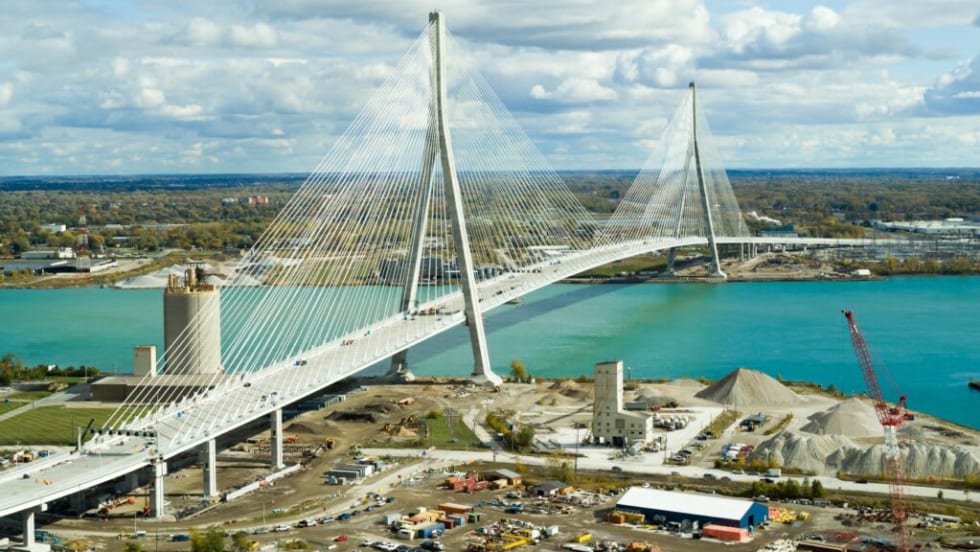
Long-Awaited Canadian Border Bridge to Open in Detroit
For trucking, the bridge opening should offer immediate improvements in efficiency and reliability, with new customs facilities, expanded inspection capacity, and direct freeway-to-freeway connections.
Read More →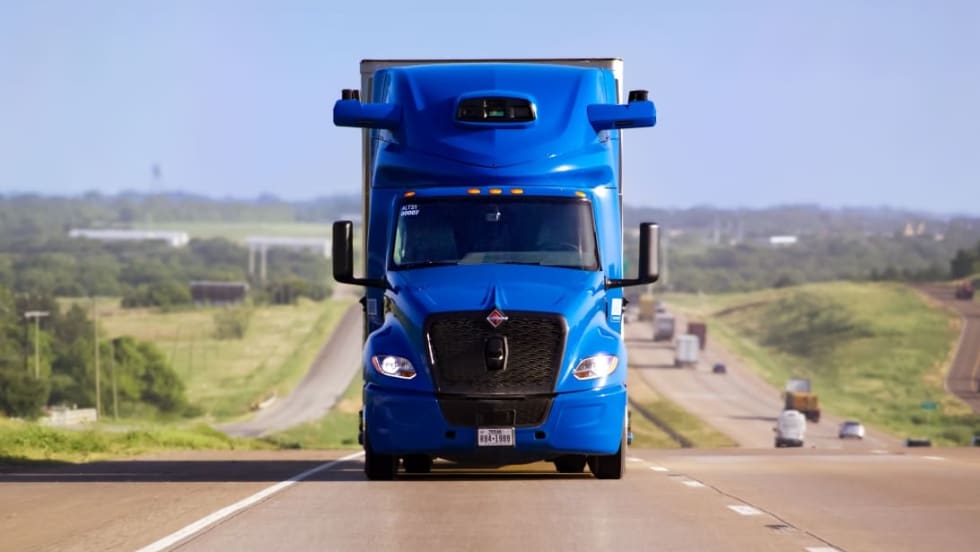
Aurora Rolls Out Next Generation of Driverless Trucks for Commercial Freight
Aurora's latest autonomous trucks it's rolling out with International feature lower-cost hardware designed for a million miles as the company expands commercial driverless freight operations across the U.S. Sun Belt.
Read More →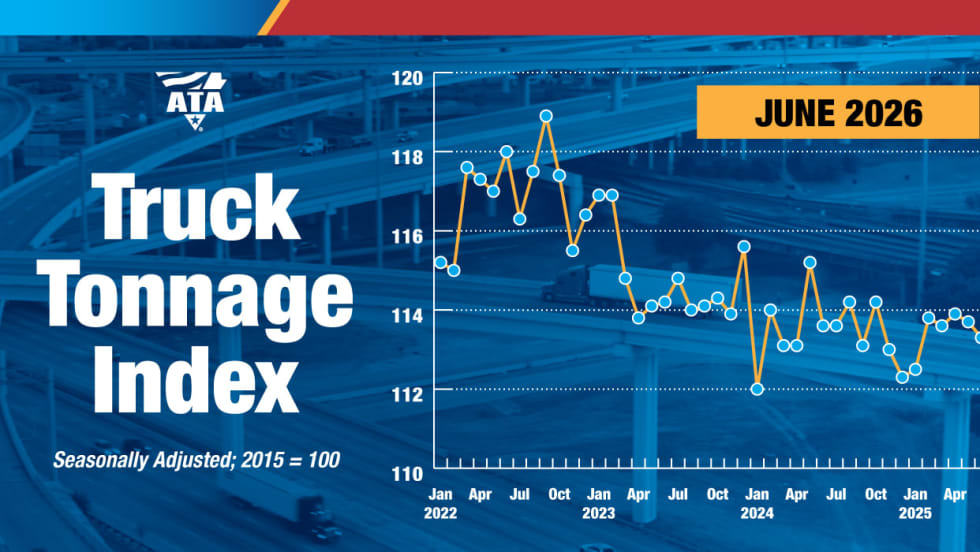
Freight Tonnage Down, Rates up, as Lower Capacity Powers Trucking Recovery
The recovery from the freight recession continues to be driven by reduction in capacity rather than by increased demand.
Read More →
Think Your Trucking Fleet Isn't Using Much AI? Think Again
Shadow AI — the use of unauthorized artificial intelligence tools at work — is becoming increasingly common, putting sensitive company data at risk. Learn how trucking fleets can protect sensitive data while embracing AI.
Read More →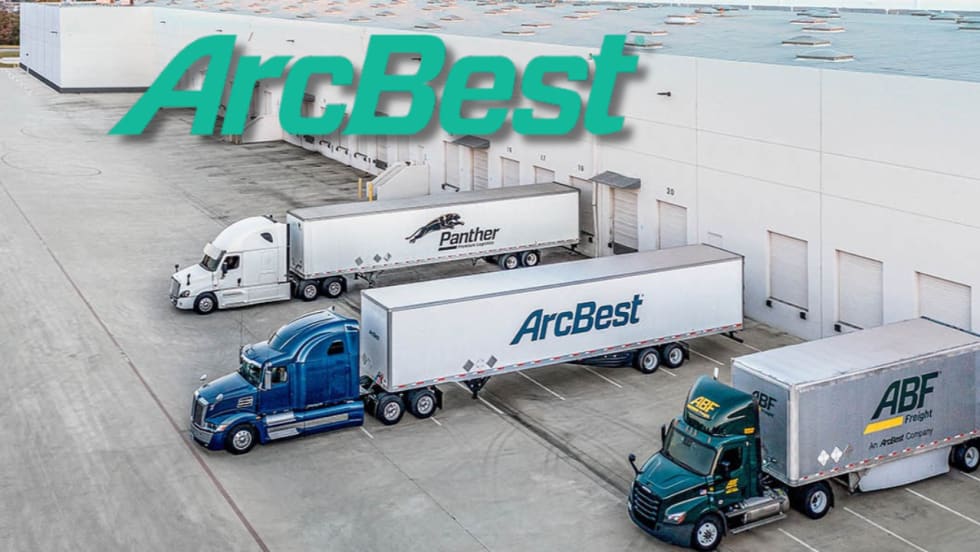
ArcBest Consolidates Brands, Cuts Workforce
The company will bring three business units under the ArcBest brand, eliminate about 2% of positions, and expects the changes to generate $40 million in annual savings.
Read More →
Trucking Fleets Faced Record Operating Costs During Third Year of Freight Recession
ATRI's annual operational cost report shows carriers trimmed fleets, delayed equipment purchases, and ran older trucks as expenses continued to outpace freight rates.
Read More →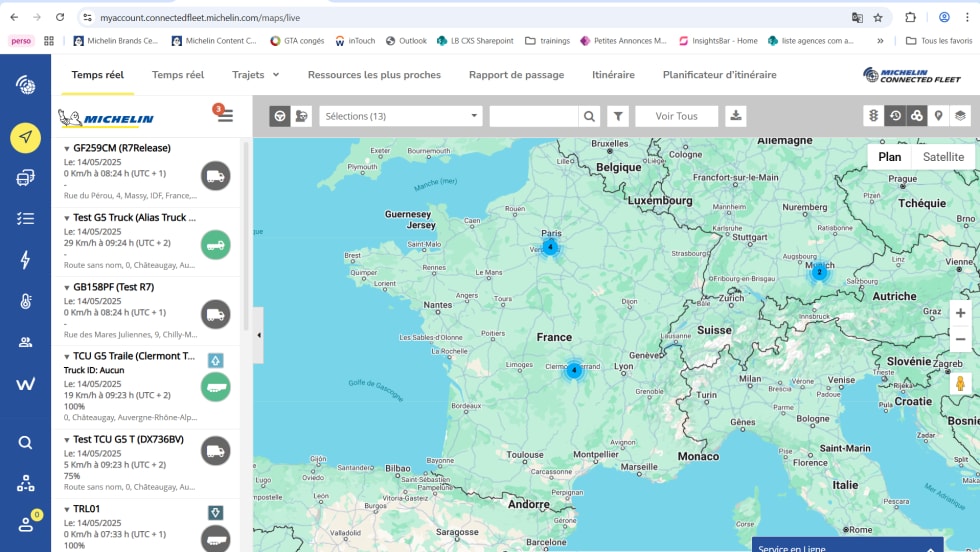
Michelin Adds AI Assistant to MyConnectedFleet Platform
Michelin’s new generative AI tool delivers instant fleet insights, helping managers analyze fuel use, tire maintenance, vehicle status, and operational performance without manually creating reports.
Read More →
LytxOne Platform Now Features AI, Compliance, and Asset Tracking Tools
New enhancements add AI-powered insights, asset tracking, compliance automation, and configurable privacy controls to Lytx's all-in-one fleet management platform.
Read More →