




Commentary: Lightweighting the Way
Is lightweighting actually new? Well, not really, at least not in our world of big trucks and long trailers, says Rolf Lockwood in July's "Locking It In" column.


In the endless quest for better efficiency in our trucks, a new route has appeared on the map. People call it “lightweighting,” and it’s become increasingly central in efforts to meet mandated fuel-economy performance in the coming years, for cars and trucks alike. Especially cars.
I’ve seen this called “the storm of lightweighting” and a “revolution in materials and processes” as manufacturers such as Ford, GM, and Volkswagen test this innovation and that, throwing first-tier component suppliers into a tizzy trying to keep up. Both the U.S. and Canadian governments are funding lightweighting research with millions of dollars. And I’ve been shocked to realize how many lightweighting conferences there are — dozens a year.
Late this year we’ll see one result of it all: Ford’s 2015 aluminum-body F-150 pickup.
Fully 97% of the truck’s body is aluminum, which sits atop a new high-strength-steel frame that’s said to be stronger than ever. And how much weight is saved? About 700 pounds out of a 5,000-pound truck, some 14%. Not bad.
But is any of this actually new? Well, not really, at least not in our world of big trucks and long trailers.
Remember, it was in the late 1930s that Leland James, then president of Consolidated Freightways in Portland, Ore., wanted truck makers to build truck components with lightweight aluminum instead of traditional steel. None of them bit on the idea, so he hired some engineers and built the trucks himself, later through the Freightways Manufacturing Company in Salt Lake City. It changed its name to Freightliner Corp. in 1942. Those first cabover trucks were both light and durable, and pretty much an instant success.
More than 70 years later, the idea of increasing payload by lightening the truck is pretty routine, though it’s been gaining traction in recent years as profit margins have been squeezed. So most truck manufacturers have lightweight packages in their databooks that include things such as aluminum crossmembers, hubs, wheels, and tanks. A single exhaust stack instead of duals. Maybe a fixed fifth wheel, not a slider. And of course 700-800 pounds can be trimmed away by going to wide-base single tires.
All these options will become increasingly necessary as fuel-economy mandates get more stringent, so you’d better get used to ’em. And, unfortunately, in most cases get used to paying more for them up front.
Smart truck operators also watch their fuel load and nowadays often spec smaller tanks than they used to. Diesel fuel weighs about 7.5 pounds per gallon, so it’s not a small factor in the overall lightweighting game. A full 120-gallon tank carries about 900 pounds worth of fuel, whereas a pair of 150-gallon tanks tips the scales at a whopping 2,250 pounds. That’s a lot of payload to be gained if your hauls allow it.
And there’s one more surprising angle to pursue here, which never, ever seems to enter the equation: the weight of the driver.
A while ago I came across a stunning article that referred to a blog on the Allstate Insurance website (it’s no longer there, so I can’t offer a URL).
The gist of it was this: steadily rising obesity rates (35% of Americans now self-identify this way) are having a negative effect on passenger car fuel economy — an extra billion gallons of gasoline consumed every year, on average, between 1960 and 2002.
That’s non-commercial vehicles, but you know how much effort goes into saving 62 pounds on a fifth wheel, for example. Not to mention many thousands of dollars in engineering costs. Yet it’s so easily outdone by a succession of three-buck cheeseburgers.
Makes you think, no?
More Equipment

PlusAI Going Public to Fund Autonomous Truck Launch
A SPAC deal could provide PlusAI with up to $300 million as it works toward a 2027 commercial launch of factory-built autonomous trucks.
Read More →
NHTSA Moves to Rewrite Truck Fuel-Economy Rules
The National Highway Traffic Safety Administration says it lacks authority to regulate medium- and heavy-duty truck engines separately from complete vehicles, but the existing standards have not yet been eliminated.
Read More →
Detroit Opens Orders for EPA 2027 Engines
Detroit isn’t starting from scratch to meet EPA 2027 diesel emissions standards. Its Gen 6 DD13 and DD15 engines keep much of today’s platform while updating the fuel and aftertreatment systems.
Read More →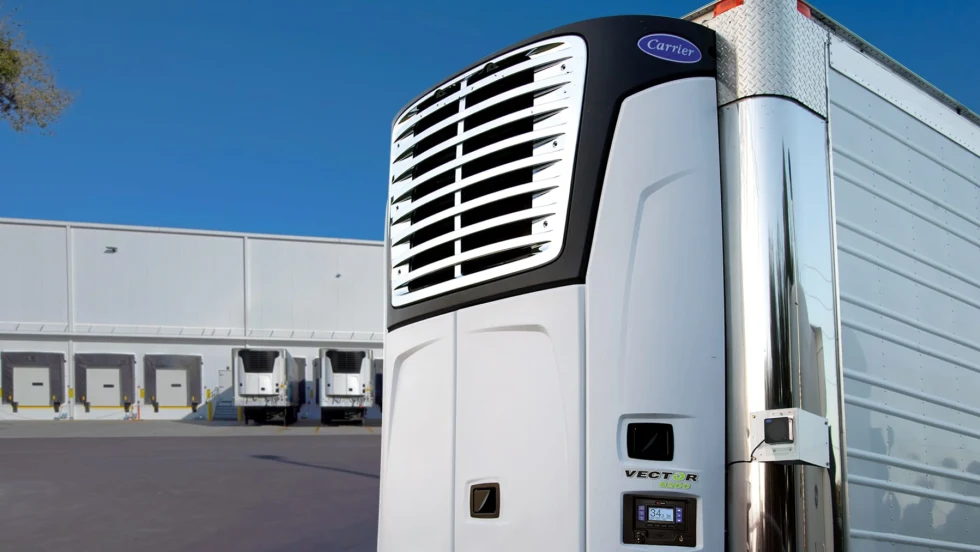
Carrier Transicold Adds All-Electric TRU for Stationary Cold Storage
Carrier Transicold’s new Vector 8200 all-electric transport refrigeration unit gives fleets a diesel-free option for temporary refrigerated and frozen trailer storage.
Read More →
A Closer Look at Kenworth’s Electric T880E Vocational Truck [Video]
Learn more about Kenworth's T880E battery-electric vocational truck at the Paccar Technical Center, including its range, applications, upfitting considerations, and PTO options, in this HDT Spotlight video.
Read More →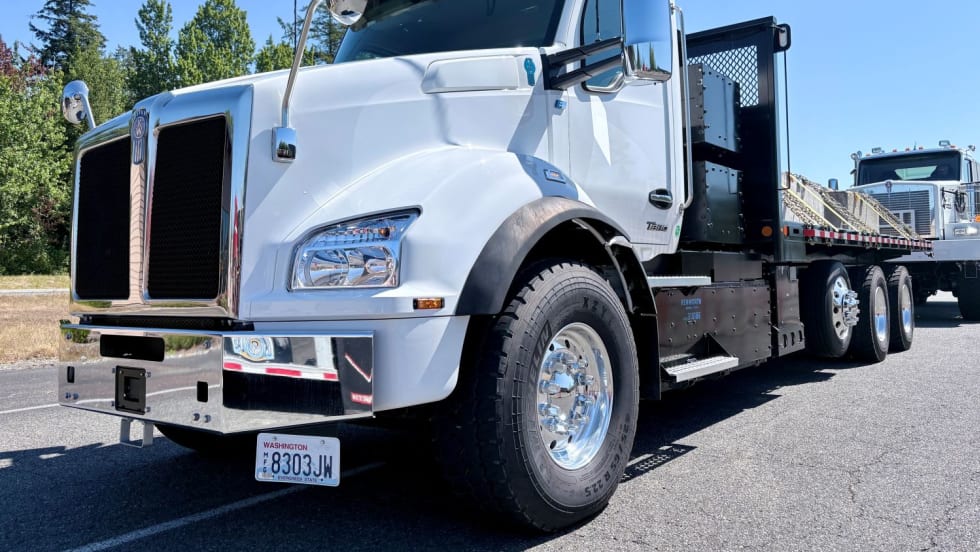
Kenworth T880E Brings EV Power to Vocational Trucks
A closer look at the Kenworth T880E’s range, charging, powertrain and upfit options — and where fleets are showing the most interest.
Read More →
What the U.S.-Canada Trade War Means for Trucking
Escalating U.S.-Canada tariffs could disrupt cross-border freight, reduce truck volumes, raise costs, and create new uncertainty for carriers on both sides of the border.
Read More →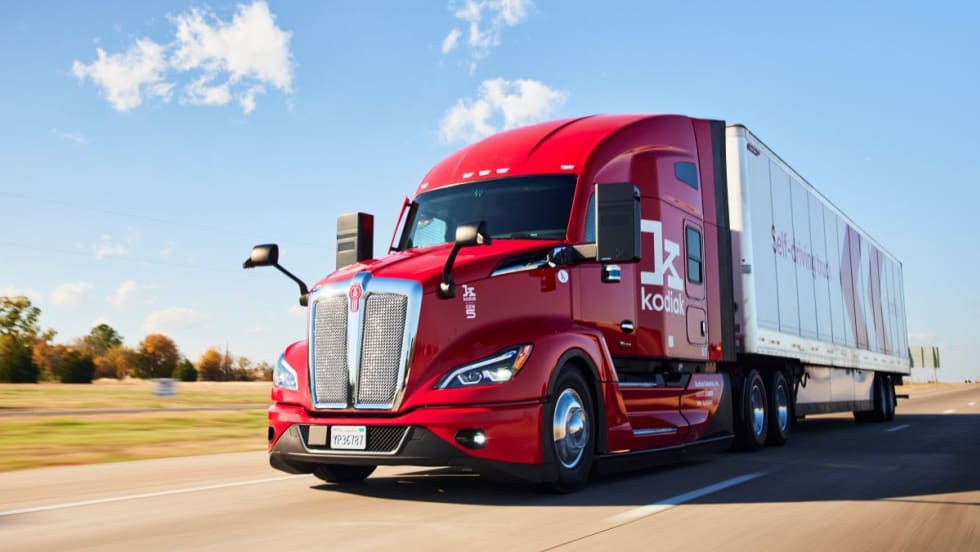
Autonomous Truck Testing Moves Ahead in California as Teamsters Challenge Rules
California has begun permitting heavy-duty autonomous truck testing, with Aurora and Kodiak among the first to receive approval, as the Teamsters sue the DMV over the new regulations.
Read More →
Behind the Wheel of the New Mack Anthem [Video]
HDT takes the new Mack Anthem around Mack’s Pennsylvania test track to see how its driver-focused design, technology, visibility and handling perform from behind the wheel.
Read More →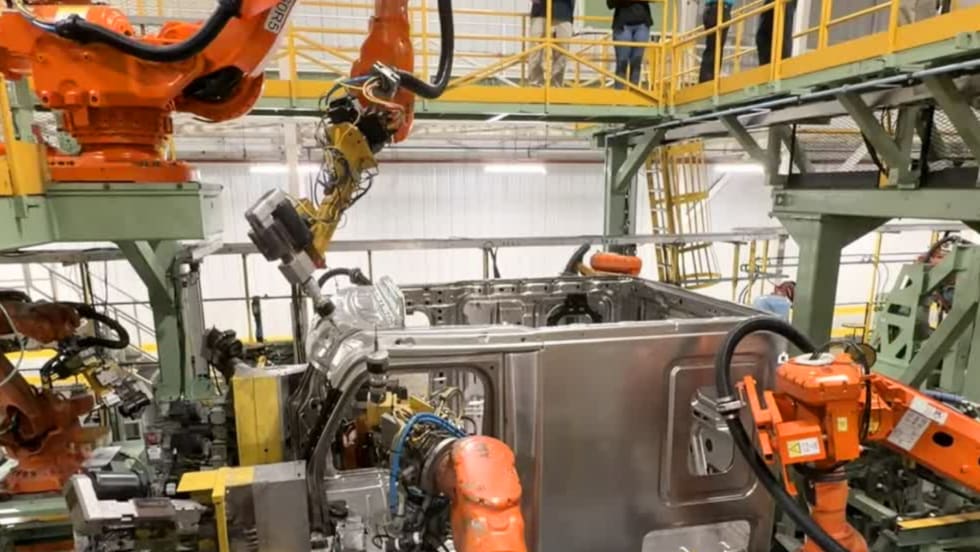
DTNA Plans New U.S. Truck Plant as Manufacturing Footprint Shifts
Daimler Truck North America is evaluating sites for a new assembly plant expected to open in 2029 while winding down operations at its longtime Portland manufacturing facility.
Read More →