




Cargo Vans Roundup
Sales are still good, features are nicer, and fuel economy is becoming more important .
Is America slipping into a recession? Some economists see signs of it, but they're probably not including sales of cargo vans as one of their indicators.
That's because traditional panel vans, cutaway cab-chassis and passenger wagons are selling well — off only slightly from last year. And 2007 should end close to the usual 350,000-unit pace for this segment, manufacturers report.
Walk-in vans are likewise fairly strong, though it takes only one order from a large package carrier to make everything look all right in this specialty area of the truck-building industry, where customers keep their trucks for 10 to 20 years and both the major fleets are still in the market due to established trade cycles. Indeed, package shipments are numerous enough that those carriers have recently announced healthy rate increases.
So, what recession? Delivery of goods and services are why business people buy vans, and a stubbornly growing economy continues to support all that, in spite of the major housing slump and notorious credit crunch in mortgages. People at Ford Motor Co. bristle at what they see as the general news media's obsession with reporting anything negative, and note that overall truck sales at Ford are just about what they were last year — very good. And from a features standpoint, there are many good reasons to buy vans now. The vehicles are nicer than ever to drive and more economical to operate, even with higher prices for cleaner-burning diesel engines.
Freightliner Custom Chassis Corp. says it has sold more than 4,000 units with EPA '07 diesels and that their reliability has made them well accepted by customers. Workhorse Custom Chassis has sold very few '07-legal diesels, and stocks of chassis with '06 diesels are taking longer to sell than executives thought.
Overall, a majority of buyers still consider diesel the wise choice for carrying heavy loads and for long-term economy.
FCCC supports this thinking on its web site by listing the "top 10 reasons to choose a diesel engine." The top three are better fuel economy, longer life and better residual value. FCCC offers mainly diesels, but also uses a Cummins Westport natural gas engine. Executives know that some operators favor gasoline, so they're looking at offering gasoline engines.
Gasoline engines are making a limited comeback because some careful or even casual arithmetic will show that they make more sense in certain lower-mileage operations. If a truck runs fewer than 25,000 miles a year and carries lighter loads, the lower-cost gasoline engine is the way to go, say Workhorse and General Motors. Even though Workhorse is now owned by International Truck and Engine, a major maker of diesels, it uses GM gasoline V-8s in some of its chassis. And like GM, Workhorse says that aside from their lower purchase prices, the latest gas engines get better fuel economy and last longer than most folks might realize. A typical GM gas engine should go about 250,000 miles and is not expensive to rebuild.
Gasoline is also an easier way to meet especially tight exhaust-emissions limits. So UPS has bought gasoline-powered vans from Workhorse, while FedEx Express has ordered a small group of E-series cutaway chassis that will use Ford gasoline engines and Azure Dynamics electric hybrid components. These will work in California, where Clean Air authorities are demanding ever-cleaner vehicles to combat smog. Air there is much better than it once was, but it's still not good enough, authorities say.
FedEx has 94 diesel-electric hybrid walk-in vans running in the U.S., all using Eaton components assembled by FCCC, and will soon have 174. United Parcel Service has another 25 FCCC-Eaton hybrids and is looking at others, including a diesel-hydraulic hybrid being developed by an arm of the U.S. Environmental Protection Agency.
All are more than meeting targets for fuel economy and emissions reduction. They are still expensive to buy, and FedEx, UPS and Purolator Courier are hoping that orders for hybrids will pour in from all truck users so volume production can begin. That will bring down prices and make a better business case for hybrids, whose return on investment is still way out.
Better Fuel Economy
With oil now close to $100 a barrel and fuel above $3 a gallon and climbing, fuel economy has become more important to customers. Some of those who buy the ubiquitous panel vans from Ford and GM have begun asking for more fuel-efficient powertrains, those builders acknowledge. Right now, all that's available in the three-quarter-ton and up categories are large-displacement V-8s and V-10s that certainly deliver the power that customers have wanted, but not their new-found demands for economy.
Ford and GM are reportedly working on smaller diesel V-8s, but these are destined for half-ton pickups and other consumer-oriented trucks. Could they work in heavier commercial vans — perhaps with the 5- and 6-speed automatics that the two builders already have? Would V-6 versions of their current PowerStroke and DuraMax diesels make more sense? Executives won't say, and meanwhile insist that their current big diesel and gasoline engines are much more capable of carrying heavy loads and towing bulky trailers.
How about Ford and GM bringing in their European vans, as the late DaimlerChrysler successfully did with the Mercedes-Benz Sprinter? That big van continues to be marketed by hundreds of the new Chrysler's Dodge dealers and some of Daimler's Freightliner dealers. Diesel-powered Sprinters get much better fuel economy than domestic vans, mostly because the Sprinter's diesel is half the size of American engines. And Sprinter sales continue to increase, even though they cost about $10,000 more than a Ford E or General Motors G van.
In Europe, Ford's Transit and GM's Opal Movano, which are about the same jumbo size as the Sprinter, have 2.4- and 2.5-liter diesels with 5- and 6-speed transmissions. (Smaller vans are also available from Ford, Opal and M-B, but they essentially duplicate our minivans, which are available in commercial form.)
If Daimler could make the Sprinter U.S.-legal, why couldn't Ford and GM? One major reason is that current E and G vans are still very capable and versatile, and sell at more than 10 times the rate of the Sprinter. Why mess with success? Maybe because there's talk of fuel going to $4 a gallon. If that happens, we'll see where vans go.
Selling Safety
Does safety sell? General Motors thinks so, because it is tackling head-on the reports of occasional rollover accidents of 15-passenger vans that injure and kill scores of people each year. GM has made several types of safety equipment standard in its G-series passenger vans and is promoting this in its marketing efforts. So are Ford with its E-vans and Daimler (and therefore Dodge) with the Sprinter.
The principal safety-oriented product is electronic roll-stability control, which is now standard on Ford's and GM's passenger vans and all Sprinter models. Ford and GM will put stability control on future cargo vans, and meanwhile GM includes a tire-pressure monitoring system using in-tire sensors on all its vans. This has maintenance as well as safety benefits.
Whether or not these features boost sales, GM believes that putting them on its passenger vans is simply the right thing to do.
The PowerStroke diesel is again available in the E series because Ford and International settled a pricing dispute in October. The 6-liter 235-horsepower/440-pounds-feet diesel V-8 is legal without a DPF because of averaging rules under the EPA-'07 mandate and it will continue well into '08. (Heavy pickups get the updated 6.4-liter Power Stroke.) Vortec gasoline V-8s (4.6 and 5.4 liters) and V-10s (6.8 liters), which carried the load for eight months, still power many E-150 through 450 vans. All engines run through 4- or 5-speed automatic transmissions.
Earlier this year the E series got a "major makeover" that includes bold SuperDuty-like front-end styling that also increases air flow through the radiator and over the engine. Revised steering system and suspensions and bigger brakes improve driving dynamics. GVW ratings go as high as 12,500 pounds in the E-350 (up by 1,000 pounds) and 14,500 pounds in the E-450 (up 450 pounds). A new, exclusive E-Guard Cargo Protection System double-locks side and rear doors for added cargo security. Standard double steel walls hide interior dents, and optional EconoCargo panels of durable, high-density polyethylene insulate sensitive freight against heat and cold. Optional steel Masterack and composite QuietFlex rack-and-work bins secure tools and parts. Upfitters can install roof-mounted ladder racks and other equipment. E-series cutaway cab-chassis models — most of them diesels — are fitted with box vans and other cargo and work bodies, as well as passenger and RV bodies. Gasoline-powered E-350 and 450 stripped chassis are fitted with walk-in van bodies for some customers.
More Fuel Smarts
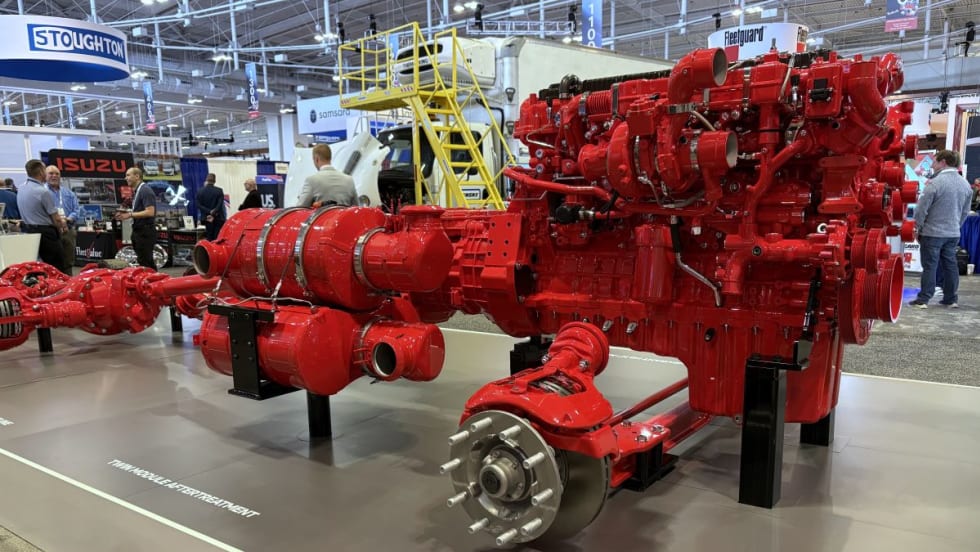
Cummins Adjusts 2027 Engine Rollout After EPA Proposal
The engine maker will gradually introduce its new Model Year 2027 diesel engines while continuing to offer current models during the transition, citing the EPA's proposed emissions rule changes.
Read More →
EPA Proposal Could Ease 2027 Truck Costs and Buying Uncertainty
The proposal doesn't change the tougher NOx standard, but it would revise key implementation requirements that manufacturers say have driven up costs and complicated fleet purchasing decisions.
Read More →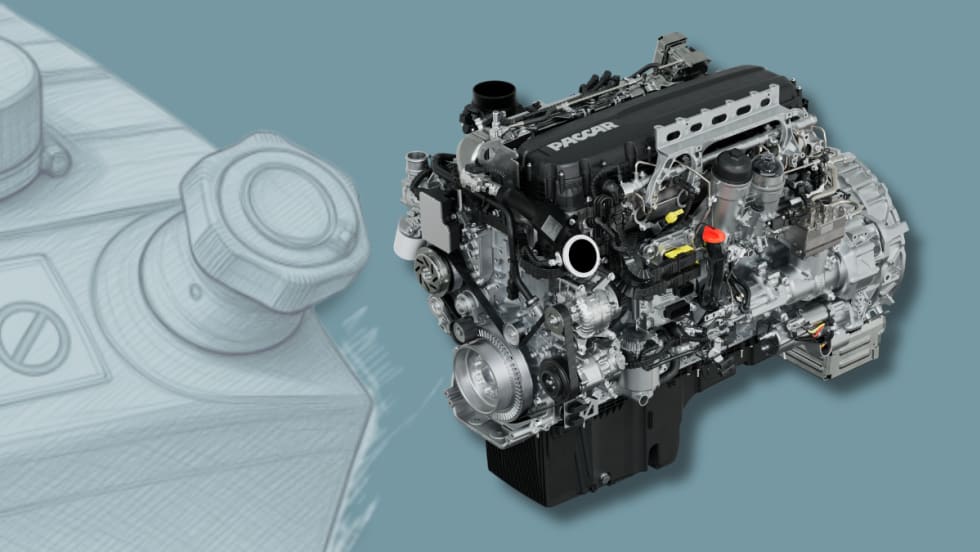
Cummins, Paccar Ease DEF Derates After EPA Guidance
Updated diesel engine software gives truck operators more time to address emissions-system issues while staying compliant with EPA emissions standards.
Read More →

Maintenance in the Messy Middle Part 3: Biodiesel
Biodiesel can reduce emissions, improve fuel-system lubricity and use existing diesel infrastructure. But NACFE’s Messy Middle maintenance report says fleets must actively manage storage, cold-weather operation, filters and oil drain intervals to avoid problems.
Read More →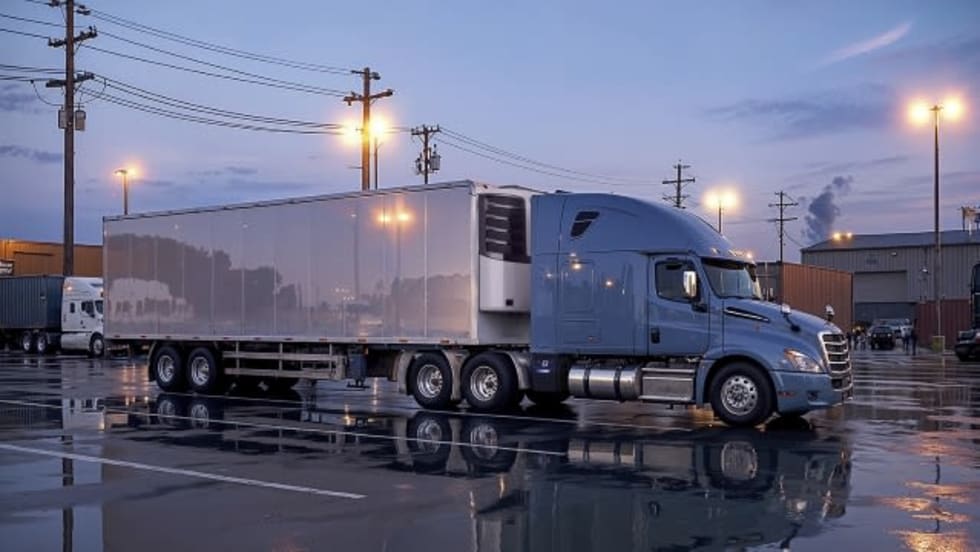
Enhance Fleet Performance with High-Efficiency Auxiliary Power Units
Drive sustainable cost savings while increasing driver comfort during short- and long-haul logistics operations.
Read More →
Maintenance in the ‘Messy Middle’ Part 2: Renewable Diesel Fuel
NACFE's latest Messy Middle Powertrain Service & Maintenance report says renewable diesel gives fleets an opportunity to reduce carbon emissions without changing trucks, fueling infrastructure or maintenance practices. But technicians still need to understand several important operational differences.
Read More →
The Diesel Engine Enters NACFE’s ‘Messy Middle’
NACFE’s new Messy Middle Powertrain Service & Maintenance report says keeping modern diesel engines running now depends as much on software, diagnostics and data as traditional mechanical service.
Read More →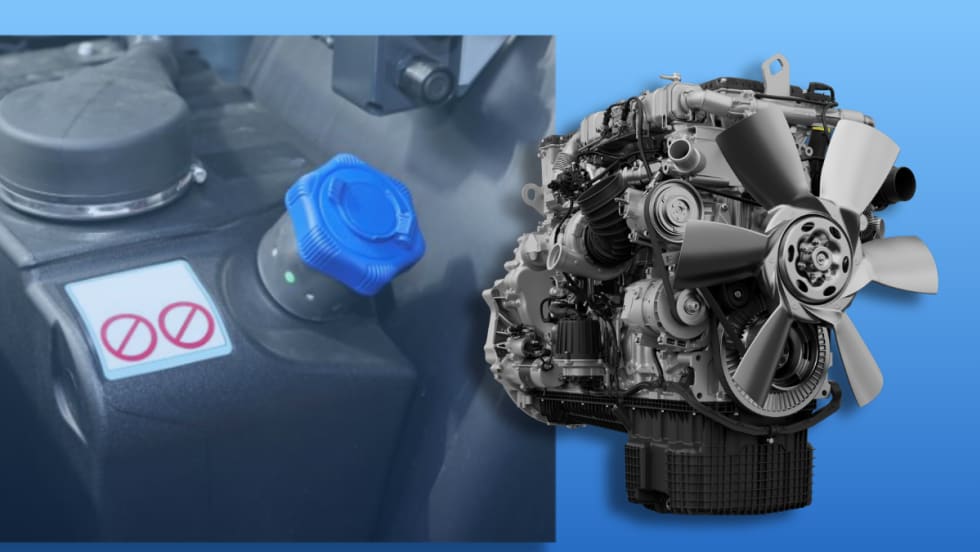
DTNA Software Update Gives Truckers More Time Before DEF Derates Take Effect
The changes reflect EPA guidance aimed at reducing downtime caused by emissions-system faults while maintaining compliance requirements.
Read More →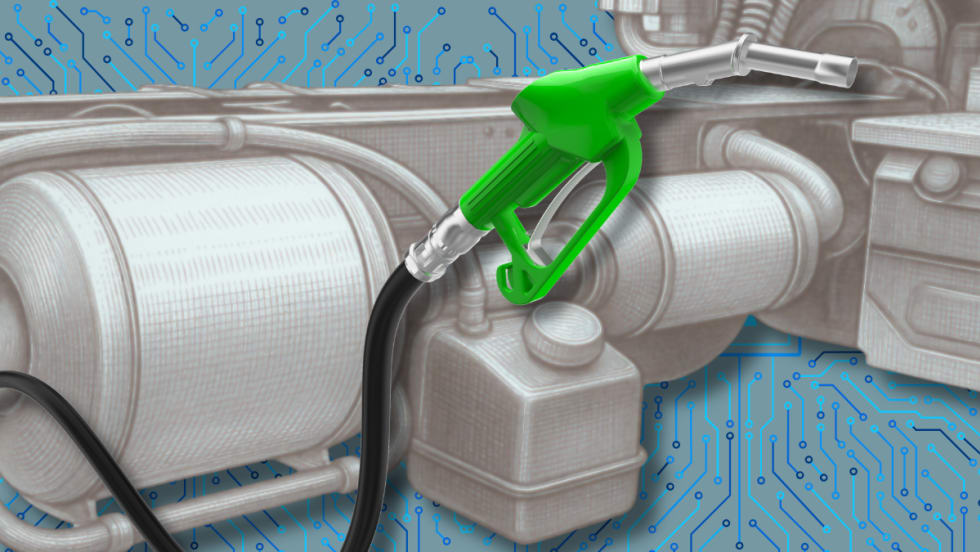
New Agentic Predictive Maintenance Report Demonstrates How Degraded Aftertreatment Systems Waste Fuel
Questar analyzed a large mixed-class fleet and discovered it was wasting as much as $30 in fuel per vehicle, per day, because of mechanically degraded aftertreatment systems.
Read More →
New York City's Microhub Project is Delivering Results
Trucking, last-mile delivery companies, and environmental advocates like what they are seeing so far with New York's microhub program.
Read More →