




Cargo Van Roundup
Shockingly high fuel prices, along with the mortgage crisis and deflation of the housing-price bubble, have sapped Americans' ability to buy, buy, buy, and the adjustment has affected all the industries that purchase and use trucks, especially construction

Shockingly high fuel prices, along with the mortgage crisis and deflation of the housing-price bubble, have sapped Americans' ability to buy, buy, buy, and the adjustment has affected all the industries that purchase and use trucks, especially construction.
But wait - this is an election year, and Congress and the White House cooperated to pass the much publicized Economic Stimulus Package, which contains much more than those rebate checks people got from the IRS.
Substantial tax incentives for capital expenditures, including money spent on trucks, are also part of the package, replacing the old Investment Tax Credit. Buyers can expense up to $250,000 (up from $128,000) for up to $800,000 worth of equipment that qualifies under IRS Section 179, and expense it all this year. "Moveable assets" used for business, including most commercial trucks, qualify. There are many details, which tax consultants should have, but the tax breaks make it a really good time to buy, if you have the money.
Is this why Ford Commercial Truck, which has been promoting the stimulus incentives through its dealers, saw an uptick in sales of its E-Series cargo vans and cutaway chassis in July? Sales were up 1.5 percent and 2.5 percent, respectively, over last year, offering a glimmer of hope. Overall industry sales of these trucks have been down 18 to 20 percent compared to 2007, which in turn was down about 8.6 percent from 2006.
Four-dollar-a-gallon gasoline and $4.60-a-gallon diesel fuel - higher, of course, in California and some other places - is causing conservation by consumers, which is now helping to bring down those prices. But prices are still high enough to probably continue the swing back to compact cars for consumers and drive interest among truckers in fuel-saving equipment. Manufacturers are responding by pushing development of alternative power plants for commercial trucks and the start of a trend away from big-displacement engines and toward smaller ones.
Ford and General Motors have made their smaller gasoline V-8s, which are standard in half-ton vans, available in 3/4-ton models. This is in response to customers' demands for better fuel economy, the builders say. For some time GM and Ford have been working on smaller diesels meant for half-ton pickups and SUVs, and GM says it's actively pursuing alternative-fuel systems. GM is still bullish on ethanol and more of its engines can now run on E85, even if it's still not widely available and once-enthusiastic backers, including members of Congress who voted for tax incentives, seem to be taking a second, more critical look at the fuel. But those future powertrains might go into heavier vehicles than originally envisioned.
GM's 2-Mode Hybrid system, now available in midrange and full-size SUVs and 1500-series pickups, might be beefed up for use in 3/4-ton trucks, one source says. And the 2-Mode or maybe a bigger hybrid system might be made available in 1-ton and heavier trucks. Six-speed Hydra-matics, now used in luxury SUVs instead of 4-speeds, will soon migrate to pickups, and from GM's big 6-liter V-8 to smaller gasoline engines.
The 6-speeds' greater ratio coverage makes smaller engines, whether gasoline or diesel, more usable in heavier trucks. The result should be better fuel economy. For now, GM still makes its 6-liter Vortec and 6.6-liter Duramax diesel standard and optional in various light commercial trucks. Those engines have gotten many high-tech upgrades in recent years, and for now remain the main powerplants for work-oriented trucks.
Ford several years ago made its 5-speed TorqShift automatic transmission standard in all its light commercial models, down to the 4.6-liter gasoline V-8. Thus any given engine can do more work and get better fuel economy than when it ran through a 4-speed automatic. Ford is keeping mum on future powertrains, but is touting the advances given to its popular E-Series vans (see roundup descriptions).
New PC-Based Options
Ford has charged into electronics with its packages of Work Solutions software that run on a personal computer built into the dashboard of its 2009 E Series. These options were announced earlier this year and enter production in September. The idea is to replace a tradesman's laptop PC, which can bounce around the cab and get stolen, with something that's hidden and always available. Files on a home or office PC can be remotely accessed, so there's no need to drag along the laptop.
The in-dash PC is operated by a screen-display keyboard. Its usefulness, though, depends on the tradesman's ability to work with it and input information regularly. Ford says dealers will have training packages to help individuals and fleet managers learn about the systems.
Ford's E Series is the longtime leader in this segment, and now claims 55 percent of sales. General Motors' Chevrolet and GMC G- and H-series vans account for 39 percent, and Dodge Truck's Sprinter, also sold as a Freightliner by some of that builder's dealers, account for the rest. Ford and GM full-bodied cargo vans are directly comparable, as are their cutaway cab-chassis versions.
The European designed and built (by Mercedes-Benz) Sprinter has a relatively small powertrain, including a 3-liter diesel and a 5-speed automatic transmission, making it more fuel efficient. It's larger in size, so can carry higher volumes of cargo, but it can't tow as much as the domestic vans (and Ford says one-fifth of its E Series customers tow a trailer at least once a month).
Although billed as an alternative to domestic vans when first introduced to America, the Sprinter is now marketed as a premium truck and costs about $10,000 more than a domestic van. That, along with the domestics' long-running usefulness and ever-evolving features, keep them far in the sales lead. Twenty of them are sold for every one Sprinter.
However, Sprinter sales climb each year, even in this economic downturn. Dodge says that in July, its Sprinter sales were up 21 percent over 2007. Sprinter last year got major revisions to styling and powertrains, including a new 3-liter V-6 diesel that replaced an inline-5, and, for the first time in North America, a 3.5-liter gasoline V-6. Dodge never expected to sell many of the gasoline engines and customers bought even fewer, so that engine was dropped for 2009. Ford and GM continue to watch how the Sprinter's doing, and eventually could start bringing in their own large cargo vans from Europe.
On the light-truck side, GM offers a "panel" version of its Chevrolet HHR compact crossover SUV, which Ford will answer next summer with its European-made Transit Connect. Ford says the small, diesel-powered Transit van will be aimed at caterers, florists, and other businesses that haul light commodities in small quantities. GM has dropped its car-based Uplander passenger and cargo minivans, but has substituted cab-chassis versions of its Chevy Colorado/GMC Canyon mid-size pickups using specialty bodies.
Walk-In Vans
Ford also competes in the walk-in van segment, an entirely separate category with annual sales of 15,000 to 20,000. It's led by Freightliner Custom Chassis Corp., a unit of Daimler Trucks North America, while Workhorse Custom Chassis is gaining strength through its ownership by Navistar International. These are light-medium and medium-duty chassis fitted with aluminum bodies from MorganOlson and Utilimaster, and many customers typically run them for 15 or more years.
Engine-wise, Ford sells only gasoline power in its stripped E-350 and E-450 chassis, FCCC sells only diesels (now from Cummins) in its MT models, and Workhorse sells both gasoline (from General Motors) and diesel (from International) in its WT models. FCCC previously used Mercedes-Benz diesels, including 4-cylinder versions for hybrids, but dropped them for emissions certification reasons in 2007.
Diesel-electric hybrid-drive systems (from Eaton Cor
More Equipment
Rush, MCT Team Up to Grow Refrigeration Service Network
The joint venture will operate MCT's network of Carrier Transicold dealerships and mobile service locations, with the companies promising greater service capacity and uptime for refrigerated fleets.
Read More →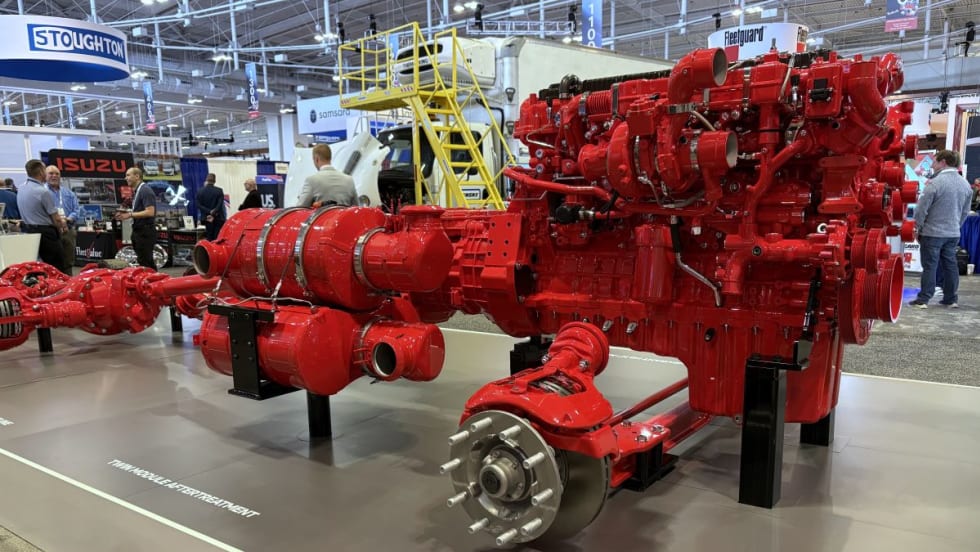
Cummins Adjusts 2027 Engine Rollout After EPA Proposal
The engine maker will gradually introduce its new Model Year 2027 diesel engines while continuing to offer current models during the transition, citing the EPA's proposed emissions rule changes.
Read More →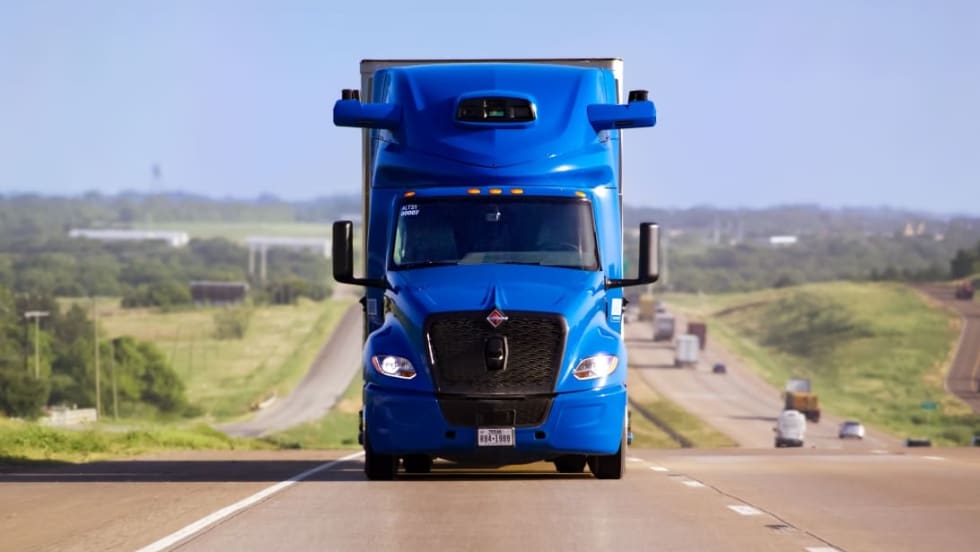
Aurora Rolls Out Next Generation of Driverless Trucks for Commercial Freight
Aurora's latest autonomous trucks it's rolling out with International feature lower-cost hardware designed for a million miles as the company expands commercial driverless freight operations across the U.S. Sun Belt.
Read More →
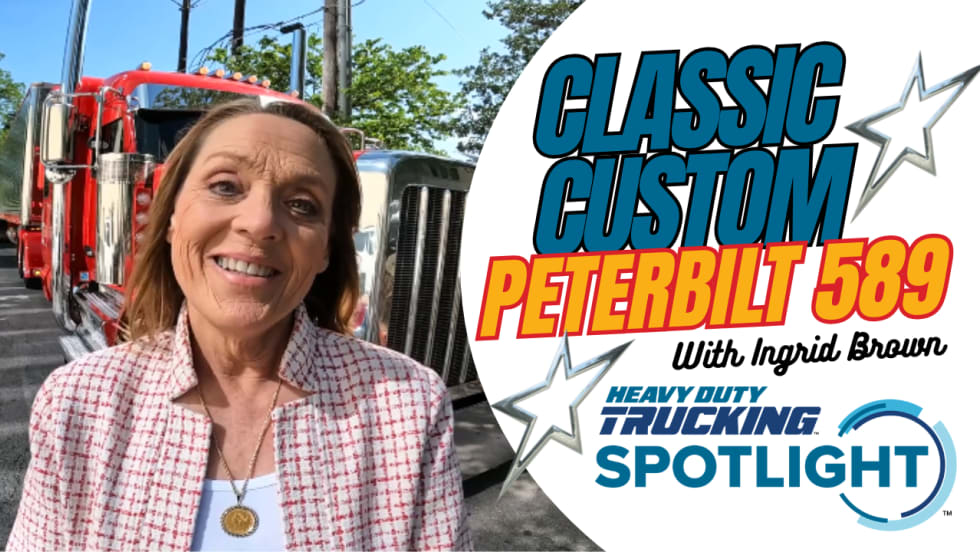
Peterbilt 589 Spotlight: A Close Look at a Custom Working Truck [Video]
There's more to this customized Peterbilt Model 589 and Great Dane refrigerated trailer than chrome and stainless (although there's plenty of that too!) A veteran driver explains the design choices and practical features behind this working truck.
Read More →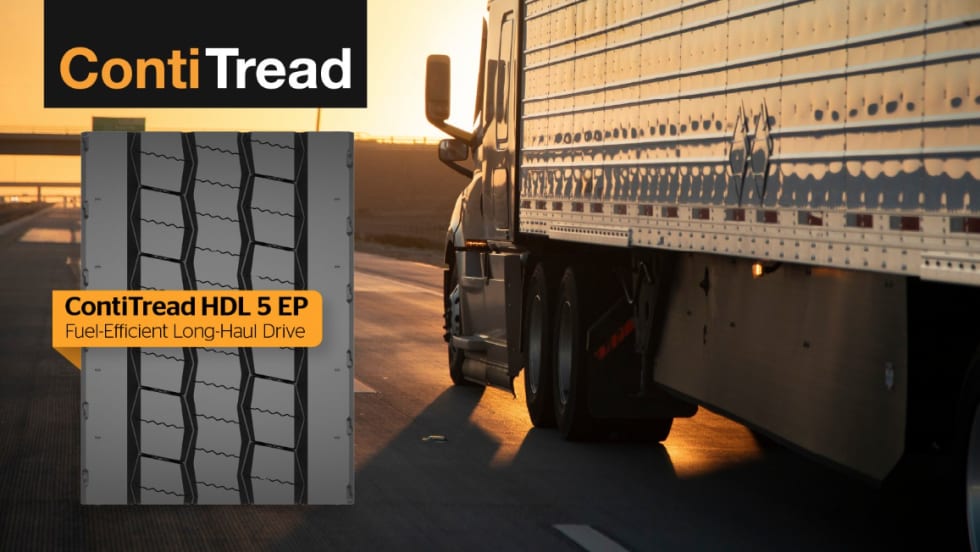
Continental Expands Retread Lineup With New ContiTread HDL 5 EP
New long-haul drive retread is designed to improve fuel efficiency, extend tread life, and lower fleets' cost per mile.
Read More →
EPA Proposal Could Ease 2027 Truck Costs and Buying Uncertainty
The proposal doesn't change the tougher NOx standard, but it would revise key implementation requirements that manufacturers say have driven up costs and complicated fleet purchasing decisions.
Read More →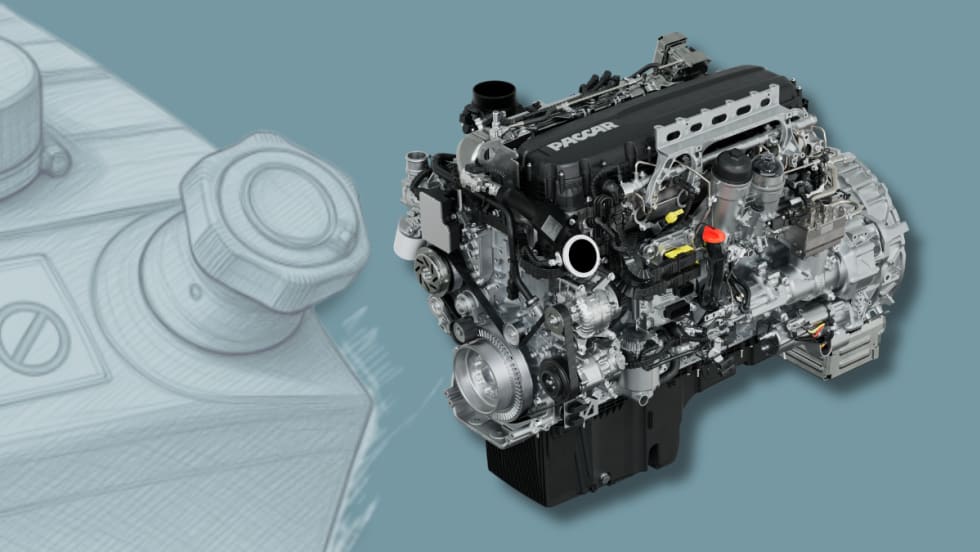
Cummins, Paccar Ease DEF Derates After EPA Guidance
Updated diesel engine software gives truck operators more time to address emissions-system issues while staying compliant with EPA emissions standards.
Read More →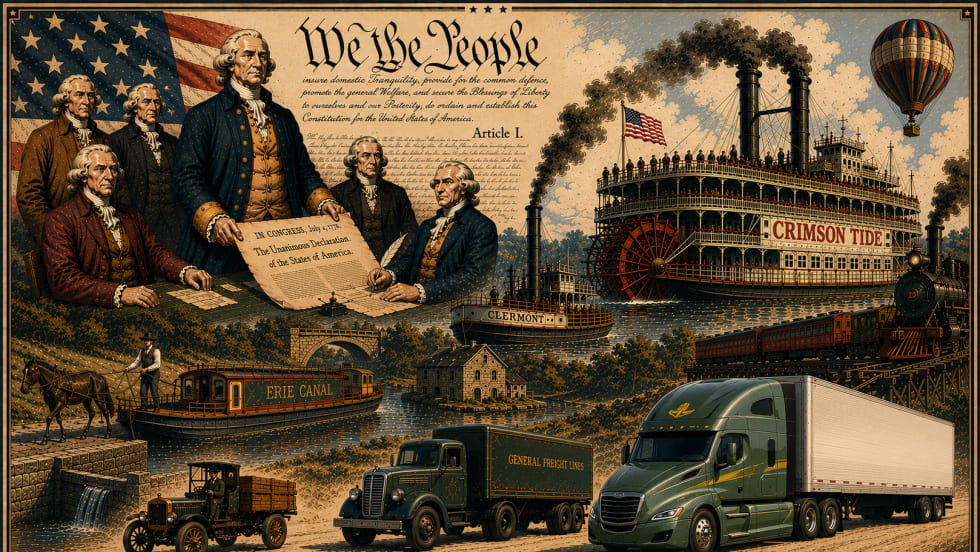
America at 250: How the Truck Helped Connect a Continent
America was founded on revolutionary ideas, but it was built by movement. For 250 years, the nation has depended on ever-better ways to move people, products, and prosperity across a vast continent. No machine has carried that mission further — or more faithfully — than the truck.
Read More →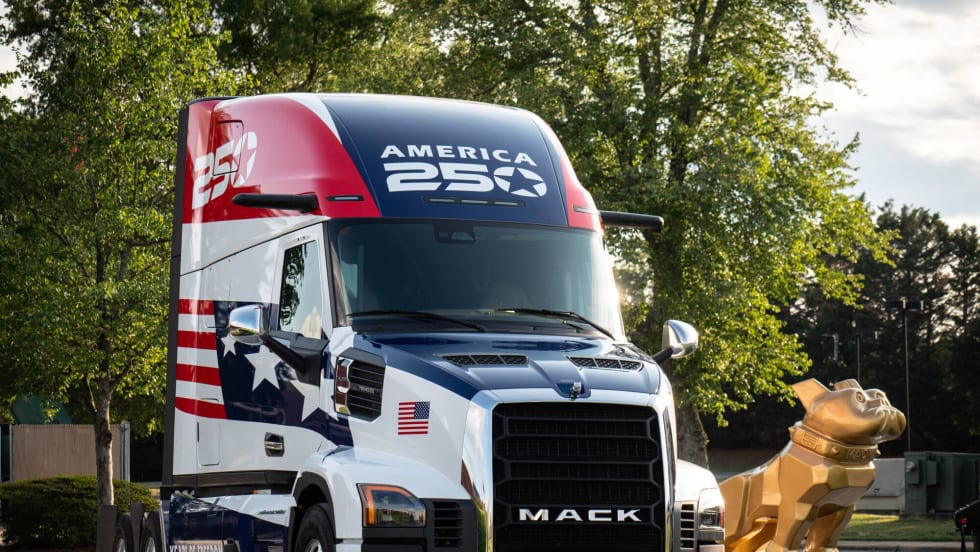
Mack Unveils America 250 Tribute Truck to Celebrate Nation's Semiquincentennial
Just in time for the Fourth of July! Mack unveils a brand-new patriotic, limited-edition, red, white, and blue truck wrap.
Read More →
Enhance Fleet Performance with High-Efficiency Auxiliary Power Units
Drive sustainable cost savings while increasing driver comfort during short- and long-haul logistics operations.
Read More →