




California Carrier Builds Own ELD
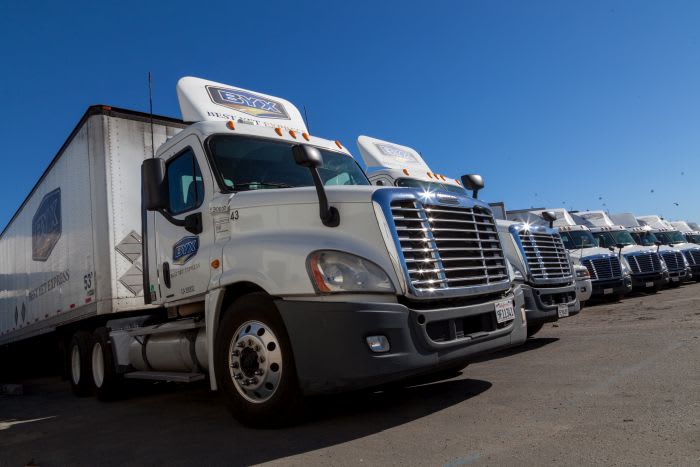
California carrier Best Yet Express decided to develop its own ELD system, which would go beyond the ELD mandate that kicks in this December and become a true productivity tool.

Photos: Best Yet Express

For Southern California carrier Best Yet Express, which operates within a 100-mile radius, log books are only required if drivers have to work more than 12 hours. So if drivers of its 43 trucks unexpectedly had to go beyond that 12-hour period, they had to pull over and fill out their log right away.
“We wanted to make sure our trucks were always moving,” explains Jay Newjahr, CEO of the family-owned, primarily less-than-truckload and warehousing company. “Whether we work one hour or 14 hours, we didn’t want to make our drivers have to fill out those forms.”
None of the commercially available products really fit its needs, so the company decided to develop its own system, which would go beyond the electronic logging device mandate that kicks in this December and become a true productivity tool.
“We said, why does it have to stop at hours of service?” Newjahr says. “We want our HOS to develop in the background and run as the guys are doing their normal everyday shift.”

The project actually grew out of a desire to automate pretrip inspections, Newjahr explains. “I was having problems getting drivers to fill out vehicle reports accurately. So I said, why don't we find a way to do this electronically, and set it up so a driver has to do step one before he does step two,” and so forth. “It started getting very creative after that.”
In addition to electronic pre-trip inspections, Best Yet Express wanted its system to track not just city names, but the actual customer location. It wanted to be able to tell where drivers are, why they’re there, and what they’re doing.
The resulting system is a workflow application drivers can easily pull up on a Samsung 7-inch tablet.
“They used to have to fill out a paper form for [their manifest] and a paper form for hours of service and a paper form for their pretrips,” Newjahr says. Much of the information required on the manifest overlapped what’s required for hours of service. Putting it all into one electronic system streamlined the driver’s day.
The system was recently rolled out to drivers, and currently the company is working on making sure it meets the self-certification standards for ELDs as set up by the FMCSA. The plan eventually is to market the system to other trucking companies.
“Our drivers have been absolutely enthralled by it,” Newjahr says. “They love the no paperwork part, they love the simplicity of it, they love being in compliance.”
More Fleet Management

Long-Awaited Canadian Border Bridge to Open in Detroit
For trucking, the bridge opening should offer immediate improvements in efficiency and reliability, with new customs facilities, expanded inspection capacity, and direct freeway-to-freeway connections.
Read More →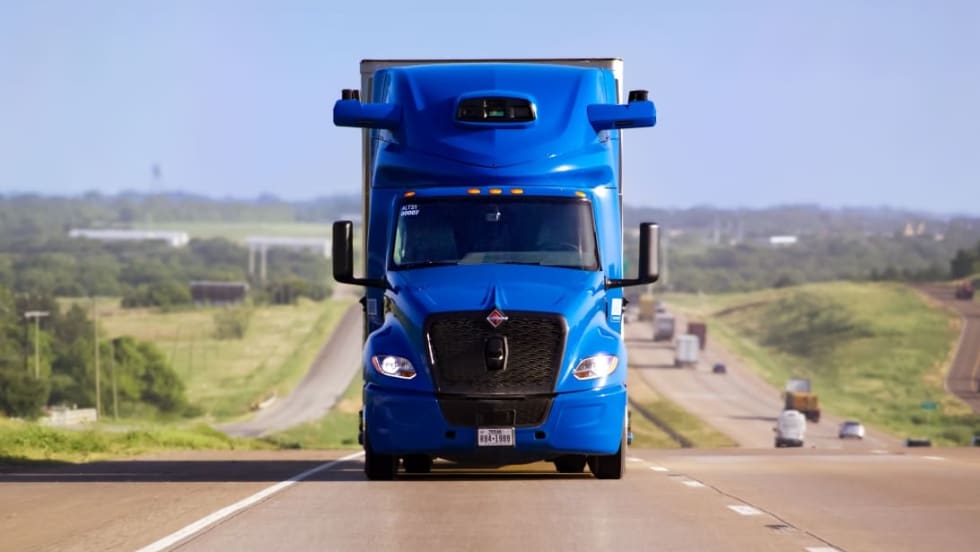
Aurora Rolls Out Next Generation of Driverless Trucks for Commercial Freight
Aurora's latest autonomous trucks it's rolling out with International feature lower-cost hardware designed for a million miles as the company expands commercial driverless freight operations across the U.S. Sun Belt.
Read More →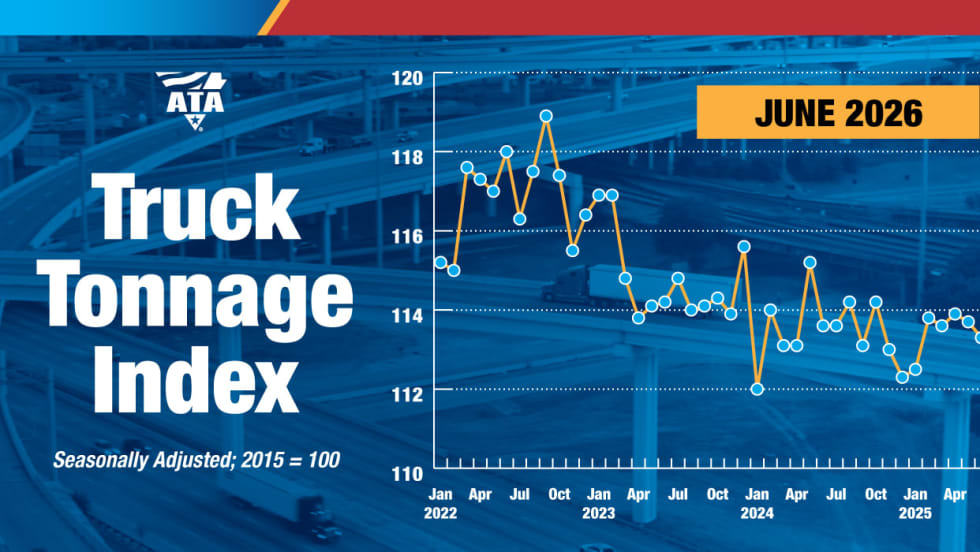
Freight Tonnage Down, Rates up, as Lower Capacity Powers Trucking Recovery
The recovery from the freight recession continues to be driven by reduction in capacity rather than by increased demand.
Read More →

Think Your Trucking Fleet Isn't Using Much AI? Think Again
Shadow AI — the use of unauthorized artificial intelligence tools at work — is becoming increasingly common, putting sensitive company data at risk. Learn how trucking fleets can protect sensitive data while embracing AI.
Read More →
ArcBest Consolidates Brands, Cuts Workforce
The company will bring three business units under the ArcBest brand, eliminate about 2% of positions, and expects the changes to generate $40 million in annual savings.
Read More →
Trucking Fleets Faced Record Operating Costs During Third Year of Freight Recession
ATRI's annual operational cost report shows carriers trimmed fleets, delayed equipment purchases, and ran older trucks as expenses continued to outpace freight rates.
Read More →
Michelin Adds AI Assistant to MyConnectedFleet Platform
Michelin’s new generative AI tool delivers instant fleet insights, helping managers analyze fuel use, tire maintenance, vehicle status, and operational performance without manually creating reports.
Read More →
LytxOne Platform Now Features AI, Compliance, and Asset Tracking Tools
New enhancements add AI-powered insights, asset tracking, compliance automation, and configurable privacy controls to Lytx's all-in-one fleet management platform.
Read More →
July Imports Poised to Set Container Record
The National Retail Federation projects July container imports will surpass the pandemic-era record as shippers frontload freight ahead of expected August tariff increases.
Read More →
HDT Announces 2026 Truck Fleet Innovator Finalists
From AI and fleet electrification to safety, operations, and leadership, these HDT Truck Fleet Innovator finalists are changing how trucking gets done.
Read More →