





Related: ATA’s Spear Sees Trucking as “Test Bed” for Autonomous Technology
FMCSA’s DeLorenzo: Move to ELDs Benefits Everyone
As Joe DeLorenzo, director of the Federal Motor Carrier Safety Administration’s Office of Enforcement and Compliance, sees it, there are positive reasons why all motor carriers need to be conscious of the upcoming electronic logging device mandate deadline of December 18, 2017.
February 28, 2017

FMCSA's DeLorenzo. Photo: Stephane Babcock
3 min to read

FMCSA's DeLorenzo. Photo: Stephane Babcock
PHOENIX-- As Joe DeLorenzo, director of the Federal Motor Carrier Safety Administration’s Office of Enforcement and Compliance, sees it, there are positive reasons why all motor carriers need to be conscious of the upcoming electronic logging device mandate deadline of December 18, 2017.
“There’s a lot of benefits for all of us towards our goal of making sure the transportation environment is as safe as possible,” said DeLorenzo, addressing attendees of the Omnitracs Outlook conference here on Feb. 28. He said that includes gaining shorter inspection times. “That’s 15 minutes you get back in productivity for your drivers.”
But to enjoy the benefits, as well as to be in compliance, fleets need to preplan, according to DeLorenzo, who added that while the hours of service regulations have not changed, the use of ELDs has changed the landscape.
“There’s more transparency into what drivers are doing,” said DeLorenzo. “So I’d be looking ahead now at what your operation looks like and how to construct that to make the sure the ELD implementation goes smoothly.”
The biggest mistake, according to DeLorenzo, is taking things for granted and then waiting until the last second, and then finding out that some issue makes compliance that much more difficult. In answering his most commonly asked question – Who needs an ELD? – DeLorenzo answered it simply: “If you’re a driver who uses a logbook, you will need an ELD.”
For those with concerns about transferring data during an inspection, DeLorenzo agreed that problems may arise, which is why drivers have numerous options, including printouts, allowing for a screen display that is easily visible to law enforcement, emailing the records, or allowing the inspector to download it via a USB device or Bluetooth.
Towards the end of his presentation, DeLorenzo looked ahead to the upcoming Drug and Alcohol Clearinghouse requirements, which will be implemented in January 2020.
“There’s a lot of misunderstanding,” said DeLorenzo. “But it’s an important rule that is going to being a big increase in safety.”
The main point of the rule, according to DeLorenzo, is to provide information to motor carriers about drivers that have had positive drug and alcohol tests and whether those drivers have completed the steps they need to return to duty.
In terms of reporting, he said the rule will require employers, third-party administrators and medical review officers to report any violations to the clearinghouse, as well as reports from substance abuse professionals about driver completing any mandatory return-to-duty and/or alcohol rehabilitation programs.
In terms of querying the system, employer will need to do so during the pre-employment screening process and during a driver’s annual verification. Drivers will also be notified electronically (if registered) any time information is added, modified or removed from the clearinghouse. No fees will be assessed for drivers to access their information.
More Fleet Management
Truck Tonnage Slips, Carrier Outlook Improves
For-hire truck tonnage fell 1.8% in October but was higher than a year earlier, and FTR raised its outlook for carriers for at least the next three quarters.

New Independent Contractor Rule Gives Trucking More Clarity
The Labor Department is once again changing how it determines who's an independent contractor. This time, the rule includes specific examples addressing trucking safety requirements, CDLs, and lease-purchase agreements.
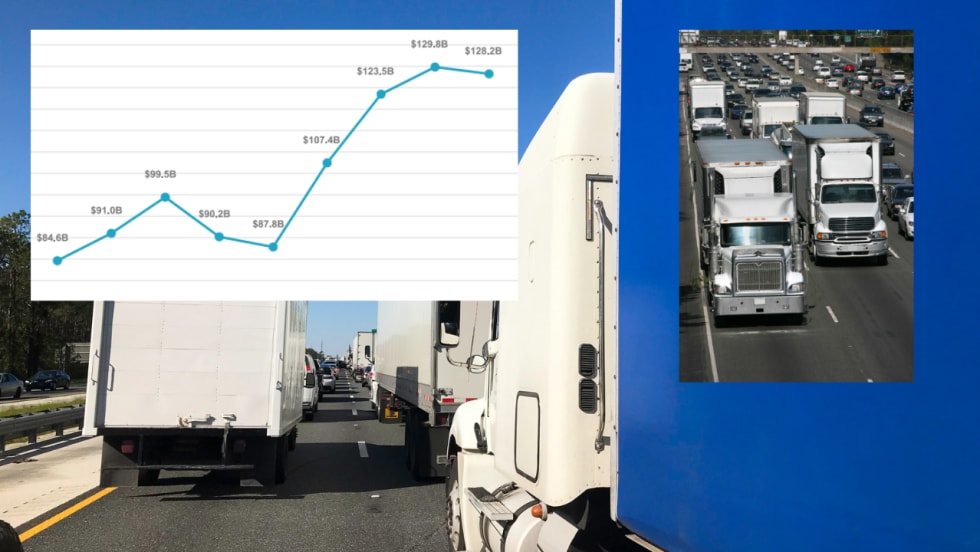
Trucking's Annual Congestion Costs Reach $128.2 Billion
That's the average cost, according to new ATRI research. And the wasted time and diesel are staggering.

How to Modernize Your TMS Without Replacing It [Podcast]
Before investing in a new transportation management system, take a closer look at what you've already got. AI, cloud technology and better integrations may offer ways to improve your trucking operations without starting over.

Could Your Truck's Connected Devices Be a Cybersecurity Risk?
ELDs, telematics systems and driver tablets help fleets operate more efficiently. But every connected device needs protection against cyberattacks.
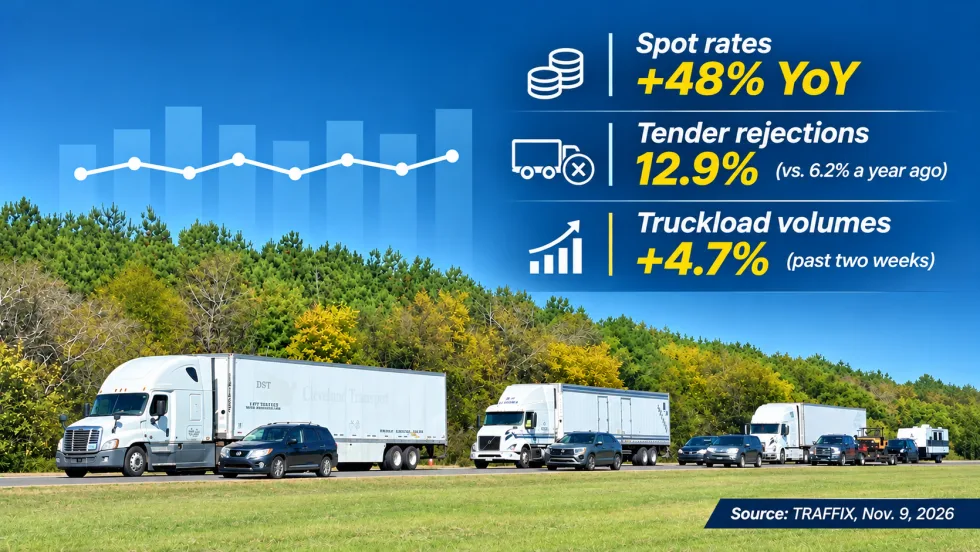
Holiday Freight Meets a Tight Trucking Market
There's no freight boom, but truckload carriers are finding themselves in a stronger position to negotiate rates. And holiday shipping demand could tighten the market further.
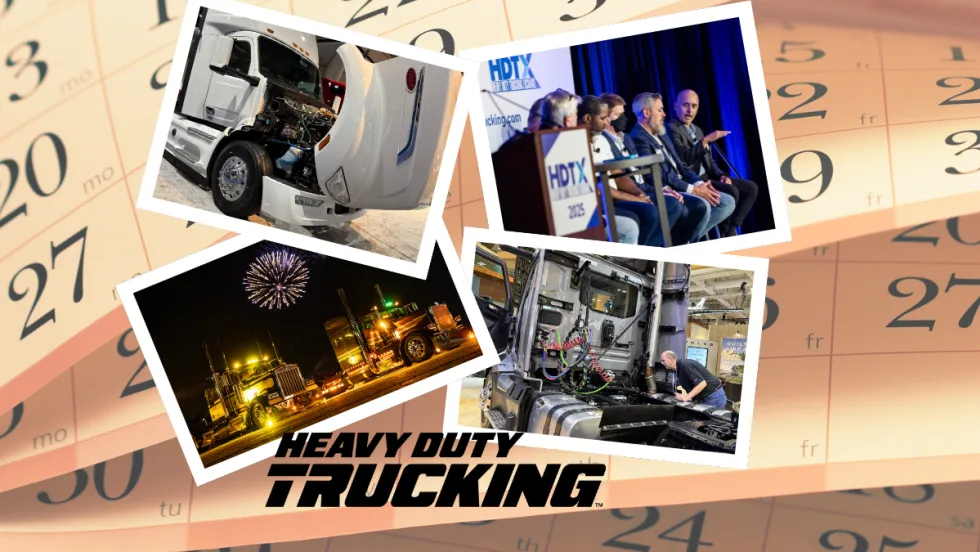
What Trucking Events are Happening in 2027?
Looking for trucking-related conventions, expos, and other events? Heavy Duty Trucking has developed this list of national and larger regional trucking shows and events.
Does Your Trucking Fleet Need a New TMS?
Artificial intelligence and better integrations promise less busywork and more useful data. Can your TMS help your company solve problems? Do you need additional vendors or an upgrade? Or is it time to look for a new platform?
Fleet Costs Shape ACT Expo 2027 Agenda
With diesel prices high and operating expenses under pressure, ACT Expo's 2027 agenda emphasizes fuel efficiency, AI, safety and the return on fleet technology investments.
Does Your Trucking Fleet Need a New TMS? [Video]
Cloud technology, AI and new integrations are changing what transportation management systems can do. But does taking advantage of those advances mean replacing your existing TMS?