




Calculate True Capacity Before Buying Your Next Trailer: Part One
Long before a single load is booked or any wheels turn, someone - usually a fleet manager - needs to determine exactly what is going to separate the road and the load
If the payload is a 100,000-pound excavator that’s only 13 feet long, a trailer rated for the entire deck length, or even for 16 feet, won’t be right for the load. The ideal trailer will be one rated at half the deck length.
Long before a single load is booked or any wheels turn, someone - usually a fleet manager - needs to determine exactly what is going to separate the road and the load.
If the payload is a 100,000-pound excavator that’s only 13 feet long, a trailer rated for the entire deck length, or even for 16 feet, won’t be right for the load. The ideal trailer will be one rated at half the deck length.
There's a lot riding on this decision because, as much as some would like to think otherwise, a trailer is never just a trailer. It can be manufactured to many different specifications, with multiple raw material options, dozens of load and geographical considerations, various top speed requirements and hundreds of possible axle configurations coming into play. And it all comes down to one objective - the ideal trailer for an operation's specific loads.
To select the right trailer, the one that will require the least amount of maintenance, provide the greatest lifespan and deliver the highest possible return on investment, it is vital to understand the most important factor of all - capacity.
50 Tons in the Making
There are five contributors to capacity ratings. They apply to any kind of open trailer, from flat and step decks to lowbeds, and each can be varied to meet a carrier's specifications.
It begins, of course, with the materials used to build the trailer, specifically their sizes and weights. From there, capacity encompasses the overall weight that a trailer can carry, the area of the deck in which it can carry that weight, the speed at which the trailer will generally travel and the safety factor.
To make an apples-to-apples comparison, consider one 50-ton lowbed alongside another 50-ton lowbed. Because, just as a trailer is never just a trailer, not all 50-ton lowbeds are created equal.
Load Concentration: Half Deck, Full Utilization
There are more than 50 manufacturers of lowbed heavy-haul trailers in North America, and they apply several methods of rating the capacity of their trailers. Since there is no industry-set or government-mandated system, it's up to every buyer to be in tune with the method each manufacturer uses before making a purchase decision.
A key difference between manufacturers' ratings comes in load concentration, or the length of the deck that can handle the rated weight. Obviously, a 26-foot, 50-ton lowbed can haul 50 tons. But how much of the deck those 50 tons occupy is just as important as the weight itself. Whereas one trailer might need the entire length of the deck to be rated at 50 tons, another can be rated for 50 tons in a 16-foot span, and another can handle that same weight in half the deck length.
For example, a 26-foot, 50-ton lowbed might be rated for the trailer's entire span with equal weight distribution. In that case, the trailer would need to be hauling materials that run the entire length of the trailer, such as long steel poles, lumber or concrete culvert sections.
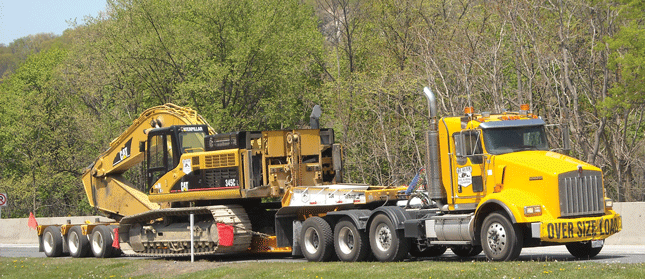
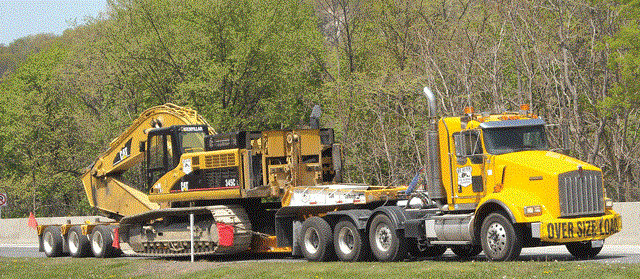
However, if the payload is a 100,000-pound excavator that's only 13 feet long, a trailer rated for the entire deck length, or even for 16 feet, won't be right for the load. Even though the load is only 50 tons, that trailer will be overloaded because the weight will not span the entire length of the deck; making it too concentrated for the area the excavator covers. For a trailer that's rated at full deck length or 16 feet to safely handle the excavator, it would likely need to be rated at 55 or 60 tons.
So again, using the 13-foot, 100,000-pound excavator as the payload, the ideal trailer will be one rated at half the deck length. Trailers rated for half the deck length can carry a specified load in just that, half the length of the deck. These ratings give a more realistic indication of the concentrated loads the trailer will be able to handle safely and without structural failure.
In addition, manufacturers who build trailers with half-deck ratings often do so with a two-point rigid load base specifically for the tire spacing, or hot spots, of large equipment and heavy machinery.
This is the first article in a series about trailer capacity. Click here for Part 2.
More Equipment
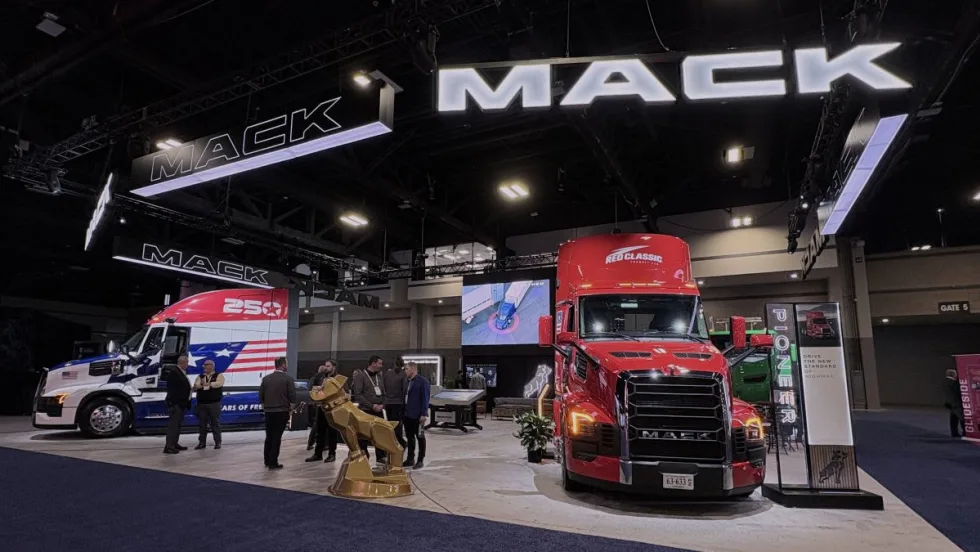
Trucks at ATA's 2026 MC&E in Charlotte, North Carolina [Photos]
From rigs decked out in patriotic America's 250 paint schemes to autonomous trucks and more, check out these photos from ATA's 2026 Management Conference & Exhibition.
Read More →
Help HDT Find Trucking’s Top Products
Have you come across a new product that could make a difference for trucking fleets? Nominate it for HDT’s 2027 Top 20 Products Awards by November 9.
Read More →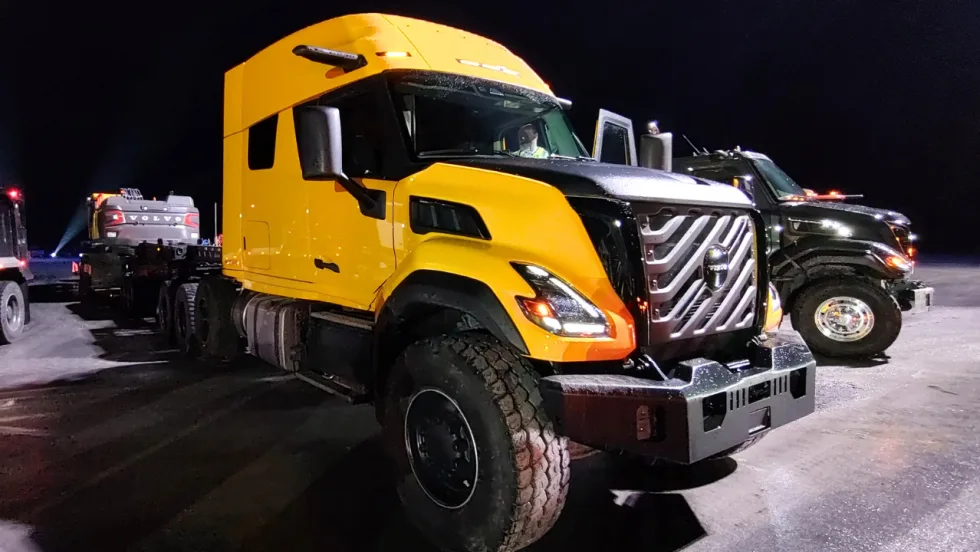
Volvo Unveils New VNX Heavy-Haul and Vocational Truck
Volvo Trucks has launched the VNX, a new vocational truck also available as a tractor in day cab and two sleeper configurations, with one heavy-haul model. The Volvo VNX is powered by Volvo's D13 platform, which delivers up to 540 horsepower and 1,950 pound-feet of torque and is EPA 2027-compliant.
Read More →
How GP Transco Cuts Trucking Fuel Costs, a Tenth of a Gallon at a Time
What’s another tenth of a mile per gallon worth? GP Transco shares how equipment upgrades and driver coaching turn small gains into meaningful fuel savings.
Read More →
Electric Yard Tractors Move Beyond Pilots
Operating-cost savings have overtaken sustainability goals as the leading reason surveyed fleets are adopting battery-electric terminal tractors, according to new NACFE research.
Read More →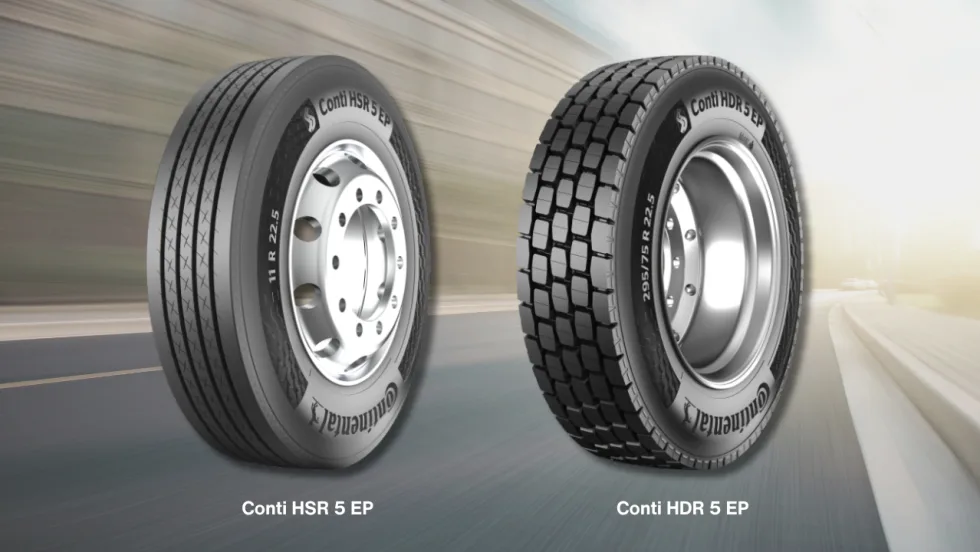
Continental Introduces New Regional Truck Tires
Continental says its new Generation 5 steer and drive tires for regional operations offer longer tread life, with estimated mileage gains of 22% and 19%, respectively.
Read More →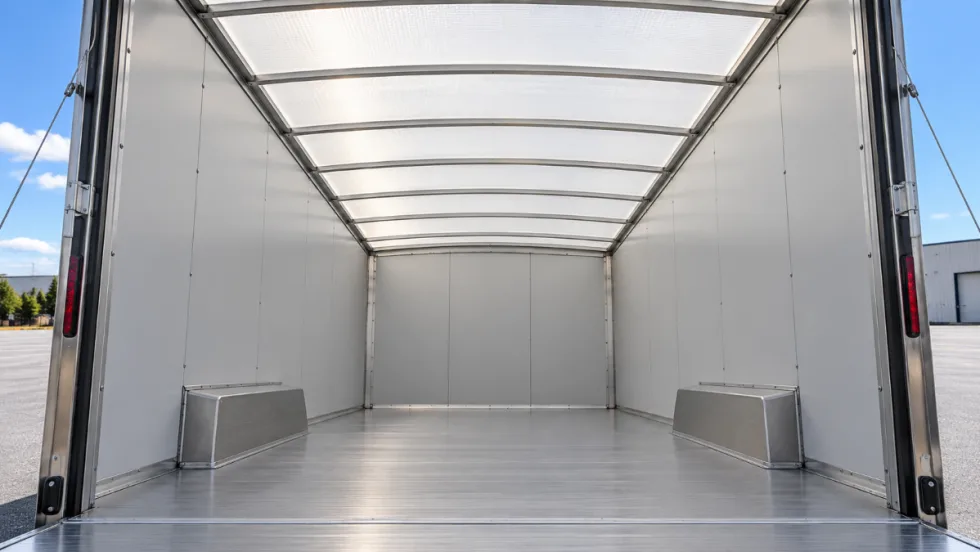
Tekmodo Introduces CargoBright Brand for Translucent Trailer Roofs
CargoBright is designed to diffuse daylight across the cargo area while performing as a working vehicle roof.
Read More →
Fleet Economics Shape Electric Truck Outlook
ACT Research expects costs, charging infrastructure, and technology improvements to drive zero-emission commercial vehicle adoption as federal regulations and incentives retreat.
Read More →
Kodiak Targets Dallas–Houston for Driverless Trucks
The company says its autonomous trucks are completing the I-45 run without a safety observer taking control. It plans to remove the observer by the end of 2026.
Read More →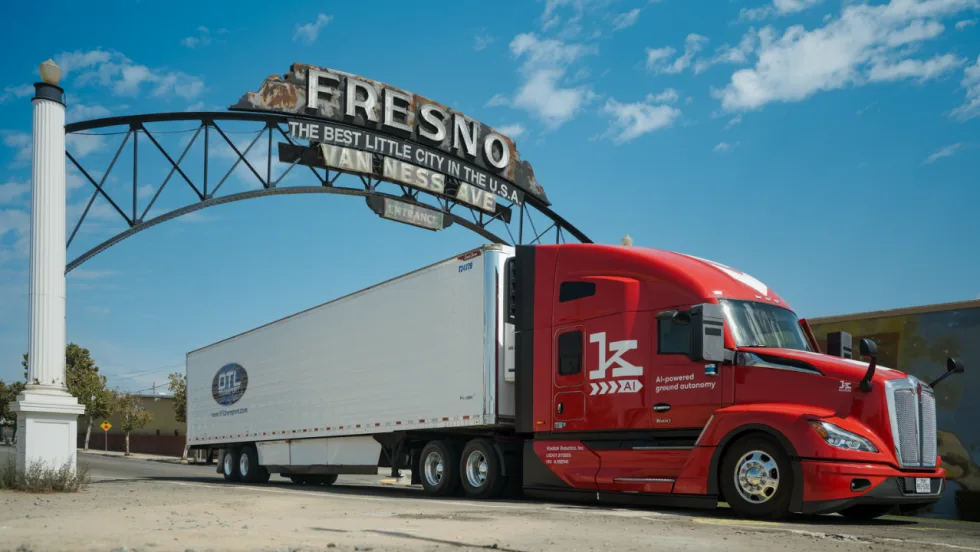
Kodiak Hauls Produce in California Autonomous Truck Pilot
Kodiak AI and DTL Transport have begun hauling produce between Fresno and Los Angeles under California’s new rules for testing heavy-duty autonomous trucks. A safety driver remains behind the wheel.
Read More →