




Calculate True Capacity Before Buying Your Next Trailer: Part Two
Long before a single load is booked or any wheels turn, someone – usually a fleet manager – needs to determine exactly what is going to separate the road and the load.
Long before a single load is booked or any wheels turn, someone – usually a fleet manager – needs to determine exactly what is going to separate the road and the load.
There’s a lot riding on this decision because, as much as some would like to think otherwise, a trailer is never just a trailer. It can be manufactured to many different specifications, with multiple raw material options, dozens of load and geographical considerations, various top speed requirements and hundreds of possible axle configurations coming into play. And it all comes down to one objective – the ideal trailer for an operation’s specific loads.
To select the right trailer, the one that will require the least amount of maintenance, provide the greatest lifespan and deliver the highest possible return on investment, it is vital to understand the most important factor of all – capacity.
Load Distribution: Scaling Out
How a load is distributed over the deck and the axles can be just as important as the overall weight rating. However, even though the trailers will be operating in the United States, the states are not very united when it comes to axle weight laws and regulations.
All across the country, the laws and regulations related to weight change from state to state. Companies operating in Indiana deal with one set of laws and regulations, but when they cross the border into Ohio they run into entirely different set of regulations. Pennsylvania has yet another distinct collection of rules of the road and so on along the truck’s route.
Fleet managers need to be aware of, and plan for, variances between states and regions where their trailers will be used. It’s important to have the proper trailer configuration to make the load distribution work for a fleet’s particular area of operation.
Manufacturers bear some responsibility, too, and should work with buyers to define not just the best trailer for the cargo those buyers will be carrying, but also the best axle configurations for maximizing the load in every one of the states they’ll be hauling through.
Clearly, it’s impossible to max out a trailer’s capacity in every state, but the goal of most interstate heavy-haul carriers is to get a trailer as close to the maximum as possible across all the states where the carrier intends to operate.
There are many ways to achieve the best possible weight distribution over the axles.
It may be as simple as adding a fourth flip axle or as complicated as adding two or three axles and spreading them apart to make sure they can each accept an equal amount of weight from the payload.
And there are other possibilities in between depending on the specific state’s regulations and the nature of the load.
For example, carriers can vary gooseneck lengths in the front to achieve the proper steer weight and drive axle weight. Carriers also can alter the distances between axles and axle groups to hit max weights and remain in compliance with various state laws.
With an East Coast trailer, for example, they can add shims to a rigid spread bar or, if the trailer has a nitro version of a spreader bar, use hydraulics to vary the weight distribution. Yet another way is to move the load closer to one end or the other to properly distribute weight over the axles.
And, finally, a carrier can use a jeep dolly to add extra axles, thereby lowering the per-axle weight distribution.
Speed: How Slow Can You Go?
Another capacity determinant is speed.
While some manufacturers rate their trailers at 55 mph, others rate them at 65 mph. The slower a rig travels, the less added weight or stress is placed on the trailer.
That’s due to the fact that, while road dynamics such as potholes, railroad tracks and so on still come into play, the impact on the trailer decreases along with the speed.
However, sometimes a 55 mph rating is not as realistic for a carrier as a 65 mph rating. The key is to purchase trailers that will perform at a fleet’s normal operating speeds.
Related article:
Selecting the Right Trailers for your Fleet: Part One
http://truckinginfo.com/equipment/news-detail.asp?news_id=79096&news_category_id=67
More Equipment
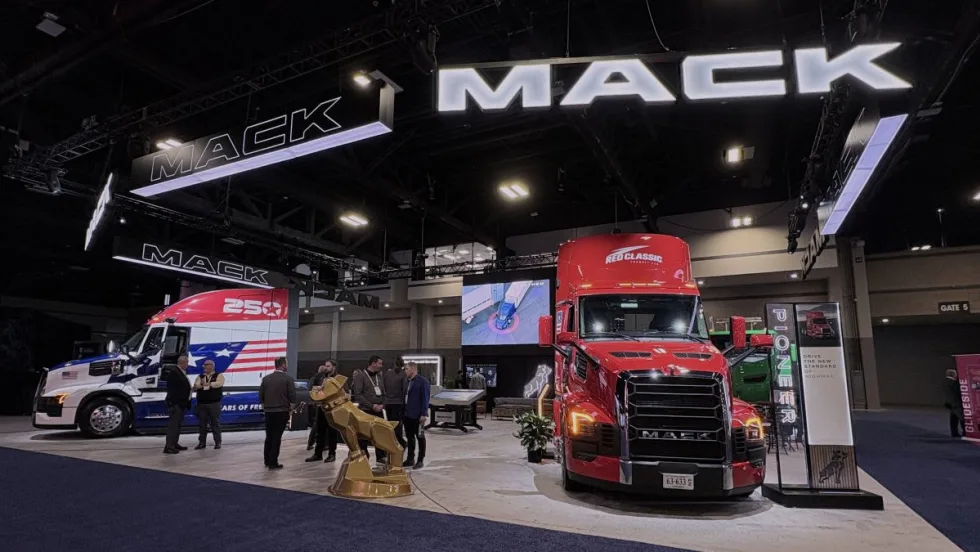
Trucks at ATA's 2026 MC&E in Charlotte, North Carolina [Photos]
From rigs decked out in patriotic America's 250 paint schemes to autonomous trucks and more, check out these photos from ATA's 2026 Management Conference & Exhibition.
Read More →
Help HDT Find Trucking’s Top Products
Have you come across a new product that could make a difference for trucking fleets? Nominate it for HDT’s 2027 Top 20 Products Awards by November 9.
Read More →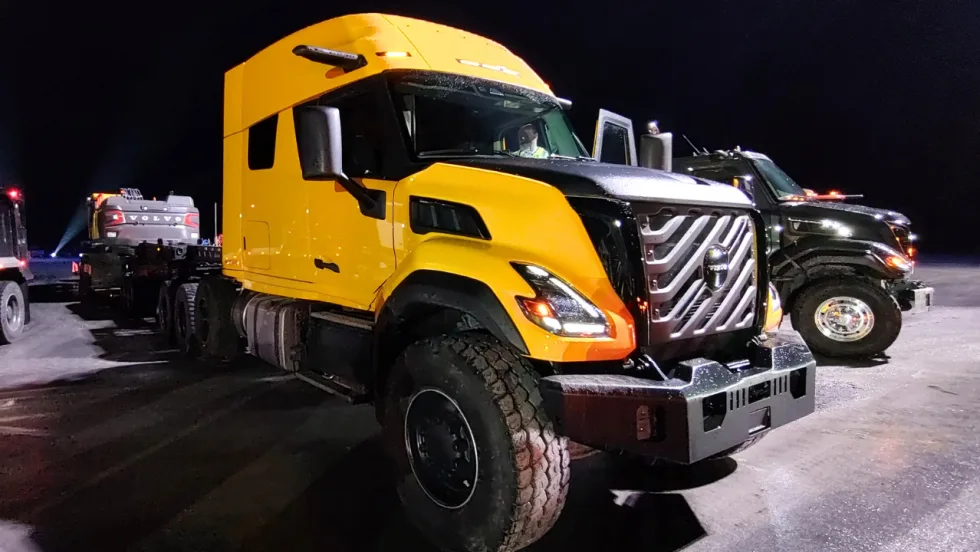
Volvo Unveils New VNX Heavy-Haul and Vocational Truck
Volvo Trucks has launched the VNX, a new vocational truck also available as a tractor in day cab and two sleeper configurations, with one heavy-haul model. The Volvo VNX is powered by Volvo's D13 platform, which delivers up to 540 horsepower and 1,950 pound-feet of torque and is EPA 2027-compliant.
Read More →
How GP Transco Cuts Trucking Fuel Costs, a Tenth of a Gallon at a Time
What’s another tenth of a mile per gallon worth? GP Transco shares how equipment upgrades and driver coaching turn small gains into meaningful fuel savings.
Read More →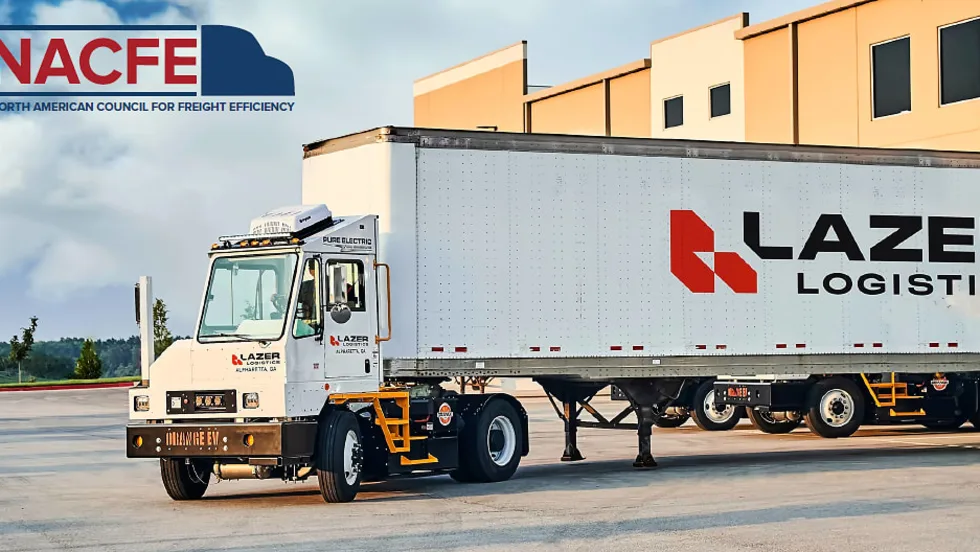
Electric Yard Tractors Move Beyond Pilots
Operating-cost savings have overtaken sustainability goals as the leading reason surveyed fleets are adopting battery-electric terminal tractors, according to new NACFE research.
Read More →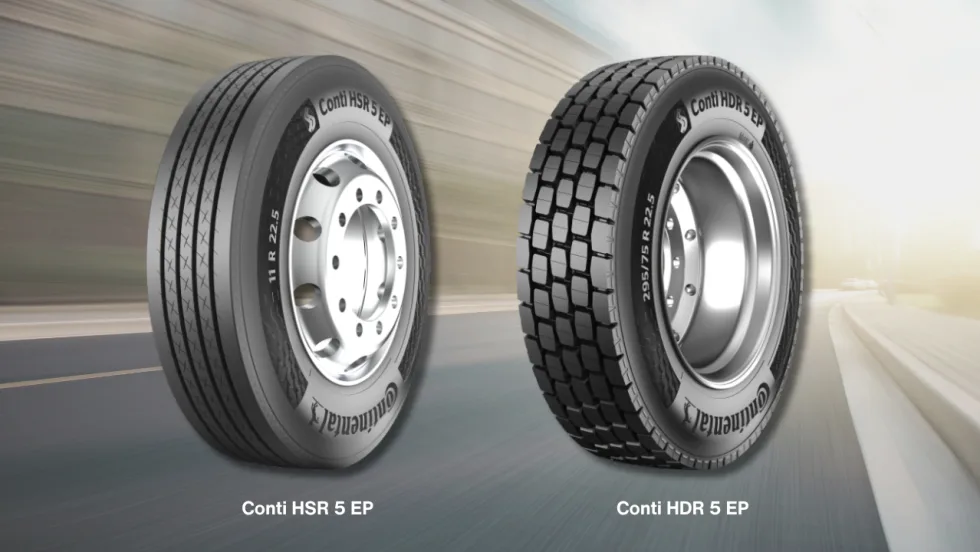
Continental Introduces New Regional Truck Tires
Continental says its new Generation 5 steer and drive tires for regional operations offer longer tread life, with estimated mileage gains of 22% and 19%, respectively.
Read More →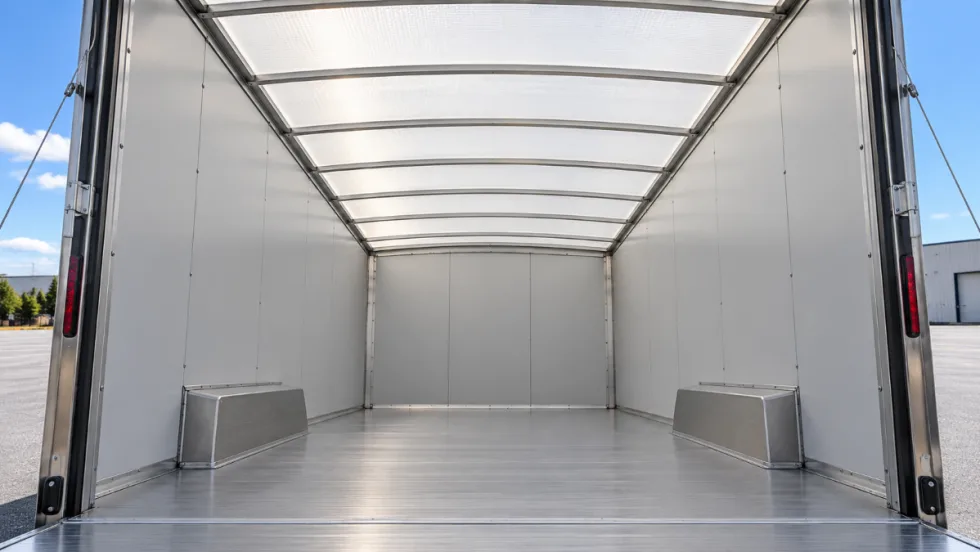
Tekmodo Introduces CargoBright Brand for Translucent Trailer Roofs
CargoBright is designed to diffuse daylight across the cargo area while performing as a working vehicle roof.
Read More →
Fleet Economics Shape Electric Truck Outlook
ACT Research expects costs, charging infrastructure, and technology improvements to drive zero-emission commercial vehicle adoption as federal regulations and incentives retreat.
Read More →
Kodiak Targets Dallas–Houston for Driverless Trucks
The company says its autonomous trucks are completing the I-45 run without a safety observer taking control. It plans to remove the observer by the end of 2026.
Read More →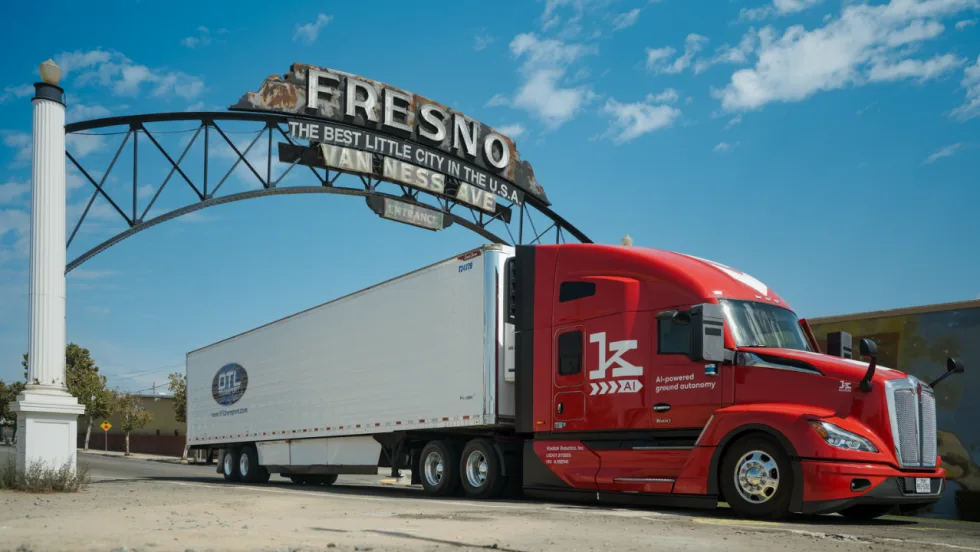
Kodiak Hauls Produce in California Autonomous Truck Pilot
Kodiak AI and DTL Transport have begun hauling produce between Fresno and Los Angeles under California’s new rules for testing heavy-duty autonomous trucks. A safety driver remains behind the wheel.
Read More →