




Related: ELDs Can Open the Door to Big Data
Big Data is Generating Big Returns
Data ranging from maintenance costs to video images is increasingly helping fleets to drive down the cost of everything from on-road repairs to collisions. And those who dig a little deeper can realize some of the biggest savings of all.
by John G. Smith
October 27, 2017
Public Domain via Wikimedia Commons
5 min to read

Public Domain via Wikimedia Commons
Data ranging from maintenance costs to video images is increasingly helping fleets to drive down the cost of everything from on-road repairs to collisions. And those who dig a little deeper can realize some of the biggest savings of all.
“All fleets at a minimum should be collecting a basic set of data,” said Rich Hanowski, director – center for truck and bus safety at the Virginia Transportation Institute, during a presentation at the American Trucking Associations’ annual Management Conference & Exhibition recently in Orlando, Florida.
But the “basic” set involves more than costs alone. Comprehensive crash data, for example, includes such things as the date, location, contributing factors, whether or not the crash was preventable, road type, crash type (such as a rollover), and a driver’s narrative about the situation. That can all be coupled with vehicle information such as make, model, year, mileage, the presence of ABS, safety technologies and the date they’re installed, and speed limiter settings.
When information like that is combined, fleets have a tool to identify which safety technologies are offering a true return on investment.
“You want to know is that technology working for you,” Hanowski said.
Digging beyond crash and vehicle data, fleets can use sophisticated data acquisition systems such as video-based telematics event recorders to assess safety and risk, he added. Driver-facing and forward-facing cameras, triggered by a hard-braking event, might show someone who was checking a cell phone behind the wheel. Information like that can be used for coaching.
A Safety Turnaround
Big M Transport, based in Mississippi, has seen the advantages first hand. The fleet introduced forward- and driver-facing cameras in 2015 along with a revamped hiring criteria and hair follicle tests for drugs.
Concerns about the cameras invading privacy were put to rest with the approach to collecting the images, said Wes Davis, chief financial officer.
“It was event-based driven,” he explained, referring to issues such as hard braking. “They control just how much we can see.” Drivers also heard that if insurance costs and collision-based losses were reduced, the fleet would be in a better position to increase pay.
Out of 200 drivers, just five left.
In many cases, the videos exonerate the drivers of any wrongdoing, Davis added. The system paid for itself one year when it was able to show a woman trying to pass a company truck in the grass.
Combined with targeted training based on incidents tracked by video, the fleet has seen a dramatic turnaround in its safety record. Following distance violations and incidents have dropped 74%, late responses are down 85%, and traffic violations are down 72%. Insurance costs dropped by more than 55%.
CSA scores for unsafe driving plunged from 63% to zero. And last year the Truckload Carriers Association recognized Big M as the Safest Fleet in its division.
XPO Logistics Digs Deeper
XPO Logistics has been able to introduce a proactive approach to training by digging deeper into its own data about driver behaviors, said Kelly Osburn, safety analyst.
A more complete picture emerges when tying video to the data from roll stability and lane departure systems, Osborn said. That helps determine root causes. “It’s not always the driver,” she explained. “80% of our drivers are doing very well. It’s 20% of the drivers that are causing issues.”
A general look at monthly “severity scores” compares the fleet's drivers to their peers, ensuring training is focused on areas that present the highest risks. And peers play a key role in the related training when it’s required.
“We never get the, ‘You don’t know. You’ve never driven,’” she says of the peer-based approach. The highest-risk drivers even receive an intense six-month coaching program looking at the unwanted events and beyond.
The laser-like focus on behaviors is appreciated. It helps to retain drivers, because they want to work for a fleet that cares for their safety, she said. As for the ones who do leave? They’re seen as people who don’t want to change.
Using Data to Drive Maintenance Gains
Of course, gains realized through a focus on data are not limited to safety and training alone.
Maintenance costs tend to account for 10% of a fleet’s budget, and are accepted as a certainty just like death and taxes, said Jim Buell, executive vice president – sales and marketing for FleetNet America. But savings can be found by taking a closer look at roadside repairs, he said. Aside from the fact that such repairs are costly, they are a good indicator of what’s happening inside the shop.
Poring over the data from 400,000 annual maintenance events, Buell found that most fleets were spending more on maintenance than they needed to. Yet similar preventive maintenance forms and shop layouts could be found in each location.
Those that reduced on-road repairs were taking more time to explore the root cause of different issues.
“You need to know how many miles your fleet is running between a breakdown event,” he said. A drop to 50,000 miles from 75,000 miles might lead to 30% more customer service issues because more loads are stranded on the side of the road.
Vehicle Maintenance Reporting Standards, developed by the ATA's Technology & Maintenance Council, make it possible to drill down into every key component, from tires, to trailer frames, lighting systems, and towing events. Using an example of a $13,000 in mirror repairs, he matched the numbers to specific truck VINs and locations. Almost all the repairs were at a fleet yard in Charlotte.
A visit to the yard discovered one tree that was clipping off mirrors. For the cost of a pole saw, $17,000 flowed directly to the bottom line. It was just a matter of looking in the right location.
It’s also important not to lose sight of the forest for the trees. “You’ve got to get a full year’s data because there's an amazing seasonality,” he said of different maintenance needs.
Benchmarking the numbers against similar fleets with similar assets would offer an even deeper story. Later this year TMC will launch a program to do just that, he said.
“They’ll know where they’re best in class,” Buell said, “and they can even estimate how much they can drop to their bottom line.”
John G. Smith is the editor of the award-winning Canadian publication Today's Trucking. This article was used under a cooperative editorial sharing agreement between HDT and its Canadian counterpart.
Subscribe to Our Newsletter
More Fleet Management
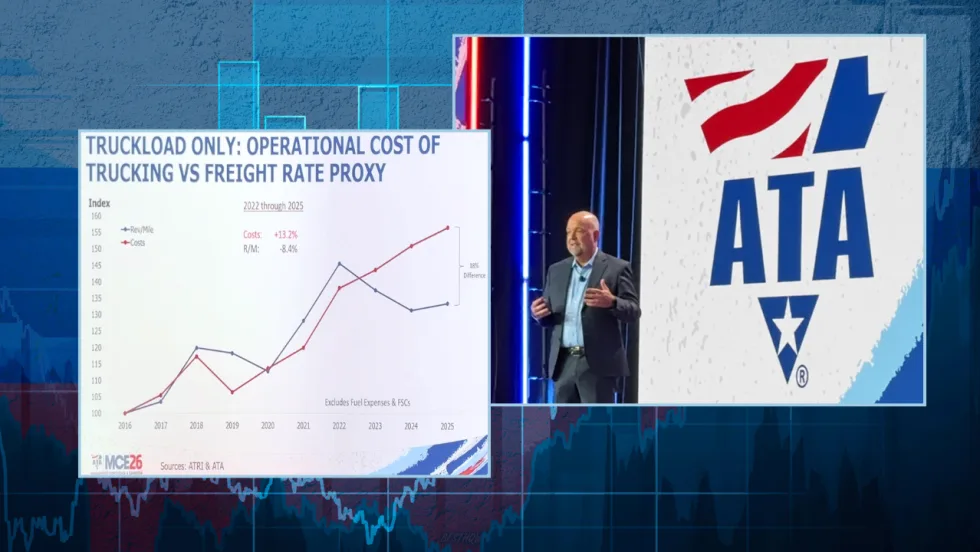
Why This Trucking Recovery Is Different
Freight demand remains sluggish, but rising costs and tougher enforcement have taken enough capacity out of the market to change the outlook for motor carriers.
Read More →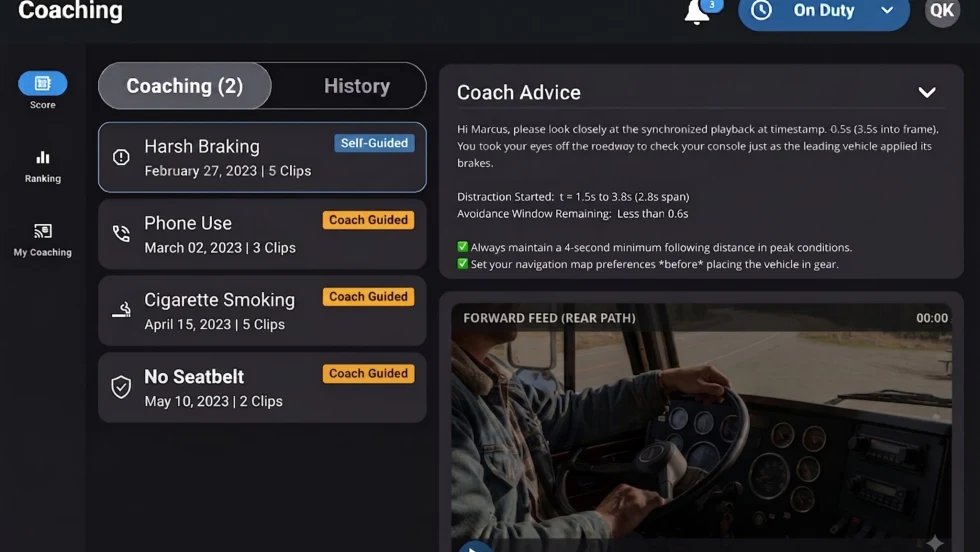
Platform Science Adds Dispatch and Safety Tools
Four additions to PS Fleet help fleets monitor loads, manage driver coaching, share truck locations and adjust video system settings.
Read More →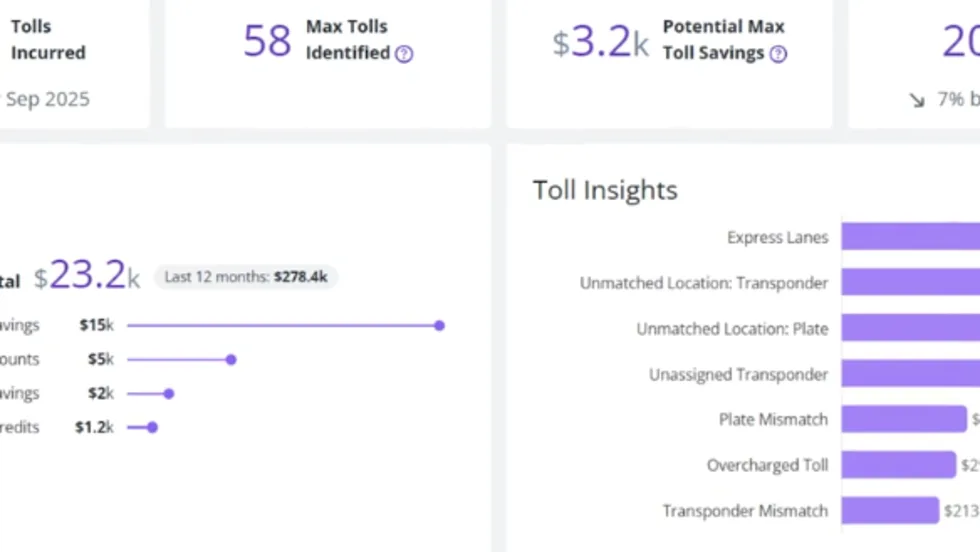
PrePass Intelligence Mines Fleet Bypass, Toll and Safety Data
PrePass Intelligence helps fleets measure bypass savings, flag potential toll overcharges, and spot suspicious transactions by combining data from separate systems.
Read More →
Motive Adds AI Agents for Fleet Operations
New tools automate follow-up on fleet data, from maintenance work orders to driver alerts, with two-way voice conversations planned for later this year.
Read More →
Can You Beat Our Trucking Trivia Challenge?
Test your truck knowledge with 19 trivia questions from Heavy Duty Trucking Exchange. Can you keep up with the fleet pros?
Read More →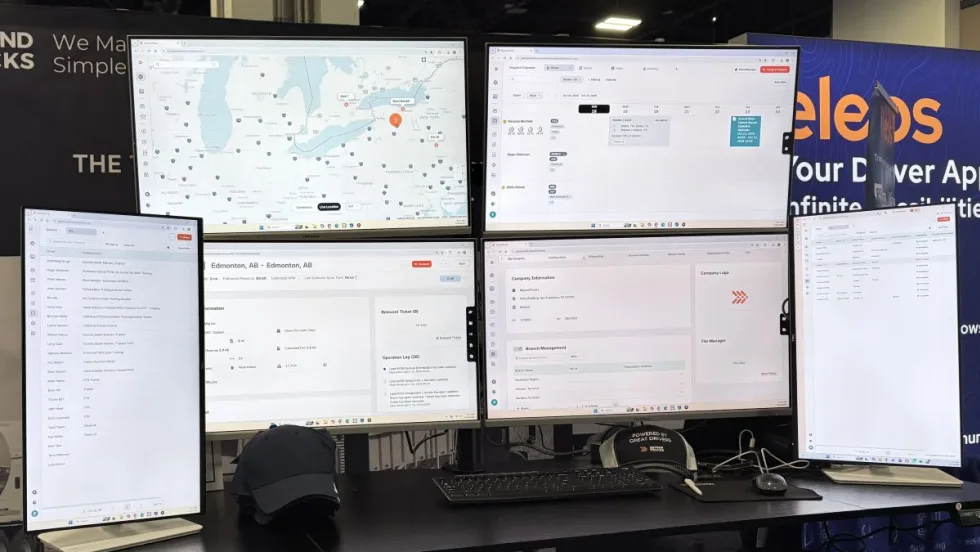
BeyondTrucks Adds Rules Checks to Dispatch
New Compatibility Engine checks driver qualifications, equipment requirements and fleet policies before loads are dispatched.
Read More →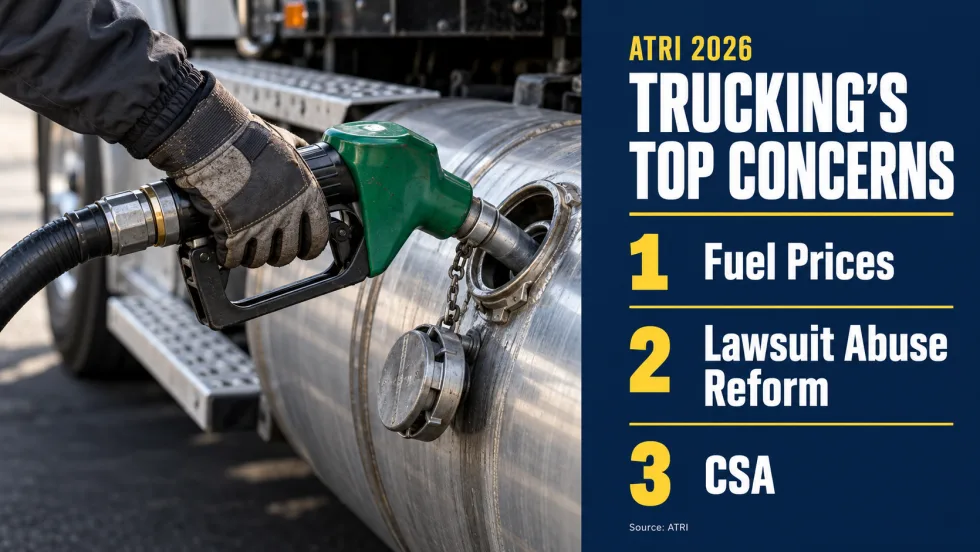
Diesel Prices Hijack Trucking’s Worry List
ATRI’s annual survey finds cautious optimism about freight, but diesel costs, litigation, and insurance continue to squeeze fleets. Drivers have different priorities on several issues.
Read More →
Nomination Deadline Extended for HDT Emerging Leaders
Just a few more days to nominate accomplished trucking fleet professionals under 40 who are making an impact and helping lead the industry forward for the HDT Emerging Leaders award. Deadline extended to October 20!
Read More →
What Will ATA’s New Leader Bring to Trucking's Table?
Incoming President and CEO Mark Colson’s record in Alabama offers clues about his priorities and approach following Chris Spear’s abrupt departure as the head of the American Trucking Associations.
Read More →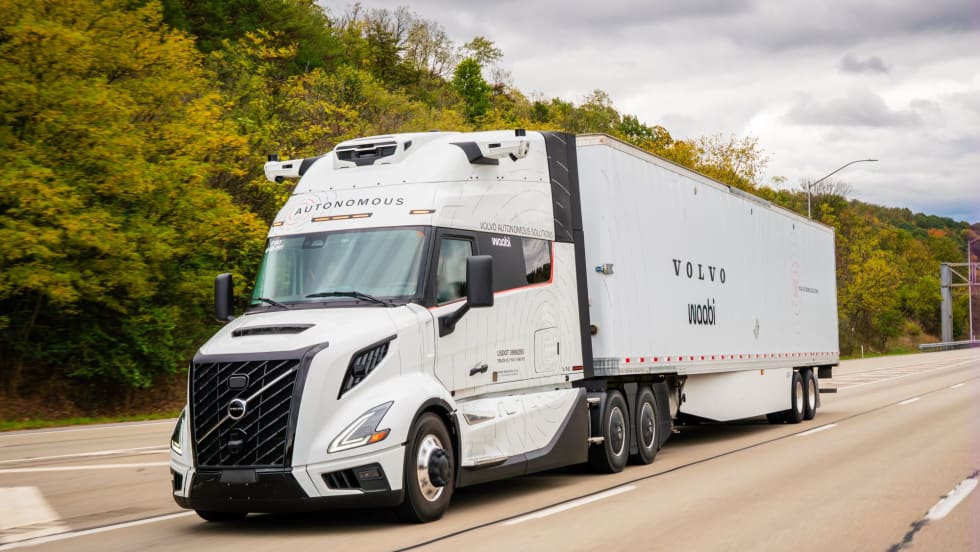
Volvo, Waabi Start Commercial Autonomous Operations in Texas
Volvo VNL Autonomous trucks, powered by the Waabi Driver, are hauling freight directly to third-party facilities for a customer in Texas.
Read More →