




Batteries Key to Hybrid and Electric Truck Growth
For years, builders of hybrid-electric systems have been saying that prices for lithium ion batteries they need would be coming down, which would make these fuel-saving vehicles more affordable

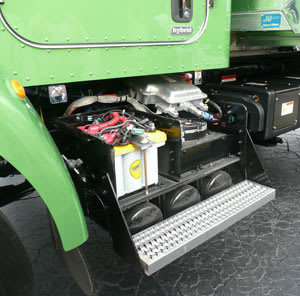
For years, builders of hybrid-electric systems have been saying that prices for lithium ion batteries they need would be coming down, which would make these fuel-saving vehicles more affordable.
It'll happen, because more battery factories here and abroad will start operations, and greater supplies of batteries will reach the market, they said. They were right.
The cost per kilowatt-hour for li-ion batteries has indeed been slowly dropping for the past two or so years, and is expected to plunge by 30 percent by next year, according to a December report by Deutsche Bank forecasters. They said the cost will fall from today's $650 per kilowatt-hour to $250 by 2020. A year earlier, in November 2009, the forecasters had estimated the 2020 price would be $350.
That news was presented last month at a meeting of the Technology and Maintenance Council of the American Trucking Associations. Mark Kachmarsky, executive director of engineering for Zero Truck Corp., showed a Deutsche Bank chart with its steadily shortening bars at a TMC Hybrid Trucks Task Force session. It is encouraging for anyone in the hybrid- or plug-in electric truck business.
That includes Zero Truck, which has begun converting diesel-powered medium-duty trucks to full electrics. Now operating temporarily in Irvine, Calif., Zero plans a move to Allentown, Pa., in the next month, says Kachmarsky (a former Mack Trucks staffer). Zero hopes to produce 70 vehicles in its first year, several hundred the next, and so on.
Eaton Corp., the principal supplier of electric-drive hybrid systems for medium-duty trucks, recently announced that more than 4,500 of its systems are working in delivery trucks and school buses, and have operated more than 100 million miles. Development was under way in the late 1990s, prototypes were running by the early 2000s, and Freightliner Custom Chassis Corp. installed the first systems on a production line in 2005, Eaton says. They went into walk-in van chassis, and package-delivery trucks continue to be a regular application as FedEx and UPS continue buying them.
Yet economics have made the business a hard sell. Hybrids save 30 percent or more in fuel costs while cutting emissions and brake wear. They seemed to be heaven-sent as prices for diesel fuel spiked to $4 and $5 per gallon in 2008. But the price run-ups quickly fell to moderate levels, about $3 on national average, and stayed there for two years. Reasonably priced fuel discouraged investment in the expensive vehicles.
Hybrids cost 30 to 50 percent more to buy than straight diesel trucks, and the first plug-in electrics, which hit the commercial market in the last two years, are two to three times the prices of diesel and gasoline trucks. Although fuel has been inching up again, to about $3.50 or so per gallon nationally, fuel savings alone still cannot pay for those premiums, at least not soon enough to make a decent business case.
Last year, Guy Rini, chairman of the TMC task force (another former Mack engineer who remains active in the hybrid truck business), determined that fuel needs to climb again to the $4 to $5-a-gallon level for diesel-electric hybrids to pay for themselves in fuel savings alone. At $3 per gallon, the return on investment on a heavy trash collection truck was out to 11 years, according to one fleet executive's estimate. Rini says more expensive fuel remains a necessity to make a business case for hybrids.
Federal tax credits had offset some of the price premium for hybrids and alternative-fuel trucks, but they expired Dec. 31. Several members of Congress have introduced bills that would restore the credits or make outright monetary grants to purchase the fuel-saving and pollution-reducing trucks. Given the new tightfisted mood by many in Congress and even the White House, the bills might or might not pass.
State grants still help, however. In its last fiscal year, California's Air Resources Board spent $20 million to help public and private fleets buy about 650 hybrid trucks and buses. This year the amount will be $18 million. Local air quality districts kicked in more money and will continue this during 2011, a CARB announcement says.
Interested fleets can go to participating dealers to apply for vouchers worth $10,000 to $25,000 each for light and medium-duty hybrids and zero-emissions vehicles, and $30,000 each for heavies. This year's program launched Feb. 15 and the money is expected to go fast. More information is at www.californiahvip.com. There are grant programs in 13 other states, CARB says.
Will lower battery costs change the payback game for buying without grants? Probably. If li-ion battery prices fall 30 percent next year as predicted and hybrid vehicle prices fall a like amount, return on investment time would obviously also drop. But more expensive fuel would still be needed to pull the ROI down to the one or two years that business people believe is necessary. At press time, diesel prices had risen for the 12th week in a row, to over $3.57 per gallon.
Even without a fuel price run-up, going "green" is enough for some buyers. The idea of cutting exhaust emissions and saving fuel, thus reducing our dependence on foreign oil, makes some buyers feel good. And it gives them bragging rights to use on shippers and the public. That, and encouragement by clean air authorities, will ensure that hybrids and electric trucks will persevere.
From the March 2011 issue of Heavy Duty Trucking magazine.
More Fuel Smarts

Record Diesel Prices Squeeze Trucking Fleets
Average U.S. diesel prices have climbed to nearly $6 a gallon, surpassing the 2022 record as tight refinery capacity and Middle East disruptions keep fuel costs elevated.
Read More →
How Fuel Delivery Shapes Engine Performance
Fuel delivery depends on more than what happens at the injector. For fleet, maintenance and technical professionals, looking at the full path from pump to injector can provide useful context for understanding engine performance.
Read More →
East Coast Port Launches $45M Electric Truck Push
The Port Authority of New York and New Jersey announced millions in incentives for zero-emission drayage trucks, yard tractors, and new charging hubs near the port.
Read More →

California Bill Could Shed Light on Electric Truck Prices
Why do battery-electric Class 8 trucks remain so expensive? A California bill headed to Gov. Gavin Newsom would give fleets and state agencies more visibility into what manufacturers charge.
Read More →
Detroit Opens Orders for EPA 2027 Engines
Detroit isn’t starting from scratch to meet EPA 2027 diesel emissions standards. Its Gen 6 DD13 and DD15 engines keep much of today’s platform while updating the fuel and aftertreatment systems.
Read More →
Zero-Emission Truck Corridor Planned for West Coast
California, Oregon, Washington, British Columbia and Baja California are coordinating plans for truck charging and hydrogen fueling from Canada to Mexico.
Read More →
A Closer Look at Kenworth’s Electric T880E Vocational Truck [Video]
Learn more about Kenworth's T880E battery-electric vocational truck at the Paccar Technical Center, including its range, applications, upfitting considerations, and PTO options, in this HDT Spotlight video.
Read More →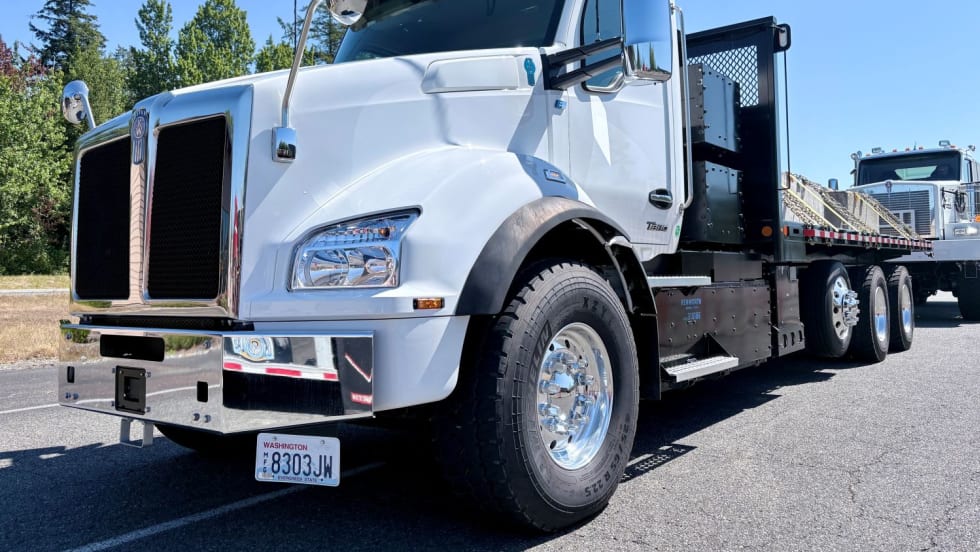
Kenworth T880E Brings EV Power to Vocational Trucks
A closer look at the Kenworth T880E’s range, charging, powertrain and upfit options — and where fleets are showing the most interest.
Read More →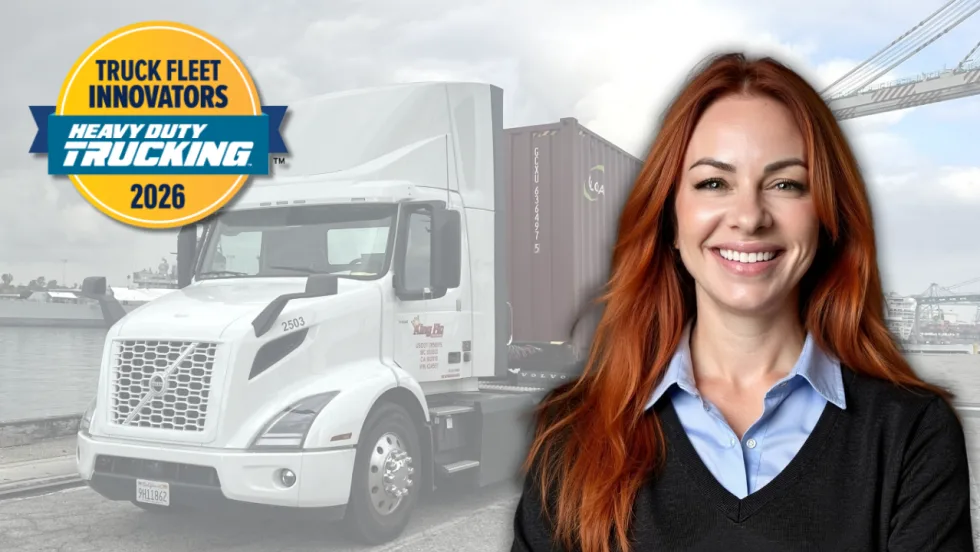
Jennie Abarca Is Proving Electric Trucks Can Do the Job
HDT Truck Fleet Innovator Jennie Abarca is building confidence in fleet electrification one load at a time while openly sharing the challenges she encounters along the way as a small-fleet owner.
Read More →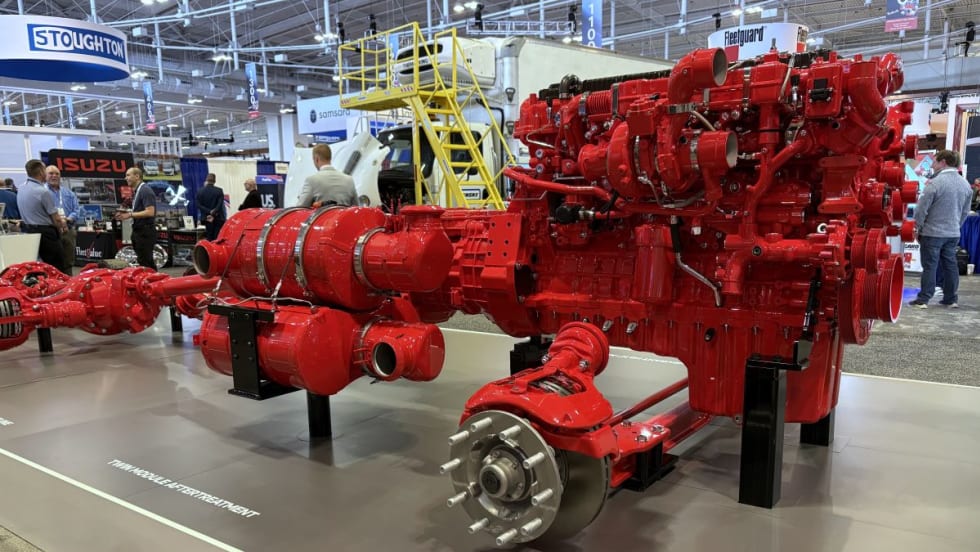
Cummins Adjusts 2027 Engine Rollout After EPA Proposal
The engine maker will gradually introduce its new Model Year 2027 diesel engines while continuing to offer current models during the transition, citing the EPA's proposed emissions rule changes.
Read More →