




Are They Watching?
Post 9/11, truckers remain alert on the job.
At the time when post 9/11 fervor was high, truckers were invited to enter the war on terror as America's eyes and ears on the nation's highways and bridges. Many drivers were fired up to do their share, and Highway Watch, the government's anti-terrorism initiative offered the means to that end.
No terrorist would go unnoticed; America's truckers were on the job.
At a 2002 truck show held in Boston, I interviewed two drivers with a national carrier who had recently completed their Highway Watch training, which is administered by the American Trucking Associations.
They were honed to the max, primed to report the whereabouts of anyone or anything suspicious. Eager and enthusiastic, both men believed they would be helping ensure their nation's security.
Move the clock ahead to May 2006 and another truck show, and the enthusiasm has taken a noticeable nosedive.
Only a handful of drivers said they'd be interested in taking the training or at least learning more. Most said they:
(a) knew little or nothing about Highway Watch,
(b) didn't need a government program to tell them what looked suspicious,
(c) had the information, but hadn't followed up on it
(d) thought the information packet and training CD were "chicken s---."
The government can't teach them something they already know, the responses went. These truckers said they don't need the feds to tell them what looks suspicious. Many have 911 and/or highway and bridge emergency report numbers programmed into their cell phones in the event they do see "something."
And, there was feedback that the government was asking more of truckers while giving nothing back. "We're working to conform to all these new regulations, but what are they doing for me?" one driver asked.
These truckers are all for patriotism. Make no mistake about that. It's just their genetics include an independence gene that rebels at governmental oversight.
"I don't always agree with the government," said a steel hauler, "and if push comes to shove I'm there for my country. But I don't need them telling me what to do."
He represents the mindset of a number of independent truck owners who believe their arms are being twisted by their lease carriers to participate in the program.
Not everyone, though, is negative about the need for stepped-up alertness.
One trucker who goes into the major ports is "stunned" every time he looks out over the vast sea of containers. "It makes you aware of what our national security is up against."
Because his cargo is mostly "high theft risk" loads, he says he already follows prescribed safety procedures, from reporting in several times a day to just being aware of what is going on around him. "Ninety percent of our clients let us park on site. I call ahead and arrange it with the customer."
A tanker owner-operator says he just "steps up [surveillance] a little bit, maybe being more aware of who is following me too long or is ‘hanging out' next to me."
Nothing in the current security landscape made one Canadian owner-operator happy. He complained about the lack of security when entering the U.S. "Trucks are not X-rayed until after they cross the bridge at Windsor. Anyone with a load of explosives could detonate it on the bridge," he said.
Once he called 911 to report a truck driver for a well-known carrier who was verbally assailing the U.S. over the CB radio and threatening to use his truck as a weapon. "A bunch of us chased him down, called it in, no one came. Don't bother calling, it's a waste of time."
Even testing a respected vehicle recovery system like LoJack made him nervous. "The idea of getting help [in recovering his truck] would be nice, but then the police would know everything I do. I might as well have an data recorder on board. It's a double-edged sword and I don't like it."
One owner-operator who routinely hauls in and out of Canada had a more positive outlook. Complaining that the process to apply and qualify for a FAST card took the better part of one entire day, he said, "It was worth the wait. Swipe in, swipe out, no more questions."
He was smiling as he walked away.
E–mail Bette Garber at BGarberPIX@aol.com, or write P.O. Box W, Newport Beach, CA, 92656.
More Fleet Management
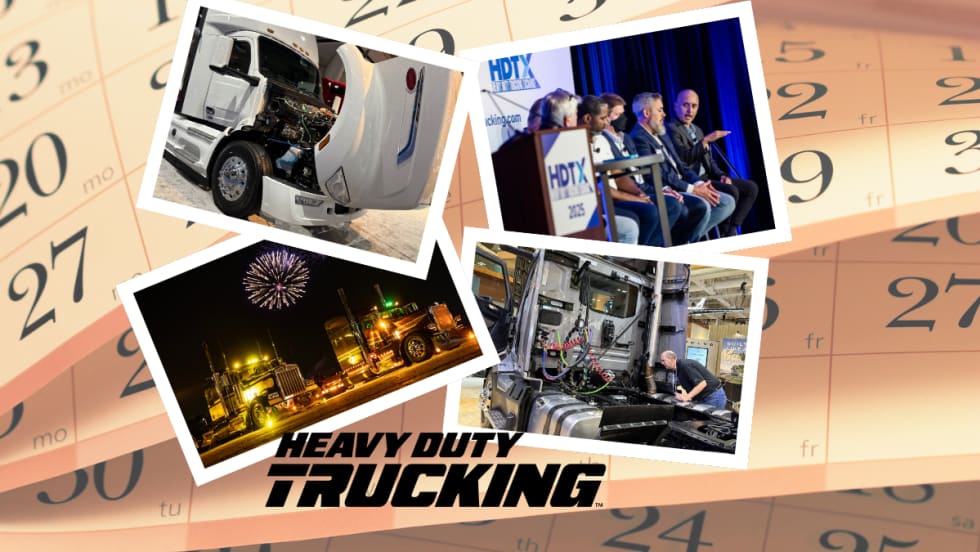
What Trucking Events are Happening in 2026?
Looking for trucking-related conventions, expos, and other events? Heavy Duty Trucking has developed this list of national and larger regional trucking shows and events.
Read More →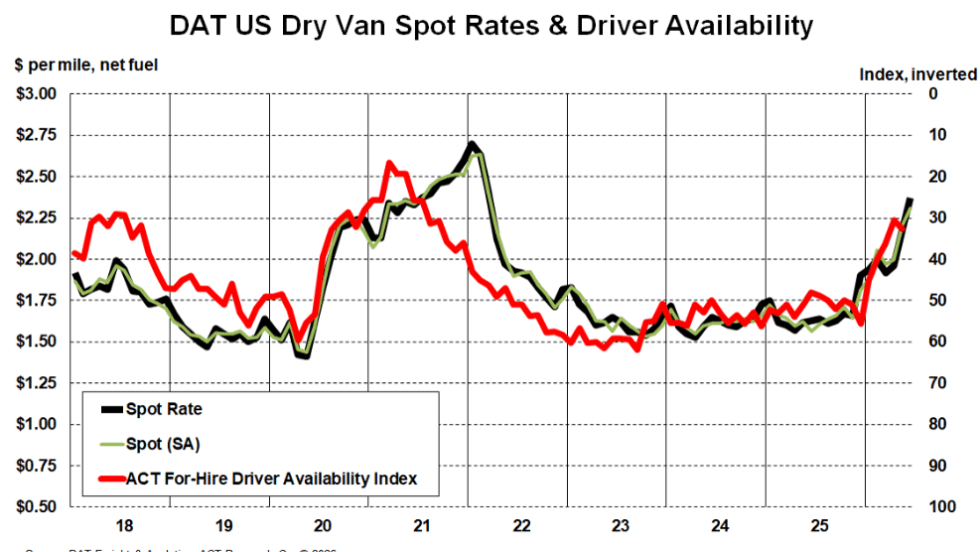
Truckload Rates Keep Rising as Tight Capacity Fuels Freight Market Recovery
Spot and contract rates continued climbing in May and June, not because freight demand is surging, but because fewer trucks and drivers are available.
Read More →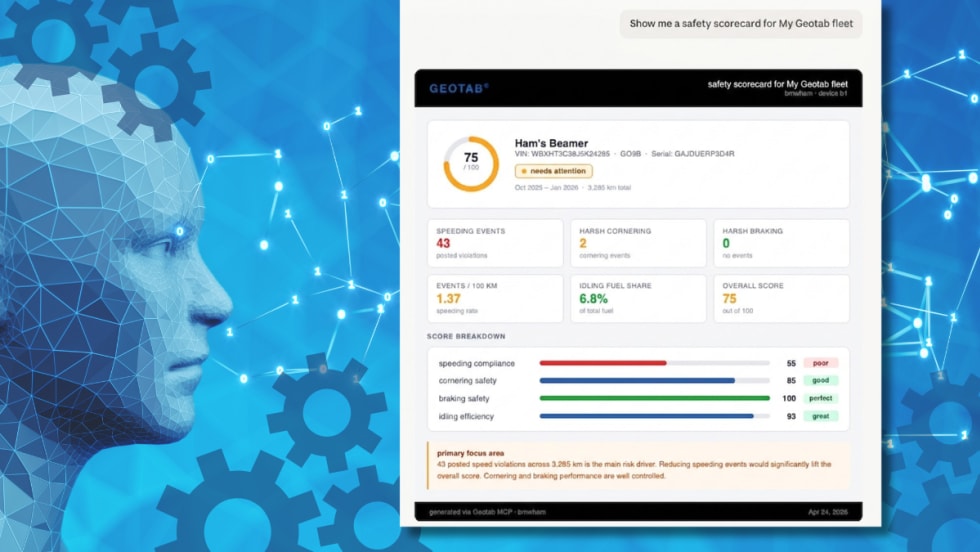
What Geotab's New AI Connector Means for Fleets
Fleets can now ask their usual AI assistants questions about maintenance, safety, fuel use, and vehicle performance, using their live Geotab data, and take action on the answers without leaving their preferred AI tool.
Read More →
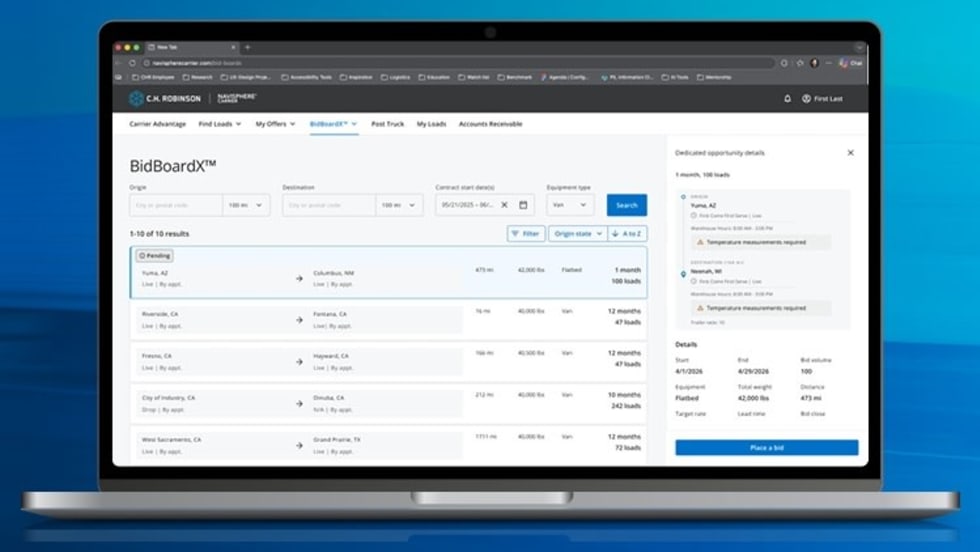
New C.H. Robinson Tool Opens Door to More Predictable Freight
BidBoardX lets carriers search, bid on, and secure committed freight opportunities through a single digital marketplace.
Read More →
New York City's Microhub Project is Delivering Results
Trucking, last-mile delivery companies, and environmental advocates like what they are seeing so far with New York's microhub program.
Read More →
Why Truck Detention Keeps Costing Fleets Time and Money
A 2024 ATRI study found detention affects nearly 40% of truckload stops and costs the industry more than $15 billion annually. Despite the toll on drivers, fleets, and supply chains, the problem remains stubbornly persistent.
Read More →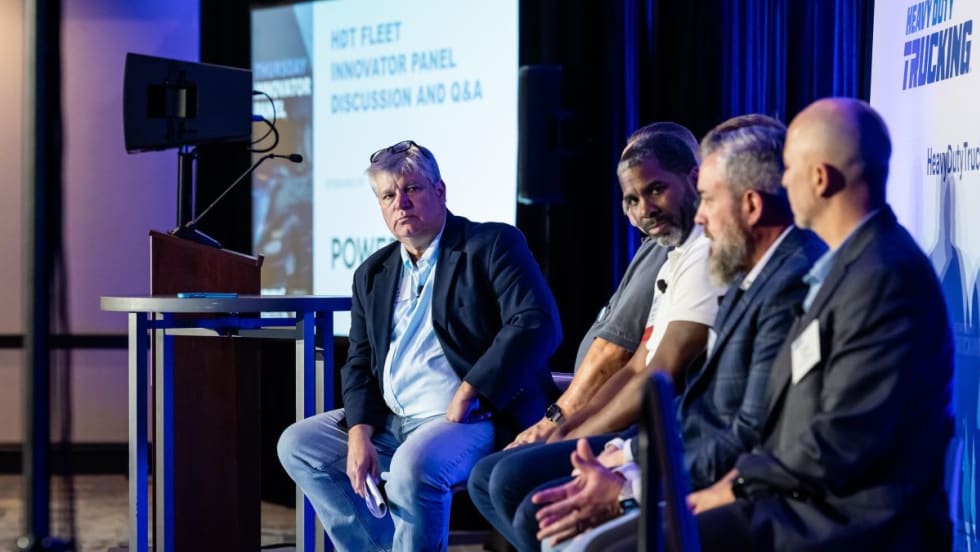
Time is Running Out to Apply for Exclusive HDT Event
Heavy Duty Trucking Exchange brings fleet managers and suppliers together for the deeper conversations that lead to ideas, partnerships, and solutions. Time is running out to apply for the September event.
Read More →
Amazon Launches Less-Than-Truckload Freight Offering for All Businesses
This launch is the latest addition to Amazon Supply Chain Services, a portfolio of supply chain capabilities from Amazon, including freight, distribution, fulfillment, and parcel shipping.
Read More →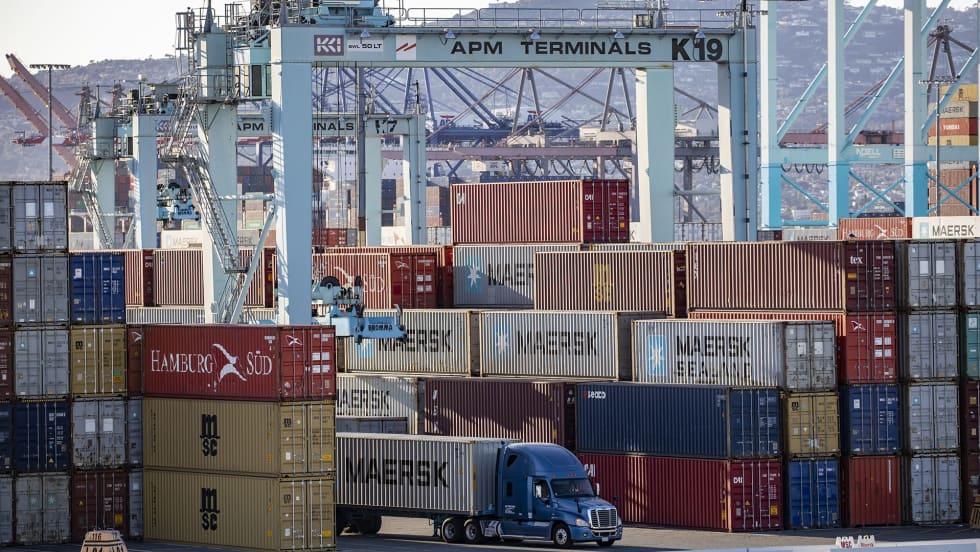
Import Cargo Volume to See Year-Over-Year Gain Again in June, Then Remain Below 2025 Levels Into Fall
After July, the report predicts a weakening in import volume as consumer uncertainty remains high and the impact of increasing inflation takes its toll.
Read More →
AUCTION OF EQUITY INTEREST IN HEAVY HAUL TRUCKING COMPANY!!
Mark your calendar: June 30, 2026 (10:00 a.m. PDT). A 37.5% ownership interest in MagnaTrans, LLC, a California limited liability company doing business as Magna Transportation Group, will be sold in an in-person and online auction to the highest bidder or bidders under Article 9 of the Uniform Commercial Code. The Rancho Cucamonga-based heavy haul and over-dimensional trucking company operates across California, Oregon, and Arizona.
Read More →