




Analyst: Natural Gas Makes Sense For Trucking Industry
While passenger cars may be well-suited to hybrid and electric technology, natural gas makes more sense for the trucking industry, and would be taking off among fleets, were it not for the economy, according to David Woodbur
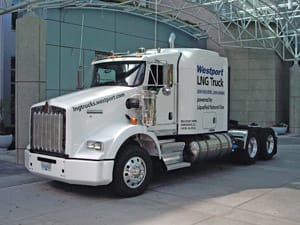
Woodburn says natural gas-powered vehicles, such as this one, make sense for the trucking industry. This Kenworth is equipped with the Westport LNG Fuel System.
While passenger cars may be well-suited to hybrid and electric technology, natural gas makes more sense for the trucking industry, and would be taking off among fleets, were it not for the economy, according to David Woodburn
, a sell-side research analyst for ThinkEquity.
As part of its Oil & Gas Production and Distribution Report, the Wall Street Transcript conducted several interviews with industry executives, including Woodburn, who was drilled on the topic of natural gas.
"I think people kind of laugh at the idea of natural gas for vehicles here in the U.S. because it might take decades to install the infrastructure to match that for diesel, let alone gasoline," Woodburn said. "But the passenger market is not really where you'd want to start anyway. The smart thing is to focus on high-volume fuel users that utilize a single or require few refueling stations."
Woodburn doesn't believe hybrid and electric vehicles will catch on with fleets because of the weight of the battery, which can reduce the carrying capacity by 10 or 20 percent, he said.
He points to a number of incentives in place to encourage adoption of natural gas, including an excise tax credit for the fuel itself of 50 cents a gallon equivalent. Federal tax credits are also available to fund the purchase of natural gas or alternative fuel vehicles. Woodburn also discusses the NAT GAS legislation, which was introduced in the House in April and in the Senate in the summer. This legislation, he said, would extend these tax credits and boost these incentives.
"So natural gas is actually getting a lot of attention in Washington," he said. "With climate legislation stalled right now, you could see some of these natural gas incentives in an energy bill or a transportation bill."
Woodburn said climate change and the issue of alternative fuels are not exactly priorities for Washington these days, with health care at the top of everyone's agenda.
"However, the natural gas industry is working hard on a promoting natural gas as cleaner and cheaper than coal and oil, and domestically sourced as well," he added.
More Fuel Smarts
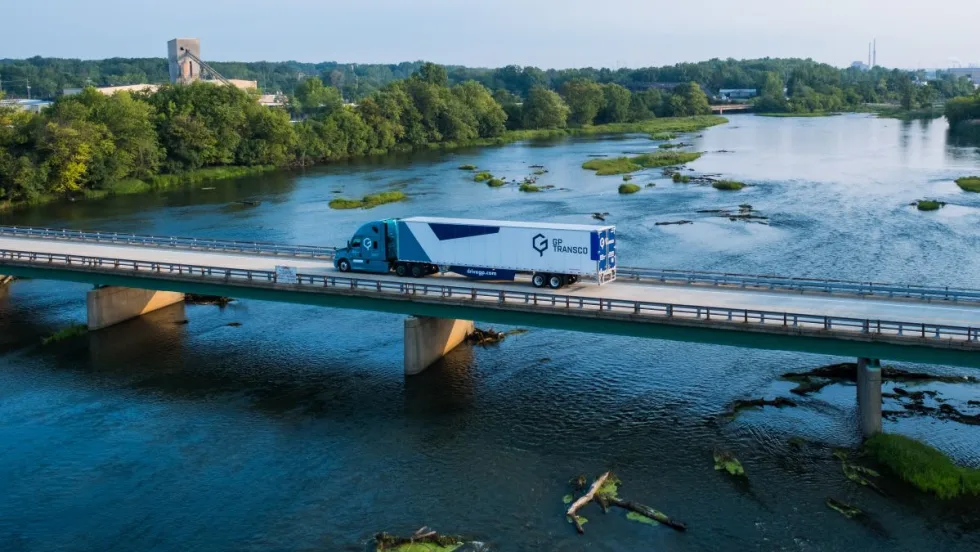
How GP Transco Builds Fuel Savings a Fraction at a Time
Aerodynamic specs, solar panels, and driver incentives help GP Transco turn small efficiency gains into savings it can reinvest in its people.
Read More →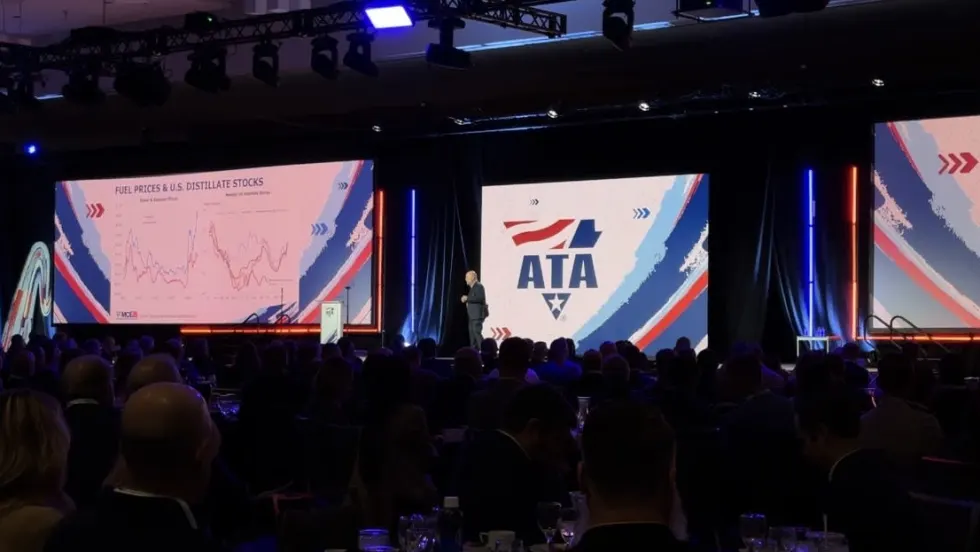
Trucking’s Diesel Squeeze Isn’t Letting Up
With diesel topping $6 a gallon nationally, ATA's Bob Costello explains why fleets should prepare for continued pressure at the pump.
Read More →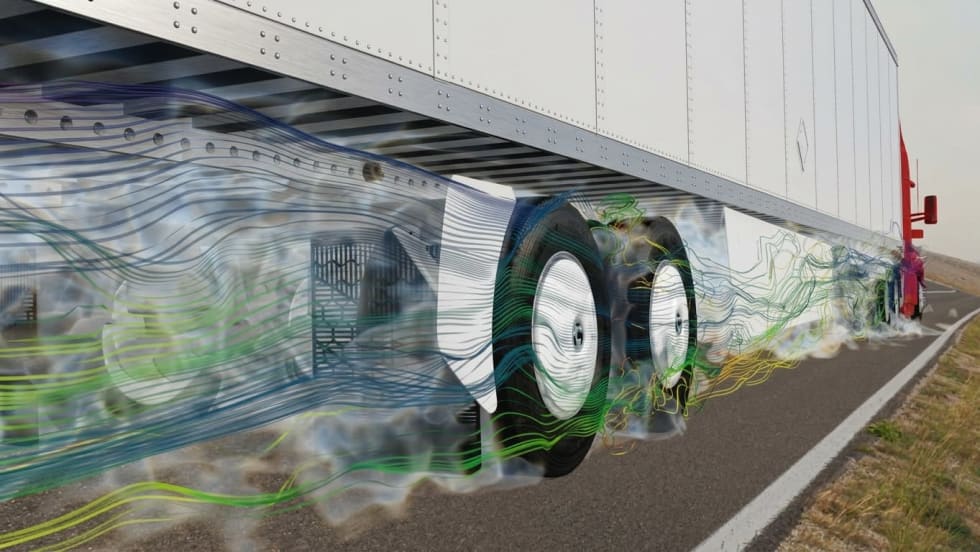
FlowBelow Redesigns Trailer AeroSlider to Cut Fuel Use
The lighter trailer aerodynamic system installs in less than 45 minutes, according to the company, with potential payback in under a year depending on fuel prices and trailer mileage.
Read More →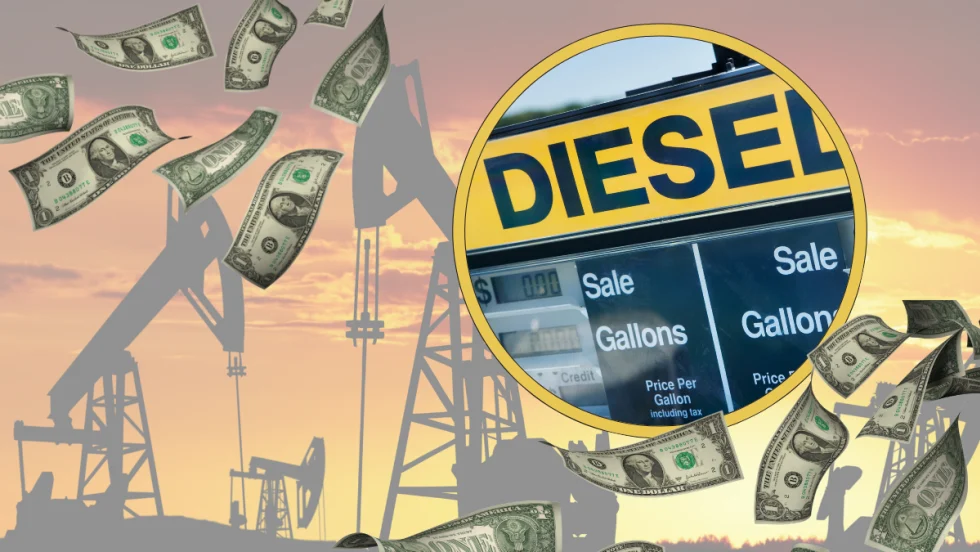
Why Diesel Price Relief Efforts May Fall Short
Diesel prices have eased from September’s record high, but doubts about additional Russian supply and limits on dyed-diesel tax relief mean trucking fleets still face expensive fuel. And prices could go higher.
Read More →
Why Small Fuel Savings Matter in Trucking
Can better fuel economy help pay for driver raises? In this podcast, GP Transco explains how small efficiency gains create room to reinvest in its people.
Read More →
How GP Transco Cuts Trucking Fuel Costs, a Tenth of a Gallon at a Time
What’s another tenth of a mile per gallon worth? GP Transco shares how equipment upgrades and driver coaching turn small gains into meaningful fuel savings.
Read More →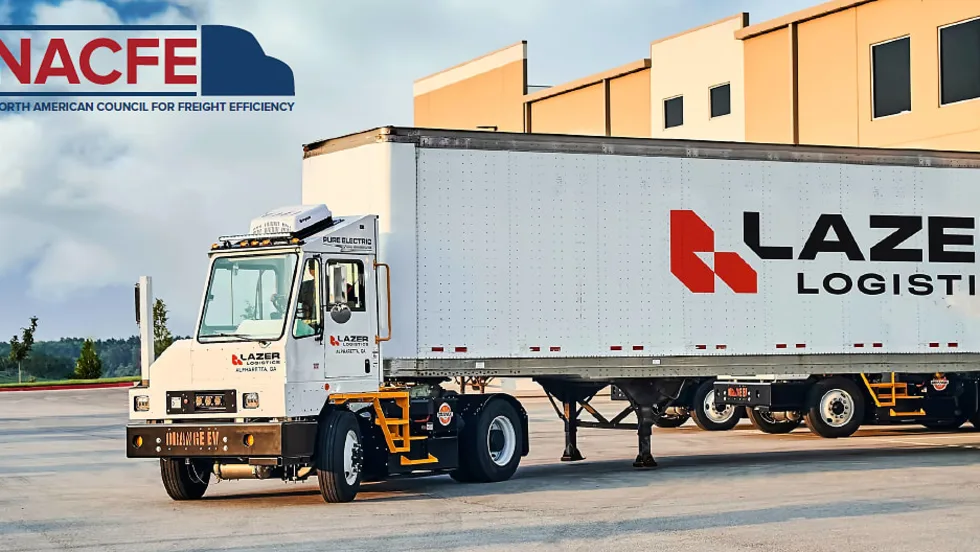
Electric Yard Tractors Move Beyond Pilots
Operating-cost savings have overtaken sustainability goals as the leading reason surveyed fleets are adopting battery-electric terminal tractors, according to new NACFE research.
Read More →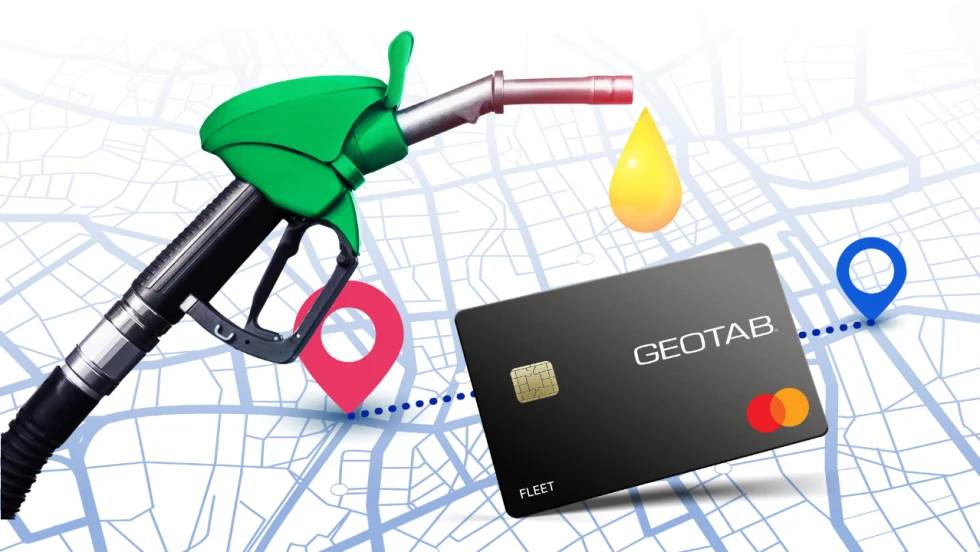
Geotab Links Fleet Card to Vehicle Data
The new card combines fuel discounts with telematics-based purchase controls. Geotab’s analysis also points to potential savings from choosing lower-priced fuel stops.
Read More →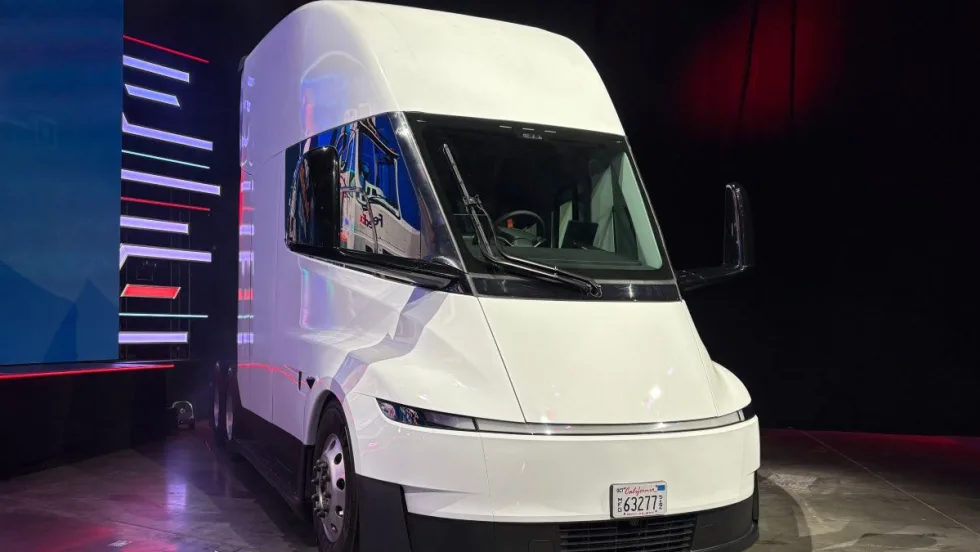
Fleet Economics Shape Electric Truck Outlook
ACT Research expects costs, charging infrastructure, and technology improvements to drive zero-emission commercial vehicle adoption as federal regulations and incentives retreat.
Read More →
Wex Adds Cardless Fuel Payments for Over-the-Road Customers
A new fuel card feature for Wex customers offers convenience and security.
Read More →