




Alternative Power Industry Glossary of Terms
All Electric Range - the distance or time that a vehicle can drive in all electric mode without engaging another means of powering the vehicle
All Electric Range - the distance or time that a vehicle can drive in all electric mode without engaging another means of powering the vehicle.
Battery Cell - an assembly of at least one positive electrode, one negative electrode and other necessary electrochemical and structural components. A cell is a self-contained energy conversion device whose function is to deliver electrical energy to an external circuit via an internal chemical process.
Battery Management System - Electronic components needed to provide communications between the battery pack and other vehicle components. It may also monitor and/or control other battery functions (watering, temperature, electrolyte flow, etc.). It may also provide an operator interface.
Battery Pack - interconnected battery modules that have been configured for a specific energy storage application.
Battery System Components - the components comprising a traction battery system in an electric vehicle. These include the battery modules, interconnects, venting systems, battery restraint devices, electronic controls, and the battery box or container that holds the individual battery modules.
Cycle Life - the number of cycles each to specified discharge and charge termination criteria, under a specified charge and discharge regime that a battery can undergo before failing to meet its specified end of life criteria.
EV Charging System - the equipment required to condition and transfer energy from the constant frequency, constant voltage supply network to the direct current, variable voltage EV traction battery bus for the purpose of charging the battery and/or operating vehicle electrical systems while connected.
Full Hybrids or Dual Mode Hybrids - this system often utilizes an electric motor as the sole source of propulsion for low-speed, and low-acceleration driving. The combustion engine is utilized during a determined demand or speed. The electric-only driving mode can further increase fuel efficiency under some driving conditions.
Gradability - the maximum percent grade which the vehicle can traverse for a specified time at a specified speed at a specified weight.
HEV (Hybrid Electric Vehicle) - a vehicle powered by two systems - one an electrochemical device and another form of engine such as a diesel internal combustion engine.
Hoteling for Heavy Truck - idling of long-haul heavy-duty trucks during mandated rest periods.
Hybrid - a vehicle with two or more energy storage systems both of which must provide propulsion power - either together or independently.
Parallel Hybrid - a hybrid vehicle which has multiple propulsion systems that can be operated independently or together.
Peak Power - the maximum power obtainable from a cell or battery for a specified period of time when discharged at constant current, generally determined as a function of the depth of discharge.
Powertrain - the elements of a propulsion system that converts electrical energy from a battery to mechanical energy at the wheels of a vehicle. It includes all drivetrain components, plus an electrical power inverter and/or controller but not the battery system.
Regenerative Braking - a conversion of vehicle retardation force stored in the rechargeable energy system. Also known as "regen" braking
Series Hybrid - a hybrid vehicle in which both sources of energy go through a single propulsion device.
ArvinMeritor White Paper
More Fuel Smarts
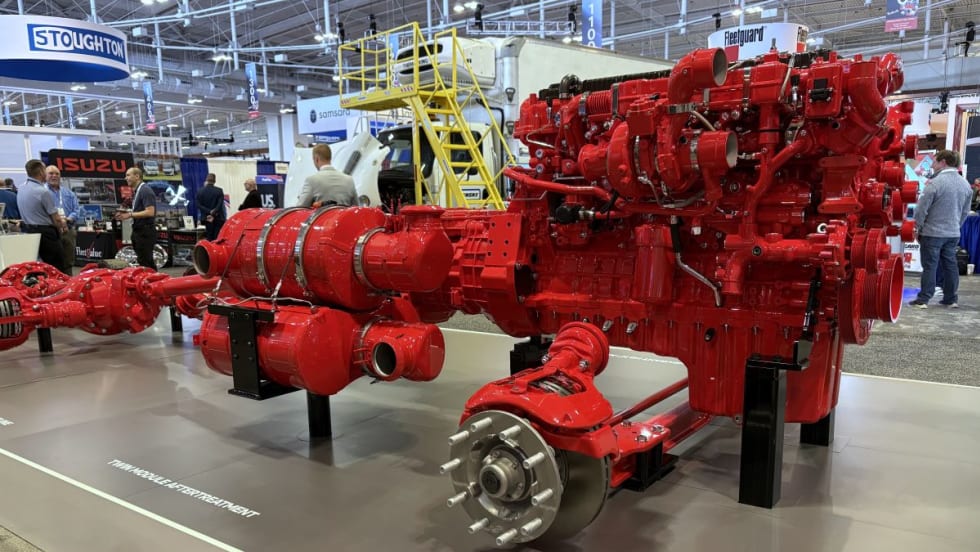
Cummins Adjusts 2027 Engine Rollout After EPA Proposal
The engine maker will gradually introduce its new Model Year 2027 diesel engines while continuing to offer current models during the transition, citing the EPA's proposed emissions rule changes.
Read More →
EPA Proposal Could Ease 2027 Truck Costs and Buying Uncertainty
The proposal doesn't change the tougher NOx standard, but it would revise key implementation requirements that manufacturers say have driven up costs and complicated fleet purchasing decisions.
Read More →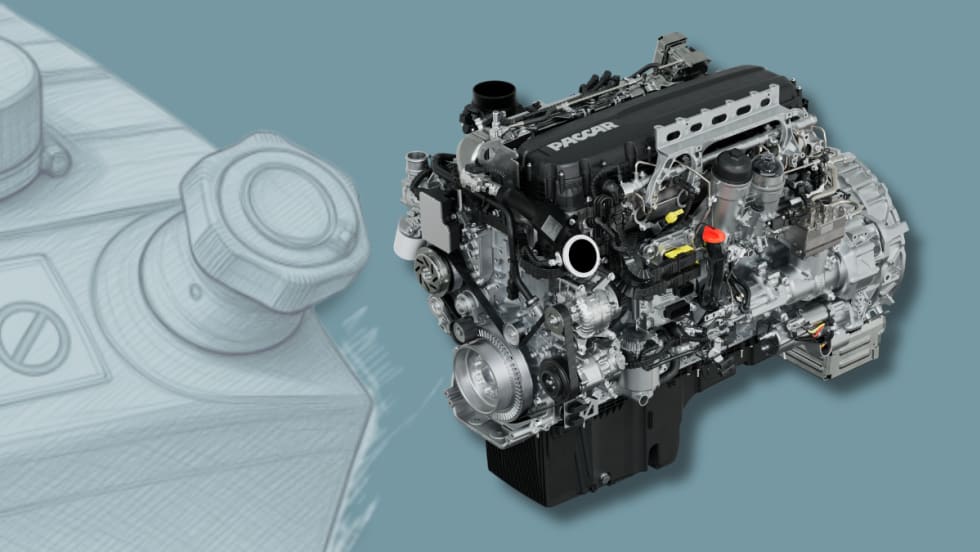
Cummins, Paccar Ease DEF Derates After EPA Guidance
Updated diesel engine software gives truck operators more time to address emissions-system issues while staying compliant with EPA emissions standards.
Read More →
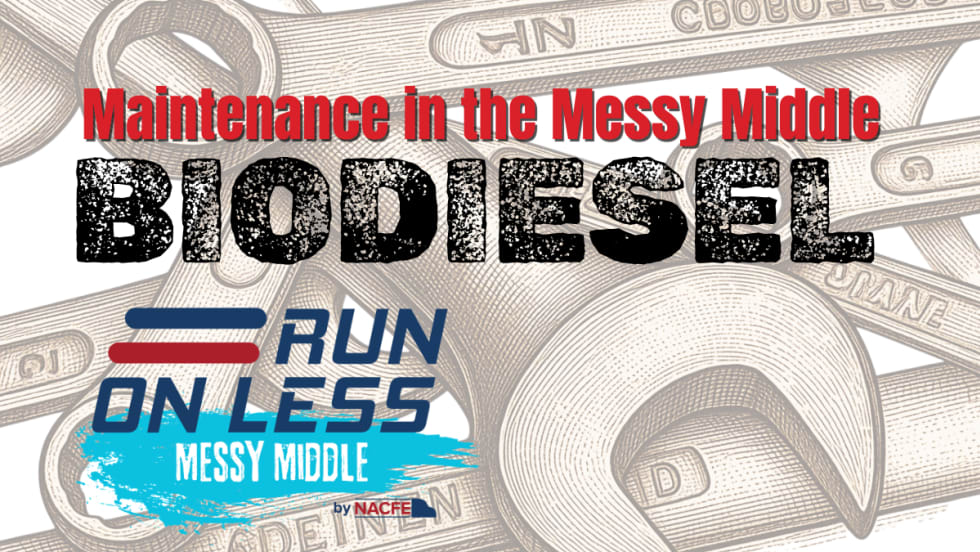
Maintenance in the Messy Middle Part 3: Biodiesel
Biodiesel can reduce emissions, improve fuel-system lubricity and use existing diesel infrastructure. But NACFE’s Messy Middle maintenance report says fleets must actively manage storage, cold-weather operation, filters and oil drain intervals to avoid problems.
Read More →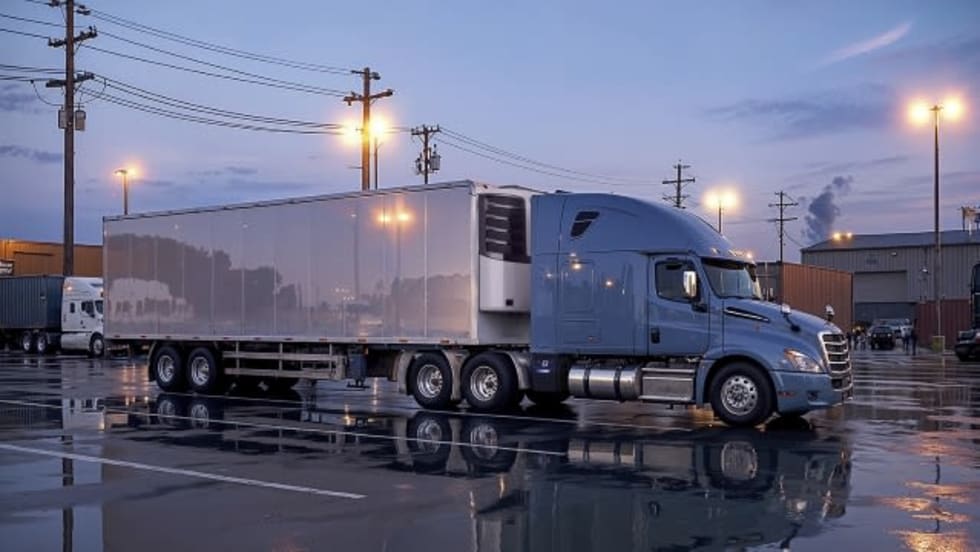
Enhance Fleet Performance with High-Efficiency Auxiliary Power Units
Drive sustainable cost savings while increasing driver comfort during short- and long-haul logistics operations.
Read More →
Maintenance in the ‘Messy Middle’ Part 2: Renewable Diesel Fuel
NACFE's latest Messy Middle Powertrain Service & Maintenance report says renewable diesel gives fleets an opportunity to reduce carbon emissions without changing trucks, fueling infrastructure or maintenance practices. But technicians still need to understand several important operational differences.
Read More →
The Diesel Engine Enters NACFE’s ‘Messy Middle’
NACFE’s new Messy Middle Powertrain Service & Maintenance report says keeping modern diesel engines running now depends as much on software, diagnostics and data as traditional mechanical service.
Read More →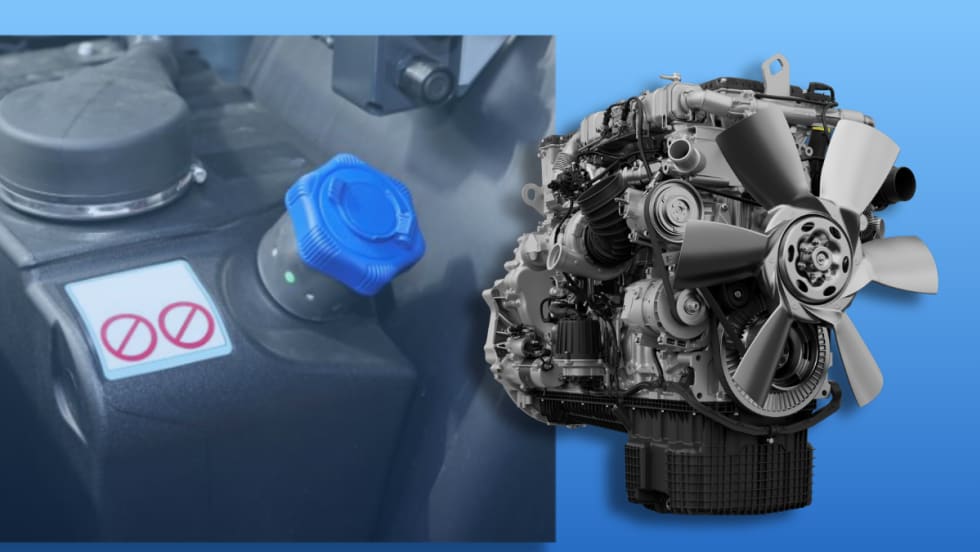
DTNA Software Update Gives Truckers More Time Before DEF Derates Take Effect
The changes reflect EPA guidance aimed at reducing downtime caused by emissions-system faults while maintaining compliance requirements.
Read More →
New Agentic Predictive Maintenance Report Demonstrates How Degraded Aftertreatment Systems Waste Fuel
Questar analyzed a large mixed-class fleet and discovered it was wasting as much as $30 in fuel per vehicle, per day, because of mechanically degraded aftertreatment systems.
Read More →
New York City's Microhub Project is Delivering Results
Trucking, last-mile delivery companies, and environmental advocates like what they are seeing so far with New York's microhub program.
Read More →