




4 Trends Affecting the Future of Commercial Tires
How are trucking trends going to affect the commercial tires you buy in the future?
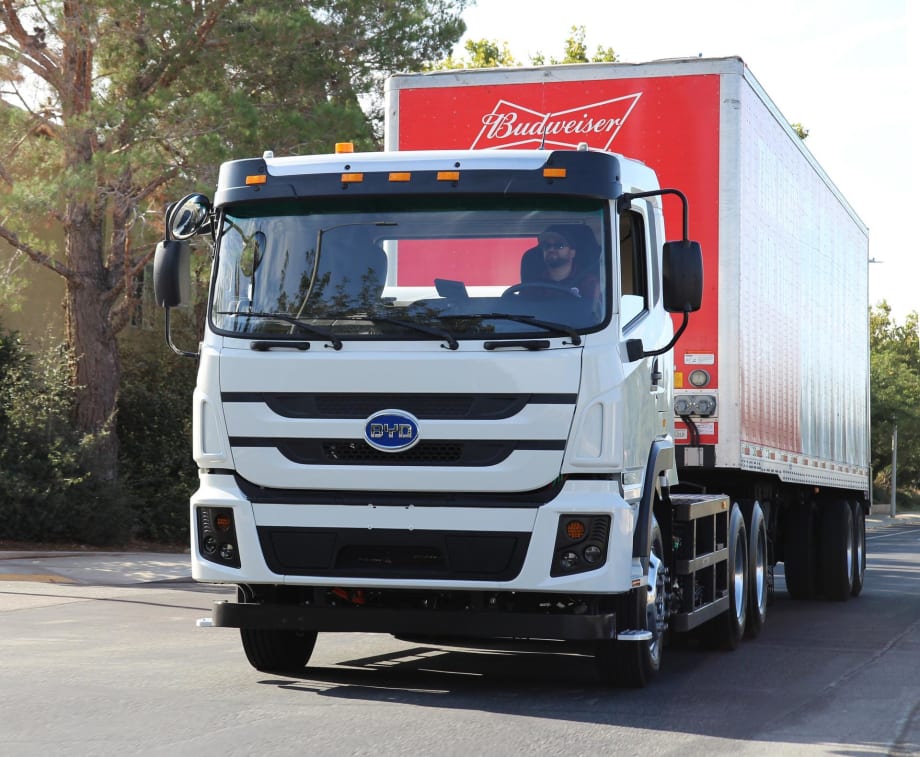
What will electric trucks mean for commercial tires?
Photo: BYD
How are trucking trends going to affect the commercial tires you buy in the future? We asked tire makers for their predictions.
“We operate in a dynamic and evolving industry,” says Ben Johnson, director of TBR brand and channel marketing, U.S. and Canada, for Bridgestone Americas Tire Operations. “Automation, electrification, and changing consumer trends will continue to impact the industry at large. The needs of fleet customers are evolving as a result. Delivering top-performing tire products won’t be enough to meet a fleet’s needs in the future.”
As Goodyear looks to the future, it believes there will be growth in fleets, autonomous, connected, and electric (FACE) vehicles — all of which will likely impact truck tires.
“We anticipate higher load capacity for the same size tires as EV manufacturers look for ways to accommodate battery weight,” said Dustin Lancy, commercial product marketing manager, regional/urban for Goodyear.
1. Maximizing Uptime and Tire Costs
Johnson predicts that fleets increasingly “will look to partner with manufacturers and service providers who can help them maximize their tire assets through tire-centric solutions that improve safety and efficiency and make preventive tire maintenance easier.”
Fleets are shifting more and more toward the lowest overall driving cost approach, rather than just looking at up-front tire prices, says Tom Fanning, Continental’s U.S. market manager for truck and bus tires.
“Shifting to the lowest overall driving cost approach means seamlessly collecting and analyzing tire data to evaluate and improve performance,” Fanning says. “We also see an increasing need to monitor and predict the impact of other factors, such as driver behavior and vehicle maintenance.”
Dan Funkhouser, vice president of commercial sales at Yokohama Tire, adds that “no matter what new technologies are in store, fleets will always be looking for tires that offer the lowest total cost of ownership and get the job done.”
Part of lowest total cost of ownership is low-rolling-resistance tires that offer improved fuel economy and meet greenhouse gas regulations, so the industry has a high demand for low rolling resistance products that can handle heavy loads.
“This vehicle trend first started in urban, pickup and delivery areas, and Hankook has already adapted to the change by adjusting load index development,” says Robert Williams, vice president of TBR sales for Hankook Tire America.
2. Last-Mile Delivery Needs Tires up to the Challenge
“Light- and medium-duty sales continue to expand with the growth of Amazon and other last-mile delivery fleets,” says Dan Funkhouser, vice president of commercial sales at Yokohama Tire.
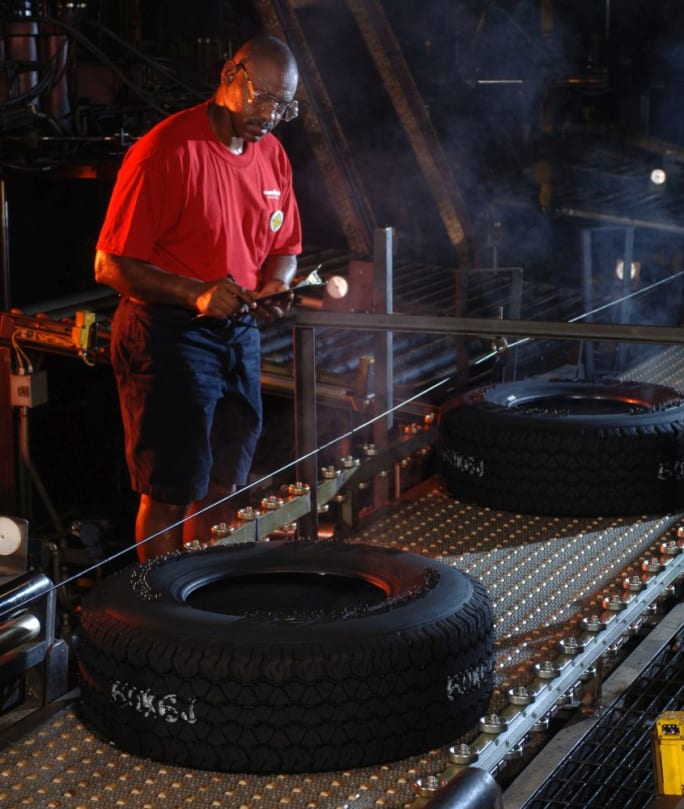
As Goodyear looks to the future, it believes there will be growth in fleets, autonomous, connected, and electric (FACE) vehicles — all of which will likely impact truck tires.
Photo: Goodyear
The growth of e-commerce has leaped 10 years in just a few short months, says Chris Novak, business model leader urban mobility for Michelin North America. “Over time, the commercial light-truck tire market is growing at a much faster rate than the large truck tire market,” he said, noting this is also true for medium-duty truck tires.
“Final-mile fleets have been bolstered by the drastic increase in online purchases,” says Dave Johnston, senior manager commercial business and product development for Toyo Tire U.S.A. “More commercial van fleets are coming onstream and looking for ways to improve their efficiencies. The 19.5-inch segment of the trucking industry is expected to continue to grow as fleets look to these platforms to attract drivers to the trucking industry and capitalize on the versatility of the upfitting available.”
“We’ll continue to see an increase in delivery truck tire sales, as well as new segments being created as manufacturers strive to carve out additional market share for themselves,” says Bob Klimm, director, truck and bus radials, for Falken Tires. “One example of this is a trend with three-peak mountain snowflake (3PMSF) commercial truck tires. In the past, commercial tires were seemingly exempt from snow traction testing to achieve 3PMSF. But we’ve started seeing more brands adopt this marking to appeal to fleets operating in regions that experience inclement weather."
As e-commerce continues to grow, the medium-duty segment is an emerging segment, says Gary Schroeder, Cooper Tire executive director, Global Truck and Bus Tire Business. For tire makers, he says, “having a complete tire portfolio meeting needs of Class 1 through Class 8 vehicles in delivery fleets is key. The use of national account programs for super-regional and national fleets will grow in importance.”
3. Electric Vehicles Need Tires Too
As electric trucks inch closer to day-to-day reality, Cooper’s Schroeder notes that the differences in torque produced by a combustion engine compared to an electric motor produces will impact tire design — both tread patterns and compounds.
“Most likely tread patterns will be impacted the most,” Schroeder says.
Last-mile delivery and refuse applications are two vocations that are positioned to start using electric vehicles in the near term.
“EVs align to these vocations nicely because they can return to their yards daily for charging. They can install the charging infrastructure needed and charge vehicles each night before they are used for service the following day. Miles to removal, start/stop traction, and scrubbing remain among the top tire needs for these fleets,” says Goodyear’ Lancy.
4. What Happens to Tires When There's No Driver?
Further out on the horizon than electric trucks are autonomous vehicles, whether fully “self-driving” or in a scenario such as an automated platoon where the second driver can take a nap while his truck follows the leader.
“Limitations currently in effect for driver work hours will not have the same impact with autonomous vehicles, possibly increasing travel hours in a day for trucks, putting a premium on tire life as well as the economy,” says Falken’s Klimm.
Perhaps the biggest challenge will be ensuring industry standards are in place for “smart” tires, says Cooper Tire’s Schroeder. “Like the automotive industry adopting AIAG back in the early 1990s to provide some commonality in vehicle standards, the trucking industry should consider something similar. For each OEM and tire manufacturer to develop their proprietary systems may have short-term benefits. Still, in the long run, it presents much complexity for fleets to be familiar with all the different methods.”
Goodyear’s Lancy predicts that the rise of autonomous and connected vehicles “will place significant importance on sensor technology and data-driven approaches to achieving consistent and predictable performance across various states of the tire lifecycle.”
Goodyear recently inked a deal with TuSimple to study how autonomous trucks will affect tires. Not only will Goodyear provide tires and repair services; the two companies also will conduct wear studies designed to understand how autonomous trucks and tires can help better predict maintenance, understand tire longevity and reduce the carbon impact of fleets. The study will also deliver insights into the difference between an autonomous and human driver with respect to the tires.
“The industry will likely open to autonomous driving once infrastructure and regulations are set,” says Hankook’s Williams, “and this will include the TBR industry, in which case trucks will be driving much longer than they used to. Tire endurance will become a significant factor. We predict that non-pneumatic tires will become more popular because of this.”
However, Grant Edgeley, market forecast and insights manager for Michelin North America, doesn’t anticipate that autonomous trucks will become widely used until 2025, at least.
“When autonomous trucks do become more widely used, we anticipate a balance in tire demand as more efficient driving and more regularly scheduled preventive maintenance will occur, offset by increased truck usage, as truck driver breaks will be less of a constraint to total ‘on the road’ driving time.”
Lauren Fletcher is Executive Editor of Work Truck magazine. Portions of this appeared in a Work Truck feature, State of the Commercial Truck Tire Industry.
More Equipment

More Trailer Data Through the Same Seven-Way [Video]
Can trucking’s standard seven-way connector handle more cameras and trailer data? Grote’s Adam Slade shows HDT how the company is using new technology with its 4See trailer system, not only to add a new backup camera but also to expand other capabilities — without adding another connection.
Read More →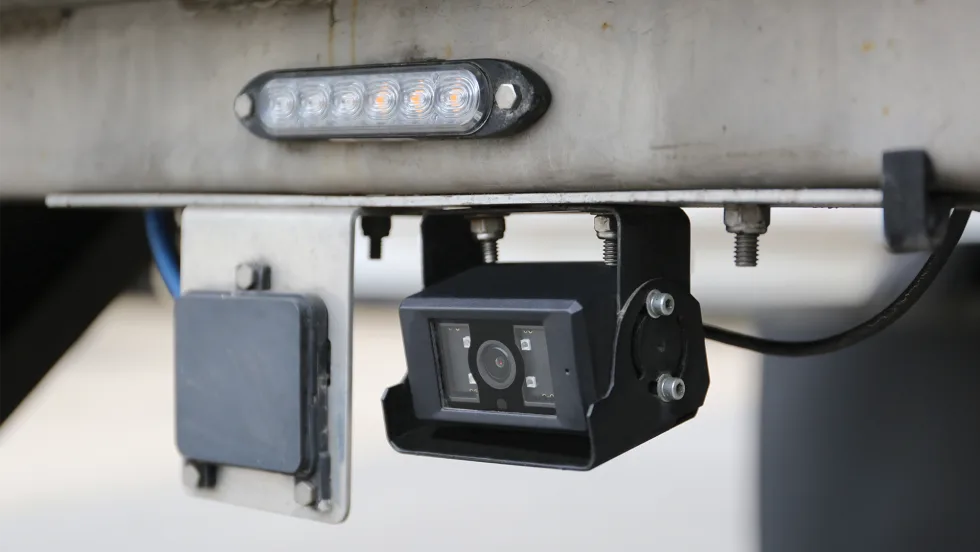
Grote: More Cameras, Same Seven-Way Connector
The next-generation 4See rear-view backup camera from Grote uses the standard seven-way connector and supports additional cameras and other trailer data.
Read More →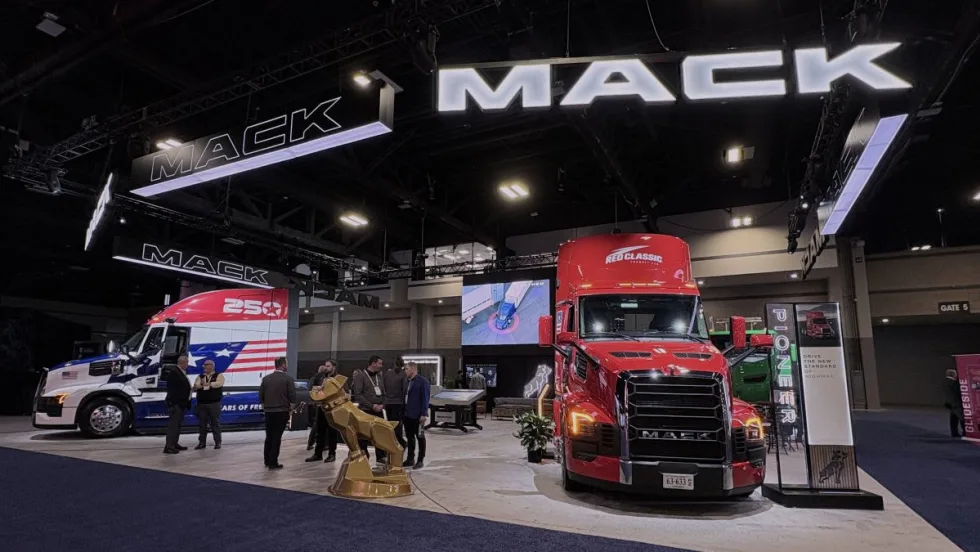
Trucks at ATA's 2026 MC&E in Charlotte, North Carolina [Photos]
From rigs decked out in patriotic America's 250 paint schemes to autonomous trucks and more, check out these photos from ATA's 2026 Management Conference & Exhibition.
Read More →
Help HDT Find Trucking’s Top Products
Have you come across a new product that could make a difference for trucking fleets? Nominate it for HDT’s 2027 Top 20 Products Awards by November 9.
Read More →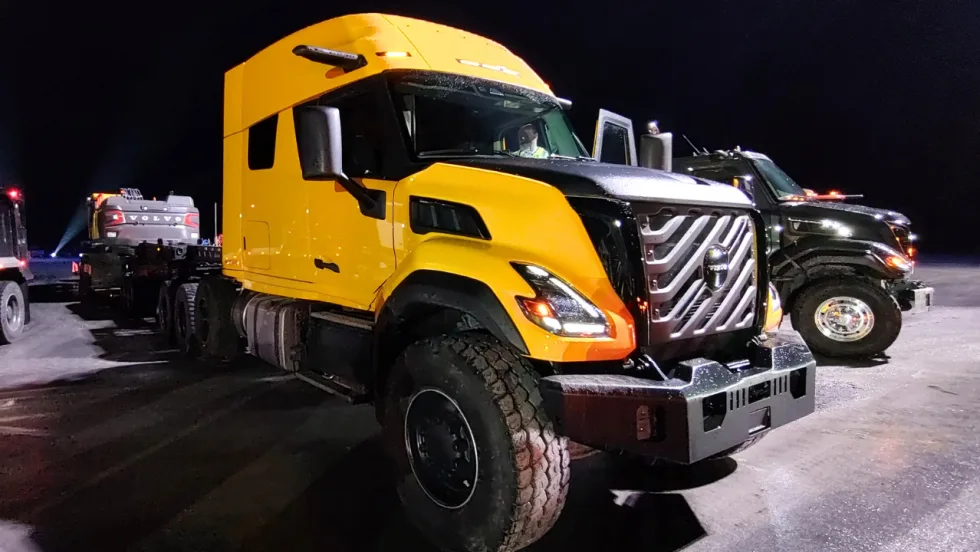
Volvo Unveils New VNX Heavy-Haul and Vocational Truck
Volvo Trucks has launched the VNX, a new vocational truck also available as a tractor in day cab and two sleeper configurations, with one heavy-haul model. The Volvo VNX is powered by Volvo's D13 platform, which delivers up to 540 horsepower and 1,950 pound-feet of torque and is EPA 2027-compliant.
Read More →
How GP Transco Cuts Trucking Fuel Costs, a Tenth of a Gallon at a Time
What’s another tenth of a mile per gallon worth? GP Transco shares how equipment upgrades and driver coaching turn small gains into meaningful fuel savings.
Read More →
Electric Yard Tractors Move Beyond Pilots
Operating-cost savings have overtaken sustainability goals as the leading reason surveyed fleets are adopting battery-electric terminal tractors, according to new NACFE research.
Read More →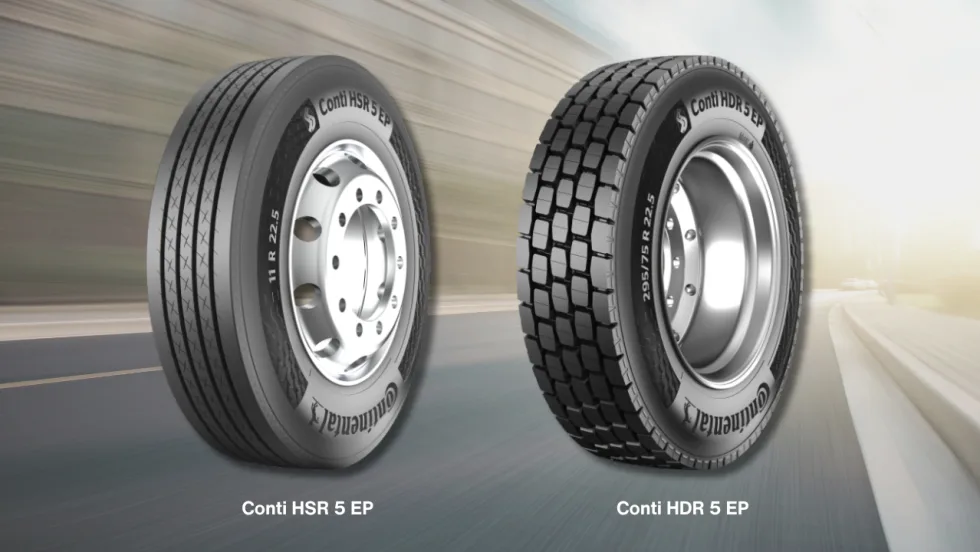
Continental Introduces New Regional Truck Tires
Continental says its new Generation 5 steer and drive tires for regional operations offer longer tread life, with estimated mileage gains of 22% and 19%, respectively.
Read More →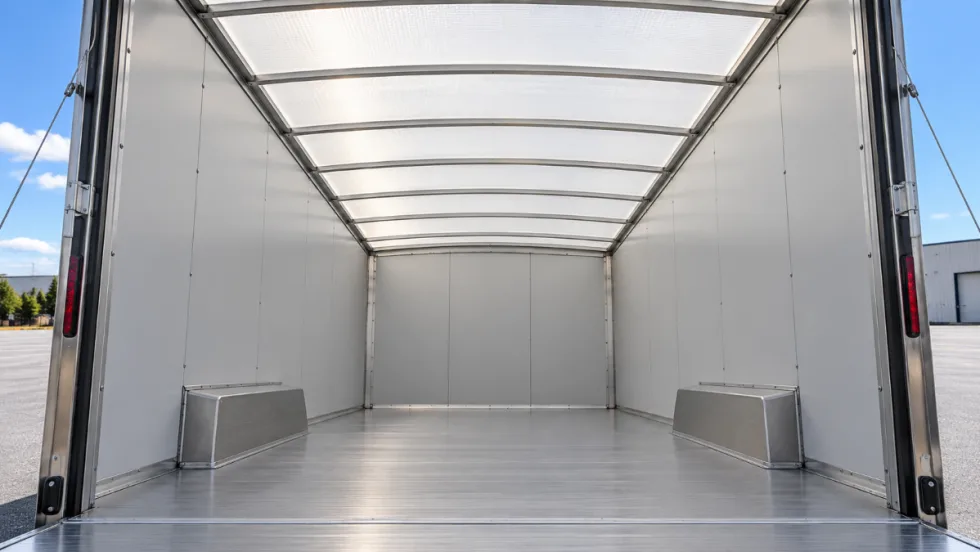
Tekmodo Introduces CargoBright Brand for Translucent Trailer Roofs
CargoBright is designed to diffuse daylight across the cargo area while performing as a working vehicle roof.
Read More →
Fleet Economics Shape Electric Truck Outlook
ACT Research expects costs, charging infrastructure, and technology improvements to drive zero-emission commercial vehicle adoption as federal regulations and incentives retreat.
Read More →