




2010 Technology Choices
To meet 2010 diesel emissions standards, it comes down to understanding the choices and making informed decisions.


The message at the Daimler Trucks North America press breakfast during the recent Mid-America Trucking Show was clear and unequivocal: the Detroit Diesel engines in the Freightliner, Sterling and Western Star brands are going to have selective catalytic reduction (SCR) at the next emissions step in 2010.
And the message was equally clear at the neighboring Navistar International exhibit: MaxxForce 11- and 13-liter engines are going to be all exhaust gas recirculation (EGR). Cummins dropped a bombshell late last year when it said the 2010 solution for ISX would be extended EGR.
So we have the engine manufacturers aligning up with different technology paths. Some commentators – read magazines – are saying it's going to be a fight to the finish.
But despite the rhetoric, it's not.
Michael Delaney, vice president of sales and marketing for Freightliner, Sterling and Western Star, spent a great deal of time underscoring not only that the SCR technology works, but also that fear-mongering by the EGR camp, suggesting the urea reagent Diesel Emissions Fluid, or DEF, will be available only sketchily at its introduction, is simply groundless.
And that is surely the case if you look at the number of SCR proponents. AB Volvo brands Volvo and Mack have declared for SCR. Paccar also has for its upcoming Paccar 12.9-liter MX, which will be the standard engine in Peterbilt and Kenworth come 2010.
But it's not only commercial vehicles that will be embracing the technology. By 2010 we will see a whole slew of diesel-powered passenger cars in the market as manufacturers and buyers seek the efficiency of diesel power as a backstop to escalating fuel prices and CAFE fuel economy mandates. Mercedes Benz and Volkswagen, General Motors and Ford all have committed to diesel and, for sure, the German car makers will be using SCR technologies. Just add up all those dealerships and you'll have better than 3,000 service points for obtaining DEF.
But the truckstop industry is not backward when it sees a revenue opportunity, and DEF will represent precisely that.
On the other hand, the SCR reagent is used so sparingly, perhaps the truckstop industry will take a wait-and-see approach, to gauge what sort of demand there may be.
DEF is used at only 3 percent, so it is likely that even the small urea tank will only need to be topped off every two or three times a truck's diesel tanks need filling. Is that going to be such a chore that drivers won't do it? They already top off the windshield washer fluid. Why would they not attend to the SCR tank as well, especially since the truck will gradually slow, then stop, if the urea tank runs dry?
Cummins is betting over-the-road fleets will believe this extra task will be a problem, opting for an EGR-only solution for the ISX. However, for the smaller Cummins engines that typically power medium-duty and vocational trucks, Cummins has an SCR solution. The theory is that these trucks get home at night, and the DEF can be refilled at the terminal. Wait a moment: That's yet another source of availability for the urea reagent.
Dee Kapur, president of the truck side of Navistar International, indicated that the EGR technology solution is better because it does not involve the addition and associated cost of a DEF tank and catalytic chamber.
That's true, as is the fact that drivers are going to have to keep an eye on the DEF fluid gauge on the dash. But development of the EGR technology to get down to the next round of NOx emissions won't come cheap. There will be an increased cost for all engines come 2010, maybe less for the engine installed with only EGR than one with the SCR add-ons.
The SCR proponents point to the success they have enjoyed in Europe since SCR technology was introduced with Euro 4 emissions standards in 2005. To date there are well in excess of 100,000 heavy trucks running with SCR very successfully.
More importantly, say the SCR proponents, the aftertreatment of the exhaust allows for optimization of the engines. That means better fuel economy to offset any higher equipment cost of the technology. As we're staring at $4 diesel fuel, is anyone betting the price is going to go down?
Which technology is best is not a battle. But it does come down to users understanding what the technologies do and making informed choices.
More Fleet Management
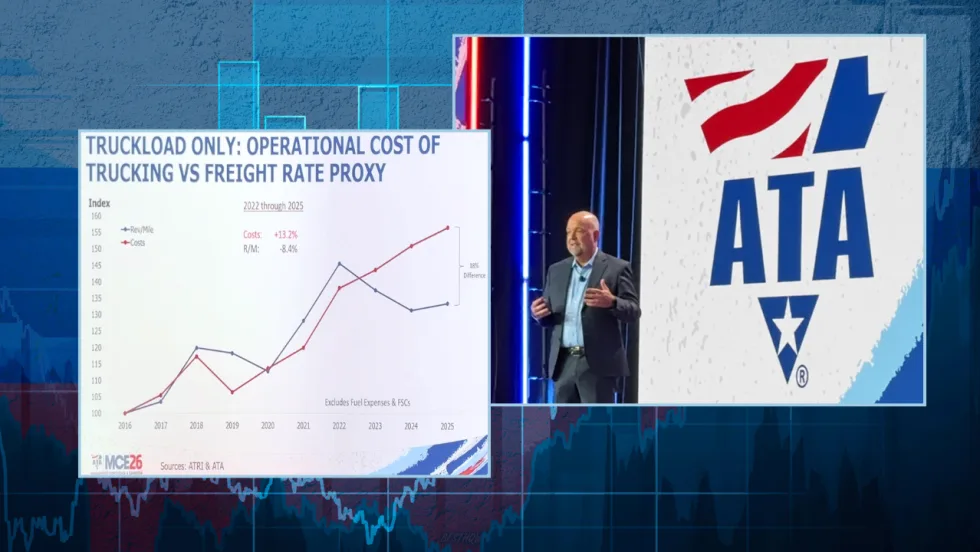
Why This Trucking Recovery Is Different
Freight demand remains sluggish, but rising costs and tougher enforcement have taken enough capacity out of the market to change the outlook for motor carriers.
Read More →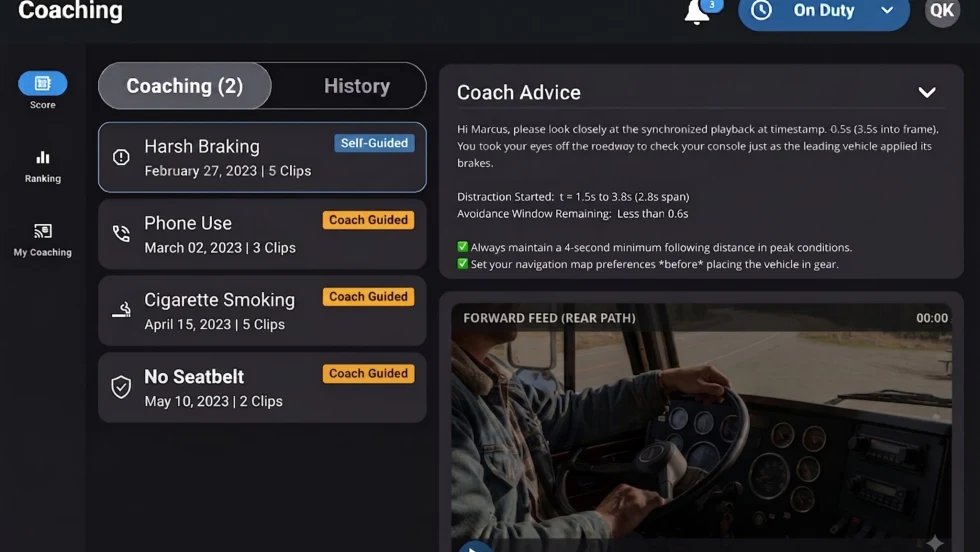
Platform Science Adds Dispatch and Safety Tools
Four additions to PS Fleet help fleets monitor loads, manage driver coaching, share truck locations and adjust video system settings.
Read More →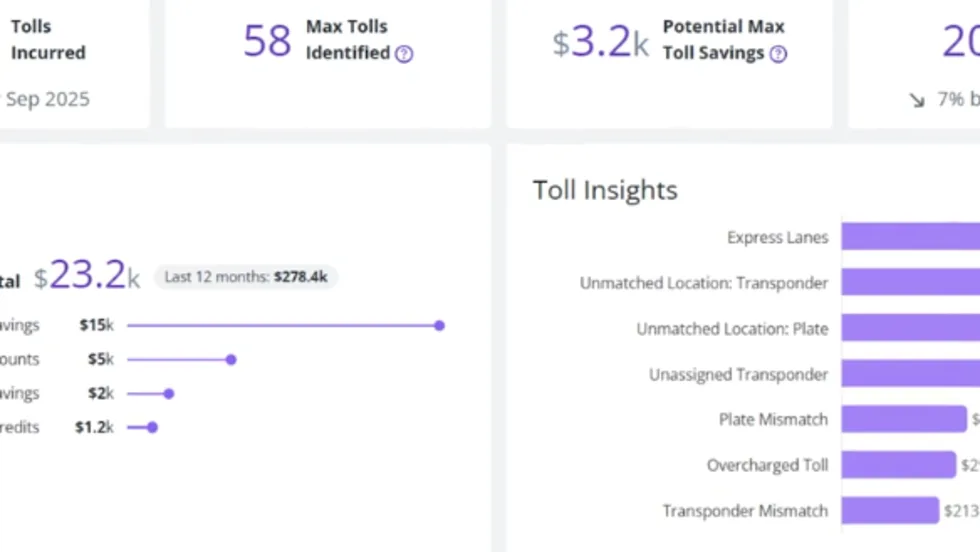
PrePass Intelligence Mines Fleet Bypass, Toll and Safety Data
PrePass Intelligence helps fleets measure bypass savings, flag potential toll overcharges, and spot suspicious transactions by combining data from separate systems.
Read More →
Motive Adds AI Agents for Fleet Operations
New tools automate follow-up on fleet data, from maintenance work orders to driver alerts, with two-way voice conversations planned for later this year.
Read More →
Can You Beat Our Trucking Trivia Challenge?
Test your truck knowledge with 19 trivia questions from Heavy Duty Trucking Exchange. Can you keep up with the fleet pros?
Read More →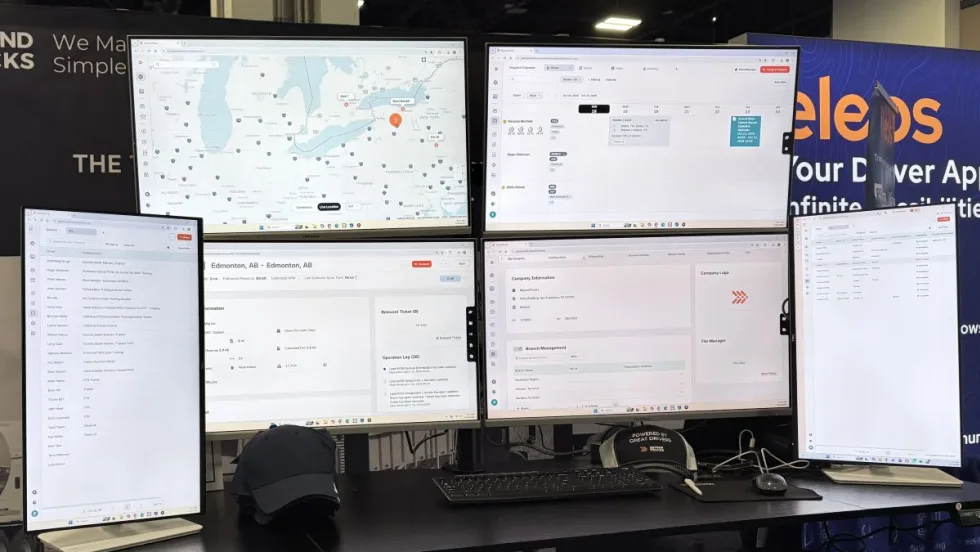
BeyondTrucks Adds Rules Checks to Dispatch
New Compatibility Engine checks driver qualifications, equipment requirements and fleet policies before loads are dispatched.
Read More →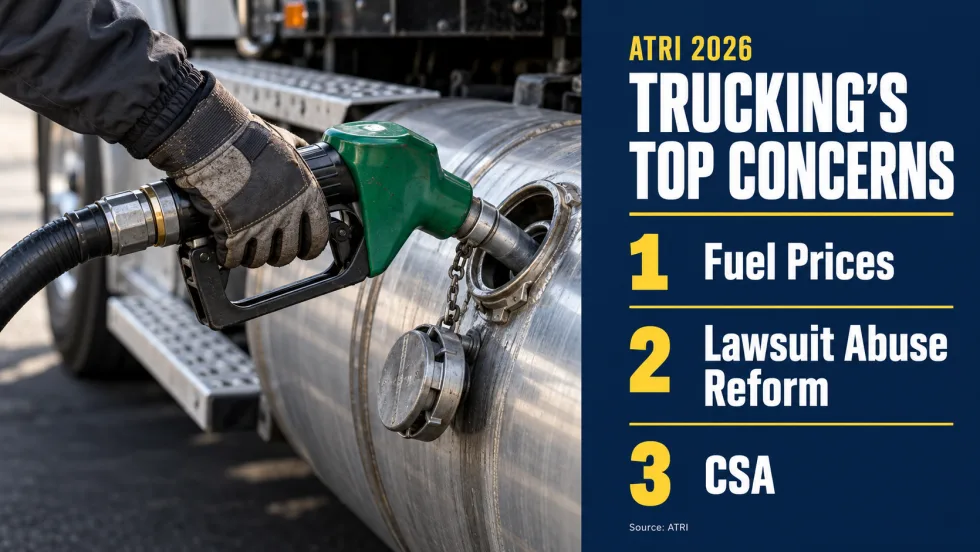
Diesel Prices Hijack Trucking’s Worry List
ATRI’s annual survey finds cautious optimism about freight, but diesel costs, litigation, and insurance continue to squeeze fleets. Drivers have different priorities on several issues.
Read More →
Nomination Deadline Extended for HDT Emerging Leaders
Just a few more days to nominate accomplished trucking fleet professionals under 40 who are making an impact and helping lead the industry forward for the HDT Emerging Leaders award. Deadline extended to October 20!
Read More →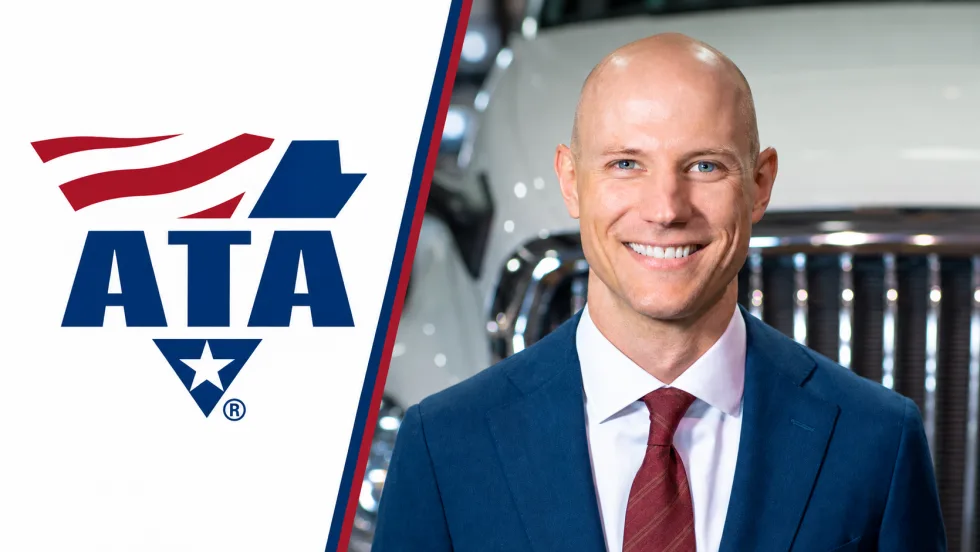
What Will ATA’s New Leader Bring to Trucking's Table?
Incoming President and CEO Mark Colson’s record in Alabama offers clues about his priorities and approach following Chris Spear’s abrupt departure as the head of the American Trucking Associations.
Read More →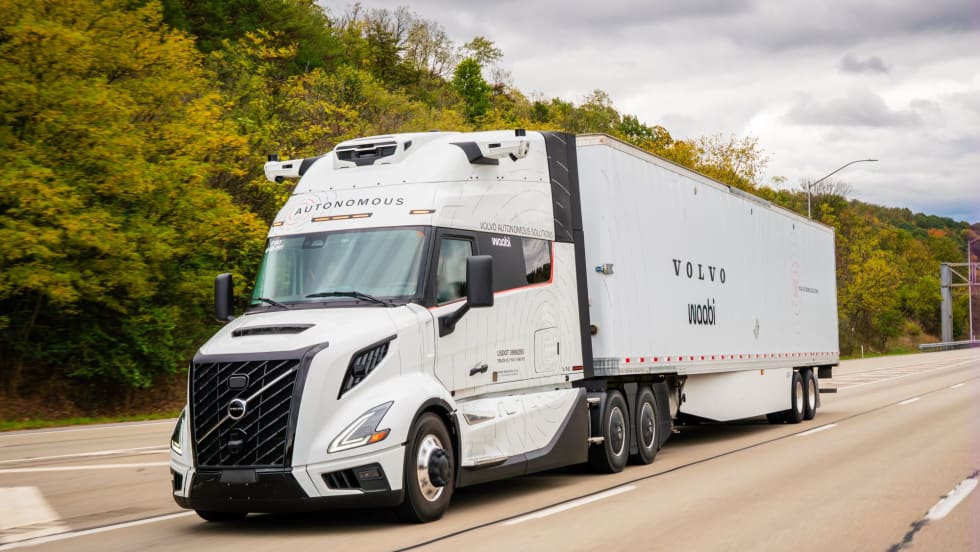
Volvo, Waabi Start Commercial Autonomous Operations in Texas
Volvo VNL Autonomous trucks, powered by the Waabi Driver, are hauling freight directly to third-party facilities for a customer in Texas.
Read More →