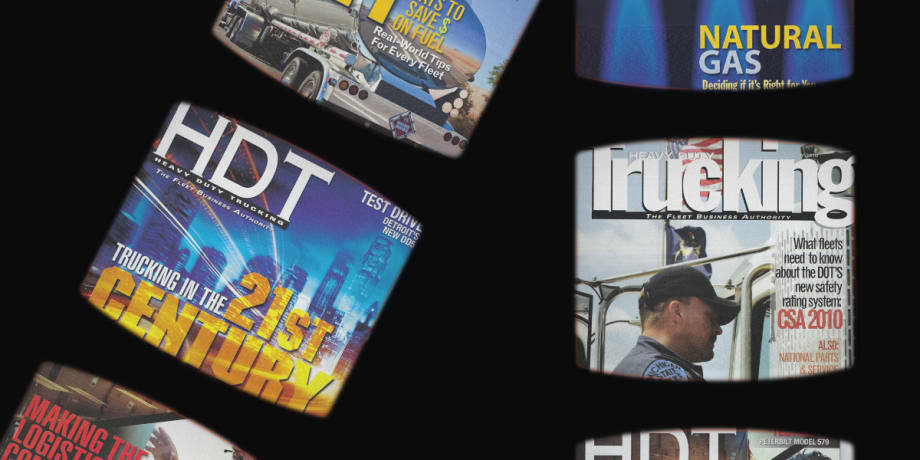
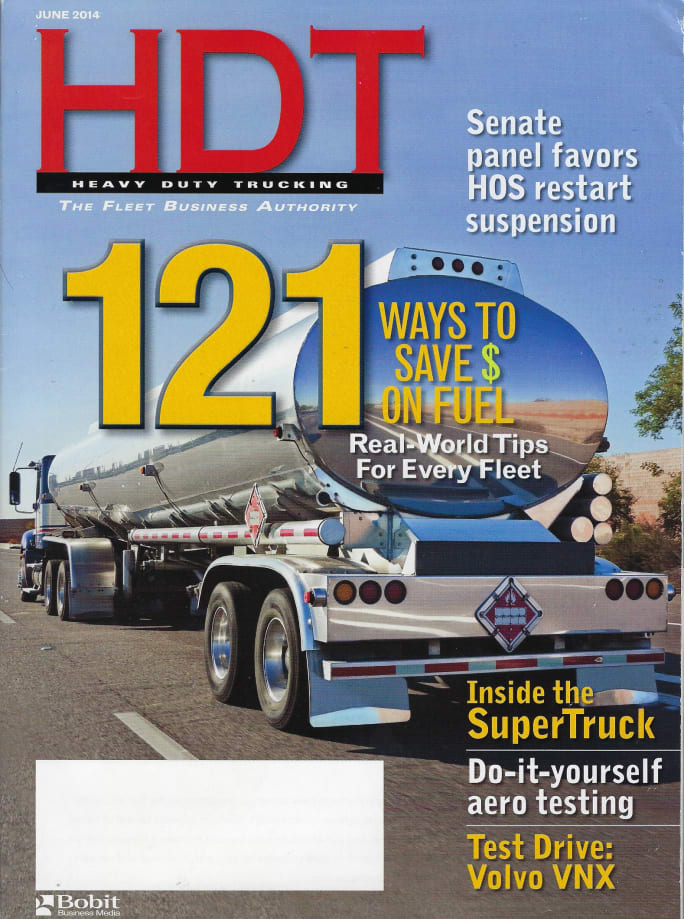
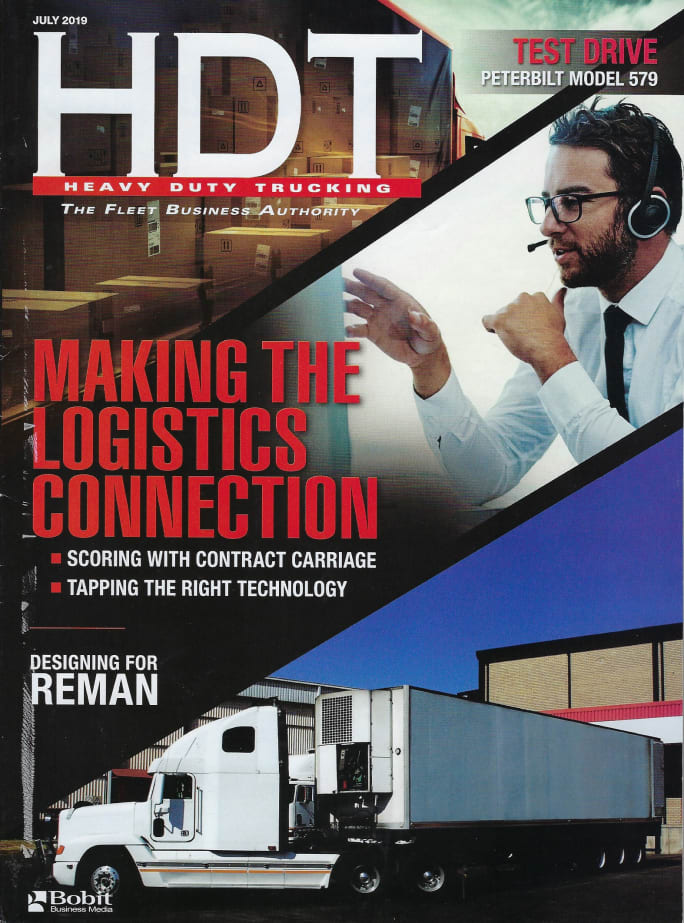
The second decade of the 21st century saw a huge growth in technology and an industry expanding beyond the traditional definition of trucking... see how HDT covered it all.
The second decade of the 21st century saw a huge growth in technology and an industry.
Graphic: HDT
5 min to read
The second decade of the 21st century saw a huge growth in technology and an industry expanding beyond the traditional definition of trucking. HDT is celebrating its 100th anniversary. See how we covered the 21st century below.
Ad Loading...
2010s: Industry
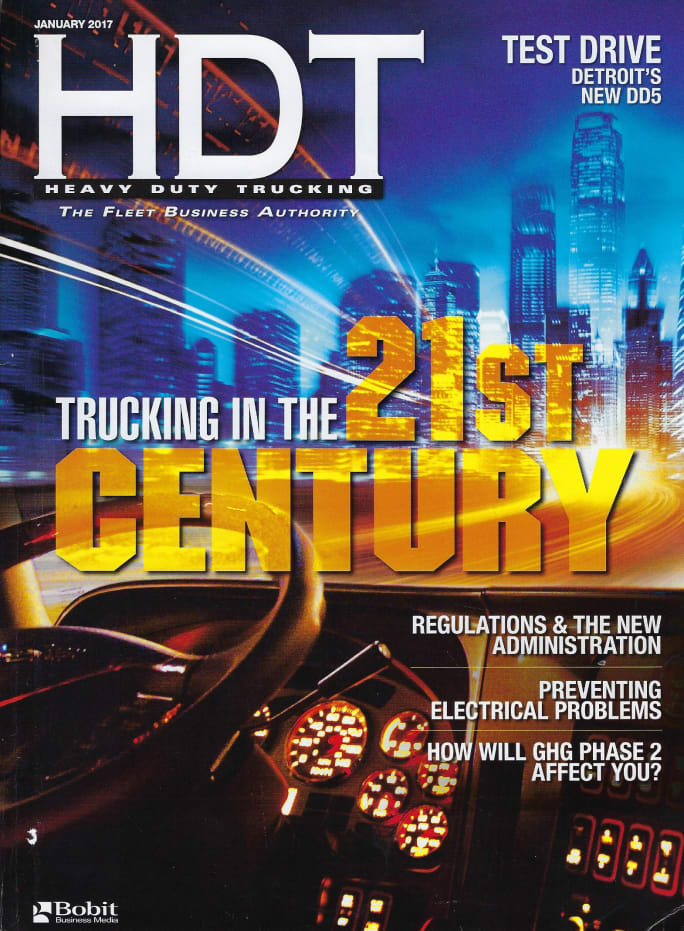
In 2010 HDT wrote about “The Changing Face of Trucking,” as a changing supply chain drove more trucking companies to diversify. The lines began to blur the sharp definitions that previously defined the U.S. transportation market — truckload, less-than-truckload, intermodal, freight brokers, freight forwarders, third-party logistics companies. 2011 brought “The Changing Supply Chain.” In 2015, the changing role of 3PLs. In 2017, a year-long series on “Trucking in the 21st Century,” exploring how technology, from e-commerce to autonomous vehicles, is reshaping trucking and logistics. In 2019, we delved into opportunities in last-mile delivery and making the logistics connection.
Another 2010 cover story looked at increasing scrutiny of independent contractor status, something that resonates today with California’s AB5 gig-worker law and the Biden administration’s focus on employee “misclassification.”
Ad Loading...
In 2011 we ran an in-depth series on “The Coming Driver Shortage,” fueled by economic recovery, new regulations, and ongoing demographic, pay, and image issues. (Sound familiar?) Driver recruiting and retention have continued to be a common theme for major features, cover stories, and series, including a 10-part, award-winning “Driver Dilemma” series in 2015.
2010s: Regulations
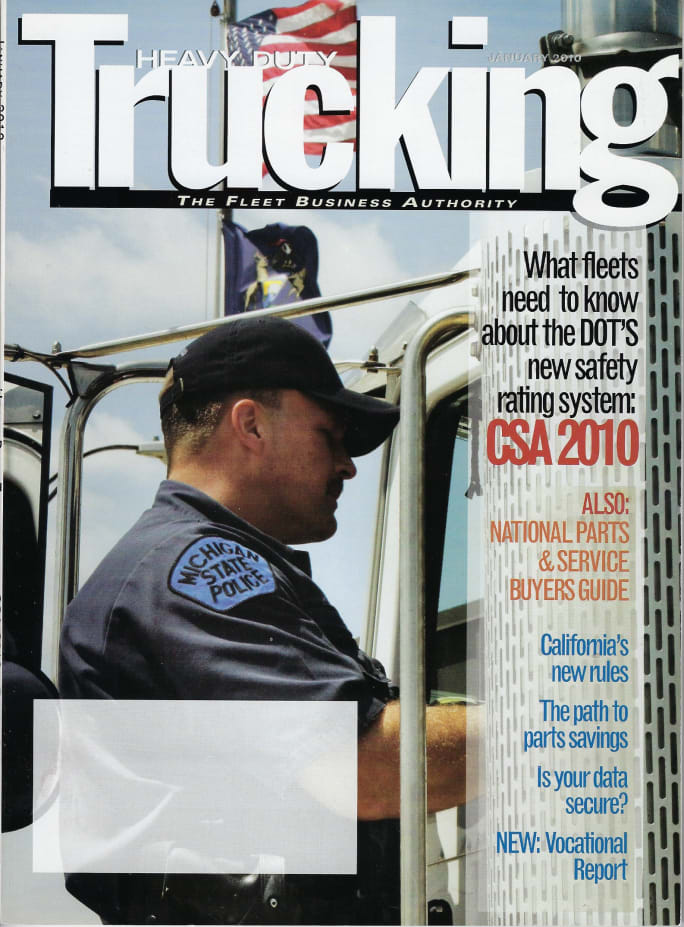
The dawn of the last decade brought with it a fundamental change in the safety compliance landscape, CSA 2010. The topic of our January 2010 cover and several other major features and news stories that year and throughout the decade, CSA is still being challenged and tweaked to this day. Our August cover story warned fleets that they could face a rude awakening when the program went into full effect that November.
The Federal Motor Carrier Safety Administration went back to the drawing board on hours of service regulations after recurring court challenges by safety groups.
Some motor carriers started calling for mandatory electronic logs, arguing that the problem wasn’t hours-of-service rules themselves, but lack of adherence to the rules. A 2012 rule targeted carriers that habitually violated hours-of-service rules, requiring electronic onboard recorders, or EOBRs, to track driver hours. In 2014 the agency proposed mandatory electronic logging devices.
Some fleets started pushing for the DOT to allow the use of hair testing for mandatory drug tests, which still hasn’t happened more than a decade later. FMCSA set up a national drug and alcohol testing clearinghouse. In 2019, HDT ran a three-part series on drivers and drugs.
Ad Loading...
Cross-border trucking, required by the North American Free Trade Agreement, was a controversial issue. It took punitive tariffs from Mexico to spur the DOT to set up a cross-border pilot project.
2010s: Clean and Green
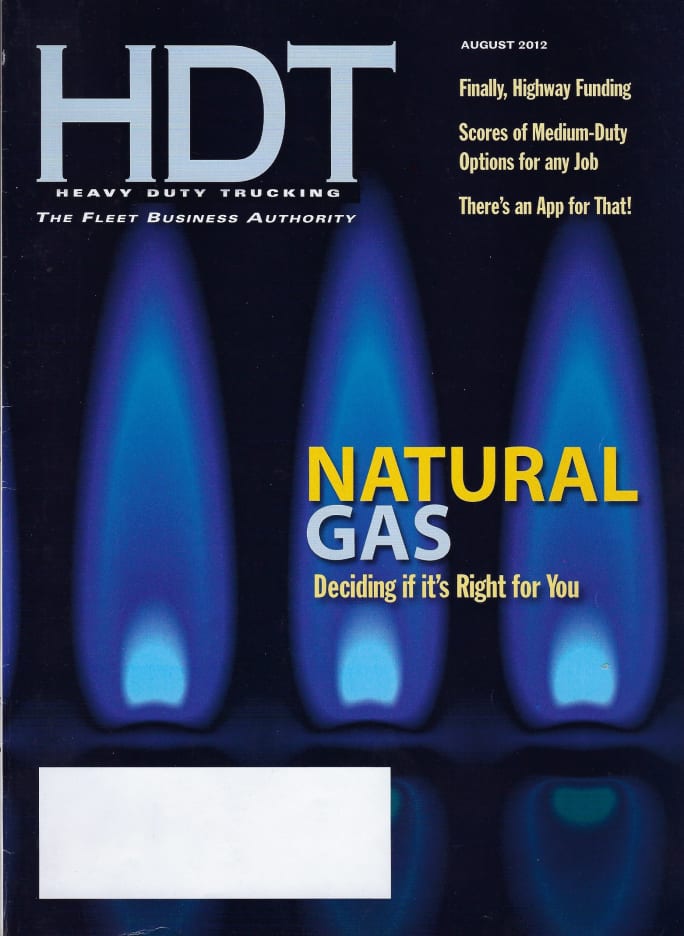
Green fleets in 2010 were exploring natural gas and debating compressed natural gas vs. liquified natural gas, diesel-electric hybrids, and biodiesel blends. In 2011 we started reporting on renewable natural gas (although it wasn’t called that at the time) being used on dairy farms to convert “poop to power.”
For many fleets, sustainability efforts revolved around improving fuel efficiency. New EPA fuel-efficiency regulations for trucks kicked in for the 2014 model year. In 2014, HDT’s annual fuel issue featured “121 Ways to Save & on Fuel.” The EPA’s first SuperTruck program yielded concept rigs achieving more tan 10 mpg.
Diesel-electric hybrids and hydraulic hybrids came and went. Volvo was promoting dimethyl ether for a while, but a DME-powered engine never came to fruition.
Smith Electric threw the switch on all-electric trucks in 2010, but the commercial EV market didn’t gain much momentum throughout the decade. Smith and other start-ups came and went in the years that followed. In 2016 the Nikola One made its controversial debut (originally it was going to be a 2,000-hp turbine hybrid-electric highway tractor), and Elon Musk’s electric Tesla Semi was unveiled with great fanfare. By 2019, component makers such as Dana and Meritor were developing electric drive axles and Daimler and Peterbilt debuted battery-electric trucks, and we explored whether future trucks would be powered by battery or hydrogen technology.
Ad Loading...
2010s: Equipment
EPA 2010 emissions regs introduced selective catalytic reduction and diesel exhaust fluid to the mix. Fleets welcomed the improved fuel economy from the 2007 engines. Navistar was the only truck engine maker to not use SCR to meet the regulations. Its EGR-only engines had trouble meeting EPA standards and were plagued with reliability issues.
We saw the term “downspeeding” enter trucking’s vocabulary. “Gear fast, run slow,” improved fuel economy by having low numerical ratios in top gears.
Downspeeding would become more popular as more automatic manual transmissions started making inroads into the market. In 2012 Eaton predicted AMTs would make up 30% of the market by 2014. Detroit gave the market a push when it unveiled its DT12 AMT in 2012, with then-chief of Daimler Trucks North America on a mission to convert the industry. Today, the vast majority of on-highway Class 8 trucks are spec’d with an AMT.
2010s: Technology
An early 2010 feature looked at driver buy-in of in-cab technologies such as then-voluntary electronic logging systems, with photos of drivers balancing laptops and big, bulky devices. We followed that up with “A Computer in Your Pocket,” about how smartphones could offer much of the same functionality as bulkier in-cab hardware.
Telematics made advances through the decade, delivering a wealth of information direct from truck to the back office, including asset tracking and vehicle health. In-cab navigation, vehicle-to-vehicle communications.
Ad Loading...
In 2016 we highlighted the new frontier of safety technologies, from collision avoidance to cameras, from rollover prevention to analytics. By 2018 we were covering computing in the cloud, blockchain, and smart trailers.
Does your fleet share a long history?
HDT is looking for fleets that have been operating for at least 50 years and can share historical photos and information to highlight as we celebrate 100 years of covering the trucking industry. Contact Deborah Lockridge at dlockridge@truckinginfo.com.
This timeline article first appeared in the August 2022 issue of Heavy Duty Trucking.
For fleet managers and collision repair professionals keeping heavy-duty trucks on the road, getting the color right the first time isn't just about appearance — it's about efficiency, turnaround time, and bottom-line results. Discover how today's digital color tools are transforming the repair process from guesswork to precision.
Carriers whose updates were due on or after June 1 have more time, while FMCSA works to stabilize its new registration system and warns of phishing sites impersonating its new carrier registration system, Motus.
Cargo theft is no longer just the cost of doing business. It's a multi-billion-dollar criminal enterprise exploiting vulnerabilities across your fleet, drivers, and supply chain.
Explore how telematics help refrigerated fleets improve visibility, uptime, efficiency, compliance, and cargo protection across connected cold chain operations.
Escalating U.S.-Canada tariffs could disrupt cross-border freight, reduce truck volumes, raise costs, and create new uncertainty for carriers on both sides of the border.
The American Transportation Research Institute wants to know what's worrying trucking fleet managers, drivers, and other stakeholders in its annual Industry Issues survey.
HDT Truck Fleet Innovator Adam Buttgenbach helped PepsiCo build one of North America’s largest EV fleets by focusing on where electric trucks make operational sense.