





The Department of Transportation has issued guidance on drug and alcohol testing for federally regulated transportation workers, as fleets and commercial drivers may face challenges complying with regulations due to the COVID-19 pandemic.
DOT Issues Guidance on Drug and Alcohol Testing During COVID-19 Pandemic
The Department of Transportation has issued guidance on drug and alcohol testing for federally regulated transportation workers, as fleets and commercial drivers may face challenges complying with regulations due to the COVID-19 pandemic.
March 23, 2020

Some fleets and drivers may have challenges complying with federal drug and alcohol testing regulations.
Photo: Quest Diagnostics
3 min to read
"The guidance does not provide much leeway or relief beyond what’s already in the regulations," said Dave Osiecki, president of Scopelitis Transportation Consulting, but it does point out parts of the regulations that can help carriers out during this time. "It’s helpful for the regulated industries to hear from DOT on this issue, especially since it reminds them of the need to document the challenges to getting a test done."
Importantly, he added, DOT is not waiving a motor carrier’s obligation to conduct a pre-employment drug test before putting that driver behind the wheel.
In its guidance, issued March 23, the DOT’s Office of Drug and Alcohol Policy & Compliance said the DOT recognizes that compliance with drug and alcohol testing regulations may not be possible in certain areas due to the unavailability of program resources, such as collection sites, breath-alcohol technicians, medical review officers and substance abuse professionals.
“You should make a reasonable effort to locate the necessary resources,” it said, and advised employers to consider mobile collection services for testing if fixed-site collection facilities are not available.
If DOT drug or alcohol training or testing aren’t possible due to COVID-19-related supply shortages, facility closures, state or locally imposed quarantine requirements, or other impediments, employers are instructed to comply with existing applicable DOT requirements to document why a test was not completed.
If training or testing can be conducted later, for instance, doing random testing later in the selection period or follow-up testing later in the month, the agency instructs fleets to do so in accordance with applicable regulations. Scopelitis Transportation Consulting points out that 382.305(k)(2) says only that conducting of random testing must be spread evenly throughout the year; and that 382.305(i)(3) says that “each driver selected for a random alcohol or controlled substance testing shall be tested during the selection period."
DOT emphasized that if employers are unable to conduct DOT drug and alcohol testing due to the unavailability of testing resources, the underlying regulations continue to apply. For example, without a “negative” pre-employment drug test result, an employer may not permit a prospective or current employee to perform any DOT safety-sensitive functions.
Health concerns
Some truck drivers have expressed concern about potential public health risks associated with the collection and testing process in the current environment. DOT advises employers to review the requirements for testing to determine whether flexibilities allow for collection and testing at a later date.
It is the employer’s responsibility to evaluate the circumstances of the employee’s refusal to test and determine whether or not the employee’s actions should be considered a refusal as per 49 CFR § 40.355(i), the agency noted.
“However, as the COVID-19 outbreak poses a novel public health risk, DOT asks employers to be sensitive to employees who indicate they are not comfortable or are afraid to go to clinics or collection sites. DOT asks employers to verify with the clinic or collection site that it has taken the necessary precautions to minimize the risk of exposure to COVID-19.”
DOT also recommended employers revisit back-up plans to ensure the plans are current and effective for the current outbreak conditions. For example, these plans should include availability of collectors and collection sites and BAT, and alternate/back-up MRO, as these may have changed as a result of the national emergency. Employers should also have regular communications with service agents regarding the service agent’s availability and capability to support their DOT drug and alcohol testing program.
More Safety & Compliance

'Beyond Compliance,' Regulations, Driver Coaching on ATRI’s 2026 Research List
The American Transportation Research Institute will examine driver coaching, regulatory impacts — including the "Beyond Compliance" concept —and weather disruptions that shape trucking operations.
Read More →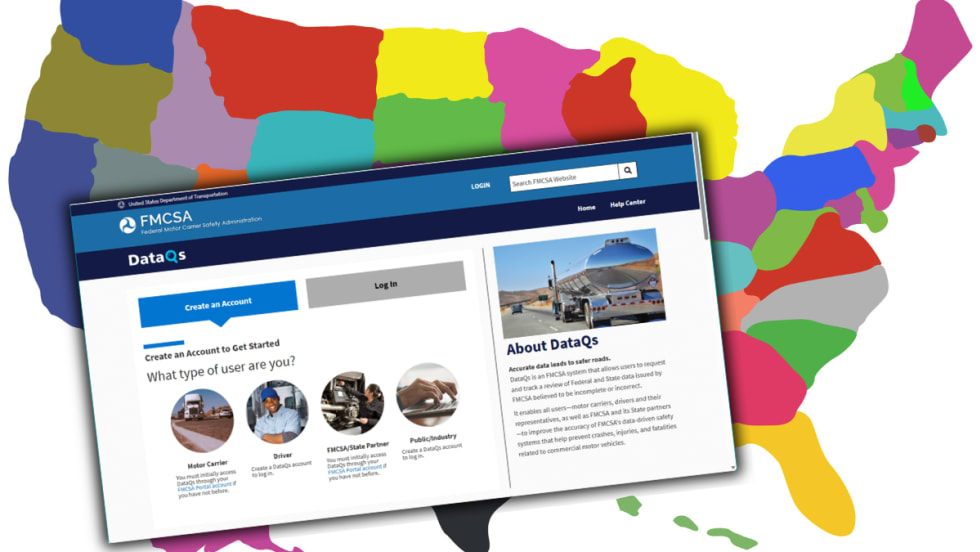
FMCSA Revamps DataQs to Improve Fairness, Speed of Reviews
New requirements add firm deadlines and independent review steps, addressing long-standing complaints about inconsistent rulings and slow response times.
Read More →
FMCSA Extends Paper Medical Card Exemption … Again
Five states still aren't ready to accept commercial driver medical exam information directly from the medical examiner's registry.
Read More →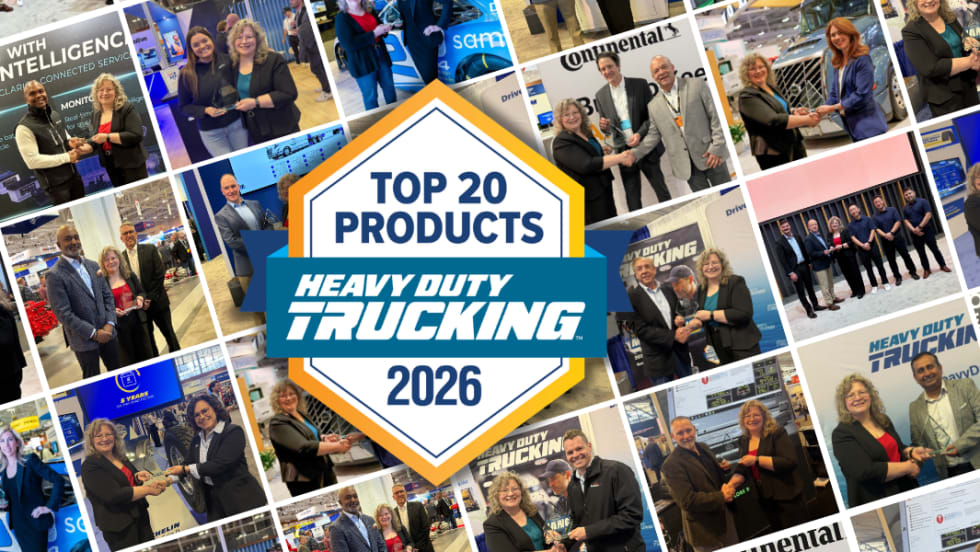
HDT Honors the Best New Products of 2025 at TMC [Photos]
Heavy Duty Trucking's Top 20 Products awards recognize the best new products and technologies. Check out the award presentations at the 2026 Technology & Maintenance Council annual meeting.
Read More →
Sponsored•March 31, 2026
Detroit Engines: Trusted Performance, Built for What's Next
The Detroit® Gen 6 engine platform proves that real progress doesn’t require a complete redesign. Built on 20 years of trusted technology, these engines are designed for efficiency, stronger performance, and greater reliability than before. And they do it all while complying with 2027 EPA standards on every mile.
Read More →
Aperia Expands Halo Platform with Steer-Tire Inflation System, Fifth-Wheel Integration
Aperia Technologies introduced a new automatic tire inflation system for steer axles and a partnership with Fontaine Fifth Wheel to integrate coupling status into its Halo Connect platform.
Read More →
Fleetworthy and HAAS Alert Expand Partnership Stopped Truck Protection Alerts
Fleetworthy and HAAS Alert expanded their partnership to deliver real-time digital alerts that warn motorists when commercial trucks are stopped roadside and notify truck drivers when approaching emergency responders.
Read More →
New Entrants, Chameleon Carriers, and Safety: Is It Too Easy to Start a Trucking Company?
More than 100,000 new trucking companies enter the industry each year, but regulators manage to audit only a fraction of them. That churn creates opportunities for inexperienced startups — and for “chameleon carriers” that shut down after safety violations and reappear under new identities. Read more from Deborah Lockridge in this commentary.
Read More →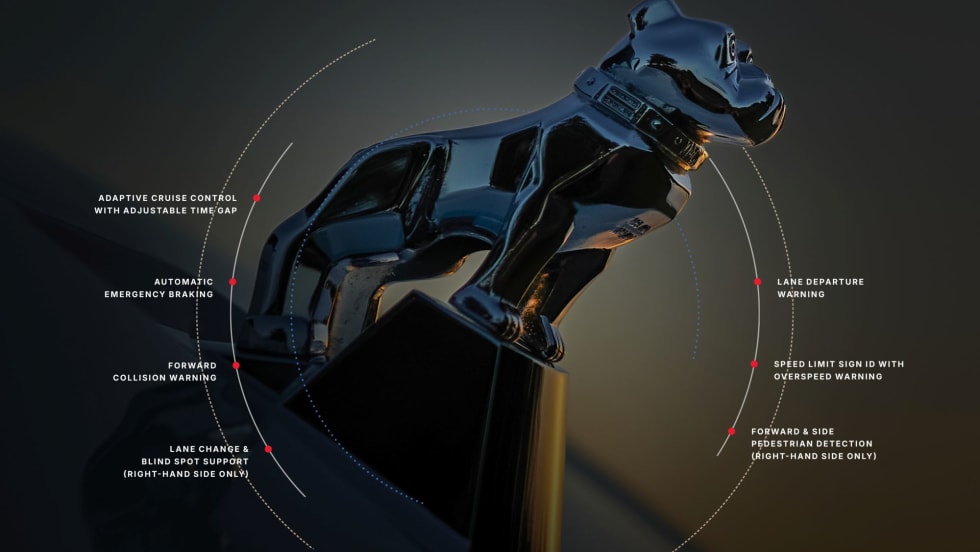
Mack Introduces Mack Protect Collision Mitigation System for MD Series
Mack Trucks has expanded its proprietary Mack Protect collision mitigation platform to the Mack MD Series, bringing heavy-duty safety technology to medium-duty trucks operating in urban and regional environments.
Read More →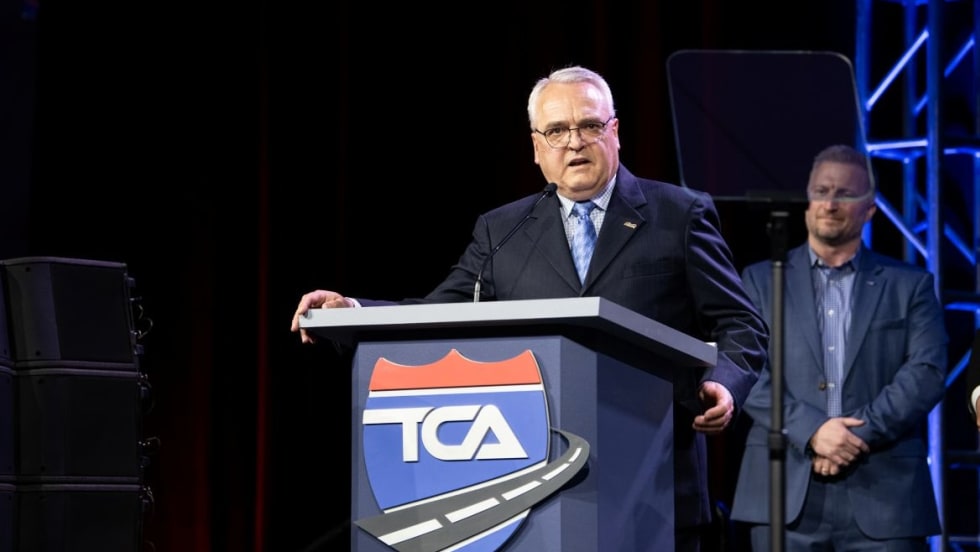
Bison Transport, Mill Creek Motor Freight Win TCA Fleet Safety Awards Grand Prize
Two Canadian fleets earned the Grand Prize in the Truckload Carriers Association’s 2025 Fleet Safety Awards, recognizing the industry’s top safety performance based on accident frequency and safety programs.
Read More →