





Related: Mack Unveils Command Steer at TMC
Volvo, Mack Showcase Driver-Initiated Over The Air Updates at TMC
Volvo and Mack detailed the latest advances in their driver-Initiated Over The Air powertrain updates during the 2020 TMC Annual Meeting in Atlanta, Georgia.
February 26, 2020
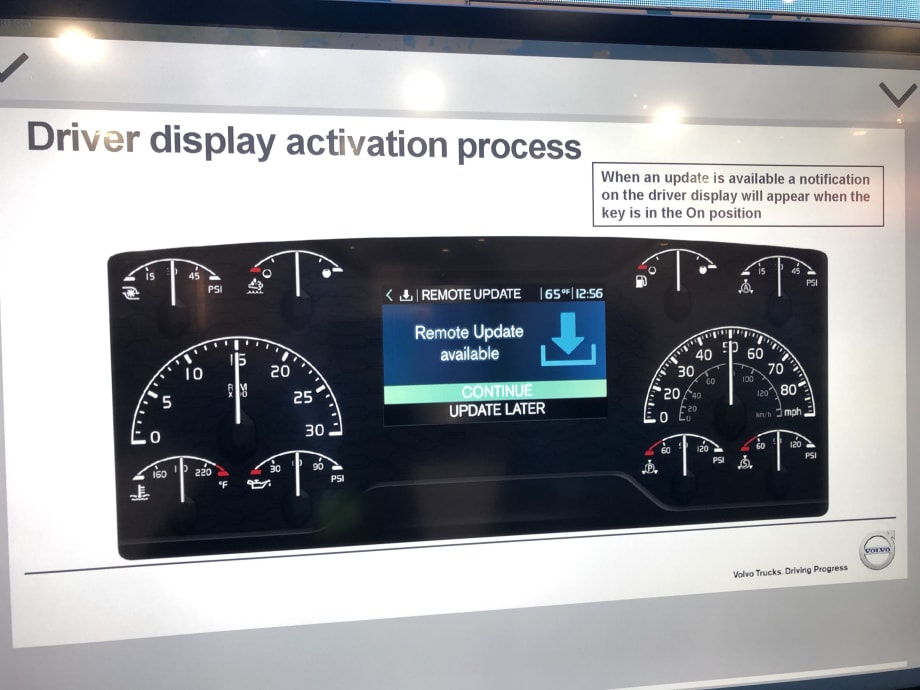
Volvo and Mack Over The Air Updates now allow drivers to begin powertrain software updates at times that fit their driving and rest schedules. Photo: Jack Roberts
3 min to read
Volvo and Mack detailed the latest advances in their Driver-Initiated Over The Air powertrain updates during the 2020 Annual Meeting of the American Trucking Associations' Technology & Maintenance Council in Atlanta, Georgia.
Over The Air Updates is a remote software that enables customers to activate their software updates on their own schedule 24/7 while also improving uptime, according to Stu Russoli, Mack highway product manager.
Mack and Volvo announced earlier this month a new suite of Remote Programming services. The two companies said the services allow drivers and decision-makers to update parameters and software that enhance the performance of a truck’s engine, transmission and aftertreatment system.
At TMC, Mack and Volvo shared more information on the services with trucking reporters, including the new Driver Display Activation.
Ash Makki, North American product manager, Volvo Trucks, explained that the Over The Air Updates now alert drivers when a system update is available. The alert, which appears in the center cluster of a Volvo or Mack dashboard, informs the driver as to what the system will be updated and how long the update will take. The majority of updates now take less than 15 minutes, due to the “maturity” of the current generation of Volvo and Mack powertrains. “Most of our powertrains are now refined to the point where lengthy, major system updates are no longer necessary,” Makki said.
If the driver is in a situation where he or she cannot initiate the programing update, the system gives them a 28-hour window to do so, with an “Update” reminder icon flashing each time the truck is started up. The icon also displays constantly in a “background” setting on the dash panel while the truck is in service.
When the driver decides to initiate the update, Makki noted, Over The Air Updates sends a series of messages, repeating the amount of time required to complete the update and confirming that the driver does wish to proceed at that time. “As with any programming updates, we don’t want it to be interrupted once it starts,” Makki explained. “So we take extra messaging steps to make sure the driver is ready to begin the update and has ample time to allow it to finish.”
One important feature that both Russoli and Makki emphasized is a new password-confirmation screen that can shift the initiation command from the driver back to fleet managers. “We understand that some fleets will prefer to have control up the software updating process,” Russoli said. “If fleet managers opt for the the password confirmation screen, then a driver cannot initiate an Over The Air Update until they have received the proper password and can proceed.”
According to Russoli, Mack Over The Air allows remote software updates and the setting of vehicle parameters through the OEM’s Mack GuardDog Connect integrated telematics solution. Available beginning in the fourth quarter of 2020, the new driver-activated updates eliminate the need for coordination phone calls with Mack OneCall agents, meaning most updates can be completed in less than 15 minutes.
More Maintenance
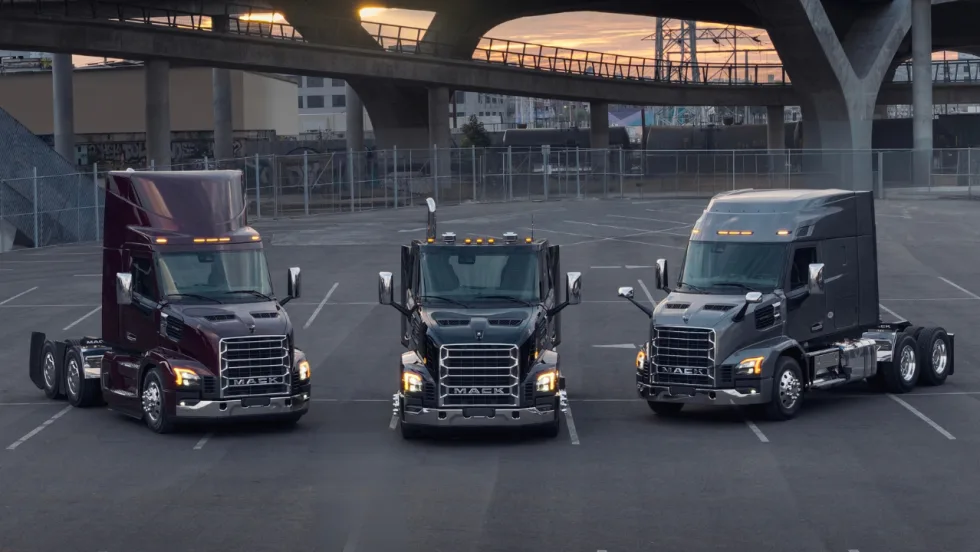
Mack Expands Extended Coverage With Four Chassis System Plans
Mack Trucks' new system-specific coverage options allow heavy-duty fleets to select protection for driveline, cab, HVAC, electronics, and advanced safety components.
Read More →
What an Out-of-Service Order Really Costs, and How to Plan for One
The repair invoice is the first number you see — and often one of the smallest. Here’s what else an out-of-service order can cost a fleet, and how planning can reduce the damage.
Read More →
International Launches Online Truck Parts Store
Fleetrite.com lets fleets and repair shops find OEM and all-makes parts, check prices and availability, and order without calling a parts counter.
Read More →

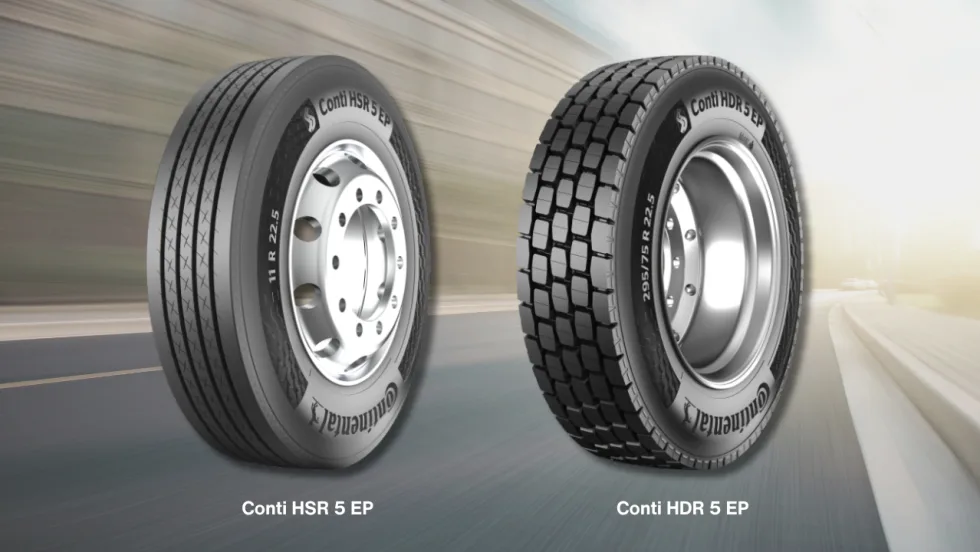
Continental Introduces New Regional Truck Tires
Continental says its new Generation 5 steer and drive tires for regional operations offer longer tread life, with estimated mileage gains of 22% and 19%, respectively.
Read More →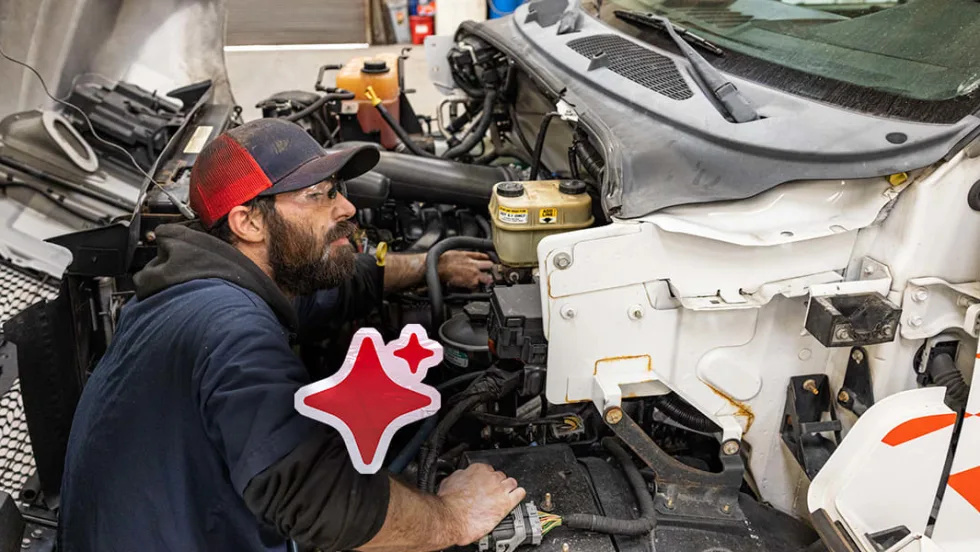
Sponsored•October 1, 2026
How AI Can Help Your Techs’ Efficiency
The technician shortage isn't going away, and no single fix can close the gap on its own. Trent Broberg makes the case that AI's real job in the shop is protecting the billable hours and job satisfaction of the techs you already have, not asking them to work faster.
Read More →
Sponsored•September 16, 2026
Color Match Smarter: Tools That Restore & Perform
For fleet managers and collision repair professionals keeping heavy-duty trucks on the road, getting the color right the first time isn't just about appearance — it's about efficiency, turnaround time, and bottom-line results. Discover how today's digital color tools are transforming the repair process from guesswork to precision.
Read More →
Wrong Repair Prompts Recall of Freightliner, Western Star 4x2 Trucks
DTNA is recalling more than 2,400 trucks that received an incompatible software fix instead of the hardware repair required to address brake valve corrosion.
Read More →
Truck Drivers Need More Than Another Alert
Fleets have more visibility into truck health, safety events, and driver activity than ever. The next challenge is turning all that information into useful guidance for the person who has to decide what to do next.
Read More →
The Maintenance Checks Trucking Fleets Should Prioritize Before Fall Freight Picks Up
Making it through August isn’t the same as being ready for the next several months of operation. Find out what systems may have suffered from summer heat and need to be checked out before fall.
Read More →
What Three Fleets Are Doing Differently When Buying Truck Parts in 2026
With freight improving but costs still climbing, fleet maintenance executives explain how they're balancing price, quality, and supplier relationships.
Read More →