




Shell Looks at the Future of Fuel
At a recent conference at the Texas A&M Transportation Institute, Shell presented an array of speakers who sized up the state of alternative fuel technologies in trucking and a likely timeline for real-world adoption of these new means of moving freight.

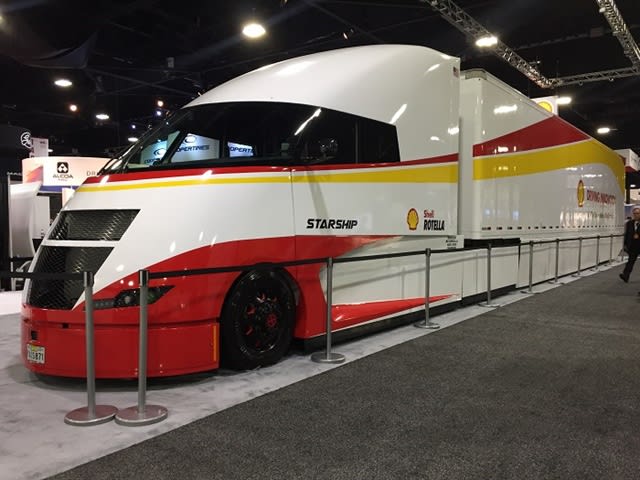
Shell turned heads last year with its Starship concept truck. Now, the company is making an even more compelling case for the future or new fuel and powertrain technologies.
Photos: Jack Roberts
College Station, Texas — No technology or industry remains unchanged forever and energy markets are no exception.
While much of the talk these days centers on new propulsion technologies such as hydrogen fuel cells, natural gas, and battery electric vehicles, Shell says there’s something much more significant going on.
At a news conference at the Texas A&M Transportation Institute on Nov. 13 and 14, 2019, Shell hosted a series of speakers who outlined the fast pace of technological change coming at both trucking and the energy sector, highlighting the ways they will transform society, business, and transportation in the near future.
Chris Guerrero, marketing director, Shell Rotella, began with some perspective: Given the booming population rates now, by 2050, humans will be adding the population of a city the size of Houston to the planet every six weeks. While stressing that diesel fuel will be the “core” transportation and commercial vehicle fuel for the foreseeable future, Guerrero nonetheless noted that the negative aspects of burning fuel to support a global population of nearly 10 billion people are dire. “Even though we expect cleaner and more efficient energy solutions to come online in the next few years,” he explained, “experts believe C02 emissions will increase by a third by 2050 as we attempt to transport goods and services to a population that large.”
In other words, renewable and clean technology is great – but it simply is not at a point where it can keep up with the exploding world population.
Guerrero said that Shell sees the need to drive the conversation on the energy technology transition that has already begun, by pointing out that sustaining a large global population will be impossible without with commercial vehicles, which already account for approximately 40% of all the CO2 emissions emitted by all types of road transportation. “If we could increase the fuel efficiency of all the trucks on the road in the U.S. by just 1% it would be equal in terms of emissions to removing 23,000 trucks from the road,” Guerrero noted. “So we at Shell have a vested interest in helping find solutions to these problems.”
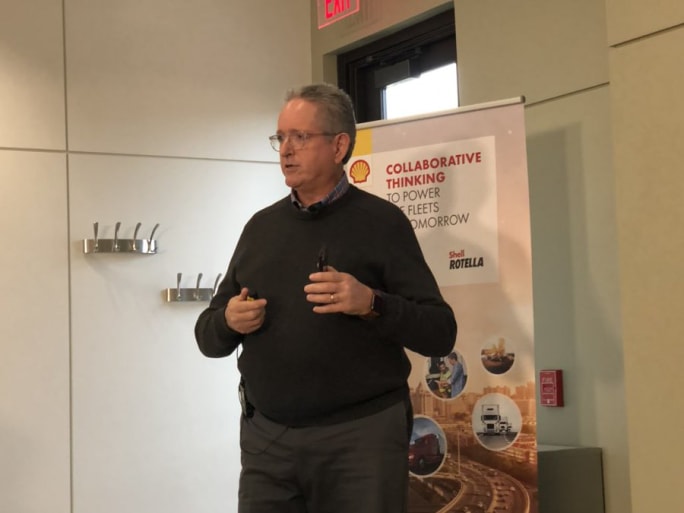
Allan Rutter, freight and investment analysis head at the Texas A&M’s Transportation Institute, said the state of Georgia will beginning experimenting with dedicated autonomous technology and alternative fuel freight lanes beginning in 2024.
Why Autonomous Tech Matters
Shell’s first guest speaker was Allan Rutter, freight and investment analysis head at the Texas A&M’s Transportation Institute, who spoke about what autonomous technology will mean for commercial transportation in the future.
One of the challenges fleet managers have in a time of great technological disruption, Rutter said, is determining what new systems and features are legitimate for their operations. “Essentially,” Rutter said, “you have to ask yourself some very basic questions: Does this new technology add value? Is this a fad or a real advance or improvement? Does it have real potential to be a game-changer? How it met certain regulatory approvals to give you some sense of validation ahead of time?
That said, Rutter is convinced that automation will happen first in trucking – before it takes root in the passenger car market. “There are smaller numbers of trucks on the road, so market penetration is easier,” he noted. “And unlike passenger cars, where autonomous controls will start out as a luxury feature, there are real economic pressures such as the driver shortage and Hours of Service driving adoption.”
Given the current state of autonomous development, Rutter said he thinks intercity and interstate truck routes will be the earliest adopters of the technology, with dedicated highways lanes and specialized facilities in the mix. “Given the much more complicated nature of the road environment,” he said, “urban routes and automated freight facilities will be later-stage adopters of the technology.”
Rutter noted that Georgia is now looking at a dedicated truck lane running from Atlanta to Macon as a test case for autonomous truck operations. “They see about 30,000 trucks run that route every day,” he said. “So it’s a perfect real-world ‘laboratory’. The state is looking at adding dedicated autonomous truck lanes with some accommodations for early autonomous technology and alt-fuel trucks sometime in the 2028 timeframe.”
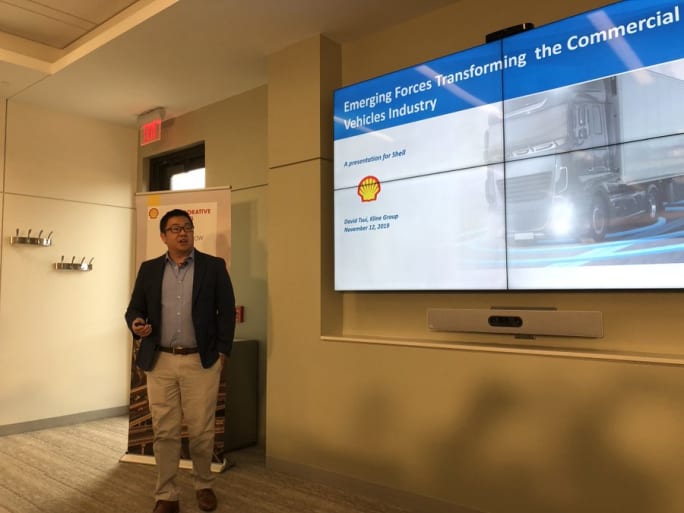
David Tsui, lubricants and alternative fuel expert with The Kline Group, said that while many people around the world today want green technology, they want it to work as well as existing powertrain tech, and they don't want to pay more for it.
Alternative Fuel ROI
The Kline Group is a global marketing research and transportation think tank. And David Tsui, a lubricants and alternative fuel expert, next spoke on the economics of possibilities of various emerging propulsion technologies.
“The essential alt fuel question for fleets today is: ‘Does it make sense to pay more for alt fuel systems?’,” Tsui asked, noting that should the Tesla Semi become commercially available, it may cost as much as twice a conventional diesel tractor.
Overall, the trends seem to indicate a real global pull-through for green fuel vehicles, Tsui added – with caveats. “Globally, governments and consumers alike are pushing for lower emissions, cleaner air and green transportation technology,” he noted. “Likewise, consumers globally want green tech. However, they also want it to work as well as existing energy technologies and they don’t want to pay more for it.”
Adding fuel to the alt-fuel fire are companies like Amazon, which Tsui pointed out has already placed orders for more than 100,000 battery-electric delivery vans, scheduled for delivery by 2024. “This is will a series boost to the economies of scale for producing these alternative drivetrains and bringing costs down,” he noted. “At the same time, these orders will only invigorate the research and development in these technologies already underway. Electric trucks today have a range of around 120 miles per charge. I think it is reasonable to assume that the range figure will double to 240 miles per charge by 2040, or so.”
Another important point to keep in mind as these technologies mature is that we are still on the very brink of adoption, Tsui points out. “Electric vehicles have been around a long time,” he noted. “But new technology – particularly in the software and power management side of things – have modernized this technology significantly. But, all told, there aren’t that many fuel cell, CNG, LNG, or electric vehicles on the road compared to gasoline and diesel-powered ones.”
Shell’s presentation and speakers made a compelling Big Picture case for more alternative fuel vehicle penetration and cleaner diesel technology in the future. How soon, and how deep that penetration will be, remains to be seen. It is clear, however, that series macro trends are driving the development of these new technologies. And that many of them will begin to appear in operational fleets sooner, rather than later.
More Fuel Smarts
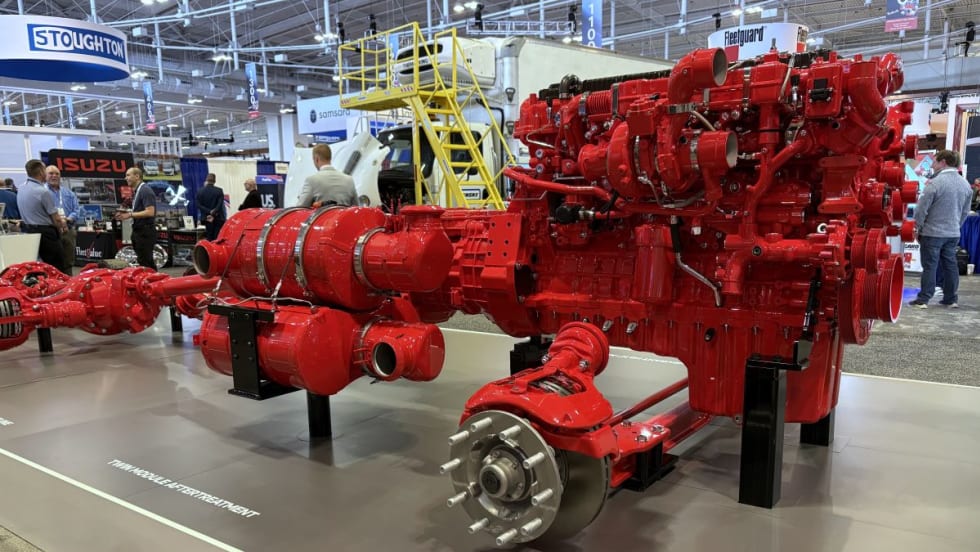
Cummins Adjusts 2027 Engine Rollout After EPA Proposal
The engine maker will gradually introduce its new Model Year 2027 diesel engines while continuing to offer current models during the transition, citing the EPA's proposed emissions rule changes.
Read More →
EPA Proposal Could Ease 2027 Truck Costs and Buying Uncertainty
The proposal doesn't change the tougher NOx standard, but it would revise key implementation requirements that manufacturers say have driven up costs and complicated fleet purchasing decisions.
Read More →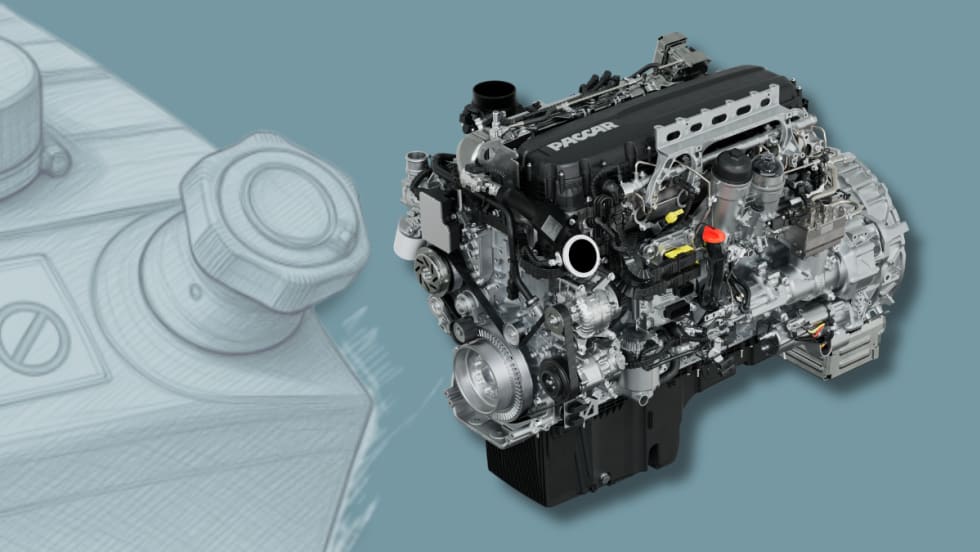
Cummins, Paccar Ease DEF Derates After EPA Guidance
Updated diesel engine software gives truck operators more time to address emissions-system issues while staying compliant with EPA emissions standards.
Read More →
Maintenance in the Messy Middle Part 3: Biodiesel
Biodiesel can reduce emissions, improve fuel-system lubricity and use existing diesel infrastructure. But NACFE’s Messy Middle maintenance report says fleets must actively manage storage, cold-weather operation, filters and oil drain intervals to avoid problems.
Read More →
Enhance Fleet Performance with High-Efficiency Auxiliary Power Units
Drive sustainable cost savings while increasing driver comfort during short- and long-haul logistics operations.
Read More →
Maintenance in the ‘Messy Middle’ Part 2: Renewable Diesel Fuel
NACFE's latest Messy Middle Powertrain Service & Maintenance report says renewable diesel gives fleets an opportunity to reduce carbon emissions without changing trucks, fueling infrastructure or maintenance practices. But technicians still need to understand several important operational differences.
Read More →
The Diesel Engine Enters NACFE’s ‘Messy Middle’
NACFE’s new Messy Middle Powertrain Service & Maintenance report says keeping modern diesel engines running now depends as much on software, diagnostics and data as traditional mechanical service.
Read More →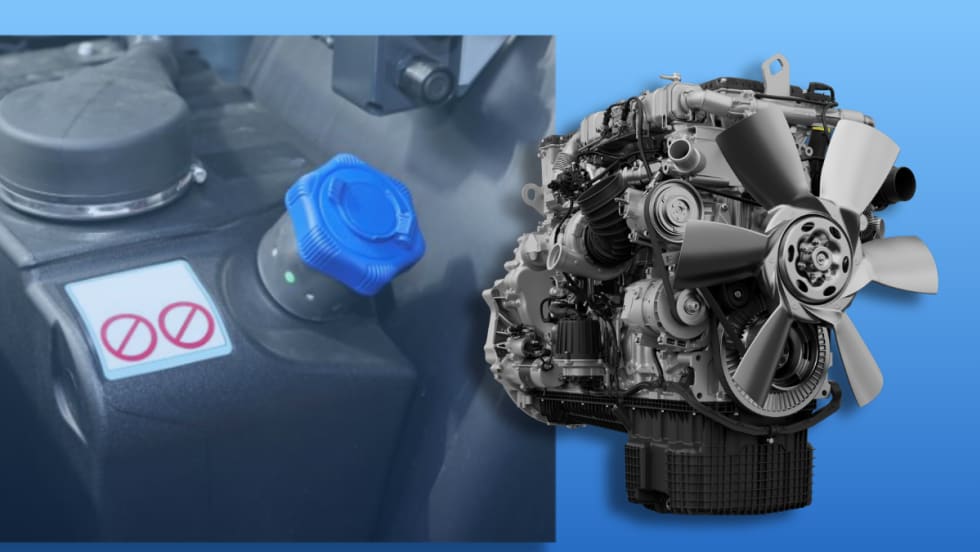
DTNA Software Update Gives Truckers More Time Before DEF Derates Take Effect
The changes reflect EPA guidance aimed at reducing downtime caused by emissions-system faults while maintaining compliance requirements.
Read More →
New Agentic Predictive Maintenance Report Demonstrates How Degraded Aftertreatment Systems Waste Fuel
Questar analyzed a large mixed-class fleet and discovered it was wasting as much as $30 in fuel per vehicle, per day, because of mechanically degraded aftertreatment systems.
Read More →
New York City's Microhub Project is Delivering Results
Trucking, last-mile delivery companies, and environmental advocates like what they are seeing so far with New York's microhub program.
Read More →