




Rocketail Adds Contact Hinge to Aerodynamic Wing System
Rocketail announced a new contact response hinge that allows its aerodynamic Wings to be closed when needed.


Rocketail announced a new contact response hinge that allows its aerodynamic Wings to be closed when needed.
Photo via Rocketail
Rocketail announced a new contact response hinge that allows its aerodynamic Wings to be closed when needed.
The system is comprised of three components which include, 2 side Wings attached to the rear corner posts of dry vans and reefer trailers, and a Top Element attached at the top-rear of the trailer.
“After releasing our initial system in the early Spring of 2019, which was designed with a ‘fixed’ Wing hinge,, we quickly realized that many carriers needed to close the Wings for various reasons, such as, securing high value loads by backing trailers up to buildings and/or other parked trailers, or backing into certain docks lacking the necessary space required by the deployed Wings” explained Bren Marshell, vice president of sales for Rocketail.
Rocketail’s engineering team designed a new ‘dynamic’ hinge that immediately ‘responds’ to any form of contact to the surface of the Wings. If you back into another trailer, dock door, or any other surface, the Wings simply collapse against the trailer.
The Wings will automatically redeploy without any driver intervention when a truck pulls away from the surface.
The Rocketail Wing extends only 12 inches from the rear of the trailer, eliminating a main cause of rear collision damage. Fully integrated with the trailer door, the Rocketail Wings are always deployed using cable hinges that lock the Wings in their maximum aerodynamic open position each time the doors are closed. The system shifts the wings flush with the sides of the trailer each time the doors are opened, allowing the doors to swing a full 270 degrees without being blocked.
More Fuel Smarts
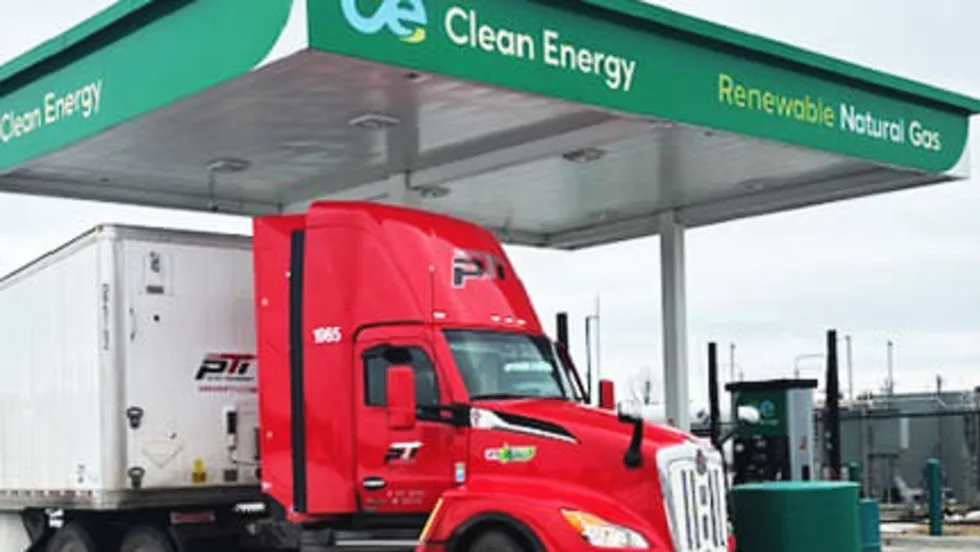
Paper Transport Puts RNG to Work for Shipper
Eight renewable natural gas trucks are hauling freight for Graphic Packaging, part of Paper Transport’s growing mix of alternative-fuel transportation options that also includes a Tesla Semi pilot.

Fleet Costs Shape ACT Expo 2027 Agenda
With diesel prices high and operating expenses under pressure, ACT Expo's 2027 agenda emphasizes fuel efficiency, AI, safety and the return on fleet technology investments.
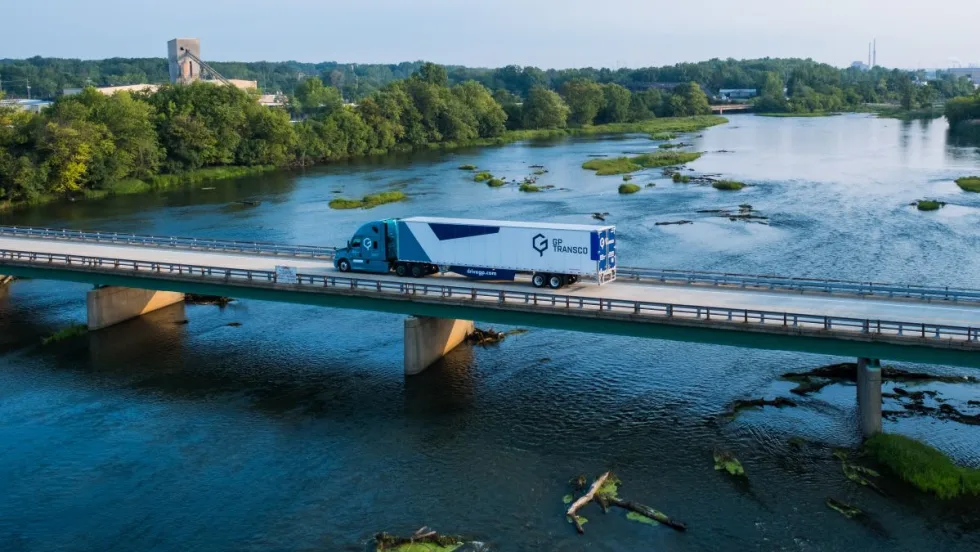
How GP Transco Builds Fuel Savings a Fraction at a Time
Aerodynamic specs, solar panels, and driver incentives help GP Transco turn small efficiency gains into savings it can reinvest in its people.
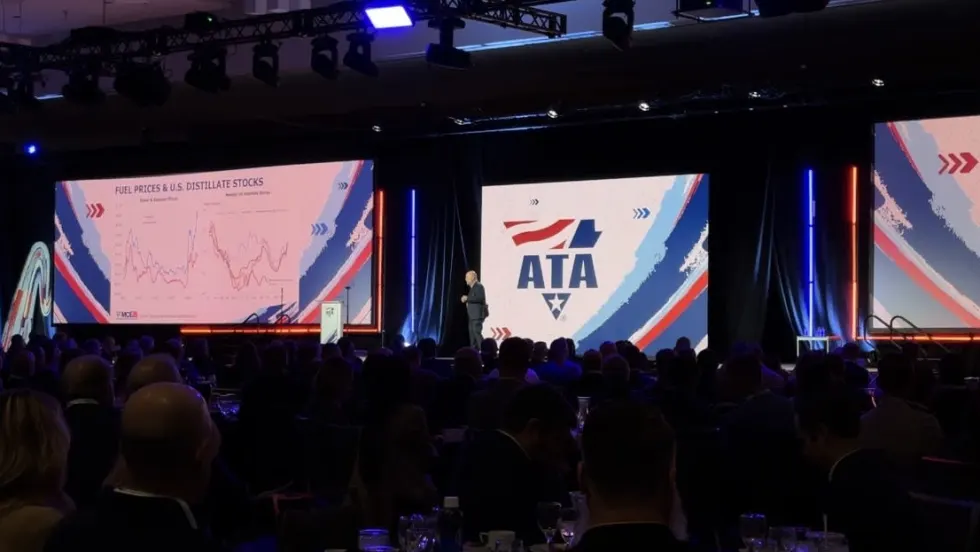
Trucking’s Diesel Squeeze Isn’t Letting Up
With diesel topping $6 a gallon nationally, ATA's Bob Costello explains why fleets should prepare for continued pressure at the pump.
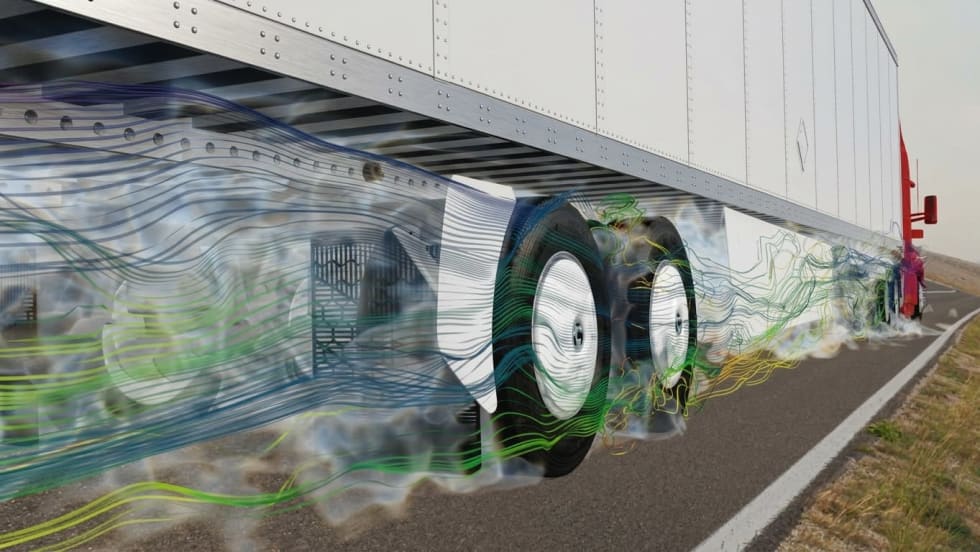
FlowBelow Redesigns Trailer AeroSlider to Cut Fuel Use
The lighter trailer aerodynamic system installs in less than 45 minutes, according to the company, with potential payback in under a year depending on fuel prices and trailer mileage.

Why Diesel Price Relief Efforts May Fall Short
Diesel prices have eased from September’s record high, but doubts about additional Russian supply and limits on dyed-diesel tax relief mean trucking fleets still face expensive fuel. And prices could go higher.

Why Small Fuel Savings Matter in Trucking [Podcast]
Can better fuel economy help pay for driver raises? In this episode of the HDT Talks Trucking podcast, GP Transco explains how small efficiency gains create room to reinvest in its people.

How GP Transco Cuts Trucking Fuel Costs, a Tenth of a Gallon at a Time
What’s another tenth of a mile per gallon worth? GP Transco shares how equipment upgrades and driver coaching turn small gains into meaningful fuel savings.
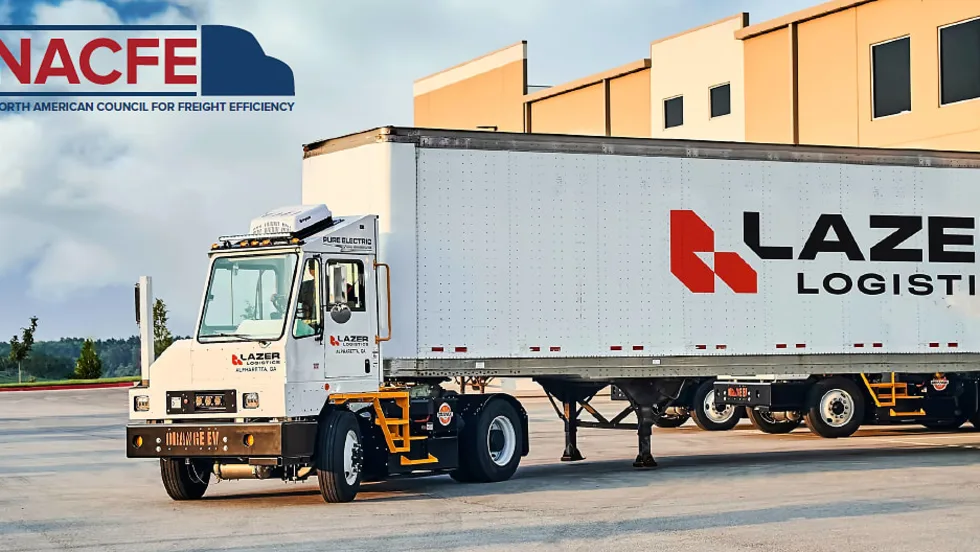
Electric Yard Tractors Move Beyond Pilots
Operating-cost savings have overtaken sustainability goals as the leading reason surveyed fleets are adopting battery-electric terminal tractors, according to new NACFE research.

Geotab Links Fleet Card to Vehicle Data
The new card combines fuel discounts with telematics-based purchase controls. Geotab’s analysis also points to potential savings from choosing lower-priced fuel stops.