




It’s Not Just Your State, Overall U.S. Road Conditions Are Getting Worse
The Reason Foundation’s Annual Highway Report found that the nation’s highway conditions are deteriorating, especially in a group of problem-plagued states that are falling behind on repairing deficient bridges, maintaining interstate pavement and reducing urban traffic congestion.


The Reason Foundation’s Annual Highway Report found that the nation’s highway conditions are deteriorating, especially in a group of problem-plagued states that are falling behind on repairing deficient bridges, maintaining interstate pavement and reducing urban traffic congestion.
Image courtesy Reason Foundation
For many Americans, dodging tire-destroying potholes is just part of the morning commute and in a recent study by the Libertarian non-profit Reason Foundation, while some incremental improvements have been made, the overall condition of our nation’s highways has gotten worse.
The Reason Foundation’s Annual Highway Report found that the nation’s highway conditions are deteriorating, especially in a group of problem-plagued states that are falling behind on repairing deficient bridges, maintaining interstate pavement and reducing urban traffic congestion.
Based on data submitted by states to the federal government, the 24th Annual Highway report ranks each state’s highway system in 13 categories, including traffic fatalities, pavement condition, congestion, spending per mile and administrative costs. The latest report uses data from 2016 because it is the most recent year with complete figures currently available. Traffic congestion and bridge data are from 2017.
In the reports rankings, based on the state’s overall performance and cost-effectiveness, North Dakota was the state with the top state highway system for the second year in a row. Both North Dakota’s rural and urban interstate pavement conditions rank in the top 10 and the state has managed to keep its per-mile costs down.
Virginia made the biggest leap from year to year, jumping 25 spots in the rankings into second place in performance and cost-effectiveness. Citizens from Missouri, Maine and Kentucky can also feel good as these three states rounded out the top five.
The 50th and worst-ranked state in the report is New Jersey. Despite spending more money per mile than any other state, New Jersey has the worst urban traffic congestion and among the worst urban Interstate pavement conditions in the country, according to the report. The other bottom states included Alaska, Rhode Island, Hawaii, Massachusetts and New York.
The percentage of urban interstate mileage in poor condition increased in 29 states with one-third of the nation’s urban interstate mileage in poor condition being concentrated in just five states: California, Delaware, Hawaii, Louisiana and New York.
And while it may seem that rural states might have an advantage over their more urban and tightly populated counterparts, the study found that pavement conditions in both are deteriorating. The report also found that the percentage of rural arterial principal roads in poor condition had hit the worst levels since 2000.
On the positive side, 39 states managed to lower the percentages of bridges that were deemed structurally deficient. Despite the progress, 18% or more of bridges remain structurally deficient in five states: Iowa, Pennsylvania, Rhode Island, South Dakota and West Virginia.
Americans spent an average of 35 hours per year in traffic, with congestion levels remaining about the same as in the previous report. Drivers in New Jersey, California, Georgia, and Massachusetts experienced the longest delays.
In 2016, states spent about $139 billion for state-controlled highways and arterials in 2016, a 4% decrease from the previous year. New Jersey, Florida, Massachusetts, New York and Connecticut spent the most on their highways on a per-mile basis, with each state spending more than $200,000 per mile of highway it controls.
In contrast, Missouri, which ranks third overall in performance and cost-effectiveness, did so while spending just $23,534 per mile of highway it controls.
While a decrease in spending could have contributed to the overall lack of improvement in our nation’s highways, 21 states managed to make overall progress and the majority of the problems seem to be centered on the bottom states.
“Examining the 10-year average of state overall performance data indicates that the national system performance problems are largely concentrated in the bottom 10 states," said Baruch Feigenbaum, lead author of the Annual Highway Report and assistant director of transportation at Reason Foundation. "Towards the bottom of the rankings, you have highly-populated states, like last-place New Jersey, along with Massachusetts, New York, and California to a lesser extent, that are spending a lot per mile but often failing to keep up with traffic congestion and road maintenance.”
The worst-performing low-population states like Rhode Island, Delaware, Hawaii and Alaska also contributed an outsized share of the nation’s structurally deficient bridges, poor pavement conditions and high administrative costs.
Interestingly, Massachusetts ranks low in the overall rankings but shows the nation’s lowest traffic fatality rate, while South Carolina reports the highest.
The full report is available here.
More Safety & Compliance
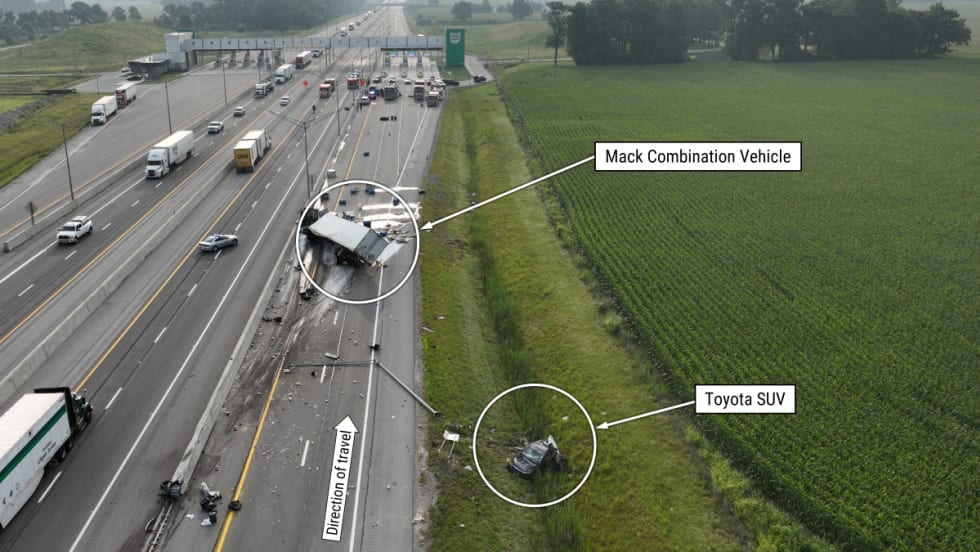
Fatal Crash Exposes Toll Plaza Risks
An NTSB investigation found that last-minute lane changes and large speed differences at an Ohio toll plaza created a hazard the truck driver couldn't avoid in time.
Read More →
When Language Stops the Truck: The Return of ELP Out-of-Service Orders
English language proficiency rules for commercial drivers aren’t new, but renewed out-of-service enforcement has raised the stakes. Here’s what carriers need to know before a driver reaches a roadside inspection.
Read More →
A Camera Isn't a Safety Program. Here's What Brokers Are Screening for Now
Footage alone may not be enough to pass broker vetting processes. Here's what counts as a defensible safety program now.
Read More →

Marijuana and Trucking’s Drug-Testing Dilemma
Marijuana is getting stronger, laws are changing, and drug tests still can’t reliably establish impairment. What does that mean for truck drivers and the fleets that employ them?
Read More →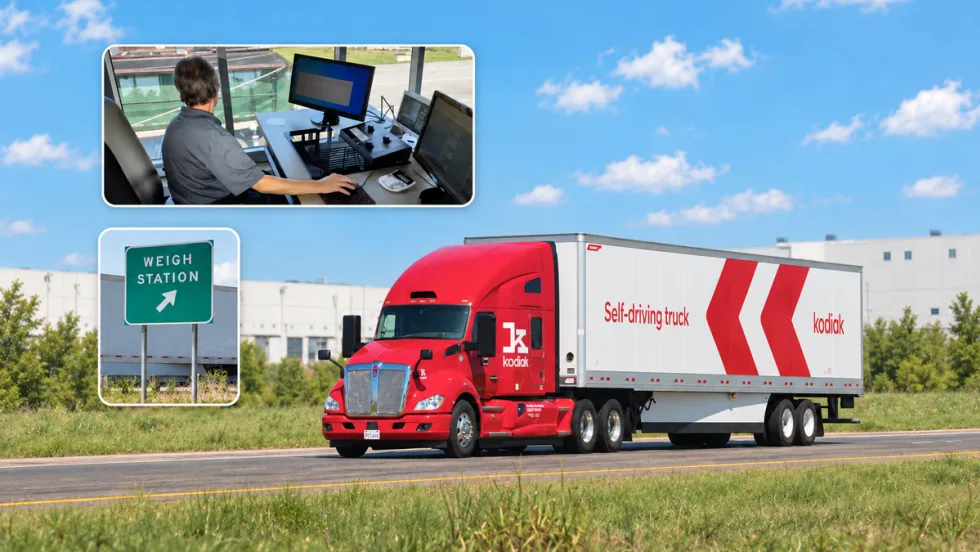
PrePass, Kodiak Connect Driverless Trucks to Roadside Enforcement
The system will allow enforcement agencies to verify Enhanced Inspection information and decide whether Kodiak’s autonomous trucks can bypass roadside screening sites.
Read More →
From One Generation to the Next: How Mentorship Builds Safer Truck Drivers
After three decades in trucking, Harold Perry shares what he's learned about driver safety, mentorship, and helping the next generation build confidence behind the wheel.
Read More →
FMCSA Pauses Biennial-Update Enforcement Amid Motus Transition
Carriers whose updates were due on or after June 1 have more time, while FMCSA works to stabilize its new registration system and warns of phishing sites impersonating its new carrier registration system, Motus.
Read More →
ZF Expands Commercial Vehicle Push in North America
ZF is expanding its North American commercial-vehicle presence with new transmission applications, electrification, trailer technology and autonomous-driving systems.
Read More →
Truck Drivers Need More Than Another Alert
Fleets have more visibility into truck health, safety events, and driver activity than ever. The next challenge is turning all that information into useful guidance for the person who has to decide what to do next.
Read More →
Tesla Wants a Self-Driving Semi. Are Cameras Enough?
Could Tesla’s camera-only autonomous driving technology work on an 80,000-pound Semi? In this commentary, HDT's Deborah Lockridge takes a look at Tesla, Cybercab, and how autonomous trucks see the road.
Read More →