




Should Fleets Worry About the 3G Phaseout?
As 3G mobile networks are being replaced by newer standards, should fleets with connected devices that make use of 3G be worried?


As 3G mobile networks are being replaced by newer standards, should fleets with connected devices that make use of 3G be worried?
Image by Clker-Free-Vector-Images from Pixabay
A current hot topic concerning mobile technologies is the sunsetting of 3G mobile networks. Verizon announced it would end support for 3G devices by the end of the year, and other major mobile service providers have said they plan to follow suit within the next year or two.
The reason for the sunset comes down to real estate, or spectrum in the case of mobile service providers. As companies kick in to high gear to develop 5G networks, there isn’t enough room in the radio frequency spectrum for older mobile technologies.
That means that any 3G mobile devices you may have deployed in your fleet won’t be able to establish a mobile connection once all the major mobile service providers have closed down their 3G networks.
It’s a critical issue, says Eric Witty, vice president of product management at Trimble Transportation Mobility. Companies need to make plans for moving on to the next generation of devices.
“For us, it’s not a ‘you’ve got to do it now or else.’ We are kind of coaching ourselves for loss of coverage and degradation of service. We are trying to plan for that.”
As Witty points out, there isn’t a hard deadline, like there is with ELDs, but it’s something carriers need to start thinking about.
“In our world, it’s ‘where is your wireless,’” he explains. In Trimble’s case, the wireless is inside the on-board computer unit that is connected to the truck. Many of the company’s devices in the field are ready for 4G, he said, but some older ones are not and will need to be replaced.
Many mobile device vendors have already launched 4G devices. Jason Penkethman, chief product and strategy officer, Spireon, said his company has “launched 4G devices that in some cases can fall back to 3G if a 4G network is not present in that area.”
He recommends trucking companies develop plans for upgrading their fleet over time, maybe during scheduled PMs, for instance.
On the other hand, the technology changes so quickly in the mobile space – especially in consumer-grade devices – most drivers probably already carry a 4G smartphone.
“We’re keeping an eye on it, of course; we’ve pretty much depleted most of our inventory with 3G and are starting to send out LTE,” says Salem Elnahwy, chief technology officer, Transflo. Many 3G devices will work until 2022, he notes, so there is still time to plan.
“The nice thing about it is that these units are fairly inexpensive,” he says. “Kind of like cell phones, you might replace them every two to three years.”
Then there are the benefits that 4G offers over the older technologies. The networks allow more data to be sent more efficiently and at a lower cost.
As for the upcoming 5G, it promises even more benefits. Yet most observers see full implementation of that technology some way off in the future, as mobile service providers have just begun developing their networks. And the networks must come before the devices.
The bottom line: If you have 3G devices deployed in your fleet, start working on a plan to replace them.
More Fleet Management
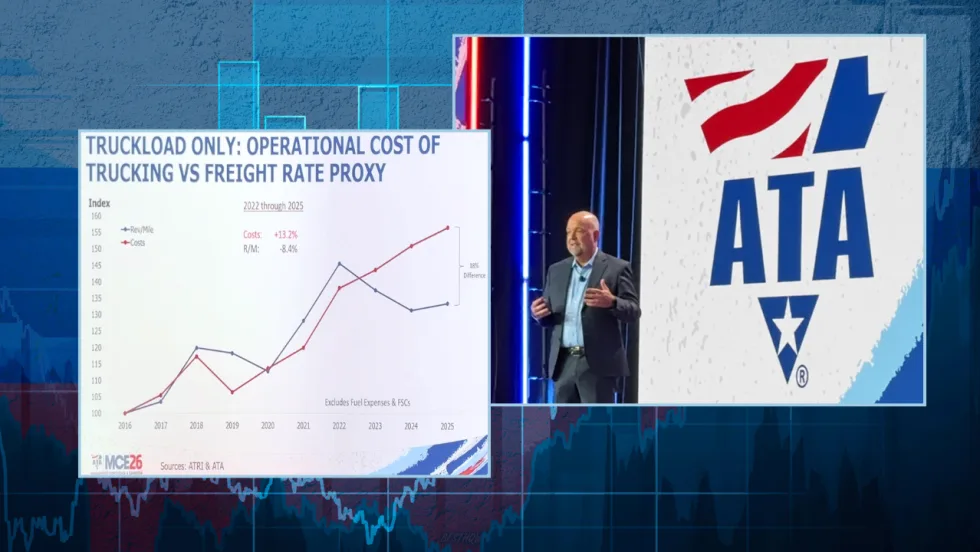
Why This Trucking Recovery Is Different
Freight demand remains sluggish, but rising costs and tougher enforcement have taken enough capacity out of the market to change the outlook for motor carriers.
Read More →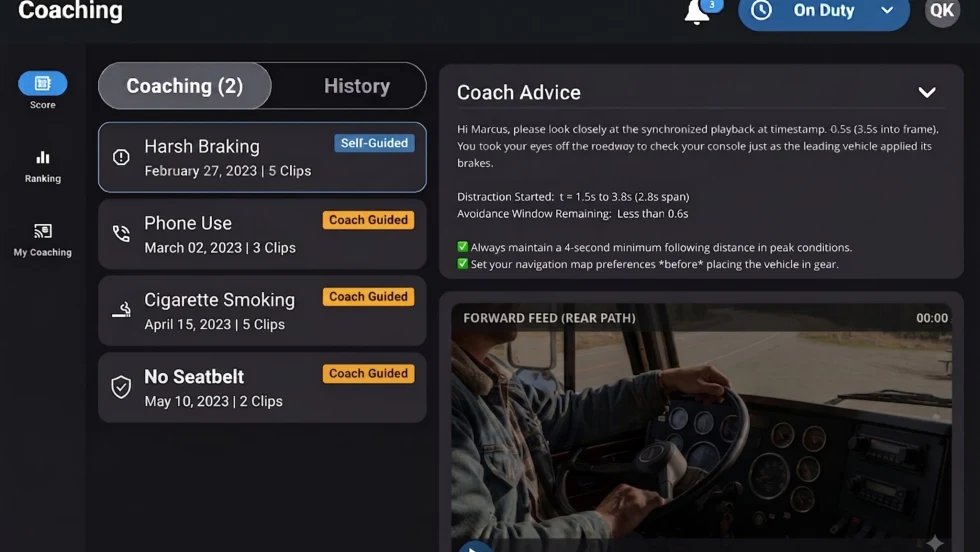
Platform Science Adds Dispatch and Safety Tools
Four additions to PS Fleet help fleets monitor loads, manage driver coaching, share truck locations and adjust video system settings.
Read More →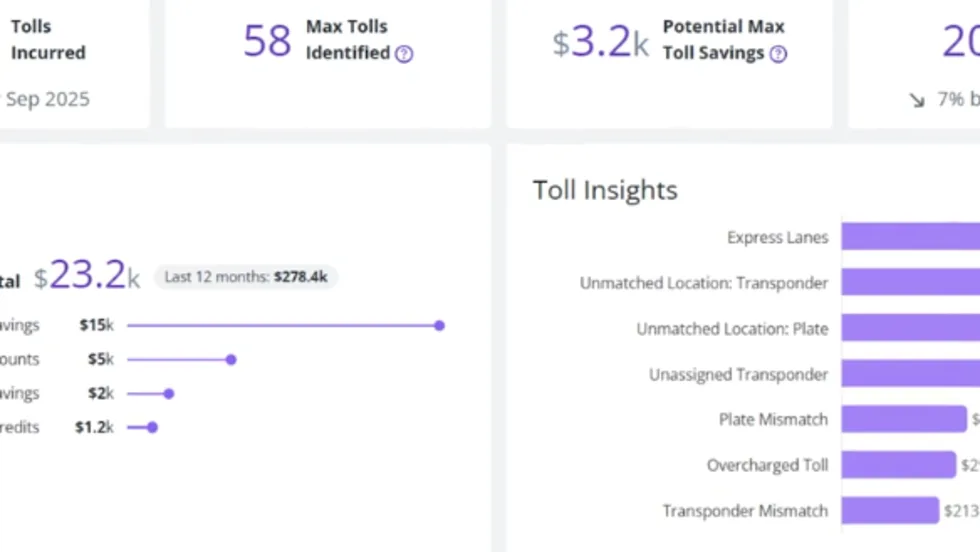
PrePass Intelligence Mines Fleet Bypass, Toll and Safety Data
PrePass Intelligence helps fleets measure bypass savings, flag potential toll overcharges, and spot suspicious transactions by combining data from separate systems.
Read More →
Motive Adds AI Agents for Fleet Operations
New tools automate follow-up on fleet data, from maintenance work orders to driver alerts, with two-way voice conversations planned for later this year.
Read More →
Can You Beat Our Trucking Trivia Challenge?
Test your truck knowledge with 19 trivia questions from Heavy Duty Trucking Exchange. Can you keep up with the fleet pros?
Read More →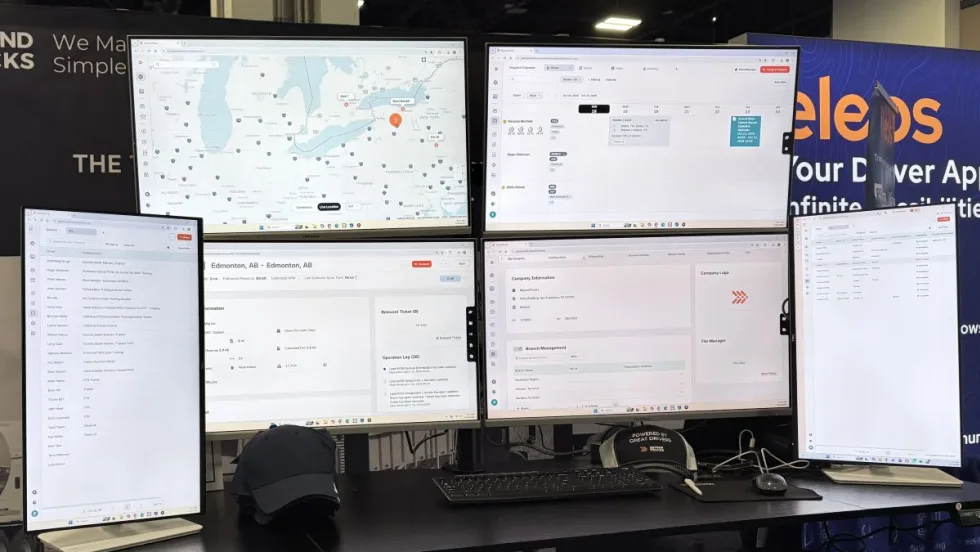
BeyondTrucks Adds Rules Checks to Dispatch
New Compatibility Engine checks driver qualifications, equipment requirements and fleet policies before loads are dispatched.
Read More →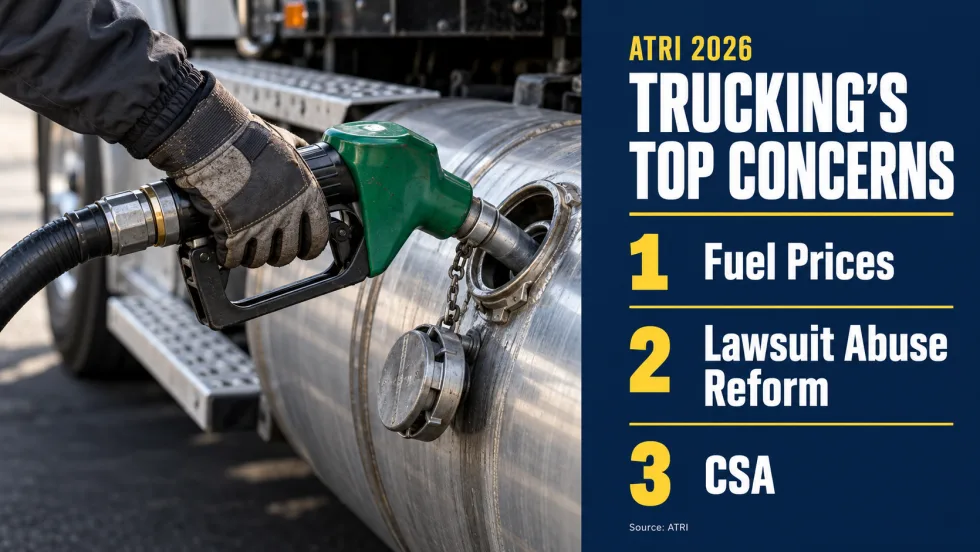
Diesel Prices Hijack Trucking’s Worry List
ATRI’s annual survey finds cautious optimism about freight, but diesel costs, litigation, and insurance continue to squeeze fleets. Drivers have different priorities on several issues.
Read More →
Nomination Deadline Extended for HDT Emerging Leaders
Just a few more days to nominate accomplished trucking fleet professionals under 40 who are making an impact and helping lead the industry forward for the HDT Emerging Leaders award. Deadline extended to October 20!
Read More →
What Will ATA’s New Leader Bring to Trucking's Table?
Incoming President and CEO Mark Colson’s record in Alabama offers clues about his priorities and approach following Chris Spear’s abrupt departure as the head of the American Trucking Associations.
Read More →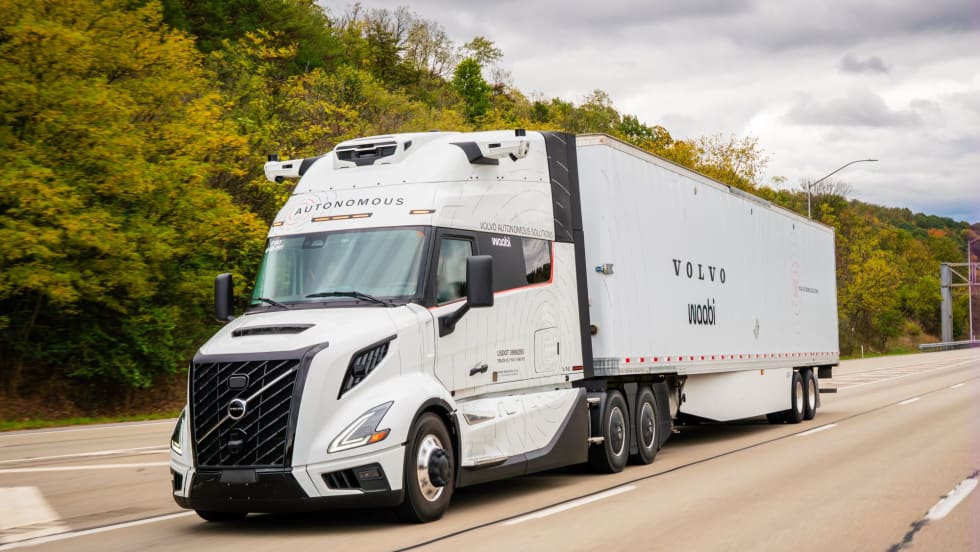
Volvo, Waabi Start Commercial Autonomous Operations in Texas
Volvo VNL Autonomous trucks, powered by the Waabi Driver, are hauling freight directly to third-party facilities for a customer in Texas.
Read More →