





Cummins showed off an emissions reduction concept that promises drastic reductions to NOx and particulate matter emissions in future diesel engines.
Cummins Technology Suite Aims to Lower Diesel Emissions
Cummins showed off an emissions reduction concept that promises drastic reductions to NOx and particulate matter emissions in future diesel engines.
September 19, 2018

Cummins concept emissions reduction suite combines several technologies to reduce NOx and particulate matter in diesel engines.
Photo courtesy Cummins
2 min to read
The Cummins emissions control system technology was on display at the IAA Commercial Vehicles Show in Hannover, Germany and Cummins said that it could minimize emissions enough to meet Euro 7 emissions regulations in the European market.
The concept combines turbocharged air management with exhaust aftertreatment as a single close-coupled system with a new rotary turbine control. The design makes use of Cummins latest air and thermal management advances and the company says it could covert almost all NOx emissions to clean gas as it interacts with the selective catalytic reduction unit.
“This innovative system allows further reduction in NOx and PM emissions, while simultaneously improving fuel efficiency,” said Tim Proctor, Cummins executive director of product management & market innovation.
Other innovative technologies under development by Cummins to reduce friction and parasitic losses will also continue to make the diesel engine even more productive and energy efficient. Additionally, the use of enhanced design tools and advanced materials such as composites will bring opportunities to reduce component weight while retaining strength, further enhancing vehicle productivity.”
The system also includes Cummins connected suite of wireless monitoring, reporting, calibrating and servicing applications to help boost vehicle uptime. It also features over-the-air trim and parameter calibration to allow fleet managers to customize power and speed settings to match business needs and driver behaviors, road conditions, and geographic coordinates.
The technology suite also uses powertrain automation to improve driver efficiency by up to 6%, according to the company. Features such as Predictive Cruise Control use vehicle GPS to see the road ahead and precisely adjust speed to upcoming terrain. SmartCoast places the driveline into neutral on downhill gradients using vehicle momentum to save fuel, while SmartTorque2 constantly calculates the exact torque needed for the truck payload to minimize downshifting.
“While Cummins has a vigorous electrification program underway, our other key message at IAA is that the diesel engine is not standing still,” said Proctor. “With our technical advancements, we see diesel remaining as the primary source of power in the commercial vehicle sector for the foreseeable future. Cummins is committed to ensuring the power of choice is available for our customer’s many different vehicle types, duty cycles and business requirements.”
More Fuel Smarts
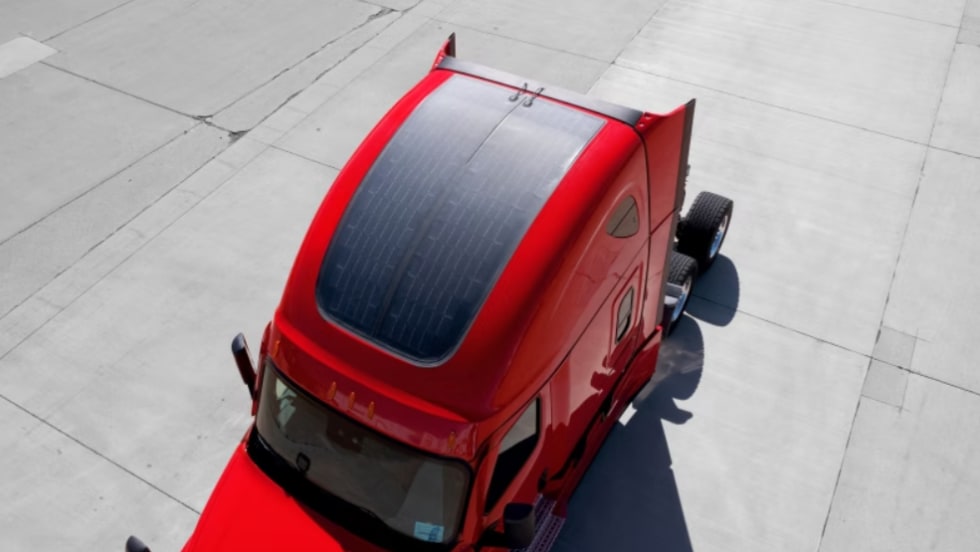
Vanair Introduces Solar, Battery Power Ecosystem for Class 8 Trucks
The company’s expanded EPEQ ecosystem includes flexible solar panels, lithium batteries, hydraulic power systems, and a portable fast charger for electric trucks.
Read More →Vanair Introduces Solar, Battery Power Ecosystem for Class 8 Trucks
The company’s expanded EPEQ ecosystem includes flexible solar panels, lithium batteries, hydraulic power systems, and a portable fast charger for electric trucks.
Read More →
Run on Less “Messy Middle” Data Shows Multiple Paths for Truck Powertrains [Listen]
Listen as Mike Roeth of the North American Council for Freight Efficiency shares insights into battery-electric trucks, natural gas, biofuels, and clean diesel on this episode of HDT Talks Trucking.
Read More →
Run on Less “Messy Middle” Data Shows Multiple Paths Forward for Truck Powertrains [Watch]
NACFE's Run on Less - Messy Middle project demonstrates the power of data in helping to guide the future of alternative fuels and powertrains for heavy-duty trucks.
Read More →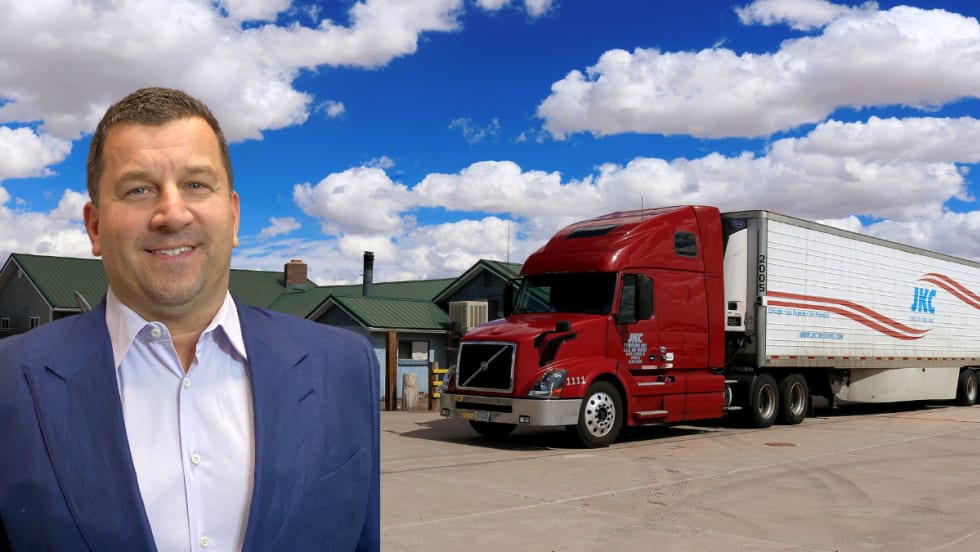
Trucking Executive Warns Fuel Spike from Middle East Conflict Hitting Fleets Fast
Mike Kucharski, vice president of refrigerated carrier JKC Trucking, says diesel price jumps tied to global instability are squeezing carriers already struggling with weak freight rates.
Read More →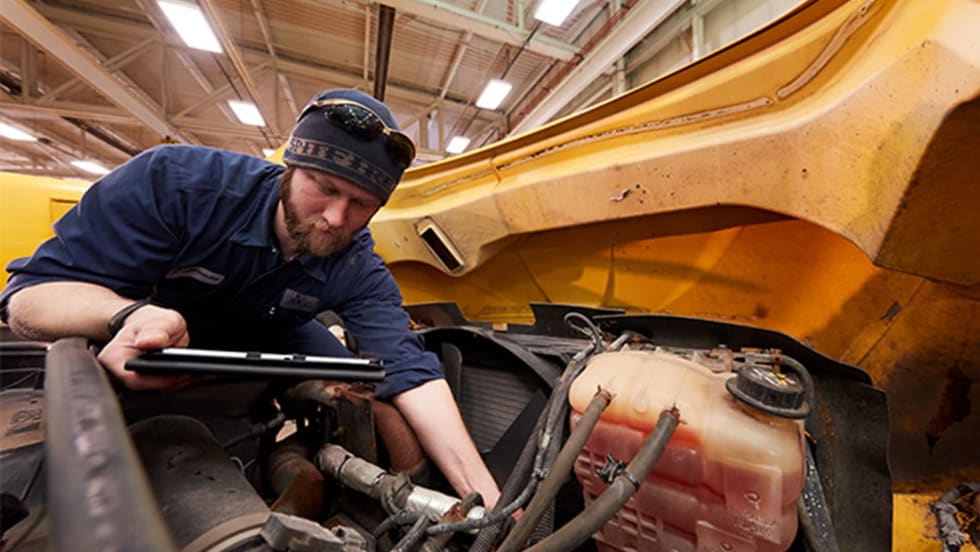
Smarter Maintenance Strategies to Keep Trucks Rolling
In today’s cost-conscious market, fleets are finding new ways to get more value from every truck on the road. See how smarter maintenance strategies can boost uptime, control costs and drive stronger long-term returns.
Read More →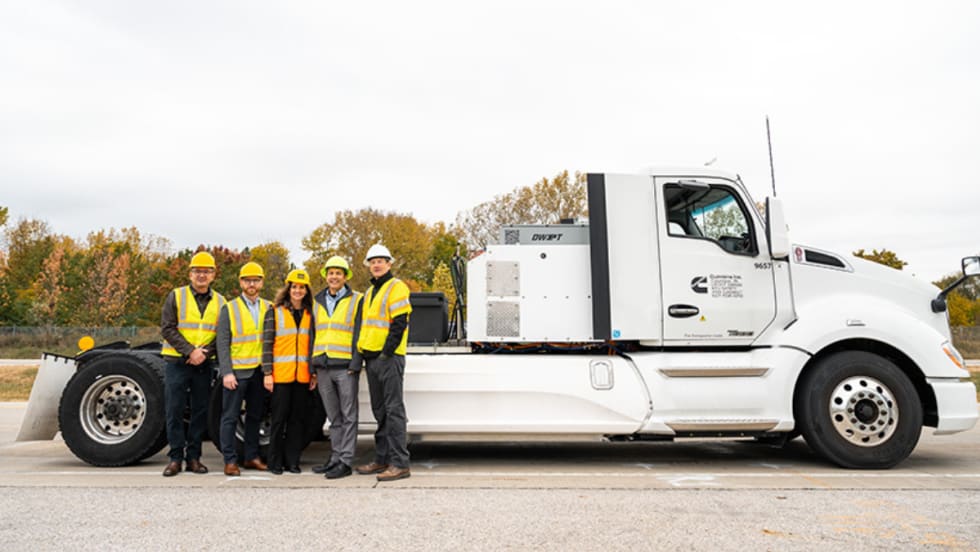
Researchers Demonstrate Wireless Charging of Electric Heavy-Duty Truck at Highway Speeds
Purdue researchers demonstrated a high-power wireless charging system capable of delivering energy to electric heavy-duty trucks at highway speeds, advancing the concept of electrified roadways for freight transportation.
Read More →
EPA Wants to Know: Are DEF De-Rates Really Needed for Diesel Emissions Compliance?
The Environmental Protection Agency is asking diesel engine makers to provide information about diesel exhaust fluid system failures as it considers changes to emissions regulations.
Read More →
Sponsored•February 1, 2026
Stop Watching Footage, Start Driving Results
6 intelligent dashcam tactics to improve safety and boost ROI
Read More →
California: Clean Truck Check Rules Still in Force for Out-of-State Trucks, Despite EPA Disapproval
The Environmental Protection Agency said California can’t enforce its Heavy-Duty Inspection and Maintenance Regulation, known as Clean Truck Check, on vehicles registered outside the state. But California said it will keep enforcing the rule.
Read More →