




Tolls to Increase for Heavy Trucks in Indiana
Tolls are increasing for commercial vehicles in Indiana to pay for an infrastructure project that includes major upgrades to roads.

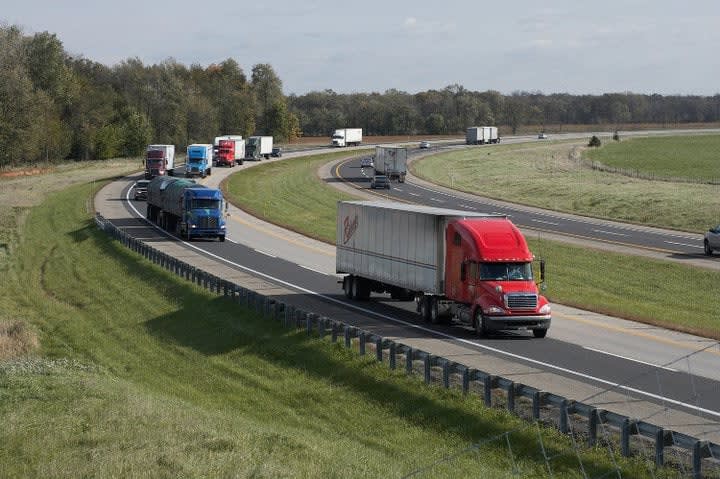
The Indiana Toll Road has announced toll increase for commercial vehicles that will go into effect in October.
Photo: Indiana Toll Road
Tolls are increasing for commercial vehicles in Indiana to pay for an infrastructure project that includes several major upgrades to roads.
The Next Level Connections project, which was announced by Indiana Governor Eric Holcomb will be supported by a one-time toll increase for heavy vehicles with three or more axles traveling on the Indiana Toll Road on Oct. 5, 2018.
Rates will not increase for passenger vehicles and the Indiana Toll Road stated that toll rates will still remain among the lowest in the country. New toll rates are already posted online and amount to a 35% increase.
The state will be using the extra money, as much as $1 billion according to The Journal Gazette, for roads and other infrastructure improvement projects. These enhancements will include:
Expanding the existing Intelligent Transportation System across the eastern and western sections;
Extending fiber optic cable along the full length of the ITR;
Increasing overnight truck parking capacity by over 20%;
Delivering a “smart truck parking” system; and
Implementing electric truck parking stations at all of the eight travel plaza
Naturally, not everyone is on board with the toll increase. A story from Indiana radio station WIBC quoted Gary Langston, president of the Indiana Motor Truck Association, saying, "The administration likes to make people think that as long as it's only trucks no one else will be impacted." He also characterized the way the toll funds were being used as a waste of money, adding that even though passenger cars wouldn't see increased tolls, the price to haul goods would likely go up, increasing the cost to the consumer.
More Drivers

Why Hiring Truck Drivers Is Getting Harder
Higher recruiting costs, a shrinking driver pool, and renewed pay competition are raising the stakes for fleets heading into 2027.
Read More →
Roehl Offers Truck Drivers $10,000 Retention Incentive
Payments begin after the first load and continue in mileage-based installments for eligible experienced drivers joining the fleet.
Read More →
Platform Science Adds Dispatch and Safety Tools
Four additions to PS Fleet help fleets monitor loads, manage driver coaching, share truck locations and adjust video system settings.
Read More →
When Language Stops the Truck: The Return of ELP Out-of-Service Orders
English language proficiency rules for commercial drivers aren’t new, but renewed out-of-service enforcement has raised the stakes. Here’s what carriers need to know before a driver reaches a roadside inspection.
Read More →
Samsara Launches Custom AI Agent Builder
Agent Studio lets fleets create AI tools for hours-of-service monitoring, reporting and driver support, including agents that communicate by phone.
Read More →
Trucker Path Expands Reserved Parking Network
Trucker Path has added close to 6,000 more truck parking spaces to its Trucker Path Reserved Parking Network with the addition of Safe Truck Parking.
Read More →
EEOC Sues Texas Trucking Company Over Driver Age Limits
The agency says Trancasa USA rejected applicants over 65 and applied tougher driving-record standards to those over 60.
Read More →
Nussbaum, Roehl Announce Second Driver Pay Increase This Year
This year has seen a swath of major truck driver pay increases as freight capacity has tightened.
Read More →
From One Generation to the Next: How Mentorship Builds Safer Truck Drivers
After three decades in trucking, Harold Perry shares what he's learned about driver safety, mentorship, and helping the next generation build confidence behind the wheel.
Read More →
Truck Drivers Need More Than Another Alert
Fleets have more visibility into truck health, safety events, and driver activity than ever. The next challenge is turning all that information into useful guidance for the person who has to decide what to do next.
Read More →