





Related: Phillips Offers Update on Ultimate Connected Smart Trailer
The Tales Trailers Tell: High-Tech Communications
A growing number of OEMs and suppliers are starting to take a hard look at how to improve the flow of information about the function, health or cargo in a trailer as the latest step toward total logistics transparency.
March 27, 2018
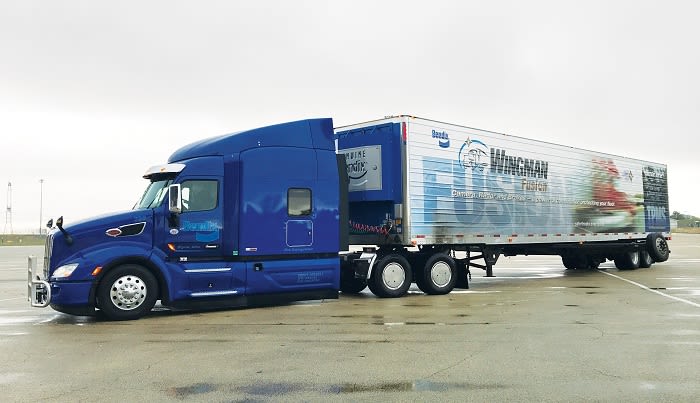
Trailers have lagged behind tractors in terms of communicating both with power units and the outside world. That is about to change. Photo: Bendix
5 min to read
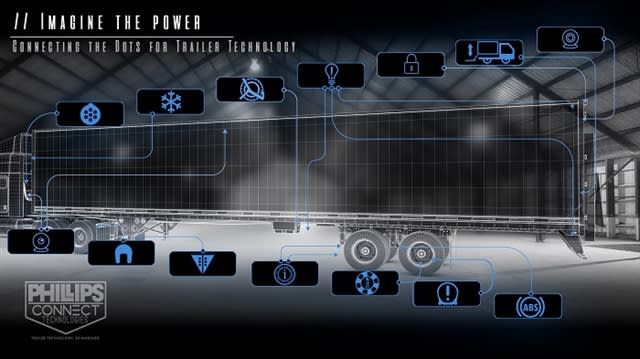
Integrated trailer networking systems are streamlining the information flow from sensors throughout trailers today to make obtaining and acting on data easier for drivers, fleets, shippers and receivers.Photo: Phillips
The idea of trucks communicating wirelessly with fleet managers hundreds or even thousands of miles away has moved from the realm of science fiction to everyday reality. But bridging the vastly smaller distance between a tractor and a trailer has lagged behind. A growing number of OEMs and suppliers are starting to take a hard look at how to improve the flow of information about the function, health or cargo in a trailer as the latest step toward total logistics transparency.
The initial push in better trailer and body communication is being driven by safety technology, as more fleets spec advanced vehicle safety systems. The need for robust, effective communication systems capable of integrating with those safety systems, as well as coordinating data and synchronizing appropriate responses to roadway hazards, has been vital in prompting the development of better trailer communication to the tractor.
Fred Andersky, director of customer solutions for Bendix, says communication links between tractor and trailer will need to be improved as the industry moves toward a more automated future. Moreover, he says, the issue of tractor-trailer communication is still a hindrance for implementing connected vehicle (V2V) technology. Being able to identify trailer presence and length is critical for implementing V2V, which is also critical for the autonomous future.
“Europe is already there today with a required direct connection to enable clearer communications between tractor and trailer,” Andersky explains. “Looking ahead, I can see the potential for a trailer-specific CAN bus that is linked directly to the power unit’s CAN bus to efficiently share information, control and connectivity on the vehicle. Wireless systems are a possibility that is being explored today as well.”
Haldex has been working for decades on various methods of relaying data between trailer bodies and truck power units, notes Brian Marshall, the company’s chief engineer, systems and electronics. He says the topic has attracted a lot of attention at recent ATA Technology & Maintenance Council meetings. “I think we’re at a point in the industry where the value of these systems, whether they’re communicating data to the driver, a fleet manager, or a shipper, is recognized,” Marshall says. “But up to now, fleets had to spec several different systems from different providers and monitor different systems in order to obtain and analyze the data they receive.”
Trailers have lagged behind tractors in terms of communicating both with power units and the outside world. That is about to change.Photo: Bendix
A new era in fleet management?
Marshall thinks the next step in the evolution of trailer networking and communication will be toward system integration that channels the flow of data to a reduced number of system interfaces. “This makes a lot of sense when you look at it from the driver and fleet perspective,” he says. “They want one place to go and get information from all these myriad systems, whether it’s a temperature monitoring system in a reefer, a tire pressure management system, a safety system, or a self-diagnostic maintenance system. The next move will be a removal of all those different and competing interface layers in order to make things less confusing for the driver and easier to manage for the fleets.”
The potential of this technology becomes apparent if you consider all the different systems, functions and applications that apply to trailers and bodies, says Gerry Mead, executive director of innovation for Phillips Industries. He believes integration will be the first crucial step toward a much broader array of capabilities.
“Just to name a few items,” he says, “anything from lighting, braking, refrigeration, liftgates and even a dump unit are candidates for a coordinated trailer communication network. The collaboration efforts and work to create a network that enables these different manufacturers to communicate on is critical. Secondly, the platform on which the data is collected and displayed for analysis is vital to the end user. Both are items that are under development today and are a first for a trailer to my knowledge.”
Brett Jackson, product and segment development manager for Truck-Lite’s Road Ready Trailer networking system, says his company just released a new, agnostic communications system at the 2018 TMC meeting in Atlanta, which builds on the push for integrated communication platforms that can relay a wide range of trailer-specific data to fleets, OEs and other interested parties.
“We are really trying to create a network around the trailer itself,” Jackson says. “So we’ve opened up our Road Ready system to allow other OEs with sensors on the trailer to use our technology to relay data back to fleet managers, without the need for a power unit CAN bus.”
With the advent of its new system, Jackson says Road Ready will be able to relay data relating to any aspect of trailer management for fleets – whether that means locating the unit in a yard, performing pre-trip inspections to ensure the unit is road-ready without eating into the driver’s hours of service, monitoring temperature or other cargo-specific information, or relaying fault codes from brakes, axles, tire pressure management systems or any other telematics system.
“We think this is a holistic approach that fills a huge hole in a fleet’s need for trailer intelligence,” Jackson explains. “And we can relay data to them in real time, so critical warnings can be acted on before there’s a component failure or a CSA violation.”
Bill Ellis, managing director at Phillips Connect Technologies, says over time, today’s trailer telematics capabilities will evolve to include additional monitoring and management functions, such as providing drivers, fleets and shippers dynamic cargo information, cargo weights and axle load distribution, light-out detection, brake wear, anti-lock brake faults, down to tire pressure and cargo-specific data.
“If you start to couple those capabilities with diagnostics and prognostics for common failure points like brakes, lights and tires, add the ability to pre-check a trailer before it leaves a yard, that technology will increase efficiency and lead to reduced Compliance, Safety, Accountability (CSA) related failures as well as an increase in driver productivity,” Ellis says. “It will also provide better analysis on failures and lead to prolonged service intervals and component life. All of which adds up to increased revenue for fleets.”
Subscribe to Our Newsletter
More Fleet Management
Why This Trucking Recovery Is Different
Freight demand remains sluggish, but rising costs and tougher enforcement have taken enough capacity out of the market to change the outlook for motor carriers.
Read More →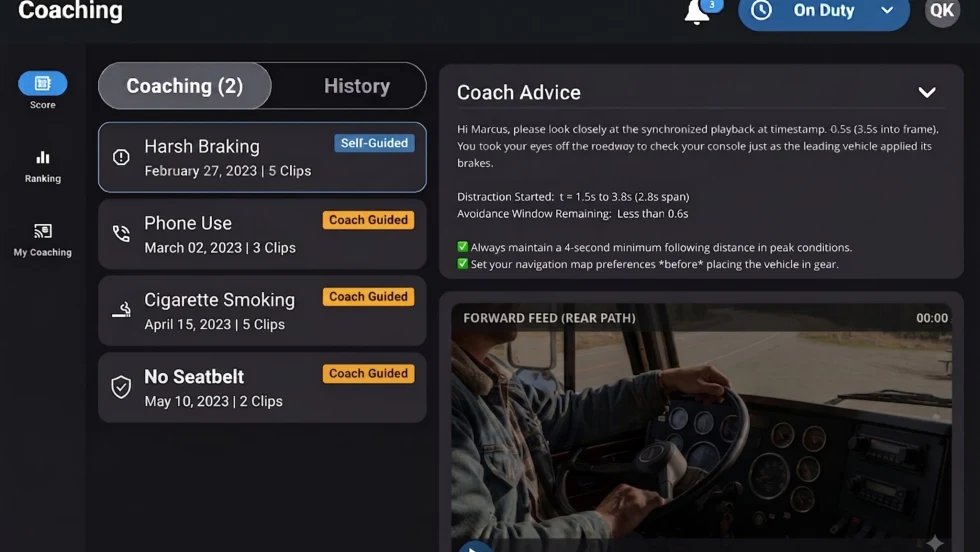
Platform Science Adds Dispatch and Safety Tools
Four additions to PS Fleet help fleets monitor loads, manage driver coaching, share truck locations and adjust video system settings.
Read More →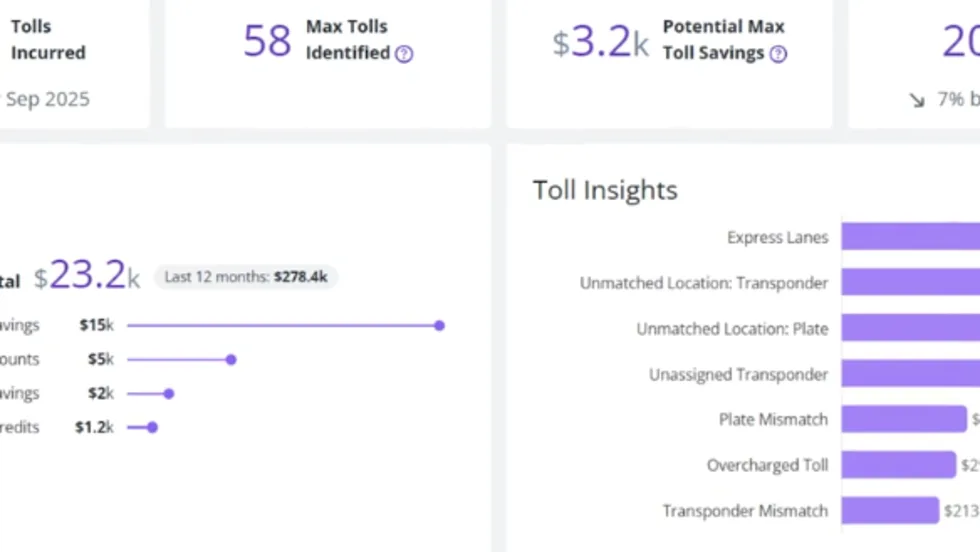
PrePass Intelligence Mines Fleet Bypass, Toll and Safety Data
PrePass Intelligence helps fleets measure bypass savings, flag potential toll overcharges, and spot suspicious transactions by combining data from separate systems.
Read More →
Motive Adds AI Agents for Fleet Operations
New tools automate follow-up on fleet data, from maintenance work orders to driver alerts, with two-way voice conversations planned for later this year.
Read More →
Can You Beat Our Trucking Trivia Challenge?
Test your truck knowledge with 19 trivia questions from Heavy Duty Trucking Exchange. Can you keep up with the fleet pros?
Read More →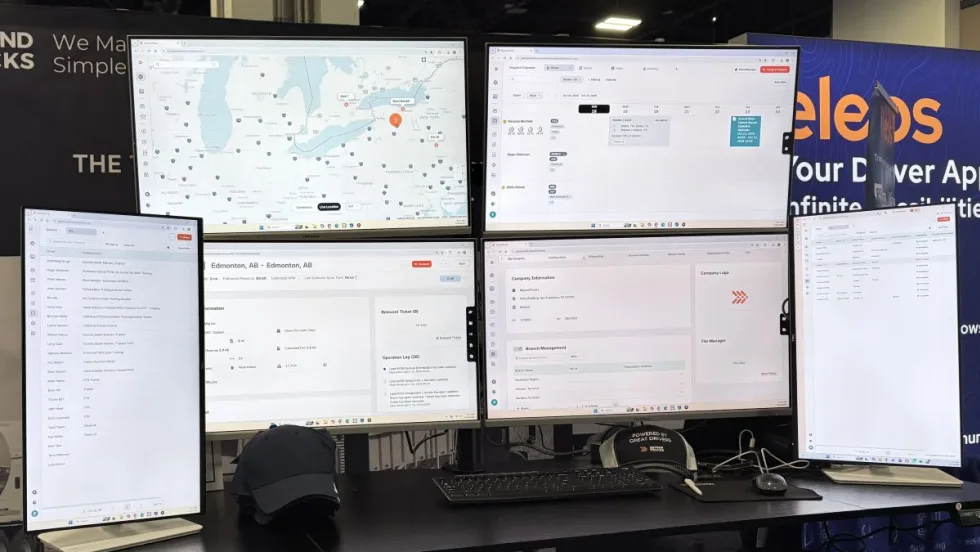
BeyondTrucks Adds Rules Checks to Dispatch
New Compatibility Engine checks driver qualifications, equipment requirements and fleet policies before loads are dispatched.
Read More →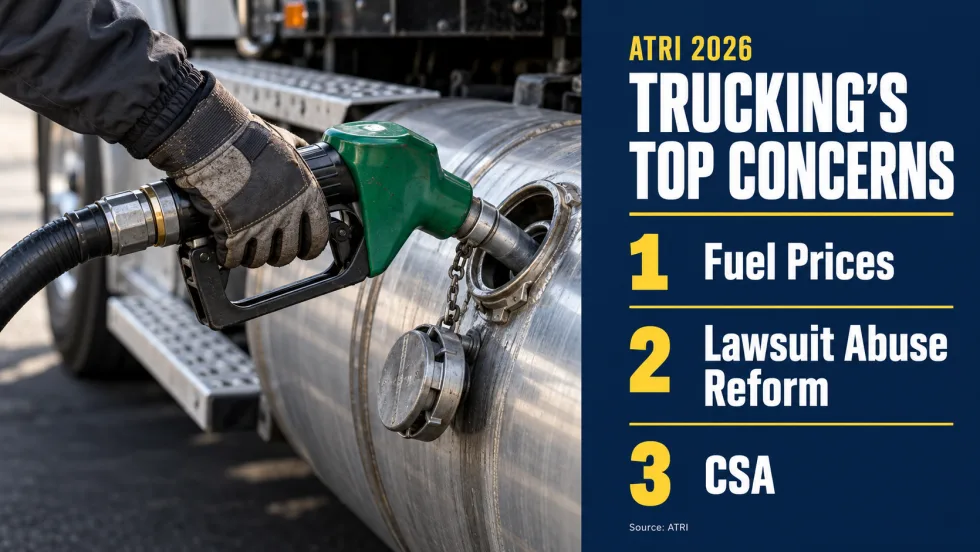
Diesel Prices Hijack Trucking’s Worry List
ATRI’s annual survey finds cautious optimism about freight, but diesel costs, litigation, and insurance continue to squeeze fleets. Drivers have different priorities on several issues.
Read More →
Nomination Deadline Extended for HDT Emerging Leaders
Just a few more days to nominate accomplished trucking fleet professionals under 40 who are making an impact and helping lead the industry forward for the HDT Emerging Leaders award. Deadline extended to October 20!
Read More →
What Will ATA’s New Leader Bring to Trucking's Table?
Incoming President and CEO Mark Colson’s record in Alabama offers clues about his priorities and approach following Chris Spear’s abrupt departure as the head of the American Trucking Associations.
Read More →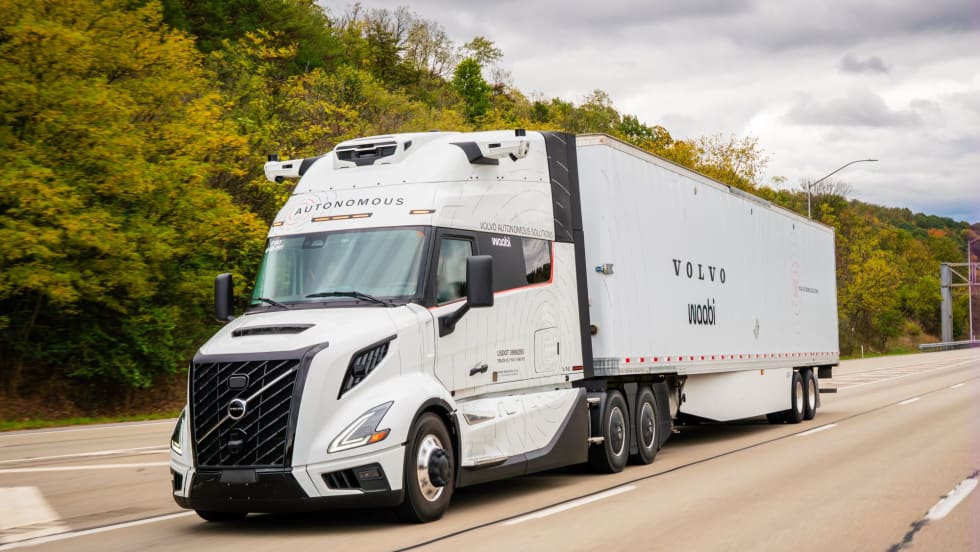
Volvo, Waabi Start Commercial Autonomous Operations in Texas
Volvo VNL Autonomous trucks, powered by the Waabi Driver, are hauling freight directly to third-party facilities for a customer in Texas.
Read More →