Using Telematics to Boost Truck and Cargo Security
The advent of the "Internet of Things" concept in trucks helps fleets improve security for vehicles, drivers and cargo, with smart devices, locks and sensors that do their work in the background.
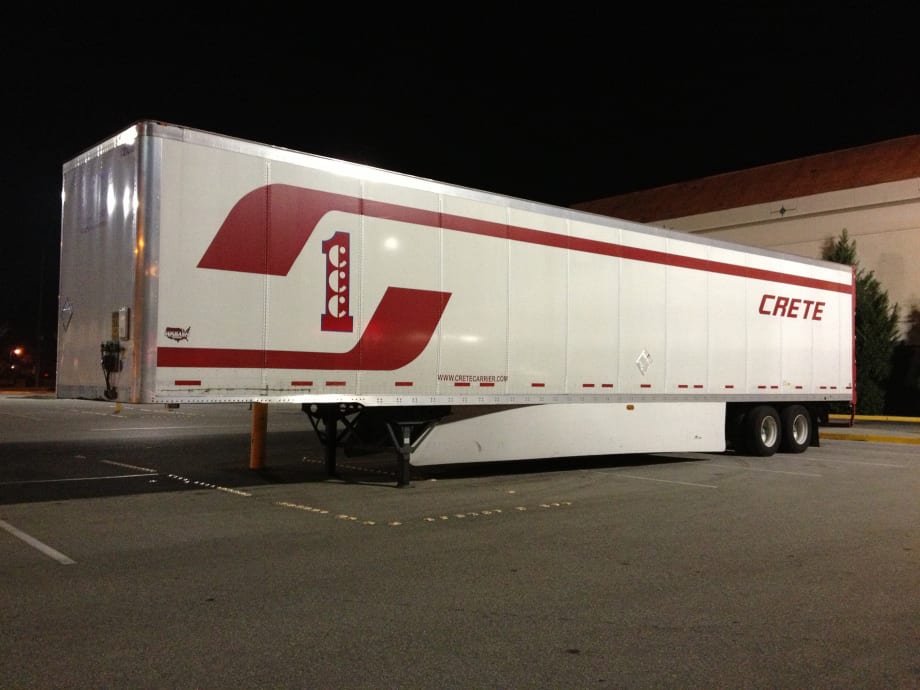
A trailer dropped at night in an unsecured lot could be a target for thieves, but the Internet of Things and telematics can help keep it safe.Photo by Evan Lockridge
3 min to read
A trailer dropped at night in an unsecured lot could be a target for thieves, but the Internet of Things and telematics can help keep it safe. Photo by Evan Lockridge
Fleets have used telematics and mobile communication devices for some time to keep tabs on their trucks and trailers, primarily for productivity and safety reasons. Going a step further, the advent of the "Internet of Things" concept in trucks helps fleets improve security for vehicles, drivers and cargo, with smart devices, locks and sensors that do their work in the background.
Ad Loading...
Geofencing capabilities found in most telematics systems send fleet managers alerts when a truck goes off-route. If a vehicle theft is suspected, many systems allow fleet managers to remotely de-power the engine. Location information from the onboard system can be relayed to law enforcement for further action.
Ad Loading...
Trailer, reefer and cargo management systems track trailers and the cargos inside, tethered or not.
Many dedicated trailer-tracking products, such as those produced by SkyBitz, can report on cargo status when coupled with cargo sensors. In addition to location, these systems can show door open/close status and provide geofencing capabilities that alert managers when trailers are moved from pre-designated locations.
Smart security devices
Smart locks and other security devices also serve to protect trailers and cargo.
This week, LoJack Corp., which provides vehicle theft recovery and advanced fleet management solutions, announced collaboration with AT&T to power LoJack's current and future telematics solutions.
"The work we have planned with LoJack is a great example of how the industrial Internet of Things is going to reduce costs and enable exciting new solutions for customers," said Chris Penrose, senior Vice President, Internet of Things, AT&T Mobility.
Photo: TrakLok
TrakLok International, a cargo security firm specializing in trailer and container security, recently added new features to its cargo security platform, which include alerts for locked/unlocked and latched/unlatched status changes of the trailer doors. The alerts, along with GPS-based location information, are transmitted via a wireless devices. A geofencing feature prevents the trailer lock from opening anywhere but a user-defined location.
Ad Loading...
Tyco Integrated Security offers a system that also controls when the trailer can be unlocked based on location. That system can remotely slow the speed of the vehicle if it is off-route and possibly stolen. Mangers also can remotely control the truck’s maximum speed setting, plus it monitors seat-belt usage and includes “panic button” capabilities that allow drivers to signal when a security problem arises.
In interview last year, Don Hsieh, Tyco’s director of commercial and industrial marketing, said such systems allow fleets to “take the telematics information to another level; now it’s actionable.”
Last year Orbcomm unveiled a chassis-tracking system that includes its CargoWatch web-based application that provides alerts on chassis location, geofence entry and exit, status change events (when containers are mounted or removed) and historical reporting, said Craig Montgomery, senior vice president of marketing in an interview following the announcement.
Fuel theft prevention
Telematics systems also come into play in preventing fuel theft. A system from PeopleNet’s Vusion division combines data from a number of sources such as a truck’s tank level at key off, tank level at key on and then compares that to any fuel card charges to help spot fuel theft or fraud.
Blue Tree System’s R:Com Fuel Auditor module performs the same kind of function. It takes the fuel burned by the engine and compares it against the fuel purchased during the same time. Users can determine how much variance is significant in their case and focus on those instances.
Ad Loading...
Smart devices, coupled with telematics can play an important role in truck, driver and cargo security.
Heavy Duty Trucking's Top 20 Products awards recognize the best new products and technologies. Check out the award presentations at the 2026 Technology & Maintenance Council annual meeting.
The Detroit® Gen 6 engine platform proves that real progress doesn’t require a complete redesign. Built on 20 years of trusted technology, these engines are designed for efficiency, stronger performance, and greater reliability than before. And they do it all while complying with 2027 EPA standards on every mile.
The 2026 ACT Expo is focusing heavily on what organizer Erik Neandross calls trucking's digital frontier. This interview excerpt dives into artificial intelligence, zero-emission vehicles, and tips to make sense of it all.
There's an amazing amount of new technology for trucking out there. For fleets, the challenge is figuring out what’s real, what’s hype, and what’s worth investing in.
Artificial intelligence, the software-defined vehicle, telematics, autonomous trucks, electric trucks and alternative fuels, and more in this HDT Talks Trucking interview
ACT Research data shows volumes hitting a four-year high and supply-demand balance strengthening, but higher oil prices are undercutting tariff relief and tempering optimism.
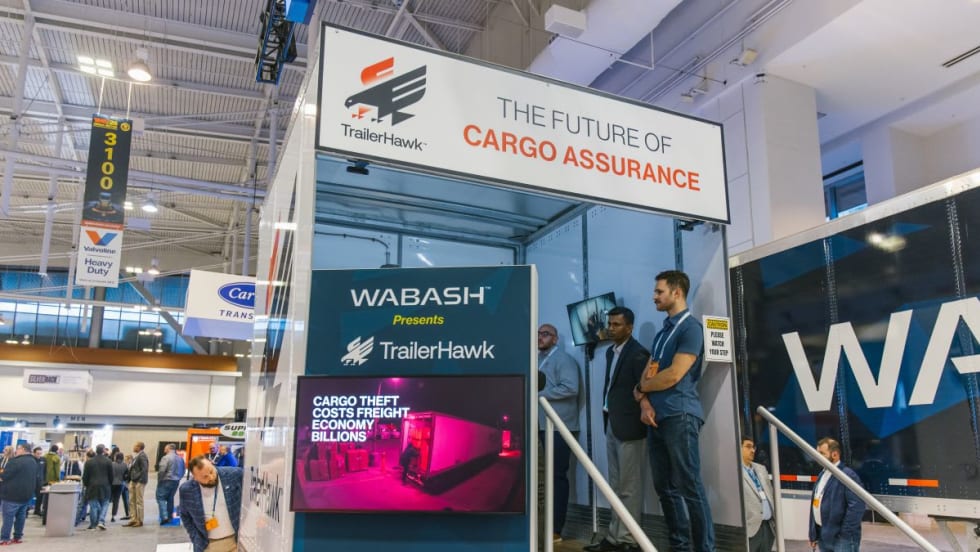
The patent-pending cargo solution integrates a digitally connected cargo door and an intelligent locking system with the TrailerHawk.AI technology platform.
Speaking at the TMC Annual Meeting in Nashville, ATA President Chris Spear said trucking faces mounting pressure from rising fuel prices, geopolitical instability, and uncertainty around trade policy.
More than 100,000 new trucking companies enter the industry each year, but regulators manage to audit only a fraction of them. That churn creates opportunities for inexperienced startups — and for “chameleon carriers” that shut down after safety violations and reappear under new identities. Read more from Deborah Lockridge in this commentary.