




Gas-to-Liquids Technology Makes Fuel, Oil From Natural Gas
A a giant facility in Qatar, Shell is turning natural gas into products normally produced from crude oil — fuel, base oils, paraffin, kerosene, etc.

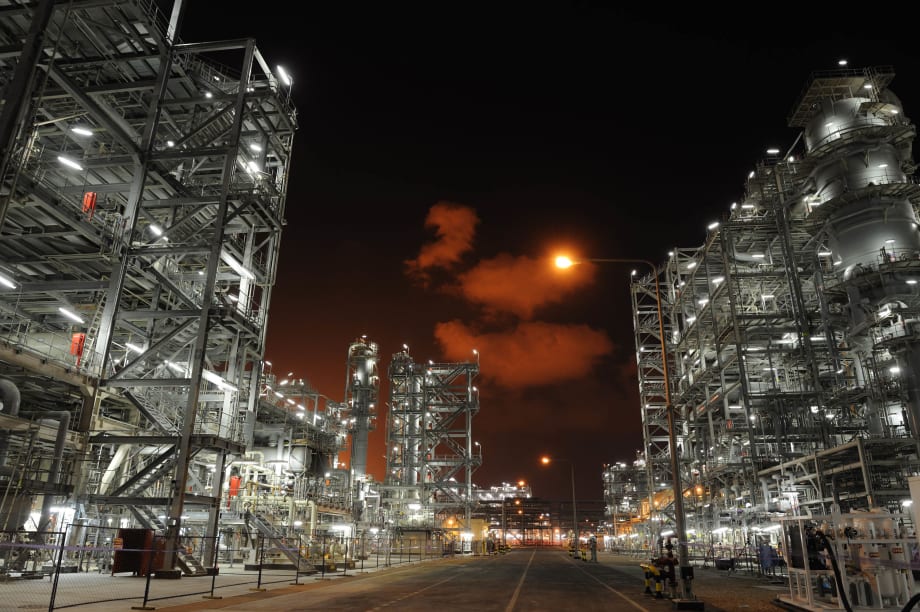
Shell’s gas-to-liquids plant in Qatar is the largest in the world. Photo: Shell

At a giant facility in Qatar, Shell is turning natural gas into products normally produced from crude oil — fuel, base oils, paraffin, kerosene, etc.
Shell started looking for a way to convert natural gas into liquid hydrocarbons back during the Middle East oil crisis of the 1970s. While it found a way to do it in the lab, the researchers could only make a few drops a day. It took 10 years to get to where they could produce a larger sample — a whopping three barrels per day.
It took another 10 years to start producing commercially at a plant in Malaysia in 1993, which today can produce 14,700 barrels a day.
In 2012, Shell’s Pearl GTL plant started production in Qatar. The size of 453 soccer fields and made with enough steel to build 10 Eiffel towers, the Qatar plant can produce 140,000 barrels a day. The complex process is covered by 3,500 patents.
“Shell produces a lot more natural gas than oil these days, and we need to find ways of making that useful for transportation industries,” explains Richard Tucker, general manager of commercial and industry fuels and lubricants technology for Shell.
In a couple of global markets, where fuel quality is a problem, Shell is putting the GTL “gasoil” fuel into the market as a pure diesel fuel. “It’s cleaner burning and helps to reduce emissions, and has a very high cetane number, around 80.
“It also can help reduce engine noise,” Tucker notes.
GTL diesel fuel also can be used to blend with petroleum-based diesel to improve it.
Probably the first place GTL will get widespread use in the U.S. won’t actually be in fuels, but in engine oils, as Shell likely will use the purer base stock to help it create lower-viscosity engine oils to improve fuel economy and meet the upcoming new engine oil classification standards. GTL-based lubricants already are being used in light vehicles.
In fact, Shell just launched Pennzoil products containing GTL in the U.S., a top-tier product called Pennzoil Ultra, for autos, according to Selda Gunsel, Shell vice president of technology.
“We have current research and development projects we are focusing on for heavy-duty using GTL,” she says. “We’ve developed prototypes and are doing field trials. It will be applied to heavy-duty engine oil, transmission fluids, grease, because the base oils make them suitable for formulating high-performance lubricants for virtually any application.”
The U.S. Energy Department says there are currently five GTL plants operating globally, with capacities ranging from 2,700 barrels per day to Shell’s 140,000. None are currently in the U.S. Several have been proposed, but late last year, according to DOE, Shell cancelled plans to build a large-scale GTL facility in Louisiana because of high estimated capital costs and market uncertainty regarding natural gas and petroleum product prices. n
More Fuel Smarts

EPA Proposal Could Ease 2027 Truck Costs and Buying Uncertainty
The proposal doesn't change the tougher NOx standard, but it would revise key implementation requirements that manufacturers say have driven up costs and complicated fleet purchasing decisions.
Read More →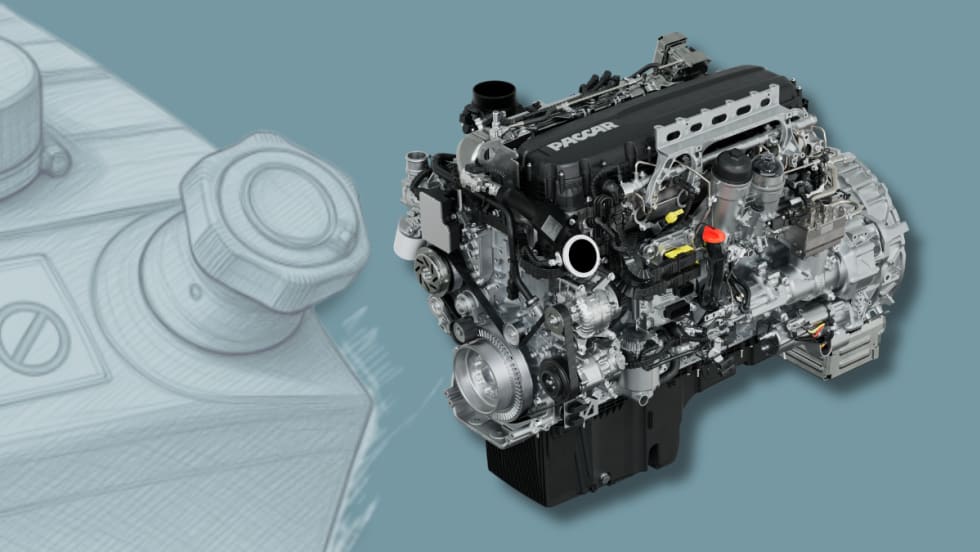
Cummins, Paccar Ease DEF Derates After EPA Guidance
Updated diesel engine software gives truck operators more time to address emissions-system issues while staying compliant with EPA emissions standards.
Read More →
Maintenance in the Messy Middle Part 3: Biodiesel
Biodiesel can reduce emissions, improve fuel-system lubricity and use existing diesel infrastructure. But NACFE’s Messy Middle maintenance report says fleets must actively manage storage, cold-weather operation, filters and oil drain intervals to avoid problems.
Read More →
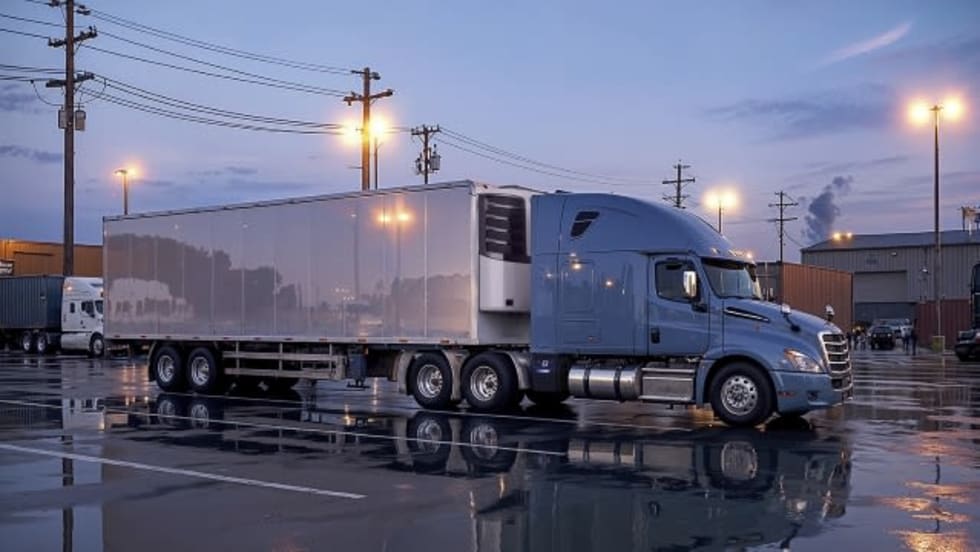
Enhance Fleet Performance with High-Efficiency Auxiliary Power Units
Drive sustainable cost savings while increasing driver comfort during short- and long-haul logistics operations.
Read More →
Maintenance in the ‘Messy Middle’ Part 2: Renewable Diesel Fuel
NACFE's latest Messy Middle Powertrain Service & Maintenance report says renewable diesel gives fleets an opportunity to reduce carbon emissions without changing trucks, fueling infrastructure or maintenance practices. But technicians still need to understand several important operational differences.
Read More →
The Diesel Engine Enters NACFE’s ‘Messy Middle’
NACFE’s new Messy Middle Powertrain Service & Maintenance report says keeping modern diesel engines running now depends as much on software, diagnostics and data as traditional mechanical service.
Read More →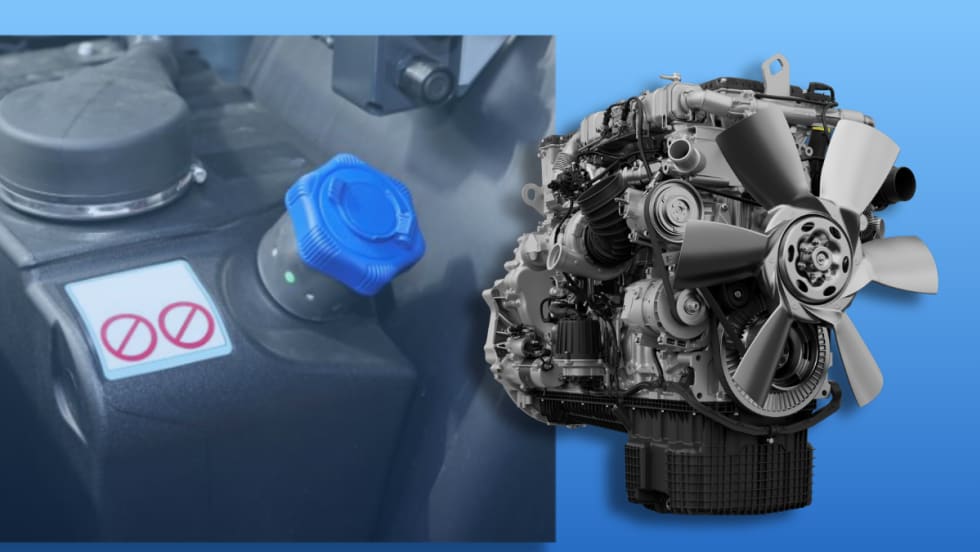
DTNA Software Update Gives Truckers More Time Before DEF Derates Take Effect
The changes reflect EPA guidance aimed at reducing downtime caused by emissions-system faults while maintaining compliance requirements.
Read More →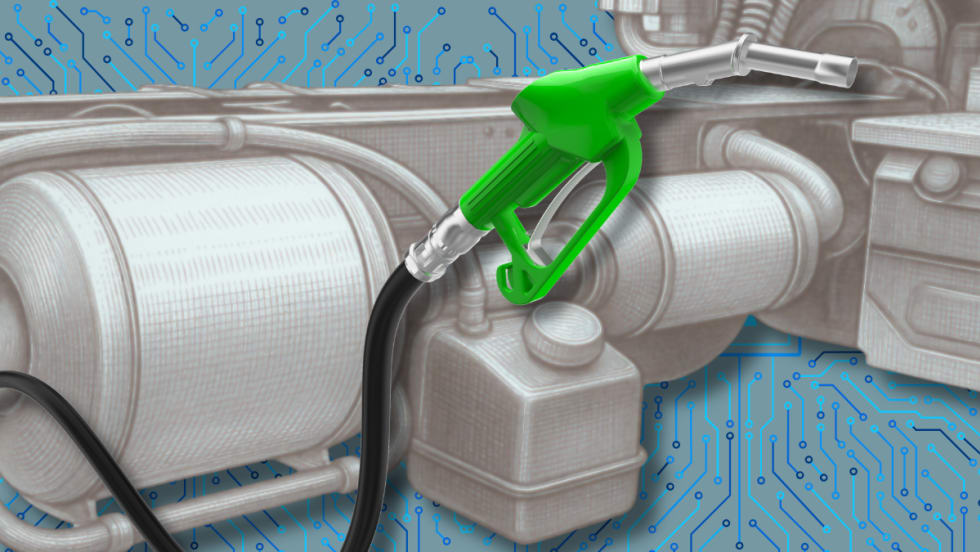
New Agentic Predictive Maintenance Report Demonstrates How Degraded Aftertreatment Systems Waste Fuel
Questar analyzed a large mixed-class fleet and discovered it was wasting as much as $30 in fuel per vehicle, per day, because of mechanically degraded aftertreatment systems.
Read More →
New York City's Microhub Project is Delivering Results
Trucking, last-mile delivery companies, and environmental advocates like what they are seeing so far with New York's microhub program.
Read More →
Lessons Learned About Alternative Fuels: Start Small, Stay Flexible
Practical advice on adopting alternative fuels and ZEVs from HDT's 2026 Top Green Fleets, from renewable diesel and natural gas to electric trucks.
Read More →