




In the heavy-duty trucking business, fleet managers must be ready to expect the unexpected as seemingly minor unexpected maintenance can ultimately lead to a major system failure.
Maximizing Filter Performance To Reduce Maintenance Costs
In the heavy-duty trucking business, fleet managers must be ready to expect the unexpected as seemingly minor unexpected maintenance can ultimately lead to a major system failure
by Contributed Pete Haskell, Director of Heavy Duty Sales with Luber-finer
January 17, 2013
To avoid roadside breakdowns, fleet managers should have thorough preventive maintenance programs in place.
4 min to read
Additionally, revised emission standards have made it more important than ever to have the proper preventive maintenance plan in place.
Preventive maintenance programs enable companies to manage their service and repairs in a proactive fashion before failure, while at the same time maintaining optimum productivity with minimum time and money needing to be spent on repairs.
Adequately protecting the engines of your heavy-duty trucking fleet is one core part of any preventive maintenance program, but since the latest round of emission changes, fleet managers are struggling to protect those engines.
According to the J.D. Power and Associates "2010 U.S. Heavy-Duty Truck Engine and Transmission Study," problem rates for heavy-duty truck engines are nearly twice as high as rates for engines manufactured prior to the emission revisions that were implemented in 2004 and 2007. To protect engines, fleet managers must start by understanding the filters that protect that engine. This includes when to change those filters and which filters are best for their applications.
Filter Maintenance 101
Oil service intervals, pre-determined by engine manufacturers, are designed to provide maximum engine protection under a wide variety of guidelines. However, many equipment owners are looking to extend oil service interval time. Oil filters alone cannot protect engines against harmful contaminants, such as dirt and dust. Operators should manage their oil filters correctly to ensure that the engine is safe from contaminants, which not only extends engine life and reduces engine wear, but also reduces downtime and operating costs.
Oil filter maintenance starts with knowing when to change the filter. Regardless of how effective a filter is, it will have to be replaced at some point. A rule of thumb operators can follow is to change the filters every time the vehicle's oil is changed to ensure peak operational efficiency.
It is also recommended that a heavy-duty oil filter be changed every 20,000 miles, although innovative new filter designs have enabled construction owners to push that change interval closer to 40,000 miles.
Extending oil drain intervals not only requires the right filter, but the right plan. Any decision to extend oil drain intervals must be based on oil analysis and adherence to OEM criteria for acceptable oil-operating properties. Some fleet managers are using online calculators to help them understand current maintenance costs associated with oil changes. Understanding your filter's capabilities is critical to fully protecting your engine.
Protecting the engine means capturing both the large and small particles that pass through the filter, and that means focusing on micron rating.
A filter's micron rating represents the size of a particle that can be removed from the fluid passing through it. For example, an oil filter could be rated as a "10-micron" filter, which means it has the capability to capture particles as small as 10 microns (the equivalent of talcum powder) or larger.
Different filters are more efficient at removing different sized particles, making filter selection an important part of the maintenance process.
Selecting the Right Filter
There are various filters available for heavy-duty vehicles, including oil filters, fuel/water separation filters, air filters, hydraulic filters and cabin air filters. Each type of filter plays an important role in protecting your vehicle.
Fuel/water separation filters fight water and other contaminants in the fuel line. Air filters remove airborne contaminants and provide strong dirt-holding capacity in the most extreme operating environments. Hydraulic filters ensure reduced system wear and sensitivity, which lowers maintenance costs. These filters can be used in virtually any heavy-duty application.
While the value of these filters is well known to many operators, the value of the cabin air filter remains a bit of a mystery. While those other filters play a prominent role in protecting the equipment and parts, the cabin air filter plays an important role in protecting the worker.
But when it comes to protecting the engine, the focus must be on selecting the right heavy-duty oil filter.
Owners can choose between a standard oil filter and an extended-life filter. Extended-life filters keep oil flowing smoothly across the media while delivering extremely high filter efficiency over a longer period of time. They have one-and-a-half times the filter capacity of cellulose filters with a contaminant-holding capacity of 90 grams versus 60 grams for conventional filters.
Extended-life filters also feature higher efficiency, which means fewer contaminants passing through the filter media. Extended-life filters protect engine parts by permitting oil to flow freely during cold engine starts. Conventional filters typically have a 30-gram contaminant-holding capacity, but extended-life filters offer a 15-gram contaminant-holding capacity.
Conclusion
Today's fleet manager can't afford to gamble on how they protect their engines.
One of the easiest ways to avoid catastrophic engine failure is to invest in the right filter technology that will extend engine life and reduce engine wear, which in turn will lead to decreased downtime and maintenance costs.
Subscribe to Our Newsletter
More Maintenance
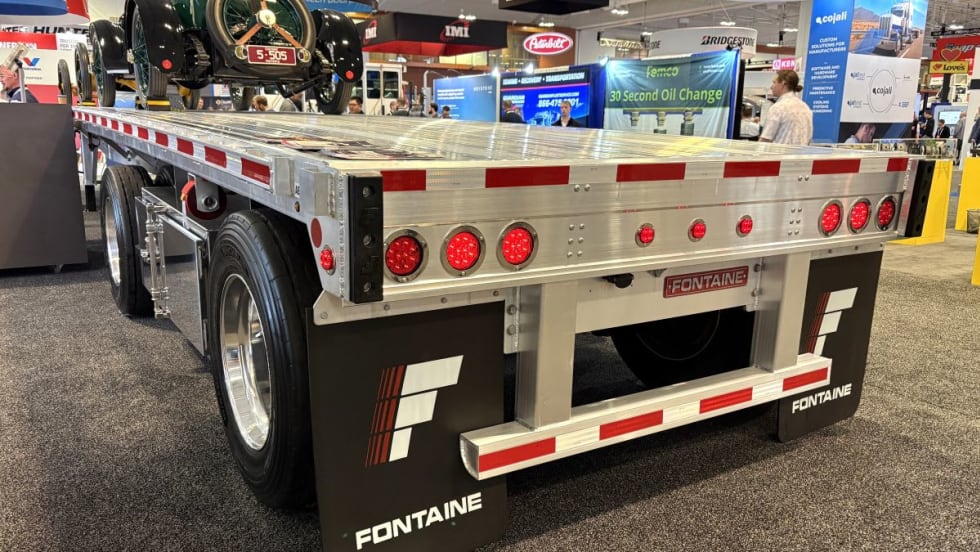
Fontaine Expands Flatbed Lineup with New Fleet-Focused Models, Eyes 2027 Launch
Fontaine is broadening its flatbed lineup with new models aimed at fleets, including a lightweight aluminum trailer expected in 2027 that emphasizes durability, repairability, and lower cost.
Read More →
Fullbay Acquires Pitstop to Strengthen AI-Powered Predictive Maintenance
Pitstop AI will use Fullbay's extensive shop data to drive predictive maintenance for trucking fleets and repair shops.
Read More →
HDT Honors the Best New Products of 2025 at TMC [Photos]
Heavy Duty Trucking's Top 20 Products awards recognize the best new products and technologies. Check out the award presentations at the 2026 Technology & Maintenance Council annual meeting.
Read More →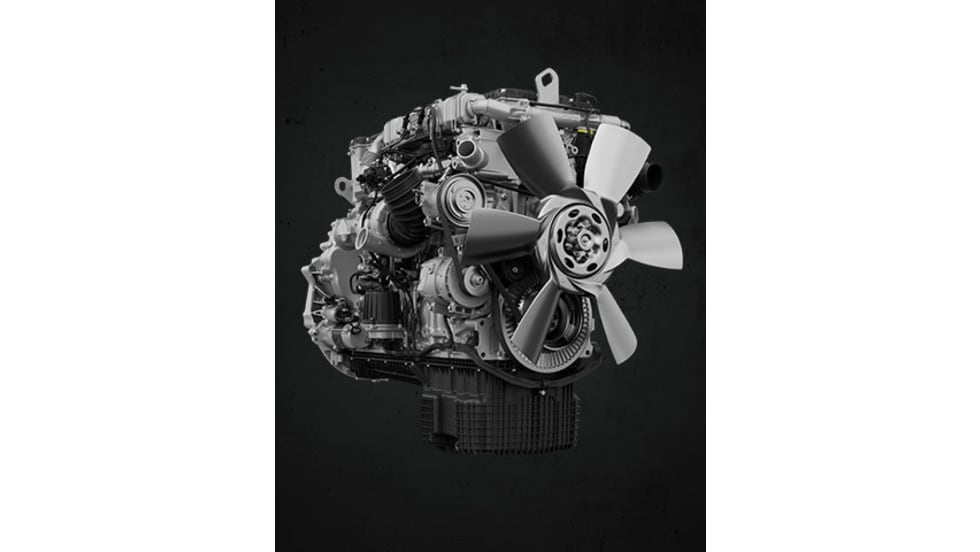
Sponsored•March 31, 2026
Detroit Engines: Trusted Performance, Built for What's Next
The Detroit® Gen 6 engine platform proves that real progress doesn’t require a complete redesign. Built on 20 years of trusted technology, these engines are designed for efficiency, stronger performance, and greater reliability than before. And they do it all while complying with 2027 EPA standards on every mile.
Read More →
EPA Targets DEF Sensor Failures Behind Truck Derates
New guidance allows engine makers to replace problematic DEF sensors with NOx-based systems, aiming to reduce unnecessary derates and downtime caused by failures in the sensors designed to monitor diesel exhaust fluid on trucks.
Read More →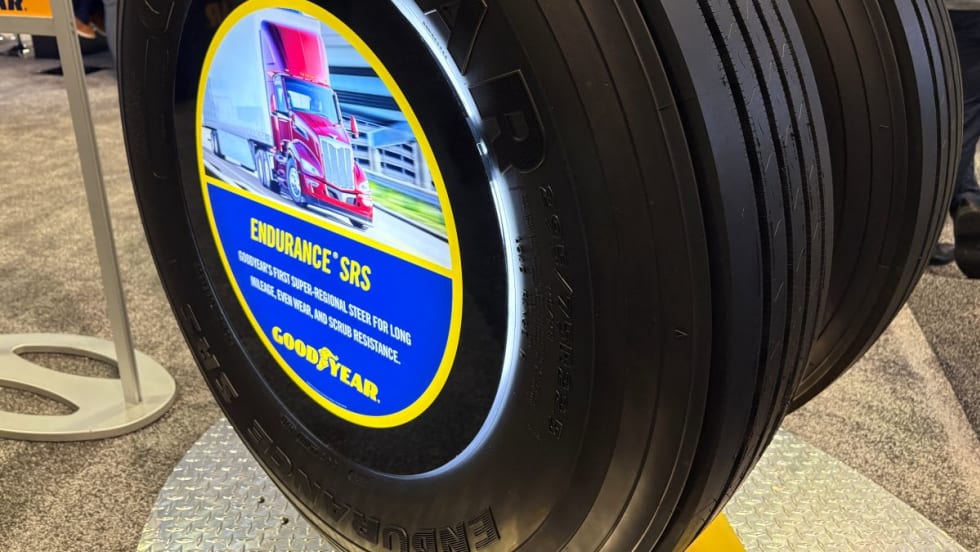
Goodyear Targets ‘Super-Regional’ Sweet Spot with New Steer Tire
Goodyear is preparing to roll out a new steer tire designed to bridge the gap between regional and linehaul for trucking fleets.
Read More →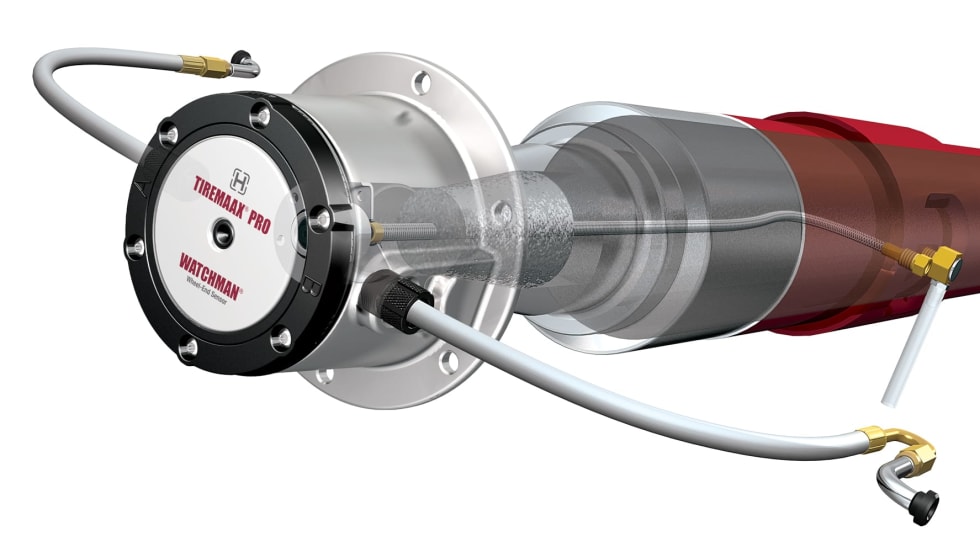
Hendrickson Unveils Watchman Smart Wheel-End System at TMC
Hendrickson’s new sensor platform integrates with its TireMaax system to deliver real-time tire and wheel-end insights, targeting uptime and cost savings.
Read More →
Over-the-Air Updates and the Modern Powertrain Explained
Over-the-air updates are moving beyond recalls, and expanding how fleets manage performance, compliance, and uptime.
Read More →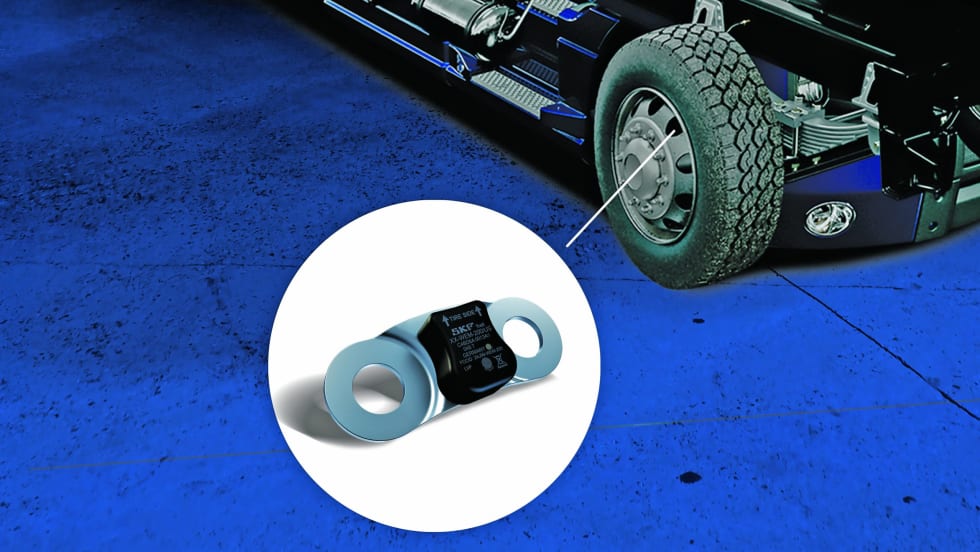
SKF, TMC Expand Hands-On Training to Boost Technician Skills at Annual Meeting
A new partnership between SFK and TMC brings certified, on-site instruction focused on wheel-end reliability and maintenance best practices.
Read More →
Why Higher Pay Isn’t Fixing the Heavy-Duty Technician Shortage
Hiring heavy-duty truck technicians has become a bidding war, but shops that focus on culture, training, and career paths are gaining an edge. That's the takeaway from a TMC panel discussion.
Read More →