




Troubleshooting Trailer Lights
One of the most common reasons for an officer to pull a driver over is for a faulty light. Below are some basic guidelines on how to troubleshoot some of the problems that may arise with a trailer lighting system
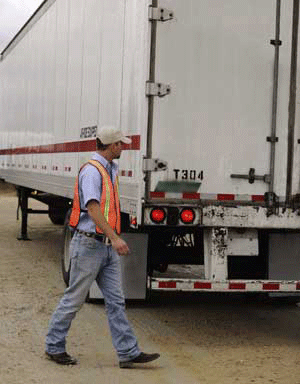
One of the most common reasons for an officer to pull a driver over is for a faulty light. Below are some basic guidelines on how to troubleshoot some of the problems that may arise with a trailer lighting system.
Possible causes: Burnt out light bulb causing a break in the system; corrosion in harness, light plug or pigtail; ground problem; hydraulic lock from too much dielectric grease; bad spot in wiring harness; issues in the 7-way plug; issues from the tractor.
1. Check to see if you have power at the 7-way of the trailer.
- If there is no power there, check the back of the 7-way cable from the tractor.
- If there is no power there, check the 7-way socket on the tractor.
2. Check for a good ground.
3. Check the condition of the 7-way connector.
- Check for a secure connection.
- Check to see if corrosion is present.
Possible causes: Burnt out light bulb; corrosion in harness, light plug or pigtail; ground problem; hydraulic lock from too much dielectric grease; bad spot in wiring harness; issues in the 7-way plug; issues from the tractor.
1. Check the lamp with a lamp tester.
- If the lamp functions, try re-installing it. If the lamp is not functional, move on to step two.
2. With the power on, check the pigtail for continuity.
- If the pigtail does not function, check the jumper that connects the pigtail to the harness.
- If the jumper does not function, check the main harness.
- Keep working upstream in the system until you get a connection that functions. From there you know the problem is downstream in the system.
Possible causes: Small amount of corrosion build up; ground problem; short in wiring harness; loose pins in 7-way; loose wire in 7-way; problem in the tractor.
1. Visually check connections and wire jacketing.
2. Start testing from the front of the trailer beginning with the 7-way socket. Disconnect one piece of the harness at a time and check the circuit.
Possible Causes: Electrical short, crossed wires or a bad switch.
1. Visually inspect all connections and wire jacketing.
2. Check the harness one piece at a time starting from the rear and working your way back up to the 7-way socket.
From the December 2012 issue of the Phillips' Qwik Tech Tips newsletter. To subscribe to Phillips' Qwik Tech Tips newsletter, visit www.phillipsqwiktechtips.com.
More Maintenance
Shell Prepares Rotella Oils for 2027
New CL-4 and FB-4 formulations will begin arriving in early 2027, with improved protection against oil breakdown, wear and deposits, according to Shell.
Read More →
Mack Expands Extended Coverage With Four Chassis System Plans
Mack Trucks' new system-specific coverage options allow heavy-duty fleets to select protection for driveline, cab, HVAC, electronics, and advanced safety components.
Read More →
What an Out-of-Service Order Really Costs, and How to Plan for One
The repair invoice is the first number you see — and often one of the smallest. Here’s what else an out-of-service order can cost a fleet, and how planning can reduce the damage.
Read More →
International Launches Online Truck Parts Store
Fleetrite.com lets fleets and repair shops find OEM and all-makes parts, check prices and availability, and order without calling a parts counter.
Read More →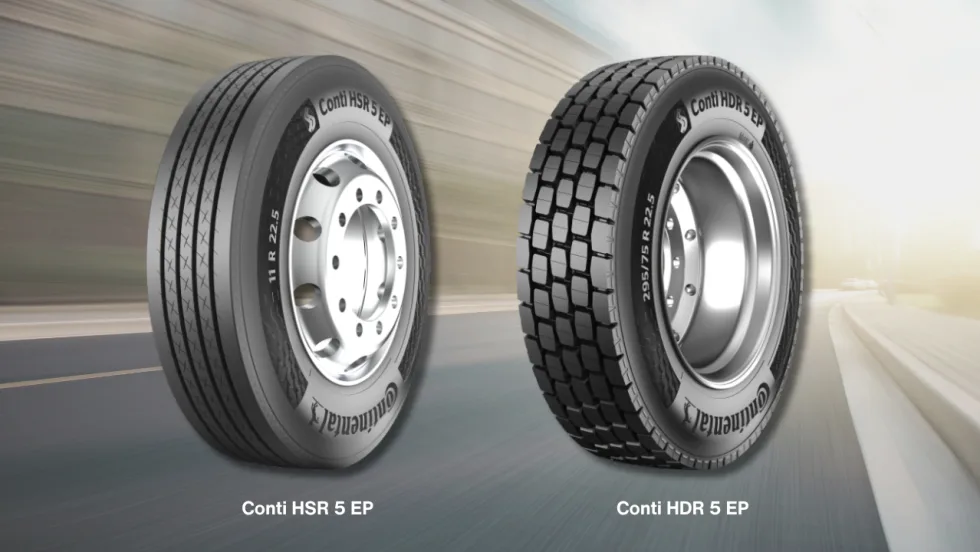
Continental Introduces New Regional Truck Tires
Continental says its new Generation 5 steer and drive tires for regional operations offer longer tread life, with estimated mileage gains of 22% and 19%, respectively.
Read More →
How AI Can Help Your Techs’ Efficiency
The technician shortage isn't going away, and no single fix can close the gap on its own. Trent Broberg makes the case that AI's real job in the shop is protecting the billable hours and job satisfaction of the techs you already have, not asking them to work faster.
Read More →
Wrong Repair Prompts Recall of Freightliner, Western Star 4x2 Trucks
DTNA is recalling more than 2,400 trucks that received an incompatible software fix instead of the hardware repair required to address brake valve corrosion.
Read More →
Truck Drivers Need More Than Another Alert
Fleets have more visibility into truck health, safety events, and driver activity than ever. The next challenge is turning all that information into useful guidance for the person who has to decide what to do next.
Read More →
The Maintenance Checks Trucking Fleets Should Prioritize Before Fall Freight Picks Up
Making it through August isn’t the same as being ready for the next several months of operation. Find out what systems may have suffered from summer heat and need to be checked out before fall.
Read More →
What Three Fleets Are Doing Differently When Buying Truck Parts in 2026
With freight improving but costs still climbing, fleet maintenance executives explain how they're balancing price, quality, and supplier relationships.
Read More →