





There's more to a proper tire inspection than kicking it with a cold boot.
Simply verifying that the tire is still on the wheel and is capable of containing air doesn't ensure the tire is fit for service. That might be all a tire gets on a daily basis, so regular preventive maintenance intervals demand something a little more thorough.
On a regular basis, truck owners should do pressure checks, tread depth and condition checks and a visual inspection of the tread and sidewall areas for signs of run-flat or run-hot conditions, says Jeff Lecklider, president of Gem City Tire in Dayton, Ohio.
"There's too much at stake to assume the tire is in good condition," he says. "We approach tire inspection both from a safety perspective and a tire management perspective. We want to minimize tire failures, obviously, but we don't want anyone getting hurt either by a tire that has been damaged internally by running underinflated."
Tread depth should be measured at two or three spots around the circumference of the tread to get an average number. The DOT will usually measure tread depth at the lowest spot on a tire because they are looking for violations of the federal minimums.
"When we're doing a maintenance inspection, we'll measure the tread at two or three spots around the tire to get a better picture of the overall condition of the tire," says Lecklider. "We're obviously concerned with maintaining the tires in safe condition, but we're also looking to establish wear rates so we can predict service life, and for irregularities in wear that could indicate other mechanical problems with the truck."
Doug Jones, customer engineering support manager at Michelin Americas Truck Tires, says irregular tread wear can shorten tire life dramatically. If spotted early, it often can be slowed or stopped by repositioning or remounting the tire.
"Depending on the type of wear, detecting it early and removing the tire from that wheel position can usually save the tire," he says. "Then you have to correct the source of the problem before installing another tire. Otherwise, that new tire is likely to suffer the same fate."
When inspecting sidewalls (after checking for foreign material hanging out of the tire) Lecklider looks for signs of the tire being run hot or flat sometime in its life.
"You can see discoloration when it has been run hot or overloaded while low on pressure," he says. "In severe cases, you'll see some bulges caused by separation between the tread and the casing, or you might feel irregularities in the surface of the sidewall, or soft spots and bulges."
The Technology & Maintenance Council of the American Trucking Associations' Recommended Practice for tire repairs, RP 206B, advises that any tire that has been run at less than 80% of its normal operating pressure (not its maximum inflation pressure) could have permanent structural damage and should be carefully inspected before repairing or being placed back in service.
"If a tire has been run low, it's imperative that it be fully inspected before any repairs are done," Lecklider stresses.
Protecting Your Investment With Proper Tire Inspections
There's more to a proper tire inspection than kicking it with a cold boot
Puncture repairs are common, but there are limits to what is considered safe. A puncture wound in the tread area of up to 3/8 of an inch in diameter can safely be repaired without doing a section repair, but some prefer to just stuff a plug into the hole to keep the truck moving. However, plugs are bad news, says Lecklider.
"When we see a plug in a tire, we know it's been run soft or run flat," he says. "The problem for us is, we don't know for how long, and what kind of internal damage running it underinflated may have caused to the tire," he says.
Guy Walenga, director of engineering for commercial products and technologies at Bridgestone, says the prescribed procedures for repairing punctures do more than just keep the air from leaking out.
"When something has gone through the tread surface, it has damaged the rubber as well as the steel cords in the tire," Walenga explains. "You have to remove the damaged material and then fill the void with a properly prepared insert to protect the internal structure of the tire."
Once you allow moisture to penetrate the casing, you risk further damage to the cords through wicking, Walenga notes. You have to remove enough material from around the wound so that you remove any trace of moisture around the steel. Then apply a proper patch to the inside of the casing to seal the wound.
TMC's RP 206B outlines proper puncture repair procedures, but they're too complex to describe here.
Much larger repairs can be successfully made to radial truck tires if you follow correct procedures and the tire maker's recommendations. For damage of up to 1 inch wide and 4.5 inches long at certain areas of the tire, repairs usually should be done at a retread shop, not roadside.
Section repairs require a more specialized approach, but you may be surprised by the size of the holes that can be fixed by an experienced repair shop. Using cushion gum or extruder rope, a properly treated wound can be successfully built up from the inside and then sealed with patches.
With the cost of a tire today, a $50 nail-hole repair is a very cost-effective alternative to scrapping a damaged tire. Lecklider cautions that scrimping on a tire repair - like simply just jamming a plug into the hole - can hasten the demise of the tire due to rust incursion through the steel cords.
"We recommend any tire with a puncture be removed and inspected as soon as possible and not repaired, even temporarily, with a plug," he says. "A small puncture is a cheap and easy fix, but you can ruin an expensive tire in no time by ignoring what happens after a puncture occurs."
Retreaders do very thorough casing inspections before retreading a tire, and they find improperly repaired tires all the time. They often scrap the casing because the internal damage has progressed beyond the point where it can be repaired.
If your weekly pressure checks (You do check tire pressures weekly, right?) reveal a tire that's consistently low, remove it and have it inspected. If any tire comes in unusually low, take it out of service for inspection. A low tire, or a tire that won't hold pressure, is a time bomb. An inexpensive repair can save a lot of money and grief in the long run. Don't ignore it.
From the March 2012 issue of HDT.
More Maintenance
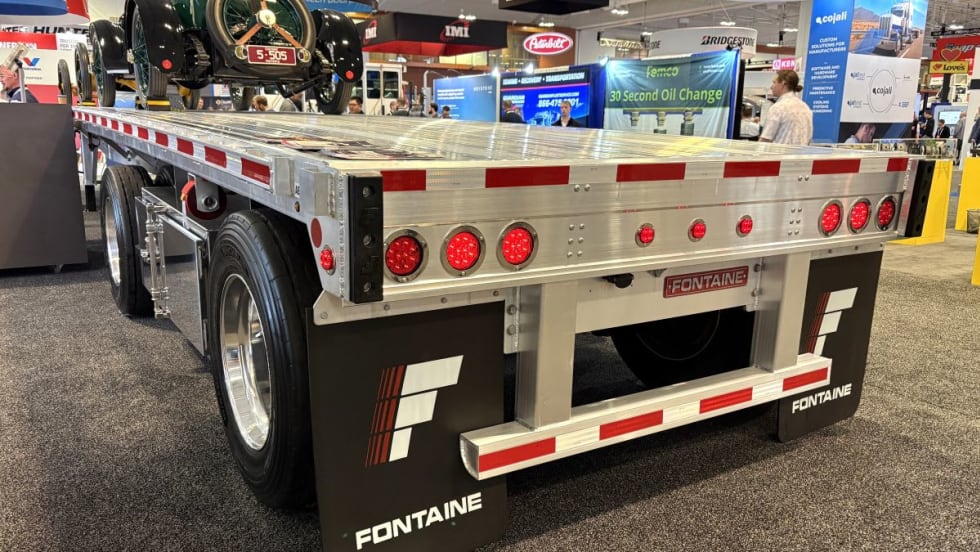
Fontaine Expands Flatbed Lineup with New Fleet-Focused Models, Eyes 2027 Launch
Fontaine is broadening its flatbed lineup with new models aimed at fleets, including a lightweight aluminum trailer expected in 2027 that emphasizes durability, repairability, and lower cost.
Read More →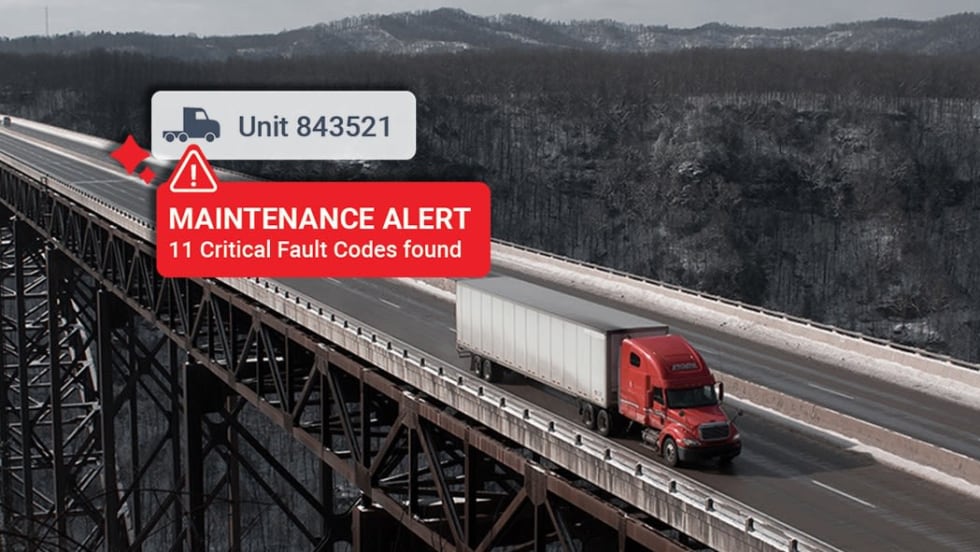
Fullbay Acquires Pitstop to Strengthen AI-Powered Predictive Maintenance
Pitstop AI will use Fullbay's extensive shop data to drive predictive maintenance for trucking fleets and repair shops.
Read More →
HDT Honors the Best New Products of 2025 at TMC [Photos]
Heavy Duty Trucking's Top 20 Products awards recognize the best new products and technologies. Check out the award presentations at the 2026 Technology & Maintenance Council annual meeting.
Read More →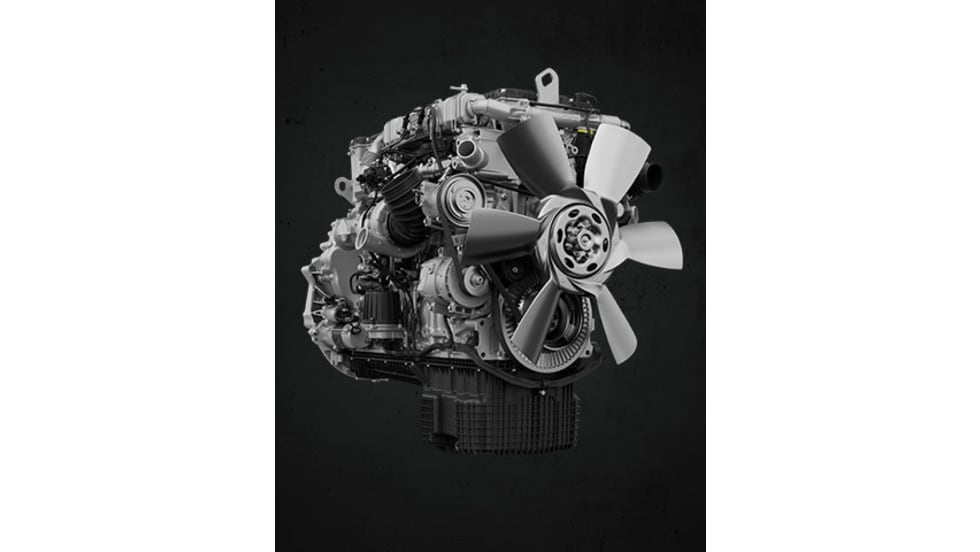
Detroit Engines: Trusted Performance, Built for What's Next
The Detroit® Gen 6 engine platform proves that real progress doesn’t require a complete redesign. Built on 20 years of trusted technology, these engines are designed for efficiency, stronger performance, and greater reliability than before. And they do it all while complying with 2027 EPA standards on every mile.
Read More →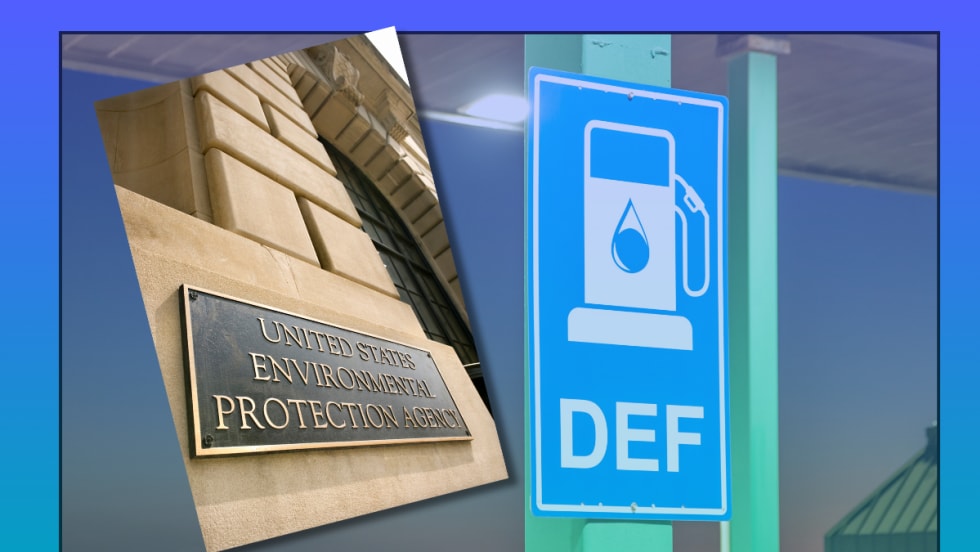
EPA Targets DEF Sensor Failures Behind Truck Derates
New guidance allows engine makers to replace problematic DEF sensors with NOx-based systems, aiming to reduce unnecessary derates and downtime caused by failures in the sensors designed to monitor diesel exhaust fluid on trucks.
Read More →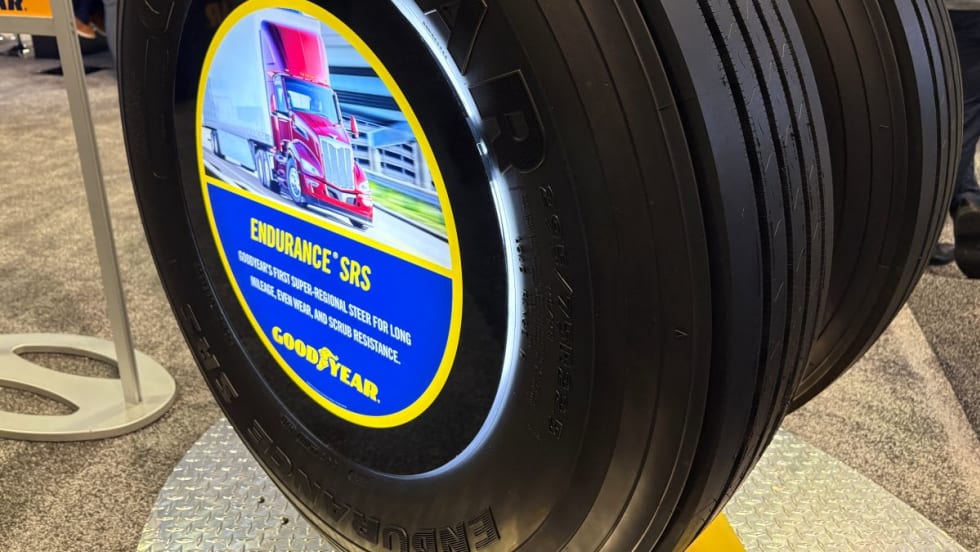
Goodyear Targets ‘Super-Regional’ Sweet Spot with New Steer Tire
Goodyear is preparing to roll out a new steer tire designed to bridge the gap between regional and linehaul for trucking fleets.
Read More →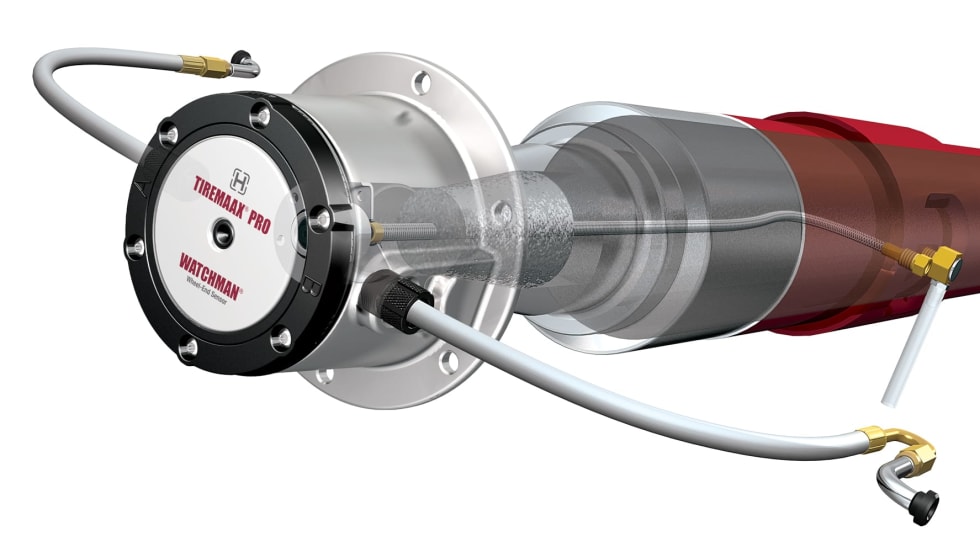
Hendrickson Unveils Watchman Smart Wheel-End System at TMC
Hendrickson’s new sensor platform integrates with its TireMaax system to deliver real-time tire and wheel-end insights, targeting uptime and cost savings.
Read More →
Over-the-Air Updates and the Modern Powertrain Explained
Over-the-air updates are moving beyond recalls, and expanding how fleets manage performance, compliance, and uptime.
Read More →
SKF, TMC Expand Hands-On Training to Boost Technician Skills at Annual Meeting
A new partnership between SFK and TMC brings certified, on-site instruction focused on wheel-end reliability and maintenance best practices.
Read More →
Why Higher Pay Isn’t Fixing the Heavy-Duty Technician Shortage
Hiring heavy-duty truck technicians has become a bidding war, but shops that focus on culture, training, and career paths are gaining an edge. That's the takeaway from a TMC panel discussion.
Read More →