



Salt Lake City, Utah’s, Geneva Rock Products has invested more than $8 million in a new compressed natural gas fueling station and fleet of 25 CNG ready-mix concrete trucks.
 MENU
MENU SEARCH
Salt Lake City, Utah’s Geneva Rock Products has invested more than $8 million in a new compressed natural gas fueling station and fleet of 25 CNG ready-mix concrete trucks.
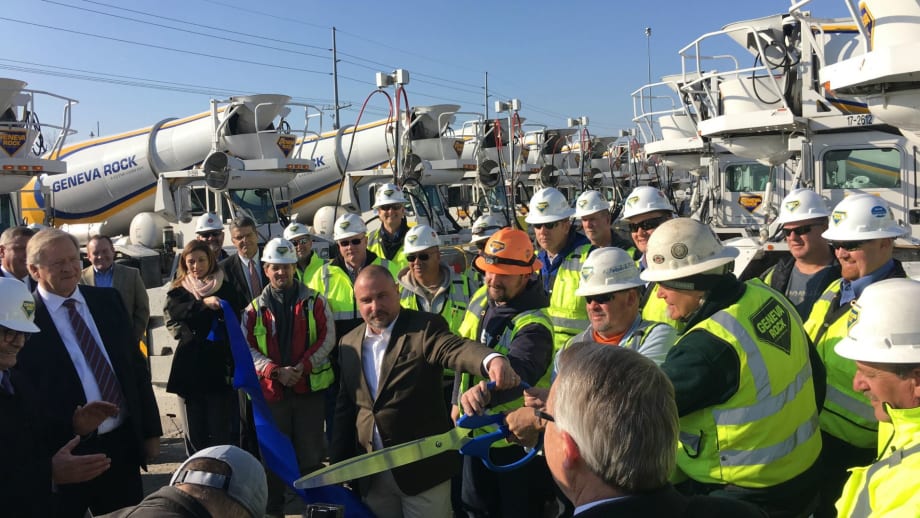
Photo via Geneva Rock Products
Salt Lake City, Utah’s, Geneva Rock Products has invested more than $8 million in a new compressed natural gas fueling station and fleet of 25 CNG ready-mix concrete trucks.
The fueling station is located on the company’s property and can fill all 25 trucks simultaneously. Geneva Rock’s investment in clean air and sustainable practices is one of the largest such investments made by a construction company in Utah, according to Geneva Rock.
“Lowering our emissions is of utmost importance to us as a company and guides our overall operating decisions,” said Jim Golding, president at Geneva Rock. “This specific purchase and installation is just part of the company’s overall clean air initiative, in which the company has already invested more than $30 million to lower emissions and improve Utah’s air quality.”
Geneva Rock said its fleet of CNG concrete mixer trucks will be the largest fleet of that type in the state and is a part of a larger clean air initiative to improve Utah’s air quality. The company also donated $25,000 to the Utah Clean Air Partnership to support its grants and education programs in 2017.
“It is important to Utah and the local economy to have proactive businesses do what they can to help resolve our air quality issues," said Senator Gene Davis, minority leader at Utah State Senate. “Geneva Rock is one of those companies that has continually invested in clean air technologies for their operations. I am proud to have this installation and new fleet of concrete trucks in my district.”
Since 1954 Geneva Rock has been a top supplier of ready-mixed concrete, sand and gravel, asphalt, and construction services along the Wasatch front and is the largest supplier of ready-mix concrete in the State of Utah, according to its website.
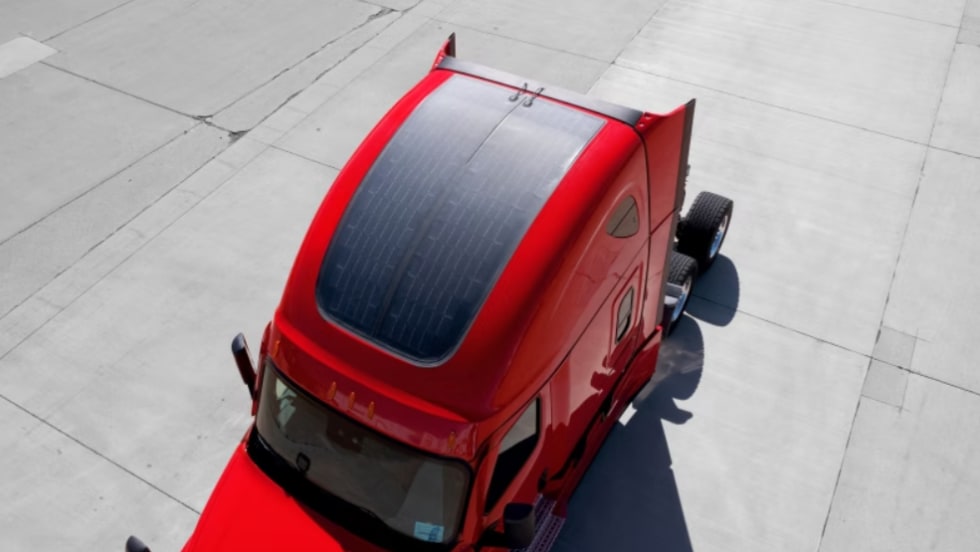
The company’s expanded EPEQ ecosystem includes flexible solar panels, lithium batteries, hydraulic power systems, and a portable fast charger for electric trucks.
Read More →
Listen as Mike Roeth of the North American Council for Freight Efficiency shares insights into battery-electric trucks, natural gas, biofuels, and clean diesel on this episode of HDT Talks Trucking.
Read More →
NACFE's Run on Less - Messy Middle project demonstrates the power of data in helping to guide the future of alternative fuels and powertrains for heavy-duty trucks.
Read More →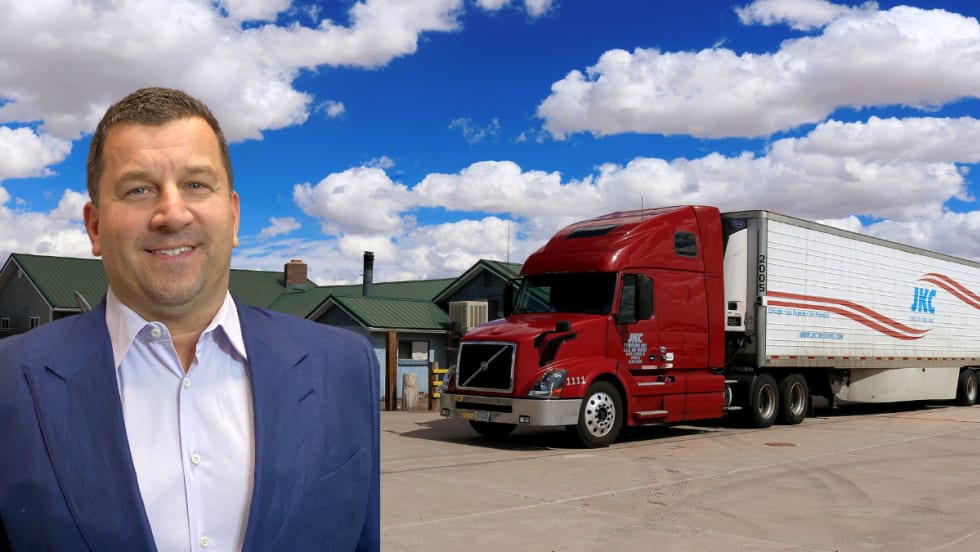
Mike Kucharski, vice president of refrigerated carrier JKC Trucking, says diesel price jumps tied to global instability are squeezing carriers already struggling with weak freight rates.
Read More →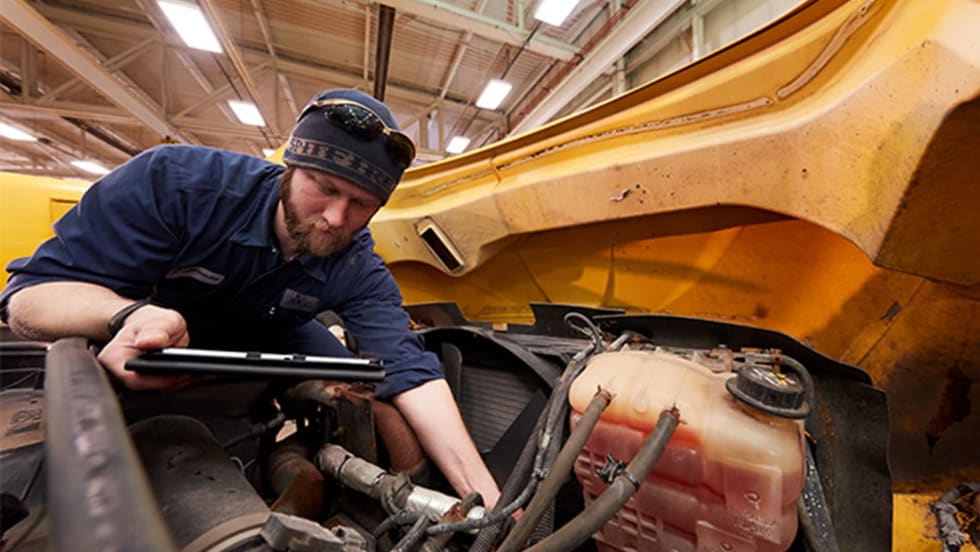
In today’s cost-conscious market, fleets are finding new ways to get more value from every truck on the road. See how smarter maintenance strategies can boost uptime, control costs and drive stronger long-term returns.
Read More →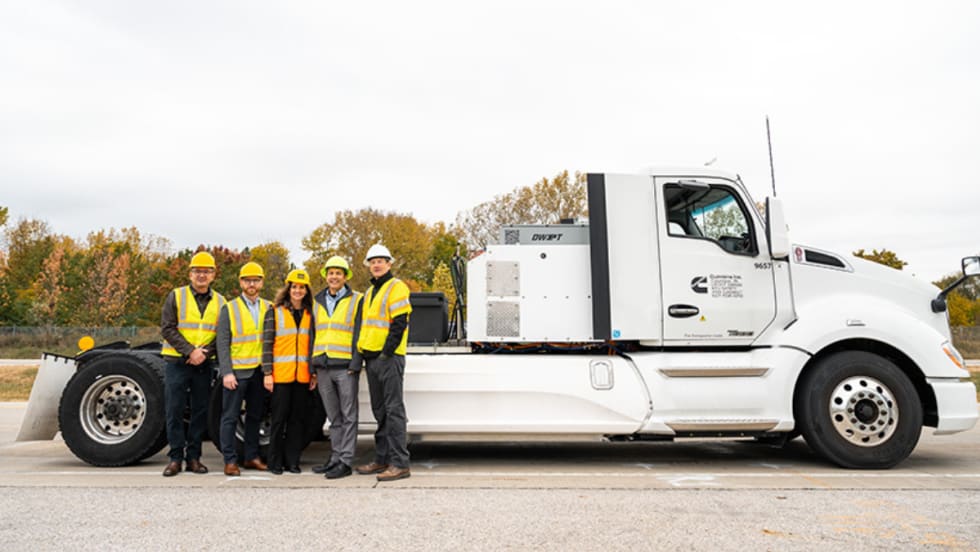
Purdue researchers demonstrated a high-power wireless charging system capable of delivering energy to electric heavy-duty trucks at highway speeds, advancing the concept of electrified roadways for freight transportation.
Read More →
The Environmental Protection Agency is asking diesel engine makers to provide information about diesel exhaust fluid system failures as it considers changes to emissions regulations.
Read More →
6 intelligent dashcam tactics to improve safety and boost ROI
Read More →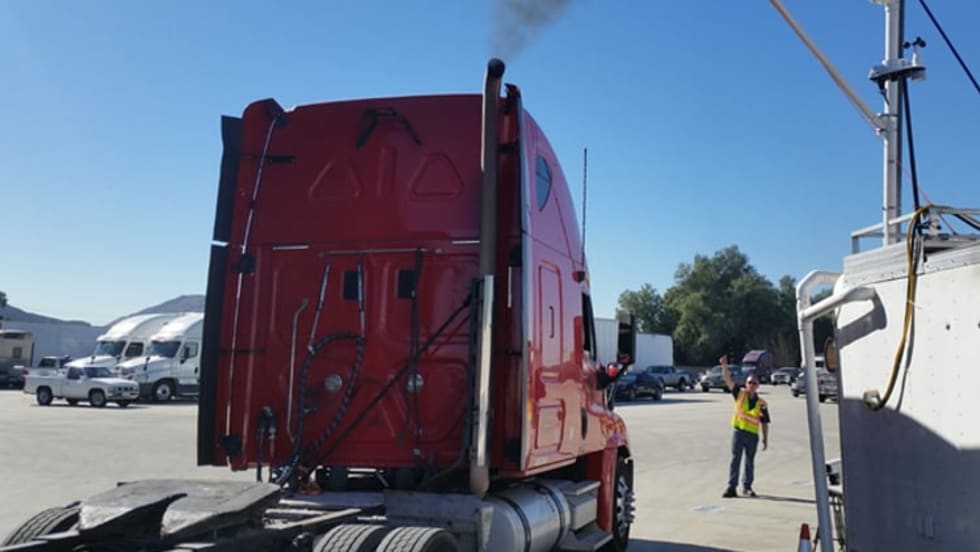
The Environmental Protection Agency said California can’t enforce its Heavy-Duty Inspection and Maintenance Regulation, known as Clean Truck Check, on vehicles registered outside the state. But California said it will keep enforcing the rule.
Read More →
The Trump administration has announced it will no longer criminally prosecute “diesel delete” cases of truck owners altering emissions systems in violation of EPA regulations. What does that mean for heavy-duty fleets?
Read More →