



Orders are being processed and production has started for Cummins Westport’s ISL G Near Zero NOx natural gas engine, the company announced.
 MENU
MENU SEARCH
Orders are being processed and production has started for Cummins Westport’s ISL G Near Zero NOx natural gas engine, the company announced.
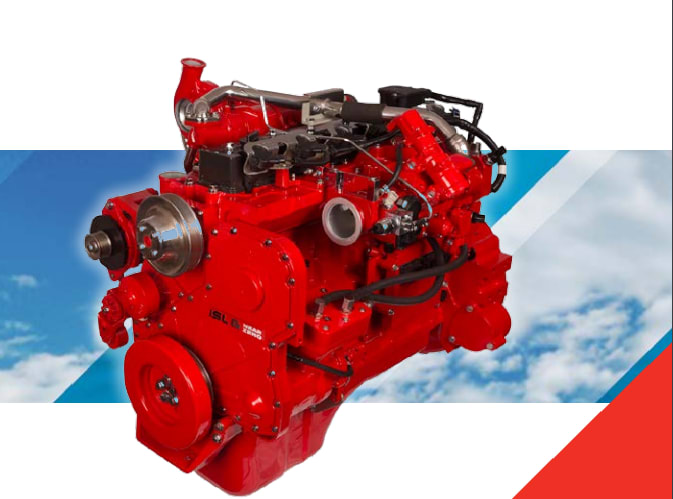
Photo by Cummins Westport.
Orders are being processed and production has started for Cummins Westport’s ISL G Near Zero NOx natural gas engine, the company announced.
The ISL G NZ has received emission certification from the Environmental Protection Agency and Air Resources Board in California to meet the optional 0.02 g/bhp-hr — the first such midrange engine in North America to do so, according to Cummins.
The ISL G NZ has exhaust emissions that are 90% lower than the current EPA and ARB NOx limit and also meet the 2017 EPA greenhouse gas emission requirements.
"The start of production of the ISL G Near Zero natural gas engine offers a game-changing solution for the reduction of urban tailpipe and engine related emissions," said Rob Neitzke, president of Cummins Westport. "The ISL G Near Zero is now at the forefront of cost-effective and dependable emission reduction strategies in transit, medium-duty truck and refuse applications."
The ISL G NZ can operate on compressed, liquid or renewable natural gas. The engine offers low engine ratings from 250-320 horsepower and 660-1,000 lb-ft torque. In addition to NOx emissions reduction, the ISL G NZ will feature closed crankcase ventilation, reducing engine-related GHG methane emissions by 70%.
The ISL G NZ offers improved reliability and durability as well as range and performance with low emissions, through its three-way catalyst (TWC) aftertreatment. TWCs are effective, simple, passive devices, packaged as part of the muffler. Cummins Westport natural gas engines do not require active aftertreatment such as a Diesel Particulate Filter or Selective Catalytic Reduction.
The ISL G NZ engine is available as a first fit engine with transit, shuttle and school bus, refuse and truck original equipment manufacturers or as an engine replacement (repower) for existing ISL G vehicles.
With global oil flows disrupted, U.S. diesel prices have topped $5 across every region, climbing sharply in the past few weeks.
Read More →
The impact of the Iran conflict extends beyond fuel costs, bringing more fraud and cybersecurity risks to the trucking industry.
Read More →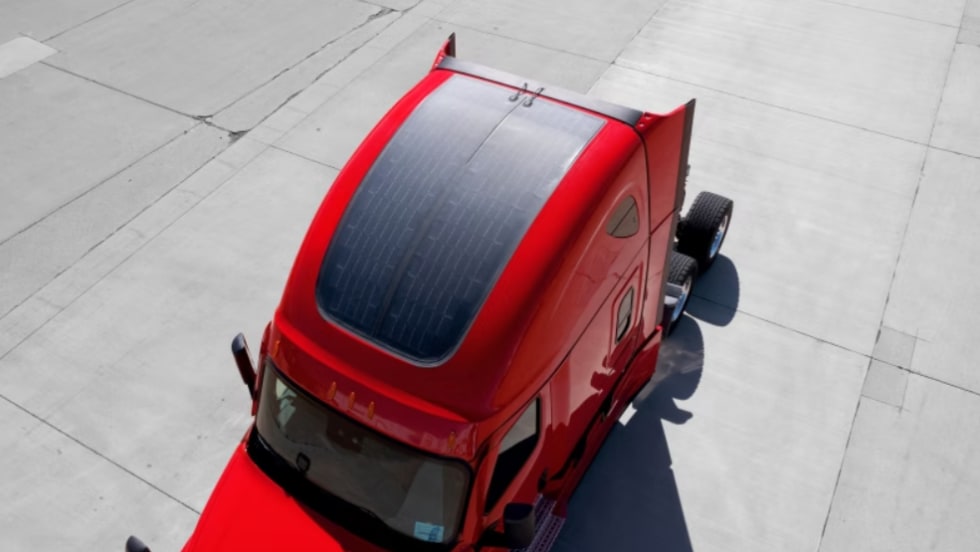
The company’s expanded EPEQ ecosystem includes flexible solar panels, lithium batteries, hydraulic power systems, and a portable fast charger for electric trucks.
Read More →
Listen as Mike Roeth of the North American Council for Freight Efficiency shares insights into battery-electric trucks, natural gas, biofuels, and clean diesel on this episode of HDT Talks Trucking.
Read More →
NACFE's Run on Less - Messy Middle project demonstrates the power of data in helping to guide the future of alternative fuels and powertrains for heavy-duty trucks.
Read More →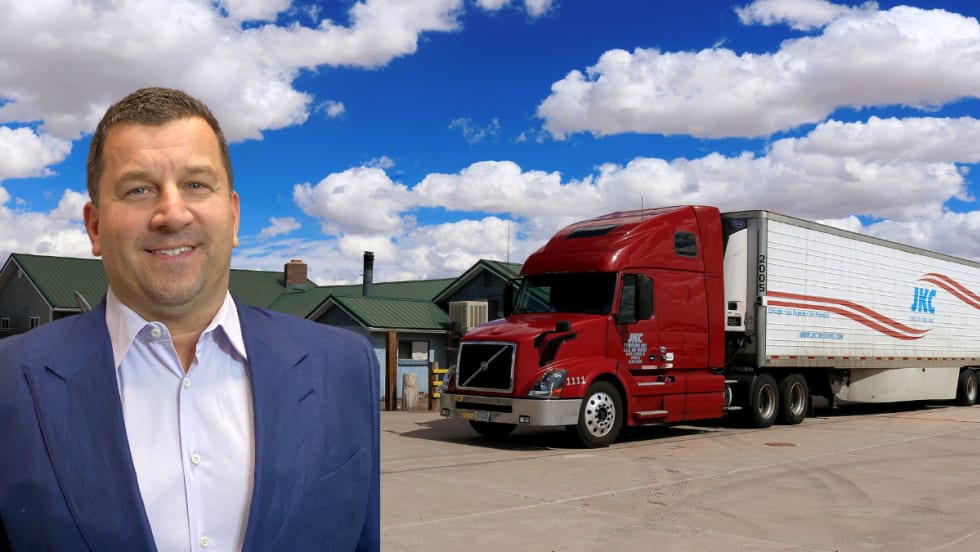
Mike Kucharski, vice president of refrigerated carrier JKC Trucking, says diesel price jumps tied to global instability are squeezing carriers already struggling with weak freight rates.
Read More →
In today’s cost-conscious market, fleets are finding new ways to get more value from every truck on the road. See how smarter maintenance strategies can boost uptime, control costs and drive stronger long-term returns.
Read More →
Purdue researchers demonstrated a high-power wireless charging system capable of delivering energy to electric heavy-duty trucks at highway speeds, advancing the concept of electrified roadways for freight transportation.
Read More →
The Environmental Protection Agency is asking diesel engine makers to provide information about diesel exhaust fluid system failures as it considers changes to emissions regulations.
Read More →
6 intelligent dashcam tactics to improve safety and boost ROI
Read More →