



The U.S. Department of Transportation issued a safety alert for the transportation of hoverboards containing lithium batteries that are at risk to heat up, catch fire or explode if improperly handled.
 MENU
MENU SEARCH
The U.S. DOT issued a safety alert for the transportation of hoverboards containing lithium batteries that are at risk to heat up, catch fire or explode if improperly handled.

The aftermath of a fire involving a hoverboard device. Photo: Chappaqua Fire Department
The U.S. Department of Transportation issued a safety alert for the transportation of hoverboards containing lithium batteries that are at risk to heat up, catch fire or explode if improperly handled.
Hoverboards are self-balancing devices designed to be ridden around in a manner similar to a Segway, but without handle bars. The devices, a hot Christmas gift for 2015, are sold under a variety of different names, including balance boards, gravity boards or self-balancing devices.
In the safety alert, the DOT’s Pipeline and Hazardous Materials Safety Administration included shipping guidance after investigators intercepted 32 cargo containers filled with hoverboards with lithium batteries that were improperly prepared for shipment of a hazardous material.
The PHMSA’s investigation of intercepted cargo determined that more than 80% of shippers were unable to produce valid test reports to prove that lithium batteries have been properly manufactured and packaged to maintain integrity during transport.
Cargo shipments of hoverboards containing lithium batteries should be identified on shipping papers, tested and prepared for shipment as required based on the mode of transportation. Failure to comply can carry large civil penalties and potential criminal liability.
“It’s critical that lithium batteries are packaged and transported according to the correct specifications because, under certain conditions, they can generate heat, catch on fire and explode during transportation,” said Marie Therese Dominguez, PHMSA administrator. “PHMSA is conducting a complete and thorough investigation to ensure that hoverboards containing lithium batteries are transported in accordance with federal hazardous materials regulations.”

Mack Trucks has expanded its proprietary Mack Protect collision mitigation platform to the Mack MD Series, bringing heavy-duty safety technology to medium-duty trucks operating in urban and regional environments.
Read More →
In today’s cost-conscious market, fleets are finding new ways to get more value from every truck on the road. See how smarter maintenance strategies can boost uptime, control costs and drive stronger long-term returns.
Read More →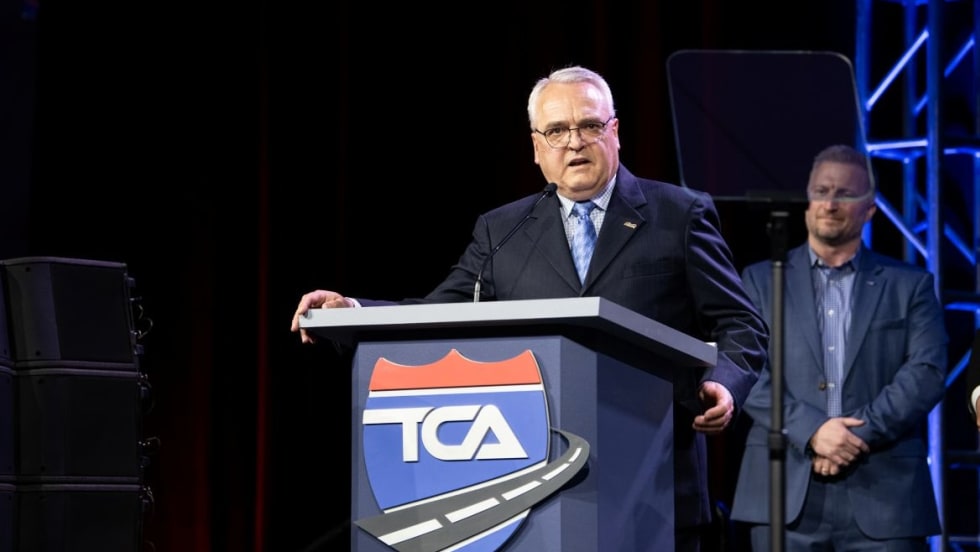
Two Canadian fleets earned the Grand Prize in the Truckload Carriers Association’s 2025 Fleet Safety Awards, recognizing the industry’s top safety performance based on accident frequency and safety programs.
Read More →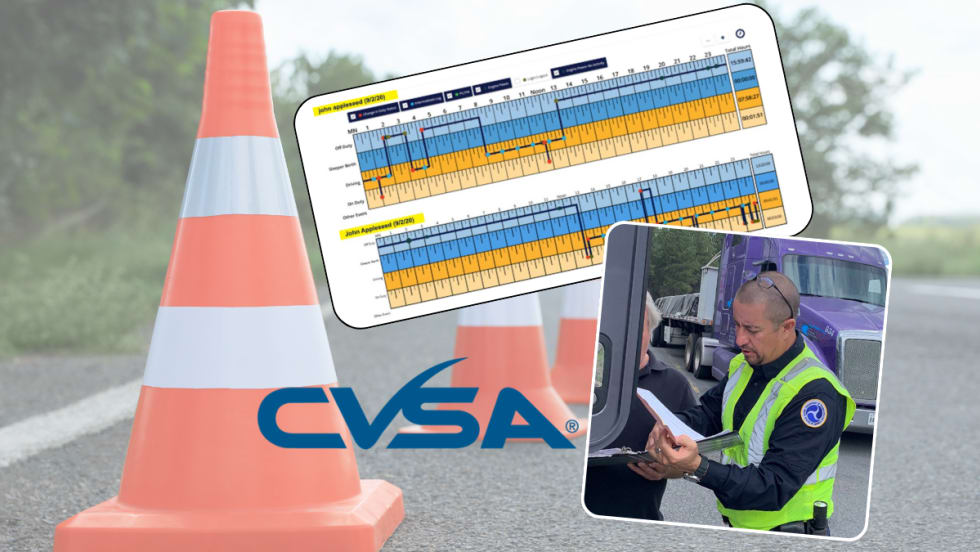
New guidance for commercial vehicle inspectors distinguishes between more traditional logbook violations and tampered ELD data that can result in mandatory 10-hour out-of-service orders.
Read More →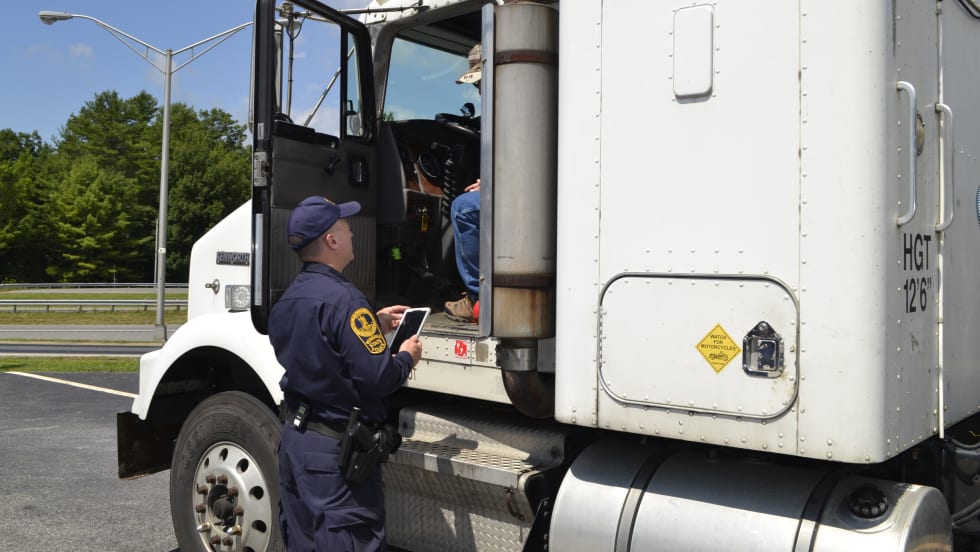
One electronic logging device has been reinstated to the FMCSA's list of registered ELDs.
Read More →
Daimler’s new factory-installed system integrates side and forward-facing cameras with in-cab touchscreen to improve jobsite visibility and reduce upfit complexity.
Read More →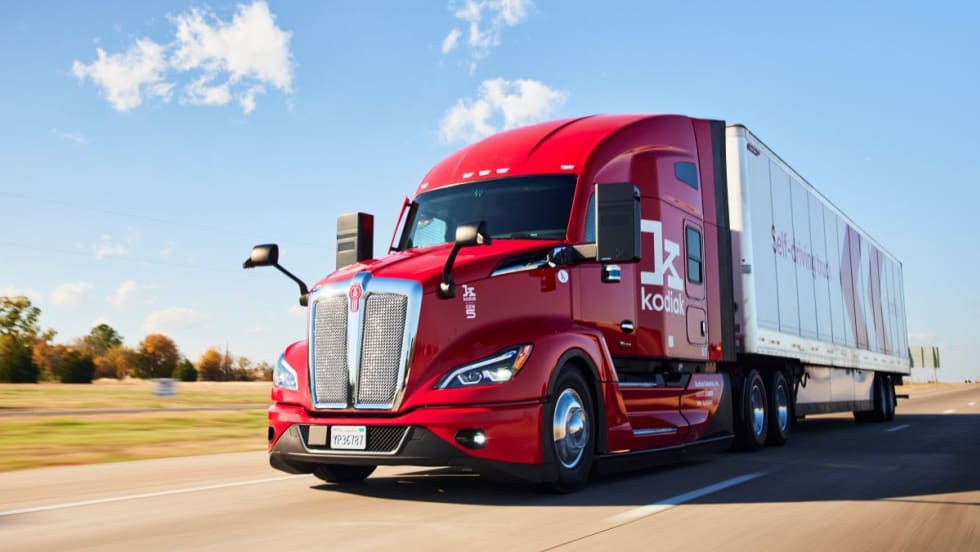
Kodiak has integrated HAAS Alert’s Safety Cloud platform into its autonomous vehicle control system to send real-time digital hazard alerts to nearby motorists.
Read More →
Cargo theft has shifted from parking-lot break-ins to organized international schemes using double brokering, phishing, and even spoofing tracking signals. In this HDT Talks Trucking video podcast episode, cargo-theft investigator Scott Cornell explains what’s changed and what fleets need to do now.
Read More →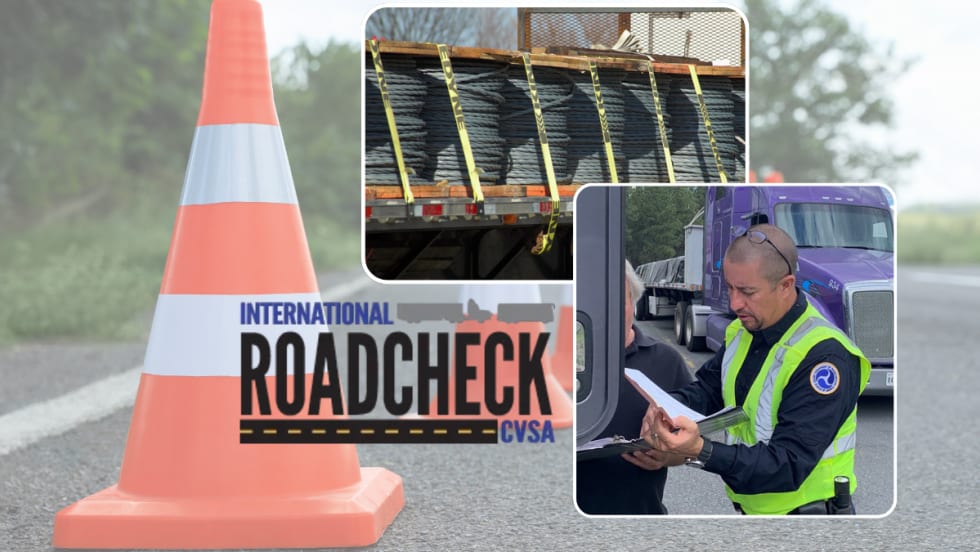
What fleets need to know about CVSA’s 72-hour inspection blitz and this year’s enforcement priorities.
Read More →
After pushback from states and industry groups, FMCSA is proposing to reverse a 2023 rule change and lengthen the duration of state-issued emergency exemptions for disaster relief.
Read More →