




OnGuard Active to Sense Stationary Objects in Lane Ahead
Meritor Wabco’s OnGuard radar-based collision mitigation system will react to stationary objects as well as slower moving objects in an enhanced version that will be available early next year.

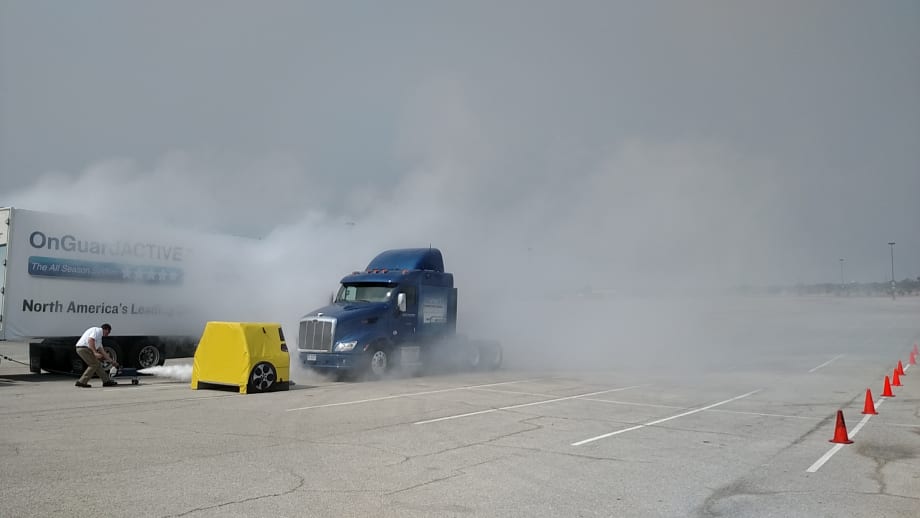
Though the driver can’t see the “car,” OnGuard Active’s radar can, and the system brakes the truck to a stop. Higher road speeds might have meant a collision, but damage would’ve been less than if the truck hadn’t slowed at all. Thus “mitigation” rather than “avoidance.”

Meritor Wabco’s OnGuard radar-based collision mitigation system will react to stationary objects as well as slower moving objects in an enhanced version that will be available early next year.
Called OnGuard Active, the new system adds protection against rear-end collisions that are dangerous and costly. The current system has drastically reduced incidents to save lives and money, executives said at a demonstration on August 27 at Lone Star Park, a horse racing complex near Dallas, Tex.
OnGuard Active’s radar sees through smoke, fog, heavy snow and other obstructions, and the system warns drivers of objects in the same lane ahead. The system will slow or stop the truck if the driver fails to react.
Heavy trucks hitting stopped motor vehicles and other obstructions account for 20% of all rear-end accidents and 30% or truck-involved fatalities, said Mark Melletat, director of field operations. Hitting slower moving objects comprise higher percentages of incidents and fatalities, which is why that situation was handled first by Meritor Wabco engineers.
Seeing through smoke
Limited visibility causes 20% of all such crashes and 12% of fatals, and the radar function virtually ignores such conditions, including darkness, he said. OnGuard’s radar also looks at what’s in adjacent lanes to consider whether the driver can avoid an impending wreck by swerving.

The demonstration used machine-generated smoke, simulating smoke from a forest fire, that obscured an inflated “automobile” stopped in a lane. OnGuard aboard a Peterbilt tractor detected the car and automatically stopped the truck just short of it.
The tractor was moving at 18 to 19 mph, explained its driver, Bill Schlak, a service and sales technician. If it had been going much faster, it might’ve hit the rubber car, but “damage” and any human toll would’ve been far less than if the truck had not been slowed at all.
Damage reduction is why OnGuard and other products are called collision “mitigation” rather than “avoidance” systems. “They can’t promise to avoid all accidents, but they can reduce the severity of many of them, the companies say.
OnGuard's competitors are Bendix’s Wingman Fusion and Daimler’s Detroit Assurance systems.
Braking capabilities
Meritor Wabco’s current product, brought to market in 2013, supplies up to 50% of a truck’s braking capability, adds adaptive cruise control, and is always on. The original OnGuard, released in 2007, also worked when the truck’s cruise control was on.
The new OnGuard Active also remains always on, adds stationary objects to its list of things to watch for, and in some instances will use full braking, called “extended brake assist.” The Active version applies new software to existing hardware, so it can be flashed onto the electronic controls of existing systems made since January 2013, Merritat said.
Customers have reported reduction of rear-end collisions by up to 87% and reduced costs from such wrecks by 89%, all since its introduction eight years ago, he said. OnGuard is now running on more than 90,000 trucks, 60,000 of them with the newer 2013 version.
The Active version is expected to further prevent another 4,500 collisions, cut 3,500 injuries and deaths, and save $2.5 billion per year, estimates Meritor Wabco, based on government statistics. OnGuard now claims 70% of the market for collision mitigation systems and a 100% reorder rate from customers.
Also according to government stats, one rear-end collision costs about $123,000 in damage, and far more if injuries or deaths are involved. So reducing or preventing damage in just one instance can pay for the systems in many trucks.
Truck manufacturers set prices for OnGuard, but a typical fleet price on a heavy truck or tractor is about $2,500, said Mike Lambie, Meritor Wabco’s director of marketing.
As now, OnGuard Active will work at speeds above 15 mph, but not below that. The higher-speed capability was tackled first because accidents at those speeds result in more damage, injuries and fatalities, said Lambie. That’s because crash energy increases exponentially as road speed increases.
A future product might add lower-speed activation, he said, and that would be valuable to users of medium-duty trucks on which OnGuard will soon be offered. First will be Daimler Trucks’ Freightliner M2, according to an announcement made last week.
Daimler also offers OnGuard on the Freightliner Cascadia and Western Star 5700. It’s an option from Paccar on the Kenworth 680, the Peterbilt 579 and 587, and from Navistar on the International ProStar.
Click here for more information about OnGuard.
More Safety & Compliance

$604 Million Verdict Tests Broker Liability After Supreme Court Ruling
C.H. Robinson plans to appeal after a Texas jury found it bore the largest share of responsibility for a fatal 2021 crash, in a case that follows the Supreme Court's Montgomery decision allowing negligent hiring claims against freight brokers.
Read More →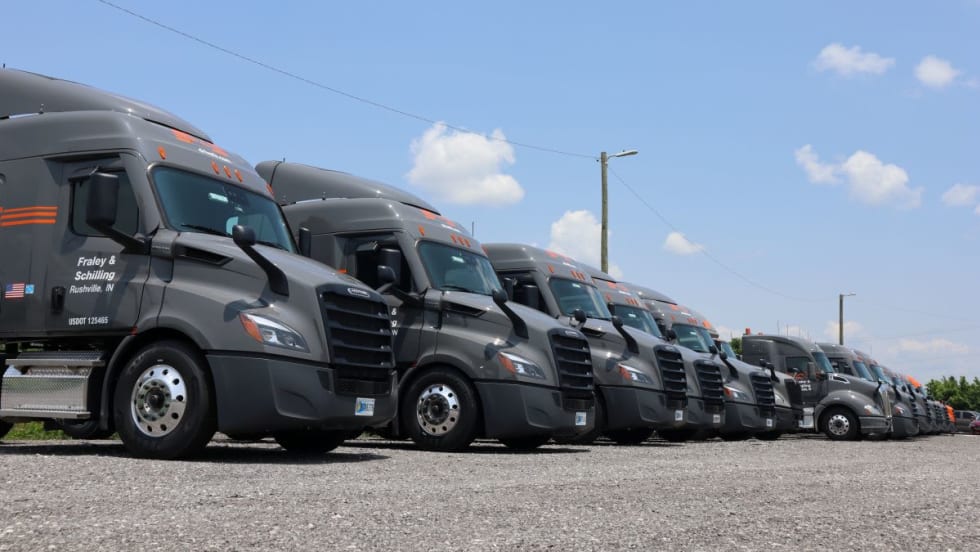
How Fraley & Schilling Improved Logbook Compliance by Over 50%
Fraley & Schilling needed a way to close a compliance workflow gap in its ELD system without adding more work from driver training, reminders, and back-office follow-ups. It found the answer in a custom driver app.
Read More →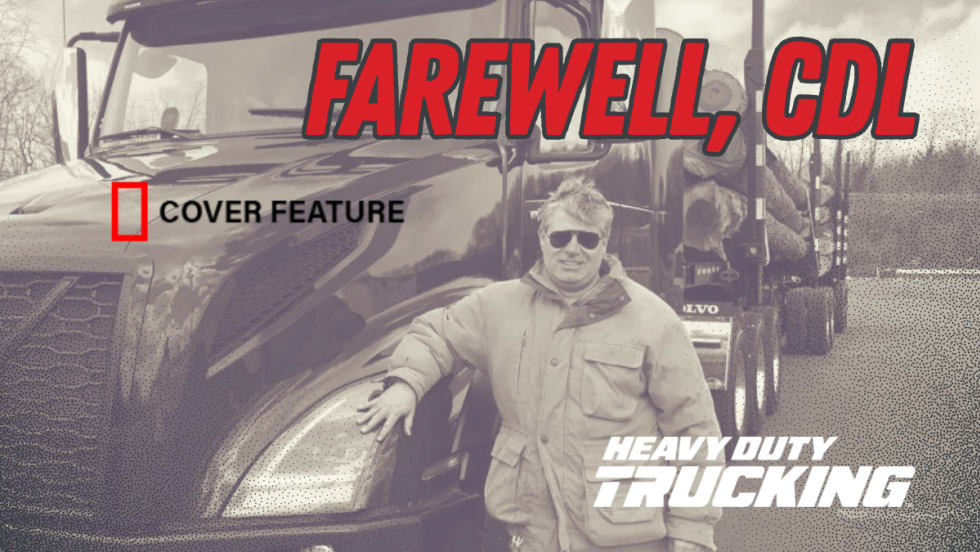
Farewell, CDL: Why I'm Giving Up My Commercial Driver's License
After more than 20 years as a CDL holder, HDT Executive Editor Jack Roberts is letting his commercial license expire. Not because he wants to — but because trucking's nuclear verdict crisis has made the risks of public-road test drives too great for editors, manufacturers, and everyone involved.
Read More →
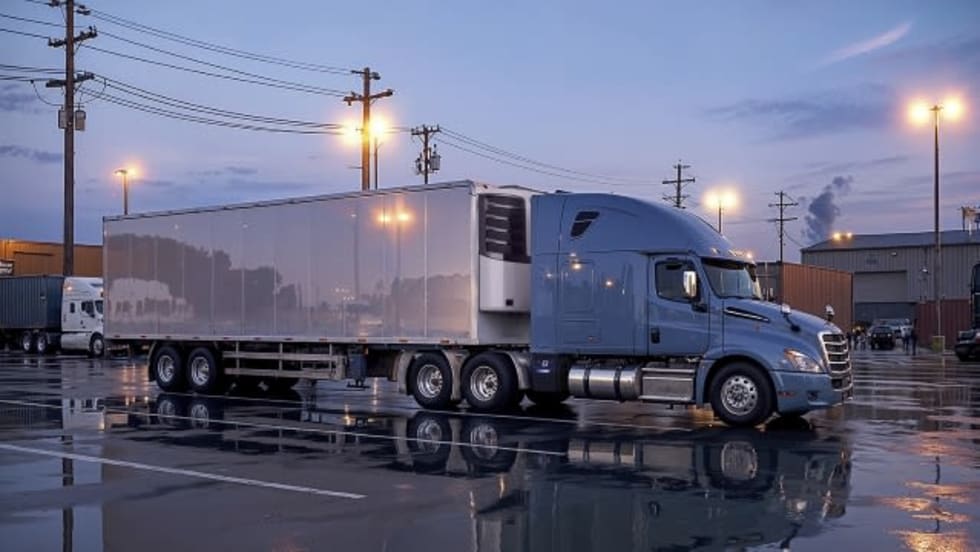
Enhance Fleet Performance with High-Efficiency Auxiliary Power Units
Drive sustainable cost savings while increasing driver comfort during short- and long-haul logistics operations.
Read More →
Wabash Trailers Recalled for Improperly Installed Underride Guards
More than 900 Wabash dry van trailers may not comply with the Federal Motor Vehicle Safety Standard for rear impact guards.
Read More →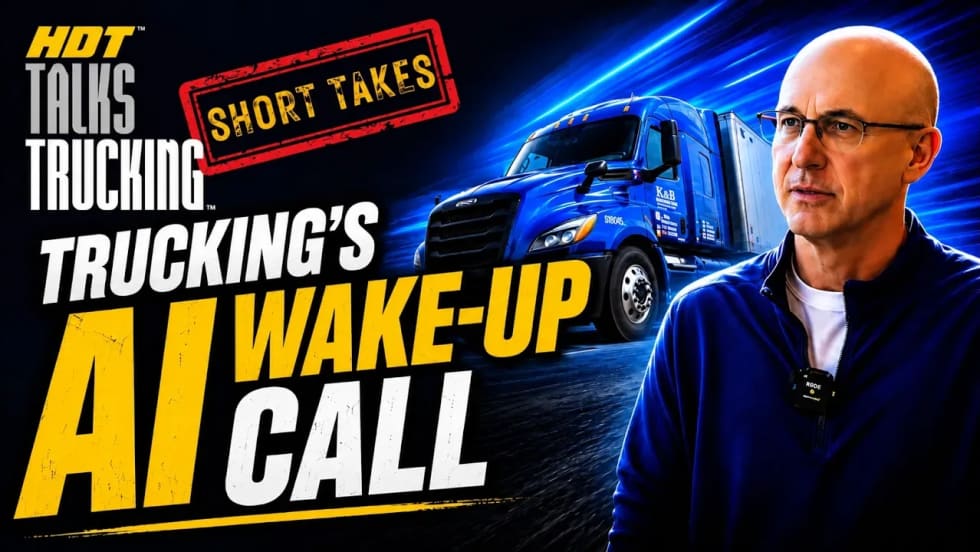
Why K&B Trucking Is Embracing AI and Driver Safety Technology
Crunching data and embracing artificial intelligence are key in K&B Trucking's safety efforts, says the company's safety director.
Read More →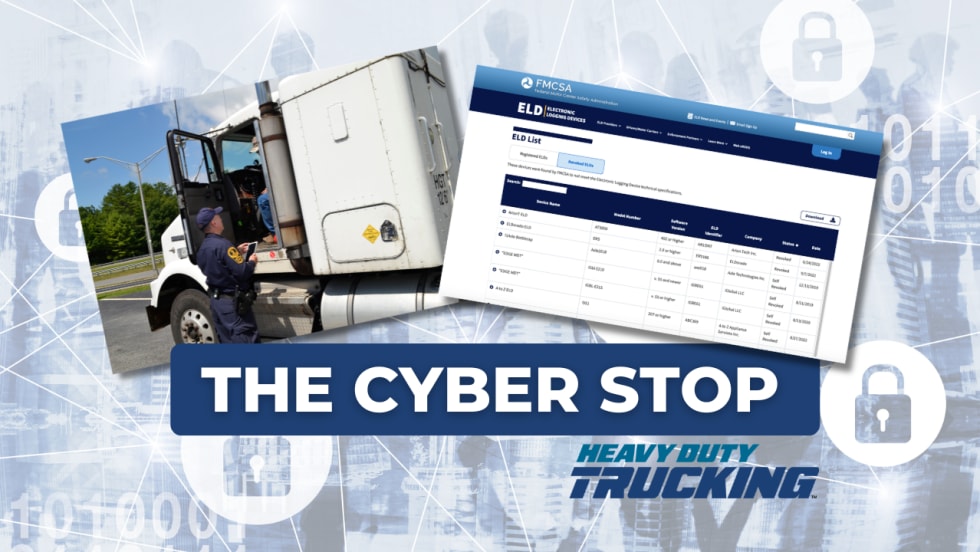
The Hidden Problem Behind FMCSA's ELD Revocations
NMFTA researchers say dozens of registered ELDs may be built on the same software platforms, allowing compliance and security concerns to persist even after individual devices are removed from the market.
Read More →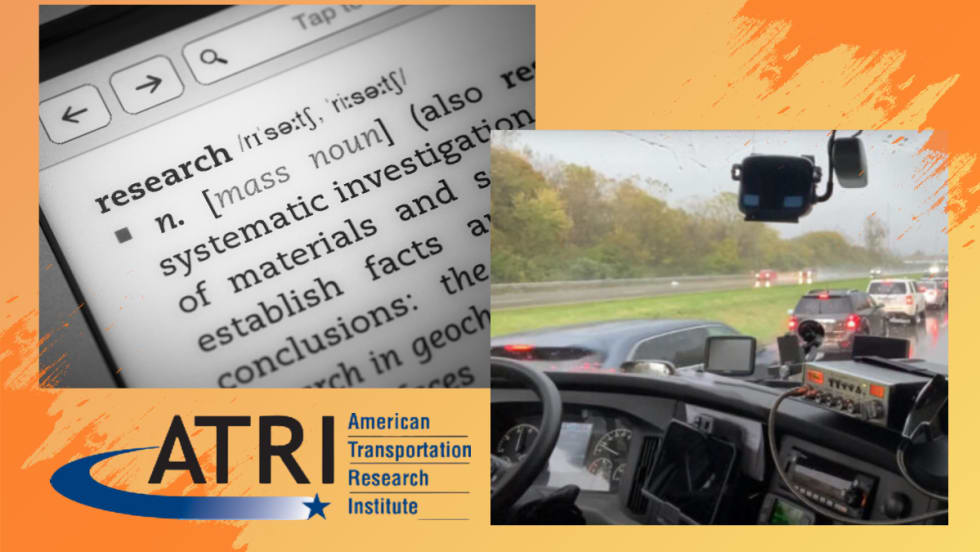
ATRI Wants Motor Carriers for Driver-Facing Camera Study
In this new study, the American Transportation Research Institute will explore how driver-facing cameras can impact safety and operational metrics in trucking fleets.
Read More →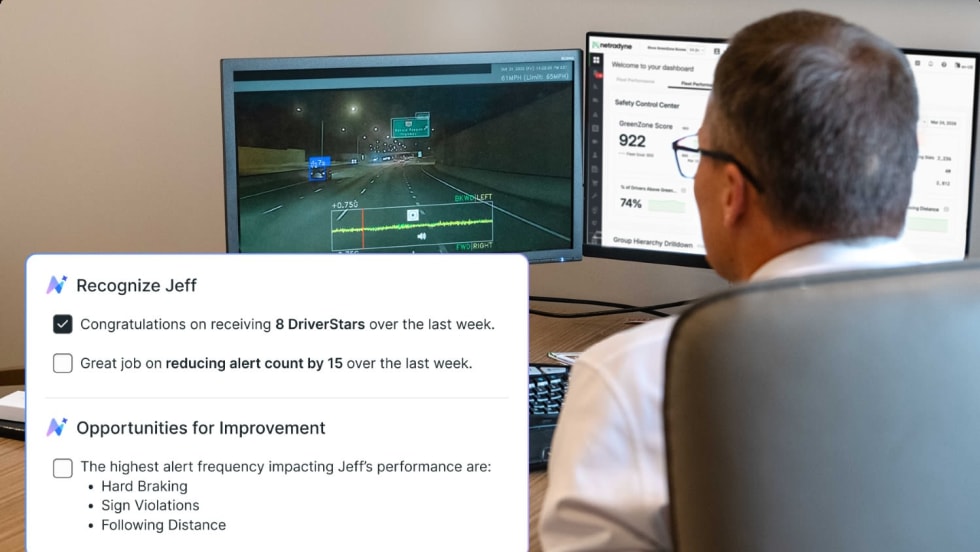
Netradyne Intelligence Uses New AI Agents to Automate Response to In-Cab Camera Data
The company called the next-generation in-cab camera safety platform "a fundamental shift from systems that report on what happened to systems that actively drive what should happen next."
Read More →Mack, Volvo Issue ‘Do Not Drive’ Recall on Possible Wheel-Offs
Owners will be sent advance notice not to operate their affected vehicles until the remedy is performed.
Read More →