




T-Line, Successor to Diamond T, Plans Return to Market
Exclusive — Diamond Specialty Vehicles LLC hopes to begin producing Class 6, 7 and 8 trucks, tractors and glider kits, mostly for vocational use, later this year, promising quality and simplicity.

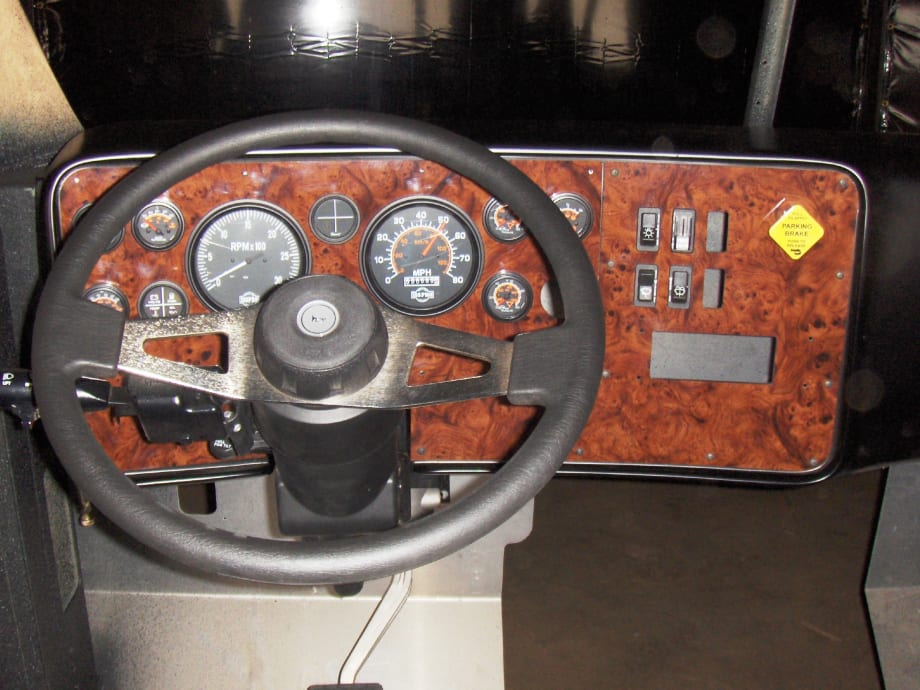
Instruments and controls will use hard wiring to ensure simplicity and reliability, the company says. Photo: Diamond Specialty Vehicles LLC
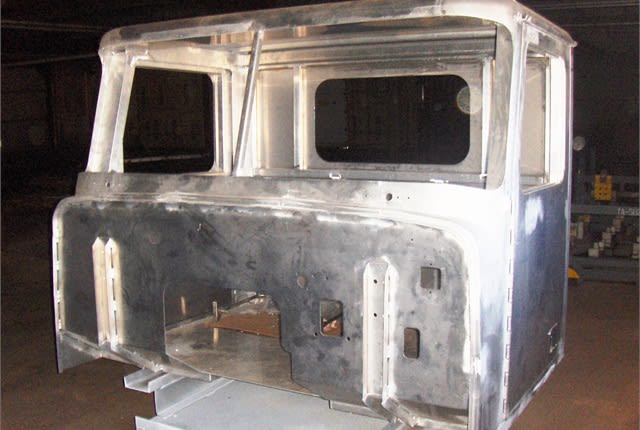
T-Line’s aluminum cab, built by a body maker in Wisconsin, can be altered for specialty applications.Photo: Diamond Specialty Vehicles LLC
T-Line Trucks & Chassis, a low-volume business that evolved from the old Diamond T and Diamond Reo operations, plans a return to production later this year. Its principals promise quality and simplicity through sound design, methodical assembly and use of hard-wired electrical circuitry.
Barring any further financial, legal or operational snags, which partners Joe Whitman and Bruce Fylstra have previously seen, the company, Diamond Specialty Vehicles LLC, hopes to begin producing Class 6, 7 and 8 trucks and tractors, mostly for vocational use.
Glider kits and complete "made to order" trucks, using a proprietary aluminum cab, are described on the company’s website, www.tlinetrucks.com. Powertrain offerings include Cummins diesels and Power Systems International gasoline and alternative-fuel engines, along with Eaton and Tremac manual transmissions, Allison automatics, and Dana Spicer and Meritor axles.
Whitman was chief engineer for Osterlund Inc., builder of Diamond Reo and Giant trucks from the late 1970s to the mid ‘90s. He continued producing Diamond T-brand trucks, mostly for export to South America, until 2000. Then he sold T-Line trucks for domestic and foreign customers until 2010, when a dispute with a contract assembler intervened.
He continued selling parts to support in-service vehicles here and abroad until 2013. Since then he’s been working on reviving the business. More recently, Fylstra, a veteran truck salesman, invested in the venture and is handling sales, marketing and dealer development. A parts stocking and distribution agreement has already been arranged with a known logistics firm.
“We’ll probably start with glider kits because people are having a lot of trouble with the modern engines and their exhaust equipment,” Whitman said. “There’s a lot of opportunity there.”
Simplicity is the watchword with the electrical system.
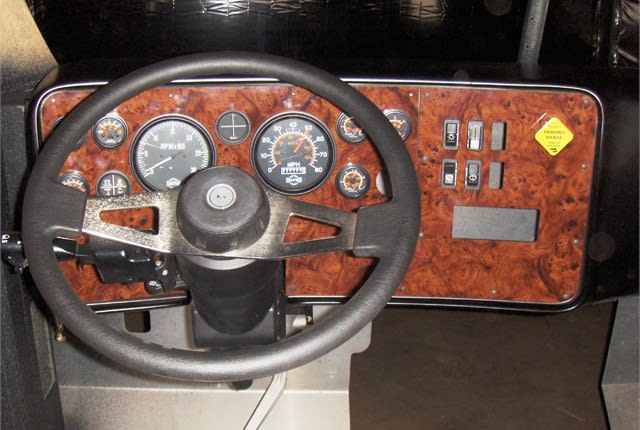
Instruments and controls will use hard wiring to ensure simplicity and reliability, the company says. Photo: Diamond Specialty Vehicles LLC
“We’re going to all hard wiring,” Fylstra said. “None of this multiplexing, and no fiber optics. You’ll still be able to change a light bulb in your dash. We’re cutting out all the redundancy -- no multiple fuse blocks; there’ll be one fuse box that everything will go into. ”
High-strength Domex steel from Sweden will go into T-Line frames, which will be powder-coated before air and electrical lines are strung. Because volume will be relatively low, assembly will be unlike any truck products now on the market.
“They’ll be stall-built by a team of two or three guys,” Fylstra said. “We can be more efficient this way because you can do it right and not be rushed by a moving assembly line.”
The aluminum cab is assembled from structural members and panels so it can be altered for specialty uses – high or low roofs, and added length for stowage or sleeper space, he said. The windshield consists of two pieces of mostly flat glass that will fit on either side. A body maker in Wisconsin has built more than a dozen cabs and is ready to produce more.
The T-Line aluminum cab could directly replace International S-series steel cabs, which often are damaged by rust, and that could be a side business, Fylstra thinks. Whitman said he used the S cabs in the last 10 years of production, until Navistar stopped making them.
Gliders and complete vehicles might be assembled by a contract manufacturer, but the partners prefer to set up their own facility, hopefully around Hershey, Pa., where the company is headquartered. Production of fiberglass hoods will be farmed out.
T-Line will remain the chosen name because it helps separate the brand from any possible liability for trucks made by previous owners and companies, Whitman explained.
As before, the name incorporates the ‘T’ from Diamond T, an auto and truck maker founded in 1907 by a C.A. Tilt, in Chicago. Through the years, Diamond T trucks were known for styling and mechanical innovation.
In 1967, Diamond T and Reo, for Ransom E. Olds of automobile fame, were merged into Diamond Reo by their owner, White Motor Co. Operations were consolidated in Lansing, Mich., Reo’s home. An Alabama investor bought the company in 1971, but it went out of business in 1974, the victim of an economic recession.
Loyal Osterlund, a Diamond Reo dealer in Harrisburg, Pa., soon obtained tooling and rights to build and sell the trucks. His company averaged about 150 trucks per year, until 1995. Fylstra, an admitted optimist, would like to see Diamond Specialty Vehicles produce thousands each year.
“I want to build them here in America and provide jobs to American workers,” he said. “I think we’ve got a brilliant future, even if we’re still a bubble gum and bailing wire operation at this point.”
More Equipment

Help HDT Find Trucking’s Top Products
Have you come across a new product that could make a difference for trucking fleets? Nominate it for HDT’s 2027 Top 20 Products Awards by November 9.
Read More →
Volvo Unveils New VNX Heavy-Haul and Vocational Truck
Volvo Trucks has launched the VNX, a new vocational truck also available as a tractor in day cab and two sleeper configurations, with one heavy-haul model. The Volvo VNX is powered by Volvo's D13 platform, which delivers up to 540 horsepower and 1,950 pound-feet of torque and is EPA 2027-compliant.
Read More →
How GP Transco Cuts Trucking Fuel Costs, a Tenth of a Gallon at a Time
What’s another tenth of a mile per gallon worth? GP Transco shares how equipment upgrades and driver coaching turn small gains into meaningful fuel savings.
Read More →
Electric Yard Tractors Move Beyond Pilots
Operating-cost savings have overtaken sustainability goals as the leading reason surveyed fleets are adopting battery-electric terminal tractors, according to new NACFE research.
Read More →
Continental Introduces New Regional Truck Tires
Continental says its new Generation 5 steer and drive tires for regional operations offer longer tread life, with estimated mileage gains of 22% and 19%, respectively.
Read More →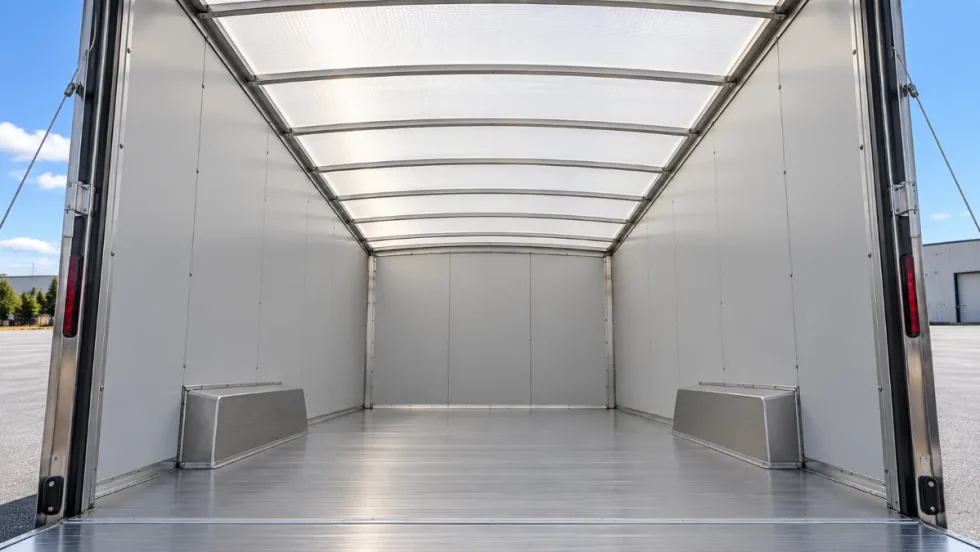
Tekmodo Introduces CargoBright Brand for Translucent Trailer Roofs
CargoBright is designed to diffuse daylight across the cargo area while performing as a working vehicle roof.
Read More →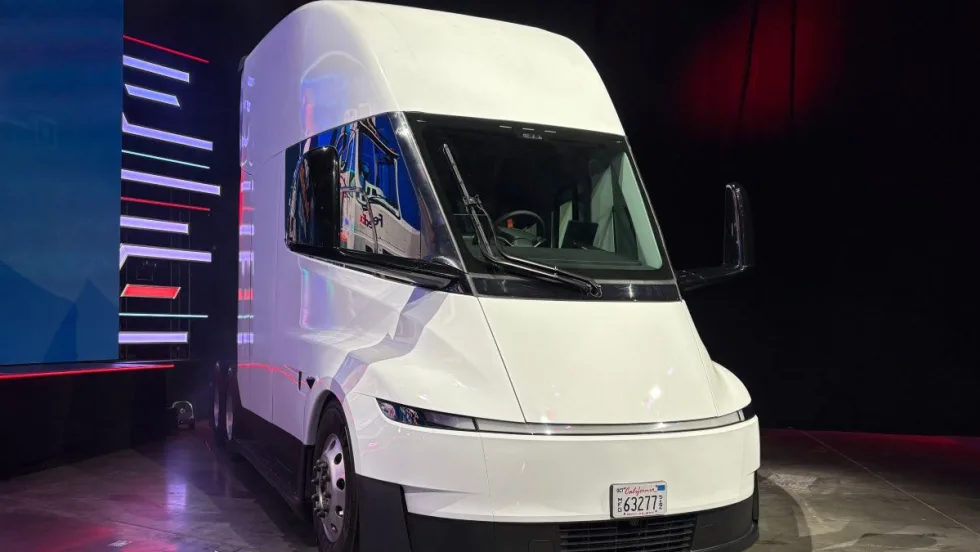
Fleet Economics Shape Electric Truck Outlook
ACT Research expects costs, charging infrastructure, and technology improvements to drive zero-emission commercial vehicle adoption as federal regulations and incentives retreat.
Read More →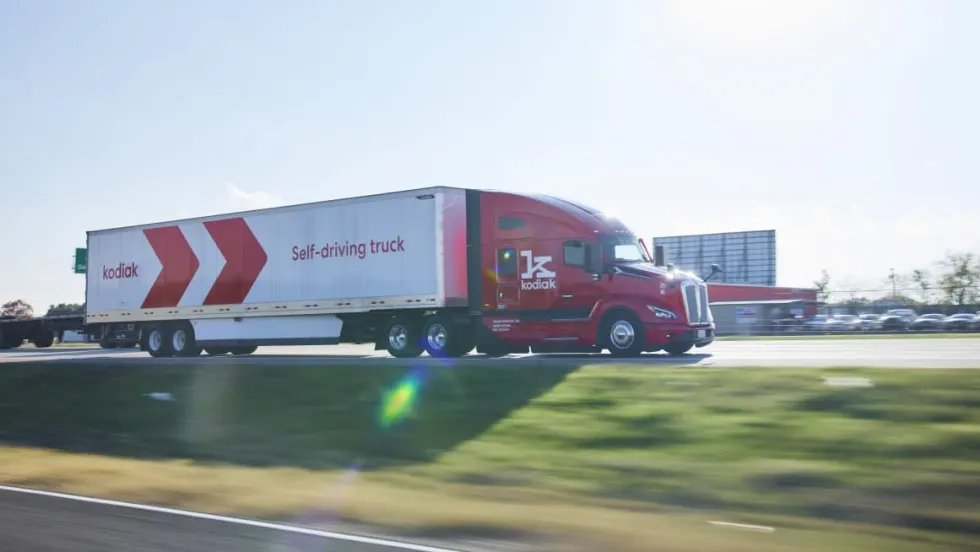
Kodiak Targets Dallas–Houston for Driverless Trucks
The company says its autonomous trucks are completing the I-45 run without a safety observer taking control. It plans to remove the observer by the end of 2026.
Read More →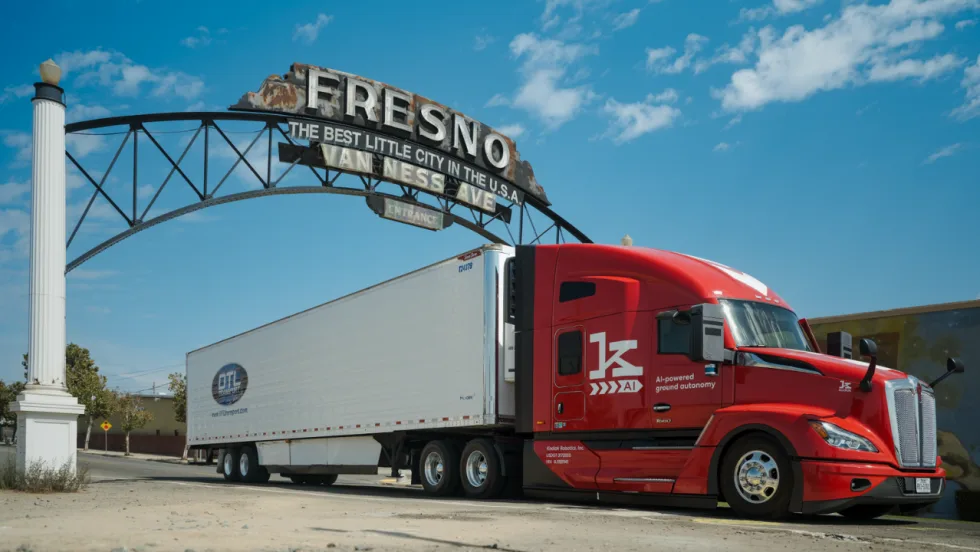
Kodiak Hauls Produce in California Autonomous Truck Pilot
Kodiak AI and DTL Transport have begun hauling produce between Fresno and Los Angeles under California’s new rules for testing heavy-duty autonomous trucks. A safety driver remains behind the wheel.
Read More →
Used-Truck Remarketing Math Is Changing
Used-truck value is no longer just a concern at trade-in. Decisions made throughout a truck’s first life can influence what it’s worth years later.
Read More →