




Online freight marketplace uShip has announced three top national less-than-truckload carriers have committed to uShip’s shipper-direct LTL spot rate marketplace.
Three Major LTLs Commit to uShip
Online freight marketplace uShip has announced three top national less-than-truckload carriers have committed to uShip’s shipper-direct LTL spot rate marketplace.
by Staff
April 16, 20141 min to read
The move by Con-way Freight, Old Dominion Freight Line and YRC Freight brings the total number of national and regional LTL carriers that are either live or coming online to uShip’s marketplace to 28, representing more than 80% of the annual volume in the $32 billion LTL market in the U.S., according to the company.
“By publishing their rates through uShip, LTL carriers can act a lot like airlines or hotels when it comes to pricing,” said Jim Bramlett, general manager of uShip LTL Freight. “They can now reach shipping customers directly with rates they control and dynamically adjust with market and seasonal conditions. This optimizes their asset utilization, accelerates growth in their most profitable segment, and maintains strong yield levels while maintaining their 3PL contracts.”
uShip says it marketplace also provides millions of small to midsize shippers not under a freight contract with a single online location to manage all their shipping, direct carrier access, instant capacity and transparent, competitive pricing.
Currently, uShip claims to have 250,000 registered business shippers with more than 35% of its total shipping volume in commercial freight.
More Fleet Management

HDT Honors the Best New Products of 2025 at TMC [Photos]
Heavy Duty Trucking's Top 20 Products awards recognize the best new products and technologies. Check out the award presentations at the 2026 Technology & Maintenance Council annual meeting.
Read More →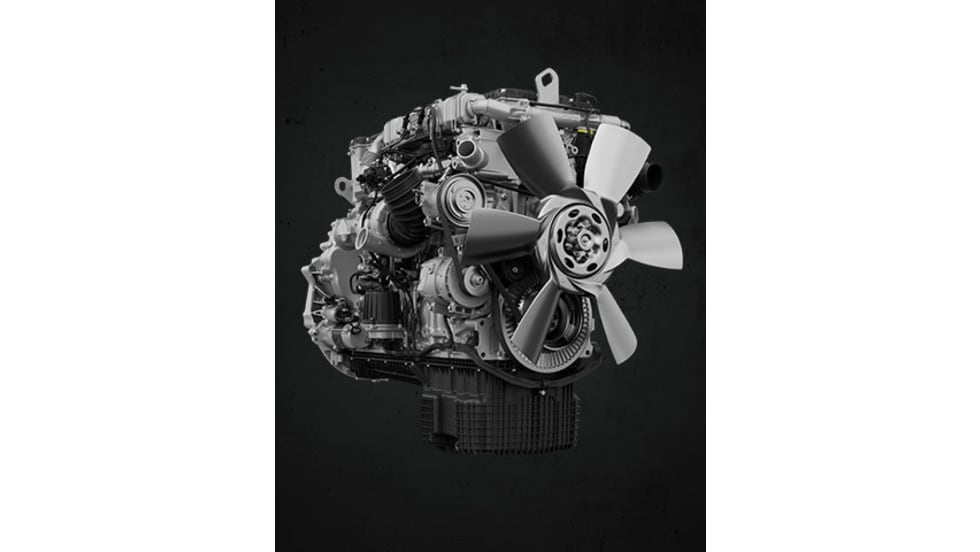
Sponsored•March 31, 2026
Detroit Engines: Trusted Performance, Built for What's Next
The Detroit® Gen 6 engine platform proves that real progress doesn’t require a complete redesign. Built on 20 years of trusted technology, these engines are designed for efficiency, stronger performance, and greater reliability than before. And they do it all while complying with 2027 EPA standards on every mile.
Read More →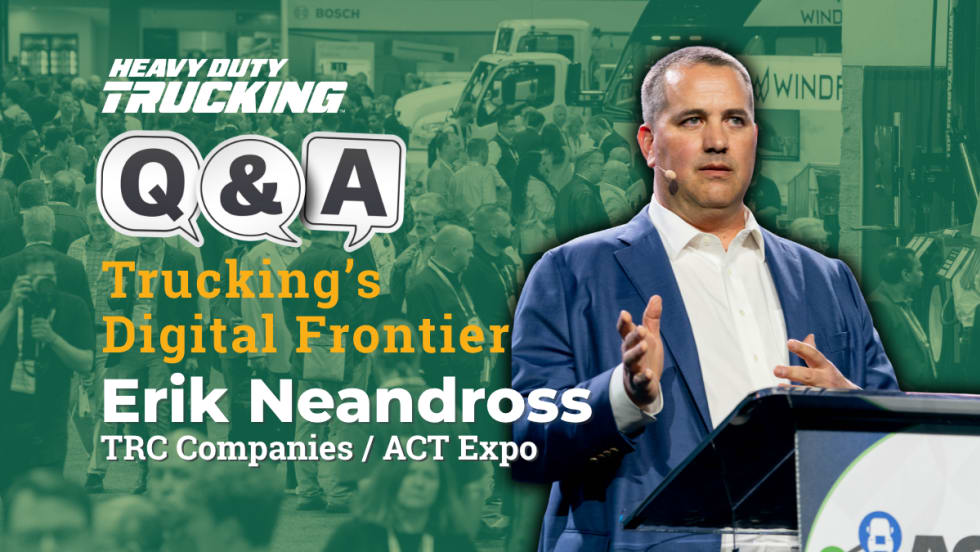
Q&A: What's Real in Advanced Truck Tech? ACT Expo's Erik Neandross Weighs In
The 2026 ACT Expo is focusing heavily on what organizer Erik Neandross calls trucking's digital frontier. This interview excerpt dives into artificial intelligence, zero-emission vehicles, and tips to make sense of it all.
Read More →
Trucking's Digital Frontier: AI, Connected Vehicles, Alternative Fuels and More
There's an amazing amount of new technology for trucking out there. For fleets, the challenge is figuring out what’s real, what’s hype, and what’s worth investing in.
Read More →
What's Real in Advanced Truck Technology? ACT Expo's Erik Neandross Weighs In
Artificial intelligence, the software-defined vehicle, telematics, autonomous trucks, electric trucks and alternative fuels, and more in this HDT Talks Trucking interview
Read More →
ACT: Trucking Volumes Rise, Capacity Tightens as Fuel Prices Cloud Outlook
ACT Research data shows volumes hitting a four-year high and supply-demand balance strengthening, but higher oil prices are undercutting tariff relief and tempering optimism.
Read More →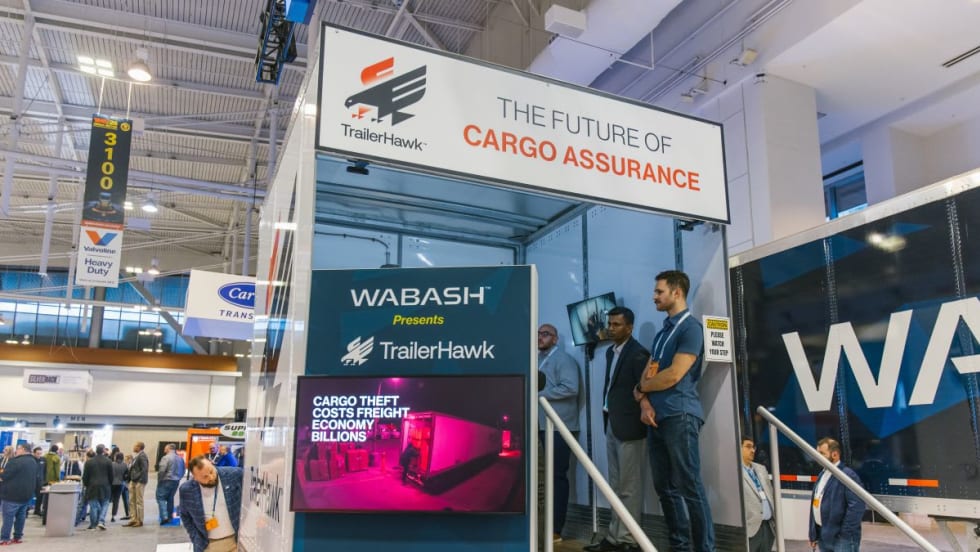
Wabash Teams Physical Security With Digital Tech For Better Cargo Visibility
The patent-pending cargo solution integrates a digitally connected cargo door and an intelligent locking system with the TrailerHawk.AI technology platform.
Read More →
From Diesel Prices to Cyberattacks: How the Iran War Is Affecting Trucking
The impact of the Iran conflict extends beyond fuel costs, bringing more fraud and cybersecurity risks to the trucking industry.
Read More →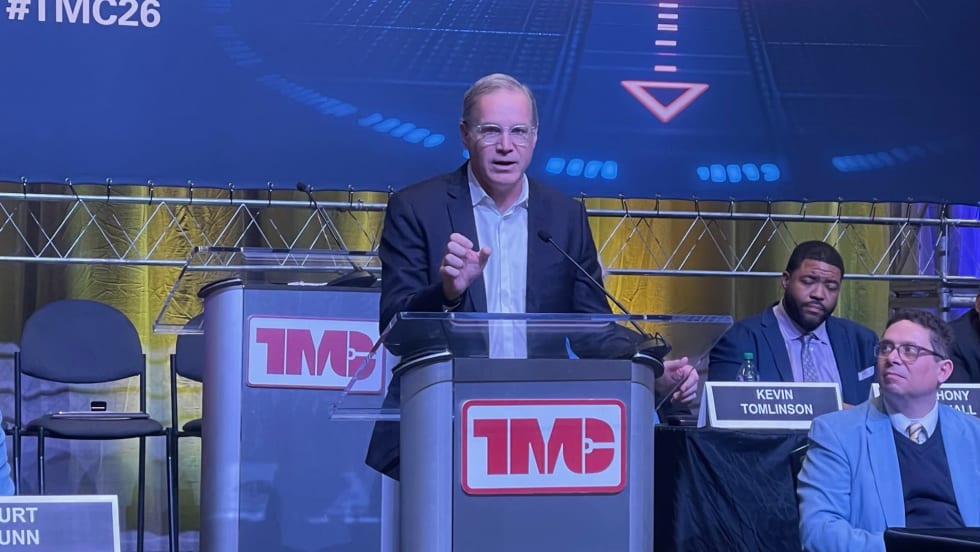
ATA’s Spear Warns Fuel Prices, Trade Policy, and Global Conflict Could Stall Trucking Recovery
Speaking at the TMC Annual Meeting in Nashville, ATA President Chris Spear said trucking faces mounting pressure from rising fuel prices, geopolitical instability, and uncertainty around trade policy.
Read More →
New Entrants, Chameleon Carriers, and Safety: Is It Too Easy to Start a Trucking Company?
More than 100,000 new trucking companies enter the industry each year, but regulators manage to audit only a fraction of them. That churn creates opportunities for inexperienced startups — and for “chameleon carriers” that shut down after safety violations and reappear under new identities. Read more from Deborah Lockridge in this commentary.
Read More →