




Arkansas Best, YRC Report Third-Quarter Results
Two of the industry's large, unionized less-than-truckload carriers announced their third quarter results Tuesday, with the non-asset-based Panther Expedited helping Arkansas Best and problems at YRC Freight weighing down YRC Worldwide.
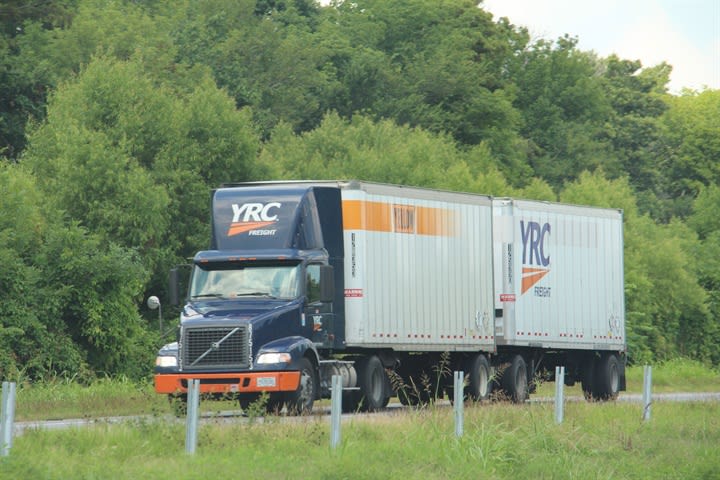
YRC says it's making changes at YRC Freight. Photo by Evan Lockridge
Two of the industry's large, unionized less-than-truckload carriers announced their third quarter results Tuesday, with the non-asset-based Panther Expedited helping Arkansas Best and problems at YRC Freight weighing down YRC Worldwide.
Panther Helps Drive Better Results for Arkansas Best
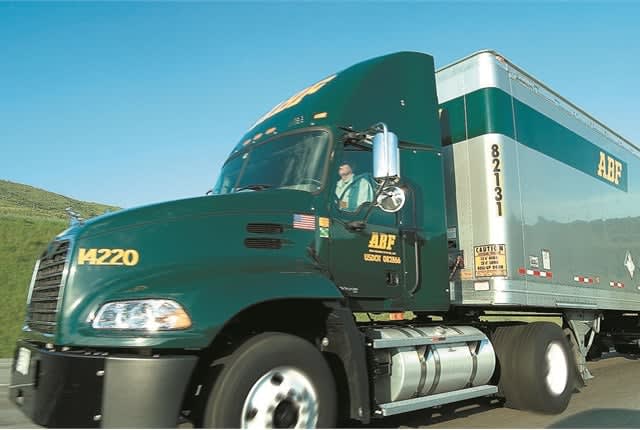
ABF says year-to-date numbers are just above break-even levels and a new labor agreement should lead to more improvements.
Arkansas Best, Fort Smith, Ark., parent company of ABF Freight System, saw its third quarter revenue increase 7.9% to $623.4 million from $577.5 million. It reported third quarter net income of $14 million, or $0.52 per share, on better business levels. Year-to-date ABF Freight results are just above breakeven levels.
“This was our strongest quarter of the year, thanks to the solid performances of our emerging businesses and a tonnage uptick for ABF Freight,” said Arkansas Best President and Chief Executive Officer Judy R. McReynolds. “In particular, Panther Expedited Services, which we acquired in June 2012, showed improved demand in several of the industries it serves.”
On a combined basis, Panther and all other non-asset-based businesses generated third quarter 2013 operating income and earnings before interest, taxes, depreciation and amortization (“EBITDA”) of $9.7 million, a 45% increase over EBITDA generated in the third quarter of 2012.
ABF Freight’s revenue increased during the traditionally strong third quarter. However, union salary wage and benefit costs remained unacceptably high, according to the company, as the previous national labor agreement remained in place. This was the result of operating under several extensions of the previous labor agreement pending final resolution of all regional supplemental agreements to the new five-year ABF National Master Freight Agreement, which was implemented on Nov. 3.
Read more on the Arkansas Best website.
YRC Freight Drags Down YRC Worldwide
YRC says it's making changes at YRC Freight. Photo by Evan Lockridge
YRC Worldwide, Overland Park, Kan., reported consolidated operating revenue for the third quarter of $1.25 billion, 1.3% higher than the $1.237 billion reported in the third quarter of 2012. However, that's a $21.5 million drop compared to the third quarter of 2012.
Operating income in 2013 included a $1.3 million loss on asset disposals compared to a $2.3 million gain on asset disposals in 2012. The company also reported adjusted EBITDA, on a non-GAAP basis, for the third quarter of 2013 of $62.4 million, a $16.4 million decrease from the $78.8 million adjusted EBITDA reported for the third quarter of 2012.
"The decline in year-over-year consolidated operational performance for the third quarter is primarily attributed to YRC Freight," said YRC Worldwide CEO and recently appointed YRC Freight President James Welch. "Our third quarter performance was hindered by declines in service, manpower shortages and declines in yield. During the quarter, the YRC Freight network was 'out of cycle,' which caused our service to decline in certain lanes."
YRC made leadership changes at YRC Freight in late Septembe, with assuming the responsibilities as president, succeeding Jeff Rogers.
"Over the past six weeks, we have been doing what needed to be done to get the YRC Freight network back in cycle, and results are telling us that it's working," Welch explained. "In October, service was within a couple of percentage points of where it was prior to the network optimization, and shipments per day were slightly higher than they were in October 2012, reversing negative trends."
Read full results on YRC's website.
More Fleet Management
Why This Trucking Recovery Is Different
Freight demand remains sluggish, but rising costs and tougher enforcement have taken enough capacity out of the market to change the outlook for motor carriers.
Read More →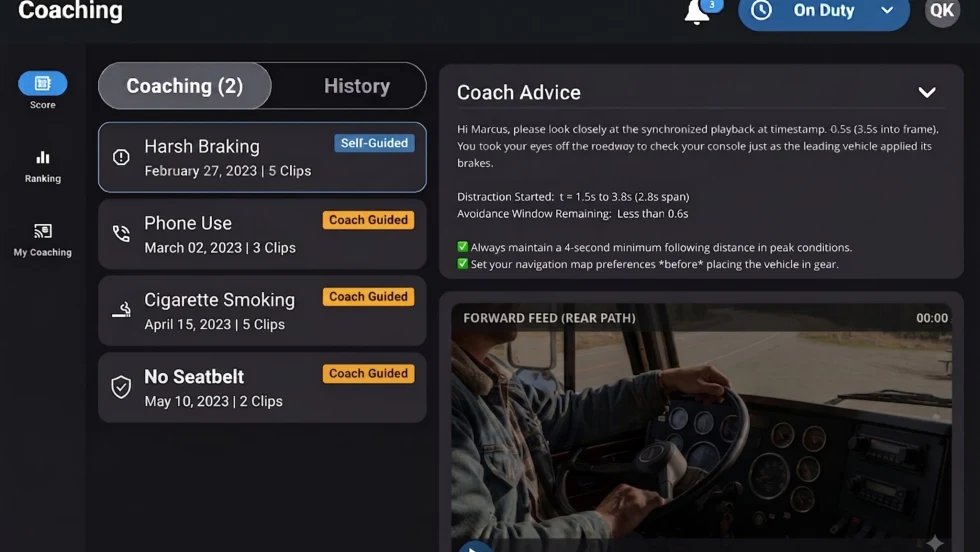
Platform Science Adds Dispatch and Safety Tools
Four additions to PS Fleet help fleets monitor loads, manage driver coaching, share truck locations and adjust video system settings.
Read More →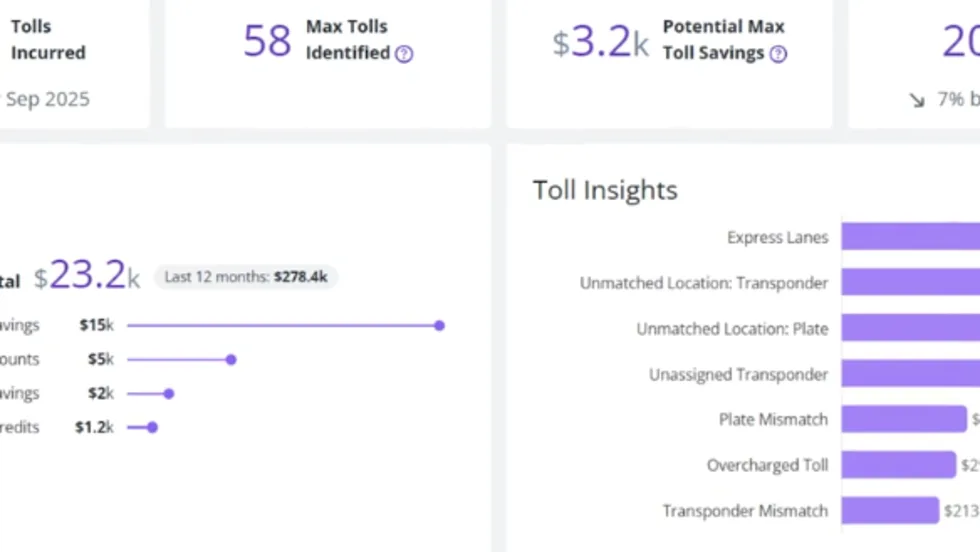
PrePass Intelligence Mines Fleet Bypass, Toll and Safety Data
PrePass Intelligence helps fleets measure bypass savings, flag potential toll overcharges, and spot suspicious transactions by combining data from separate systems.
Read More →
Motive Adds AI Agents for Fleet Operations
New tools automate follow-up on fleet data, from maintenance work orders to driver alerts, with two-way voice conversations planned for later this year.
Read More →
Can You Beat Our Trucking Trivia Challenge?
Test your truck knowledge with 19 trivia questions from Heavy Duty Trucking Exchange. Can you keep up with the fleet pros?
Read More →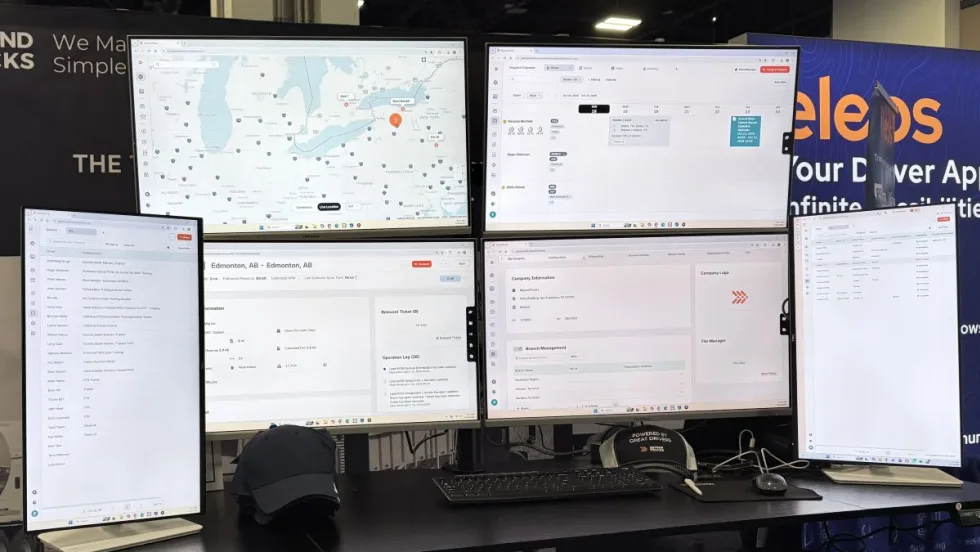
BeyondTrucks Adds Rules Checks to Dispatch
New Compatibility Engine checks driver qualifications, equipment requirements and fleet policies before loads are dispatched.
Read More →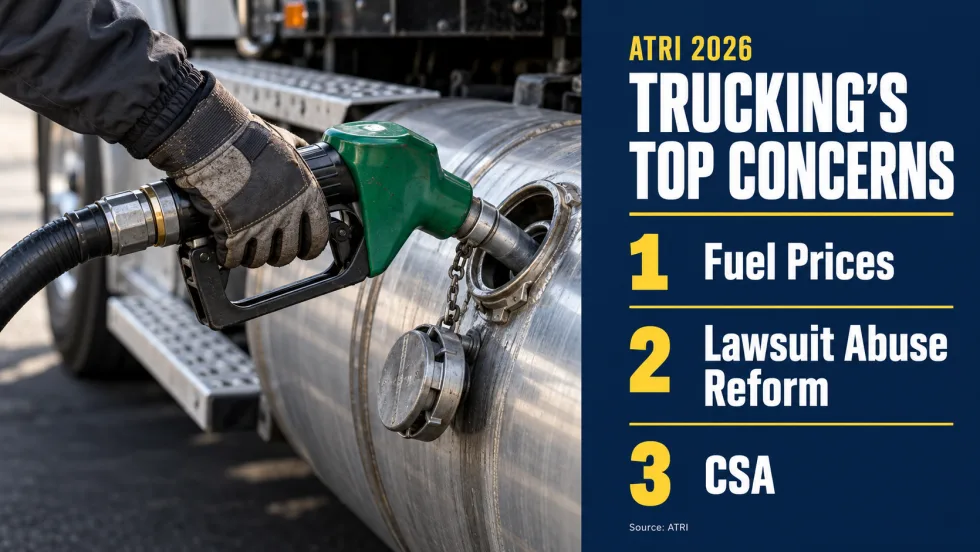
Diesel Prices Hijack Trucking’s Worry List
ATRI’s annual survey finds cautious optimism about freight, but diesel costs, litigation, and insurance continue to squeeze fleets. Drivers have different priorities on several issues.
Read More →
Nomination Deadline Extended for HDT Emerging Leaders
Just a few more days to nominate accomplished trucking fleet professionals under 40 who are making an impact and helping lead the industry forward for the HDT Emerging Leaders award. Deadline extended to October 20!
Read More →
What Will ATA’s New Leader Bring to Trucking's Table?
Incoming President and CEO Mark Colson’s record in Alabama offers clues about his priorities and approach following Chris Spear’s abrupt departure as the head of the American Trucking Associations.
Read More →
Volvo, Waabi Start Commercial Autonomous Operations in Texas
Volvo VNL Autonomous trucks, powered by the Waabi Driver, are hauling freight directly to third-party facilities for a customer in Texas.
Read More →