




Transportation Secretary Warns Three States on English Language Requirements
Transportation Secretary Sean Duffy warned three states, California, Washington, and New Mexico, that they risk losing federal funding if they do not enforce English Language Proficiency Requirements for commercial vehicle drivers.

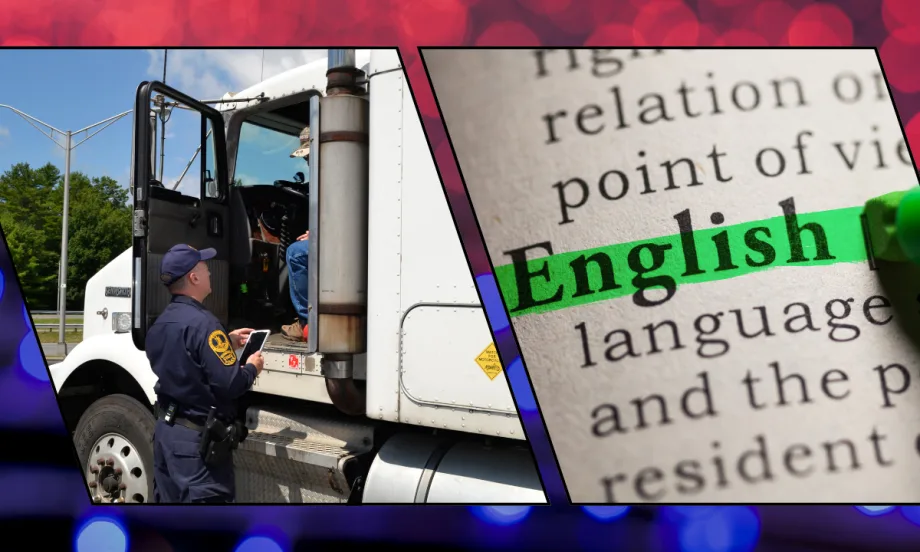
California, New Mexico and Washington have 30 days to come into compliance on English Language Proficiency Requirements or lose millions of dollars in federal funding.
HDT/CVSA
U.S. Transportation Secretary Sean Duffy announced on August 26 that California, Washington, and New Mexico must adopt and enforce English Language Proficiency (ELP) requirements for professional drivers.
If these states do not do so, Duffy warned, they risk losing millions of dollars in federal funding.
During a press conference, Duffy said the three states have 30 days to come into compliance before the Department will withhold up to 100% of funding from the Motor Carrier Safety Assistance Program (MCSAP).
“Significant” Enforcement Failures
“States don’t get to pick and choose which federal safety rules to follow,” Duffy told reporters. “As we saw with the horrific Florida crash that killed three, when states fail to enforce the law, they put the driving public in danger. Under President Trump’s leadership, we are taking aggressive action to close these safety gaps, hold states accountable, and make sure every commercial driver on the road is qualified to operate a 40-ton vehicle.”
An investigation by the Federal Motor Carrier Safety Administration found significant failures by California, Washington, and New Mexico to properly place drivers out-of-service for ELP violations.
In addition to the data, California Highway Patrol has also publicly stated it has no intention of following this important federal regulation.
These actions also come as Secretary Duffy advances its nationwide audit of non-domiciled commercial driver’s license (CDL) issuance – part of a broader effort to enhance safety on America’s roads and restore order to the trucking industry, according the the U.S. Department of Transportation Press Office.
On Aug. 26, California, Washington, and New Mexico received Notices of Proposed Determination of Nonconformity.
These notices open a formal process that would result in the suspension of millions of dollars in federal funds through the Motor Carrier Safety Assistance Program if the states do not demonstrate full compliance with federal English Language Proficiency standards.
What are the DOT's Allegations About ELP Standards?
According to Duffy, an investigation by the Federal Motor Carrier Safety Administration found significant failures by all three states to follow federal guidelines to properly place drivers out-of-service for ELP violations.
Duffy alleged that from June 25 to August 21:
California has failed to adopt and enforce compatible ELP laws and regulations. From June 25, 2025 through August 21, 2025, of the roughly 34,000 inspections resulting in at least one reported violation, only one inspection involved an ELP violation resulting in a driver being placed out of service. Notably, at least 23 drivers with documented ELP out-of-service violations in other states were later inspected in California – yet the state failed to honor those violations or enforce ELP, allowing unqualified drivers to continue operating on our roads.
Washington has adopted the ELP regulation but is failing to enforce it. From June 25, 2025 through August 21, 2025, of the more than 6,000 inspections resulting in at least one reported violation, only four inspections involved an ELP violation resulting in a driver being placed out of service. Moreover, two inspections resulted in ELP citations but the driver was not placed out-of-service—contrary to Federal requirements. In addition, at least 4 drivers with documented ELP out-of-service violations in other states were later inspected in Washington – yet the state failed to honor those violations or enforce ELP, undermining federal safety standards and leaving dangerous gaps in enforcement.
New Mexico has adopted the ELP regulation but is failing to enforce it. From June 25, 2025 through August 21, 2025 the state reported placing zero drivers out-of-service for ELP violations and allowed at least seven unqualified drivers already found unable to meet ELP standards to keep driving and endangering the lives of others.
More Safety & Compliance
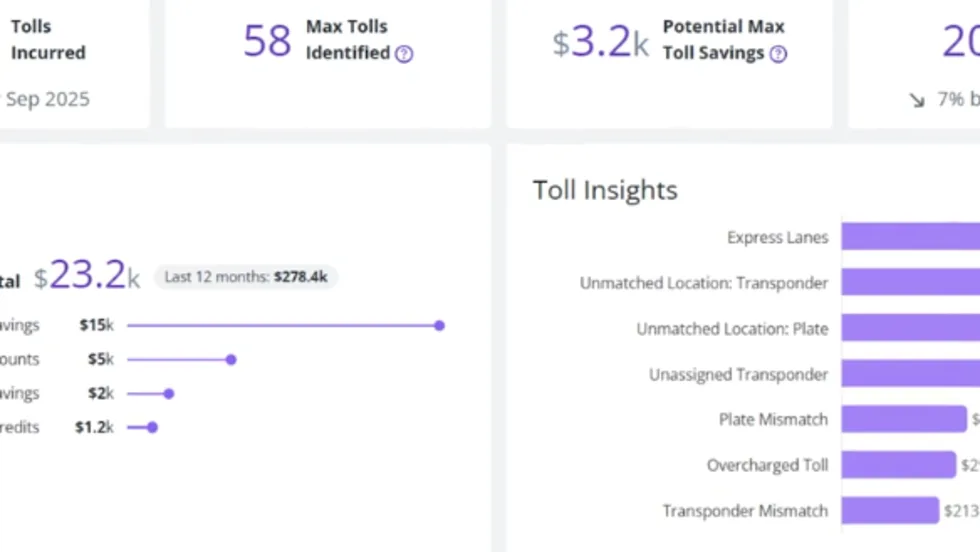
PrePass Intelligence Mines Fleet Bypass, Toll and Safety Data
PrePass Intelligence helps fleets measure bypass savings, flag potential toll overcharges, and spot suspicious transactions by combining data from separate systems.
Read More →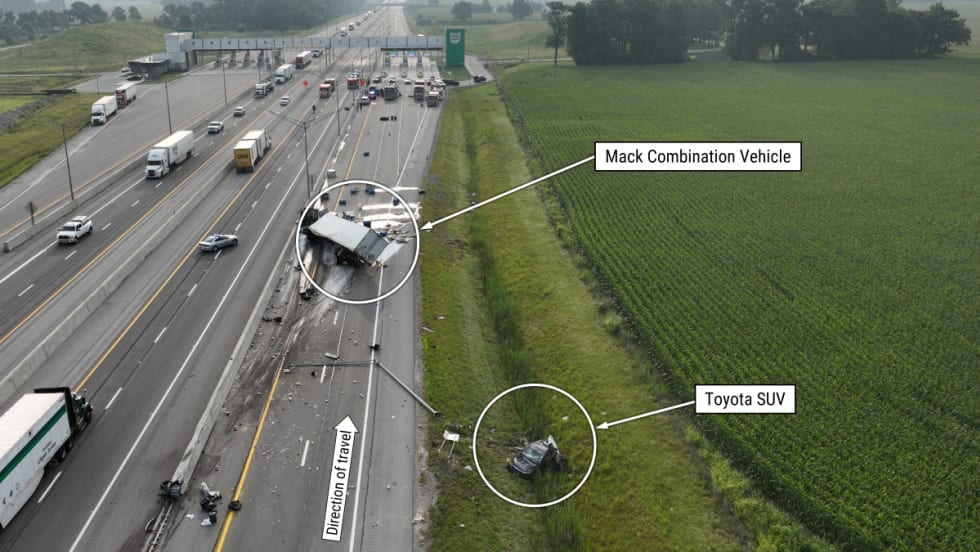
Fatal Crash Exposes Toll Plaza Risks
An NTSB investigation found that last-minute lane changes and large speed differences at an Ohio toll plaza created a hazard the truck driver couldn't avoid in time.
Read More →
When Language Stops the Truck: The Return of ELP Out-of-Service Orders
English language proficiency rules for commercial drivers aren’t new, but renewed out-of-service enforcement has raised the stakes. Here’s what carriers need to know before a driver reaches a roadside inspection.
Read More →

A Camera Isn't a Safety Program. Here's What Brokers Are Screening for Now
Footage alone may not be enough to pass broker vetting processes. Here's what counts as a defensible safety program now.
Read More →
Marijuana and Trucking’s Drug-Testing Dilemma
Marijuana is getting stronger, laws are changing, and drug tests still can’t reliably establish impairment. What does that mean for truck drivers and the fleets that employ them?
Read More →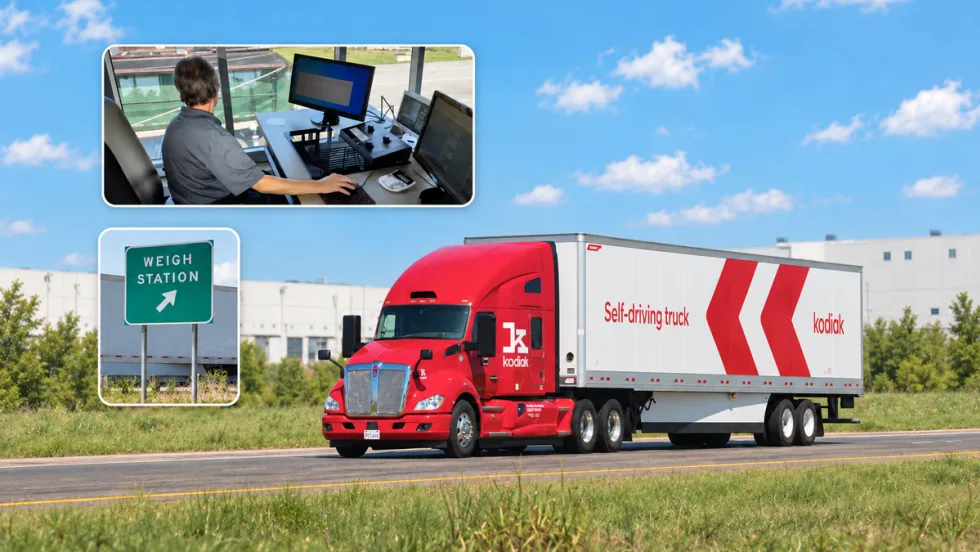
PrePass, Kodiak Connect Driverless Trucks to Roadside Enforcement
The system will allow enforcement agencies to verify Enhanced Inspection information and decide whether Kodiak’s autonomous trucks can bypass roadside screening sites.
Read More →
From One Generation to the Next: How Mentorship Builds Safer Truck Drivers
After three decades in trucking, Harold Perry shares what he's learned about driver safety, mentorship, and helping the next generation build confidence behind the wheel.
Read More →
FMCSA Pauses Biennial-Update Enforcement Amid Motus Transition
Carriers whose updates were due on or after June 1 have more time, while FMCSA works to stabilize its new registration system and warns of phishing sites impersonating its new carrier registration system, Motus.
Read More →
ZF Expands Commercial Vehicle Push in North America
ZF is expanding its North American commercial-vehicle presence with new transmission applications, electrification, trailer technology and autonomous-driving systems.
Read More →
Truck Drivers Need More Than Another Alert
Fleets have more visibility into truck health, safety events, and driver activity than ever. The next challenge is turning all that information into useful guidance for the person who has to decide what to do next.
Read More →