




Motive Uses AI to Tackle Fuel Fraud
Motive said its new fuel fraud control features identified more than $250,000 from more than 1,200 unauthorized transactions in a 30-day trial.

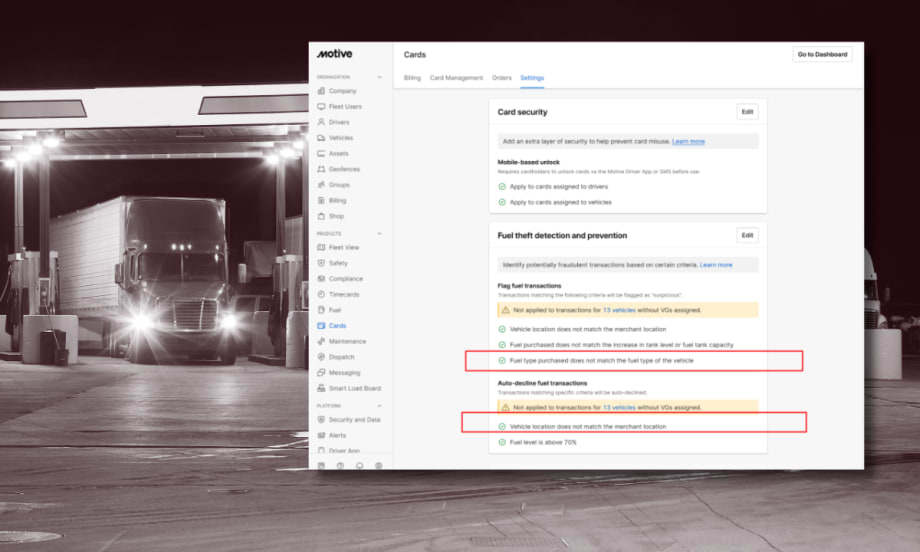
Motive says its new fuel card tool protects against fraud.
Image: HDT Graphic
Motive has added new fuel fraud controls powered by artificial intelligence to its fuel card.
The new fraud control features identified more than $250,000 from more than 1,200 unauthorized transactions in a 30-day trial.
Motive describes itself as an AI-powered integrated operations platform and says the Motive Card is the only fuel card that is fully integrated into a fleet management platform.
The new fraud controlsintegrate telematics data from the Motive platform to give fleet managers the precise data and controls they need to automatically identify and decline fraud transactions.
“The Motive Card … alerts us to potentially fraudulent activity and declines those transactions. We haven’t had any fraud since using the Motive Card,” said Alex Amort, vice president of compliance for Cascade Environmental.
“Nineteen percent of current fleet spend is lost to fraud or theft, leading to an average revenue loss of nearly $1 million per year for companies in the trucking, logistics, construction, oil and gas, and other sectors,” said Hemant Banavar, Vice President, Financial Products.
New AI-Powered Fuel Fraud Controls
Exclusively available to Motive Card customers, the new fraud controls enable businesses to customize spending limits, automatically decline suspicious transactions, and receive instant alerts for location discrepancies.
With the new controls, customers can:
Stop Fraud Before It Happens: AI-powered Vehicle & Spend Location Mismatch provides an essential layer of security against fraud, with new alerts and auto decline controls if the vehicle location does not match the fuel card transaction.
Respond Faster to Suspicious Activity: Fuel Type Mismatch and Fuel Level & Spend Mismatch alerts allow fleet managers to detect fraudulent transactions and take prompt action, such as freeze the card, or block the merchant when the fuel level or type do not match the vehicle.
Increase Profits with a Holistic View: The integration of fleet telematics and spend transactions in one platform gives fleet managers a comprehensive view of all activity, so they can control and stop unauthorized spending and improve profit margins, savings, and operational efficiency.
More Fuel Smarts
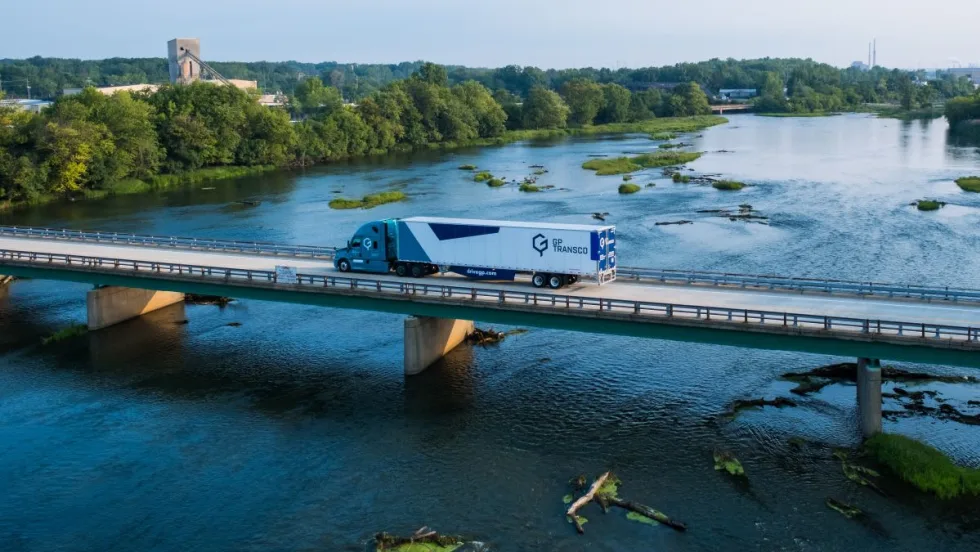
How GP Transco Builds Fuel Savings a Fraction at a Time
Aerodynamic specs, solar panels, and driver incentives help GP Transco turn small efficiency gains into savings it can reinvest in its people.
Read More →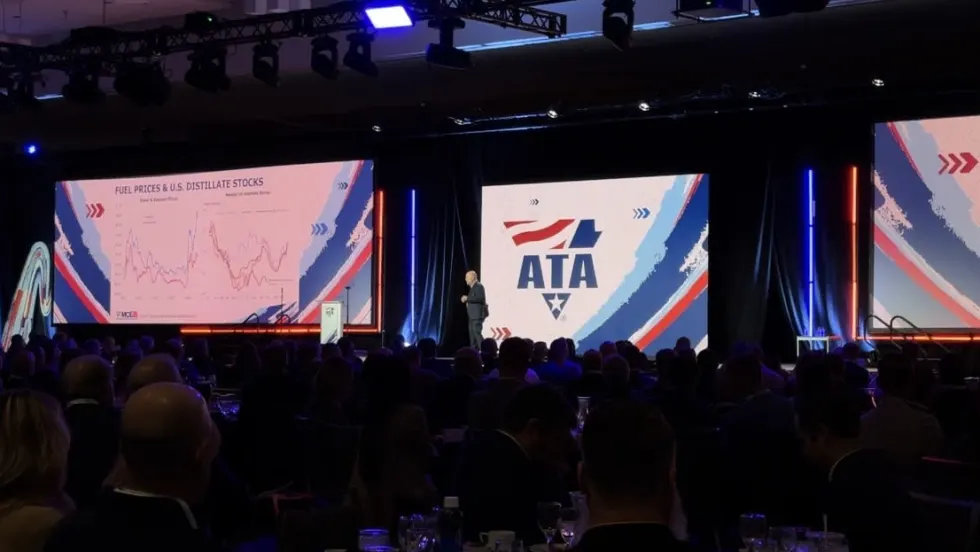
Trucking’s Diesel Squeeze Isn’t Letting Up
With diesel topping $6 a gallon nationally, ATA's Bob Costello explains why fleets should prepare for continued pressure at the pump.
Read More →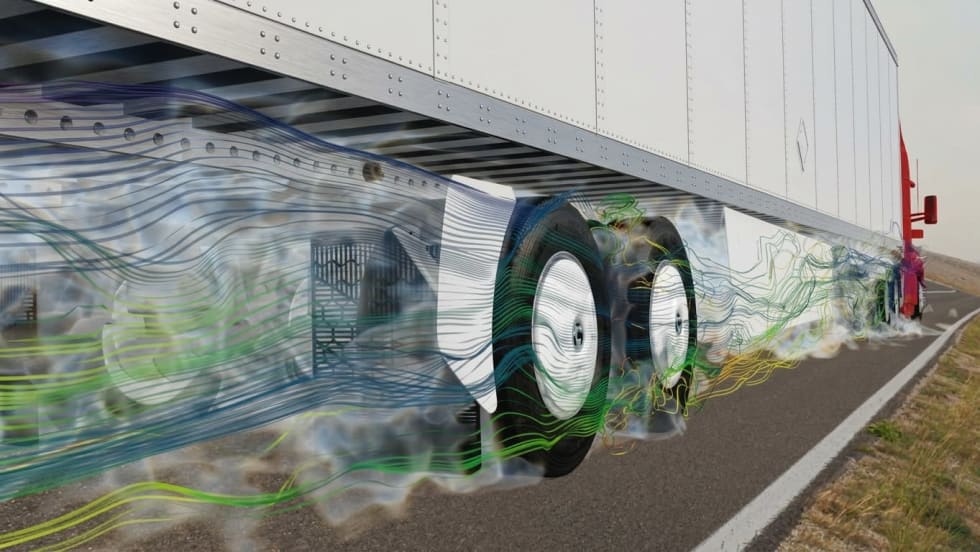
FlowBelow Redesigns Trailer AeroSlider to Cut Fuel Use
The lighter trailer aerodynamic system installs in less than 45 minutes, according to the company, with potential payback in under a year depending on fuel prices and trailer mileage.
Read More →
Why Diesel Price Relief Efforts May Fall Short
Diesel prices have eased from September’s record high, but doubts about additional Russian supply and limits on dyed-diesel tax relief mean trucking fleets still face expensive fuel. And prices could go higher.
Read More →
Why Small Fuel Savings Matter in Trucking
Can better fuel economy help pay for driver raises? In this podcast, GP Transco explains how small efficiency gains create room to reinvest in its people.
Read More →
How GP Transco Cuts Trucking Fuel Costs, a Tenth of a Gallon at a Time
What’s another tenth of a mile per gallon worth? GP Transco shares how equipment upgrades and driver coaching turn small gains into meaningful fuel savings.
Read More →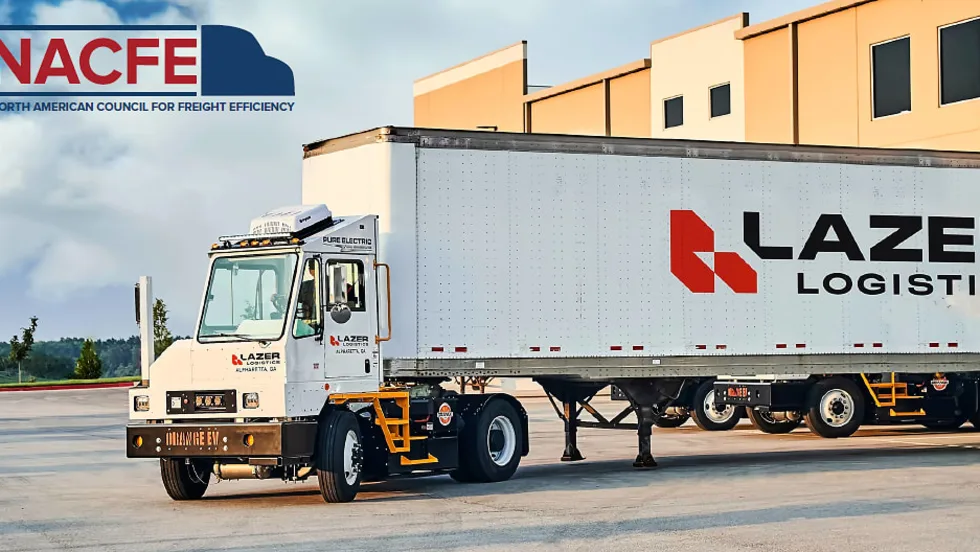
Electric Yard Tractors Move Beyond Pilots
Operating-cost savings have overtaken sustainability goals as the leading reason surveyed fleets are adopting battery-electric terminal tractors, according to new NACFE research.
Read More →
Geotab Links Fleet Card to Vehicle Data
The new card combines fuel discounts with telematics-based purchase controls. Geotab’s analysis also points to potential savings from choosing lower-priced fuel stops.
Read More →
Fleet Economics Shape Electric Truck Outlook
ACT Research expects costs, charging infrastructure, and technology improvements to drive zero-emission commercial vehicle adoption as federal regulations and incentives retreat.
Read More →
Wex Adds Cardless Fuel Payments for Over-the-Road Customers
A new fuel card feature for Wex customers offers convenience and security.
Read More →