




Heavy-Haul Truckers: Understanding Your Rights to Downtime Payments
For heavy haulers and other trucking operations with highly specialized equipment, downtime following a crash can be devastating to their business and income. But you have a right to payments for that downtime, according to this attorney.
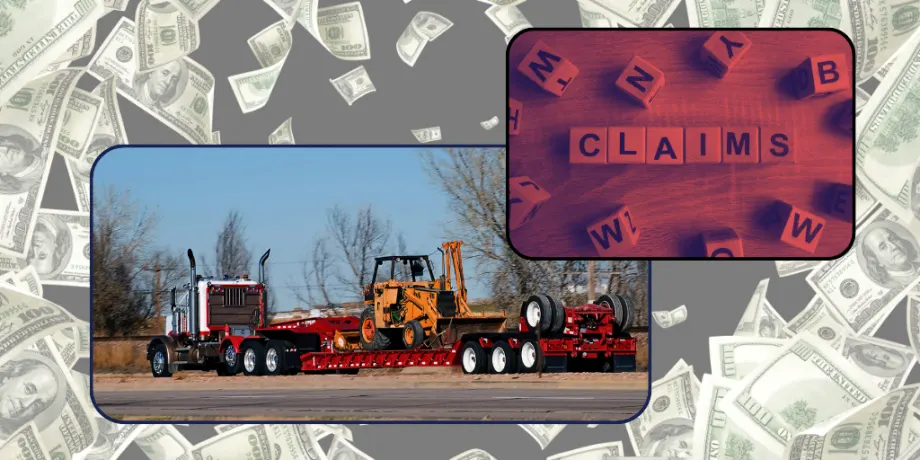
For heavy-haul truckers, the inability to operate a portion or all of the business due to damaged equipment can be financially crippling.
Image: HDT Graphic
“Fred,” a seasoned owner of a heavy-haul trucking business, has built a solid reputation for handling oversized loads. His fleet includes specialized equipment, such as an extra-long extendable step-deck trailer, essential for transporting massive machinery like excavators.
Last May, Fred took on a contract to move a large excavator across the Midwest — a routine job that soon turned into a challenging ordeal.
A young driver in a Mustang veered into Fred's lane and collided with his trailer. The police arrived at the scene, and it was clear that the Mustang driver was at fault. Fortunately, neither Fred nor the excavator he was transporting were harmed.
However, the damage to Fred's step-deck trailer was significant enough to render it undrivable according to federal Department of Transportation standards.
The Financial Impact of Downtime for Truckers After a Crash
Fred's immediate action was to file a claim with his insurance company to cover the repairs and the cost of transferring the cargo. His insurance company acted swiftly and paid the claim, but it took time to repair the equipment. There was a significant loss of income during this process.
For heavy-haul truckers like Fred, the inability to operate a portion or all of the business due to damaged equipment can be financially crippling.
The specialized nature of Fred’s trailer meant finding a replacement was next to impossible, leaving him sidelined and losing income.
Situations like Fred’s are where understanding an owner-operator’s or trucking fleet’s rights to downtime payments becomes crucial.
Mitigating Losses: A Challenge for Heavy Haulers
Fred, being proactive, did everything in his power to expedite the repair process and find a rental. He reached out to rental companies across the region, inquiring about the availability of a similar extendable step-deck trailer. Given the specialized nature of his equipment, he wasn’t surprised when every rental facility he contacted responded with a “no.”
However, Fred’s diligence in documenting these mitigation efforts in writing paid off later when dealing with the Mustang driver’s insurance company.
When Fred filed a downtime claim with the Mustang driver’s insurance, the adjuster requested proof that Fred had taken steps to mitigate his losses. In the insurance world, mitigation refers to the actions taken to lessen the loss.
By forwarding the rejection letters from the rental companies, Fred was able to demonstrate that he had made significant efforts to find a similar substitute trailer. He showed that no option was available.
This evidence was critical in supporting his claim for reimbursement of his downtime losses.
Downtime Payments: What Truckers Need to Know
Downtime payments from the at-fault party are designed to compensate truckers for their lost income while damaged equipment is out of service due to an accident.
This compensation can be especially vital for heavy-haul operators, who often rely on specialized trailers and equipment that are not easily rented or replaced.
Obtaining payment for lost income can be a complex process. Insurance companies often challenge these claims, arguing that the claimant-trucker didn’t do enough to mitigate the loss or that the time down was excessive.
This is why it’s essential for truckers to thoroughly document all efforts to repair or replace damaged equipment and to keep detailed records of the income they lose during the downtime period.
In Fred’s case, his written proof of trying to get a rental helped him overcome the insurance adjuster’s objections and secure payment for the time his trailer was out of service.
Would Your Insurance Protect Your Trucking Business?
Heavy-haul trucking is a high-stakes business. Even a few days of downtime can have significant financial repercussions.
While Fred was ultimately able to recover his lost income from the at-fault driver’s insurance, the experience highlighted the importance of having comprehensive insurance coverage that includes downtime coverage.
If the Mustang had had little to no insurance coverage, Uninsured Motorist Property Damage and Underinsured Motorist Property Damage would have been valuable coverages on Fred’s policy. They may cover the significant downtime losses the Mustang’s insurance won’t cover.
Truckers should work closely with their insurance agents to ensure there is adequate protection in the event of an accident. Proper coverage helps bridge the financial gap during the repair process and keep a business afloat when unforeseen incidents occur.
While no one wants to file a claim on their own policy, sometimes it’s necessary.
Be Prepared and Stay Protected
Fred’s experience can be a valuable lesson for heavy-haul truckers and others in the trucking industry.
Understanding your rights to downtime payments from the at-fault party and ensuring you have adequate insurance coverage are essential steps in protecting your business.
In a field where specialized equipment is often irreplaceable, being sidelined can quickly become a costly affair. By being prepared, staying safe, and working closely with your insurance agent and attorney, you can navigate the challenges with confidence and keep your business moving forward.
Stay safe, stay insured, and know your rights when it comes to downtime payments.

About the Author: Kelsea Eckert is a trucking attorney with Eckert & Associates who enjoys helping clients resolve their insurance and downtime claims. She is active in the trucking community and has practiced law since 1988. Eckert regularly speaks at trade shows, podcasts, and radio shows on transportation issues.
This contributed guest article was authored and edited according to Heavy Duty Trucking’s editorial standards and style to provide useful information to our readers. Opinions expressed may not reflect those of HDT.
More Fleet Management
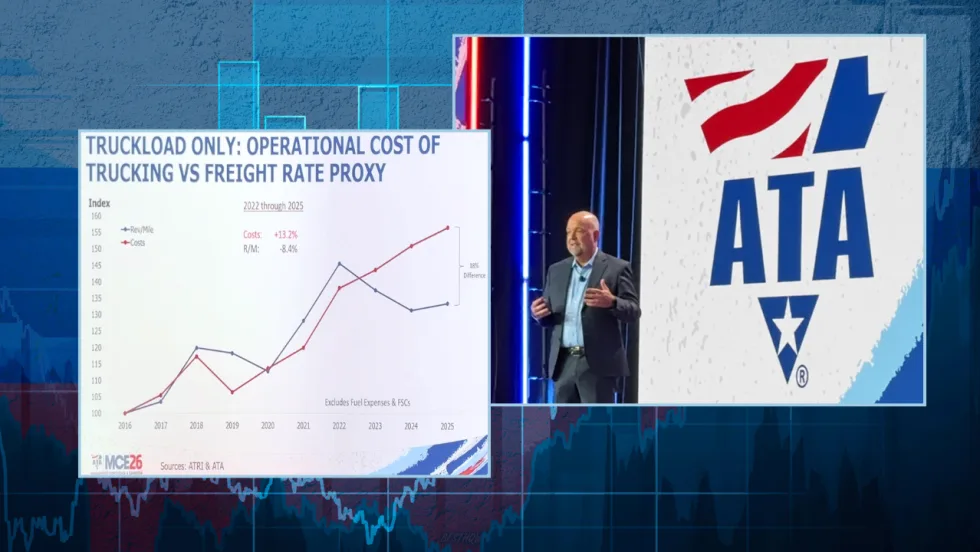
Why This Trucking Recovery Is Different
Freight demand remains sluggish, but rising costs and tougher enforcement have taken enough capacity out of the market to change the outlook for motor carriers.
Read More →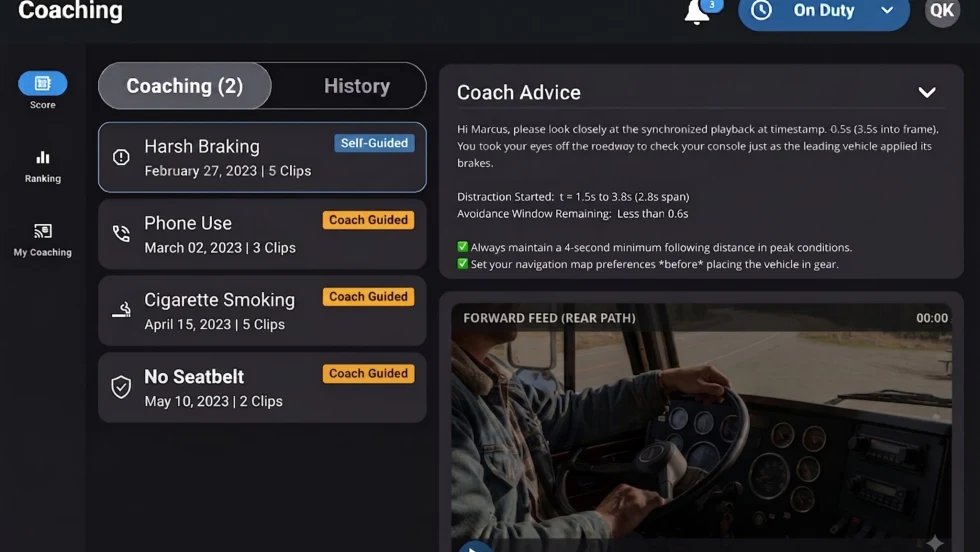
Platform Science Adds Dispatch and Safety Tools
Four additions to PS Fleet help fleets monitor loads, manage driver coaching, share truck locations and adjust video system settings.
Read More →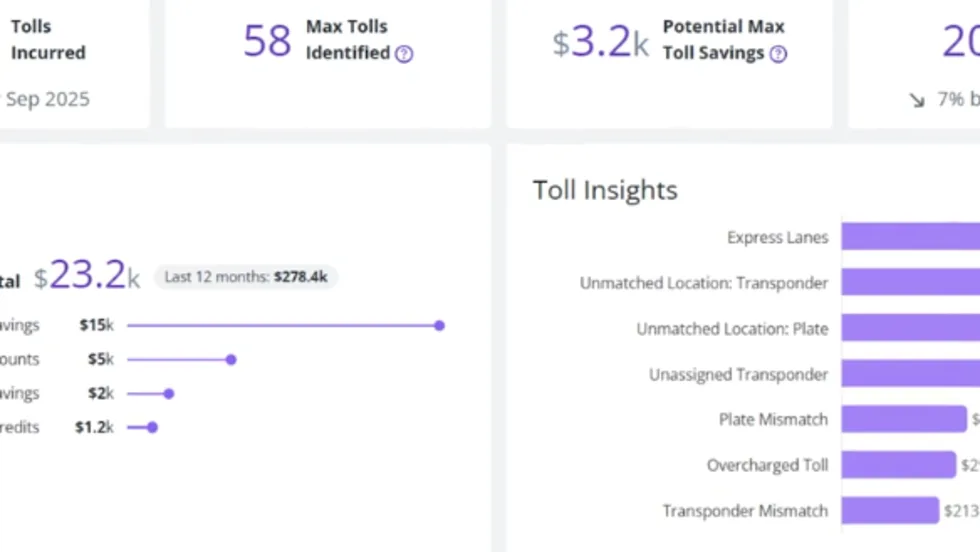
PrePass Intelligence Mines Fleet Bypass, Toll and Safety Data
PrePass Intelligence helps fleets measure bypass savings, flag potential toll overcharges, and spot suspicious transactions by combining data from separate systems.
Read More →
Motive Adds AI Agents for Fleet Operations
New tools automate follow-up on fleet data, from maintenance work orders to driver alerts, with two-way voice conversations planned for later this year.
Read More →
Can You Beat Our Trucking Trivia Challenge?
Test your truck knowledge with 19 trivia questions from Heavy Duty Trucking Exchange. Can you keep up with the fleet pros?
Read More →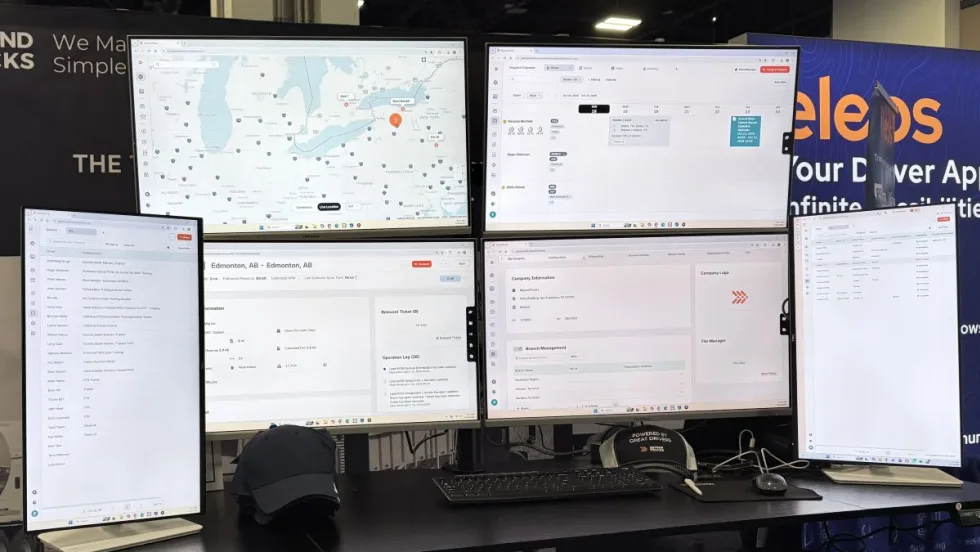
BeyondTrucks Adds Rules Checks to Dispatch
New Compatibility Engine checks driver qualifications, equipment requirements and fleet policies before loads are dispatched.
Read More →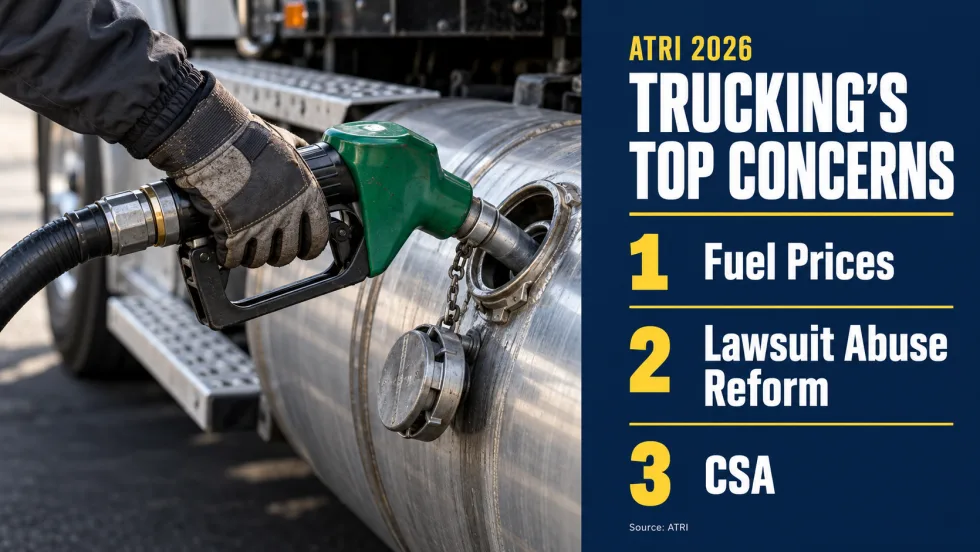
Diesel Prices Hijack Trucking’s Worry List
ATRI’s annual survey finds cautious optimism about freight, but diesel costs, litigation, and insurance continue to squeeze fleets. Drivers have different priorities on several issues.
Read More →
Nomination Deadline Extended for HDT Emerging Leaders
Just a few more days to nominate accomplished trucking fleet professionals under 40 who are making an impact and helping lead the industry forward for the HDT Emerging Leaders award. Deadline extended to October 20!
Read More →
What Will ATA’s New Leader Bring to Trucking's Table?
Incoming President and CEO Mark Colson’s record in Alabama offers clues about his priorities and approach following Chris Spear’s abrupt departure as the head of the American Trucking Associations.
Read More →
Volvo, Waabi Start Commercial Autonomous Operations in Texas
Volvo VNL Autonomous trucks, powered by the Waabi Driver, are hauling freight directly to third-party facilities for a customer in Texas.
Read More →