




NACFE Looks to Demystify the Messy Middle
NACFE’s fifth Run on Less fleet technology adoption program will look at trucking’s “Messy Middle” and the future of heavy-duty tractors.

NACFE is currently looking for fleets and sponsors to participate in its firth Run on Less study, which will focus on trucking's "Messy Middle."
Grpahic: NACFE
The North American Council for Freight Efficiency going to conduct its fifth Run on Less fleet evaluation study in the fall of 2025.
And while Executive Director Mike Roeth admits his team doesn’t quite have all the details worked out yet, he can say that NACFE will be combining its Run on Less series with our work on the Messy Middle. The goal of this new real-world fleet study will be to help end-users make better alternative fuel and powertrain choices concerning the future of heavy-duty tractors.
A Focus on Long-Haul
Run on Less – Messy Middle will focus on the long-haul segment of the trucking industry, Roethe said. It will examine both trucks that return to base and those in over-the-road duty cycles.
The "Messy Middle" is a phrase coined by Roeth -- and now widely used in the trucking industry -- to describe the transitional period ewhen fleets will move away from fossil fuels toward environmentally friendly fuels and powertrain choices.
It will feature fleets deploying Class 8 day cab and sleeper trucks with a variety of alternative fuel powertrains and the best energy efficiency technologies.
Run on Less – Messy Middle will explain the various decarbonization efforts including alternative fueling options and explore the impact of duty cycle on powertrain selection. Previous Runs have focused on vehicles in local deliveries or regional haul.
This Run will solely focus on the long-haul portion of trucking, a market segment that includes only 9% of the trucks but generates 48% of the emissions.
There is significant work being done in this segment of the market and this Run will give NACFE the opportunity to showcase the realities of that market, Roeth added.
Roeth said NACFE will once again feature its popular Bootcamp overview of the Run. And, he added, followers can expect the usual metrics and dashboards on the Run on Less website, compiled by NACFE industry experts.
Of course, Roeth noted, no Run would be complete without visits to fleet locations to talk with fleet managers, drivers, and others involved in the decarbonization of trucking.
So, NACFE will publish a report that shares all the things we learn during the Run. We also will document site visits and key findings in the videos that have become a key part of the Run.
“I am excited that we are going to highlight a variety of ways for fleets to lower emissions in the very challenging long-haul segment of the trucking market,” Roeth added.
If You’re Interested in Contributing
As NACFE irons out the details, Roeth said he will be sharing them with the trucking industry at large.
“As you all know, Run on Less events cannot happen without the support of fleets and OEMs being willing to participate, and sponsors willing to underwrite the costs associated with the Run,” Roeth said. “I’m happy to talk to you about being in the Run or sponsoring it.”
Mike Roeth can be reached at mike.roeth@nacfe.org or at 260-750-0106.
More Fuel Smarts
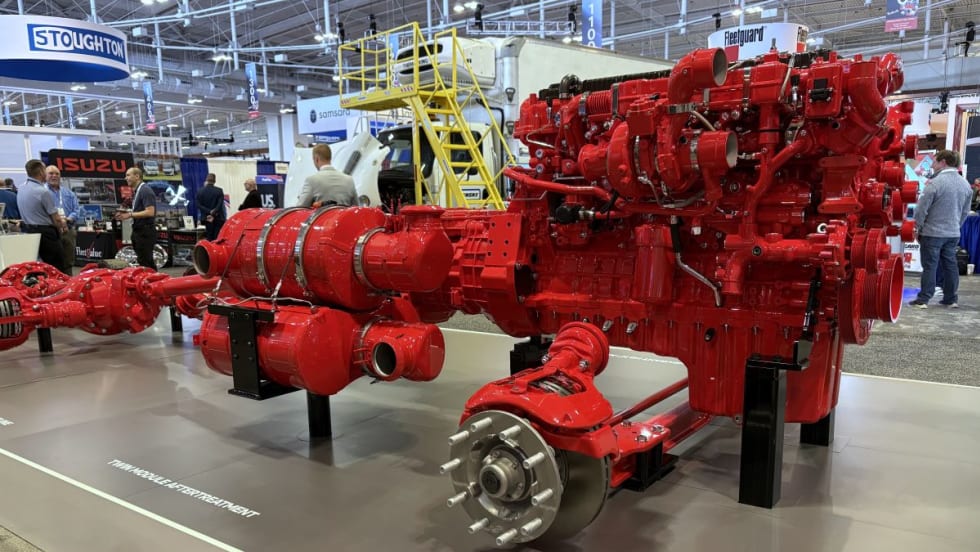
Cummins Adjusts 2027 Engine Rollout After EPA Proposal
The engine maker will gradually introduce its new Model Year 2027 diesel engines while continuing to offer current models during the transition, citing the EPA's proposed emissions rule changes.
Read More →
EPA Proposal Could Ease 2027 Truck Costs and Buying Uncertainty
The proposal doesn't change the tougher NOx standard, but it would revise key implementation requirements that manufacturers say have driven up costs and complicated fleet purchasing decisions.
Read More →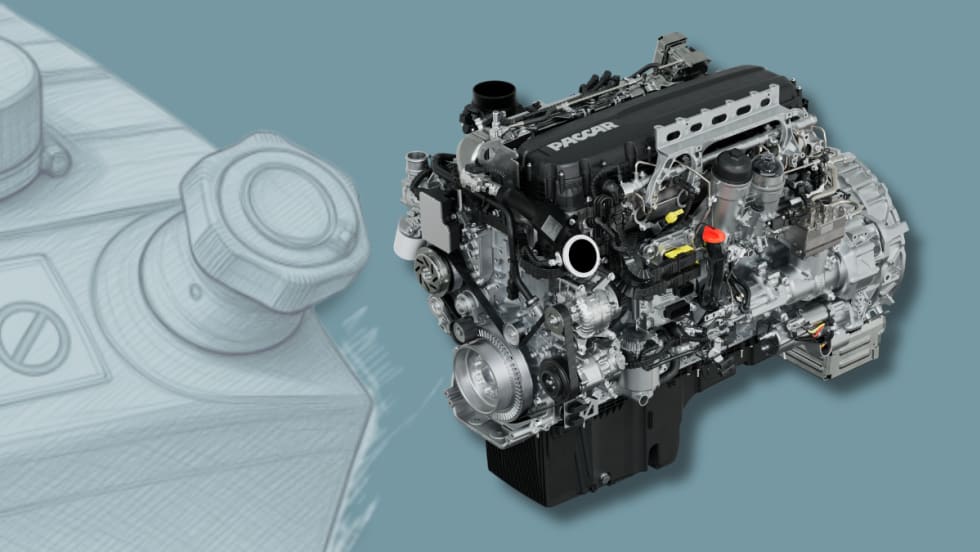
Cummins, Paccar Ease DEF Derates After EPA Guidance
Updated diesel engine software gives truck operators more time to address emissions-system issues while staying compliant with EPA emissions standards.
Read More →
Maintenance in the Messy Middle Part 3: Biodiesel
Biodiesel can reduce emissions, improve fuel-system lubricity and use existing diesel infrastructure. But NACFE’s Messy Middle maintenance report says fleets must actively manage storage, cold-weather operation, filters and oil drain intervals to avoid problems.
Read More →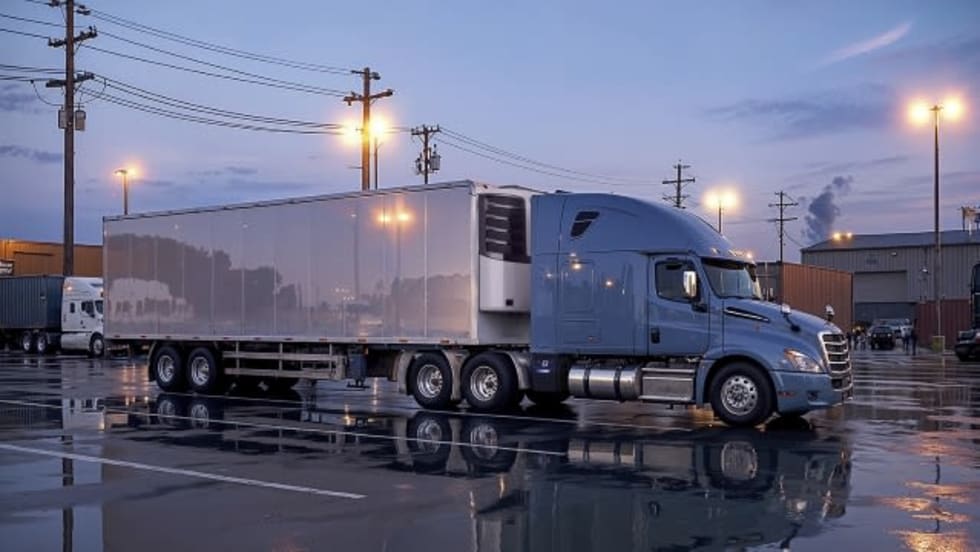
Enhance Fleet Performance with High-Efficiency Auxiliary Power Units
Drive sustainable cost savings while increasing driver comfort during short- and long-haul logistics operations.
Read More →
Maintenance in the ‘Messy Middle’ Part 2: Renewable Diesel Fuel
NACFE's latest Messy Middle Powertrain Service & Maintenance report says renewable diesel gives fleets an opportunity to reduce carbon emissions without changing trucks, fueling infrastructure or maintenance practices. But technicians still need to understand several important operational differences.
Read More →
The Diesel Engine Enters NACFE’s ‘Messy Middle’
NACFE’s new Messy Middle Powertrain Service & Maintenance report says keeping modern diesel engines running now depends as much on software, diagnostics and data as traditional mechanical service.
Read More →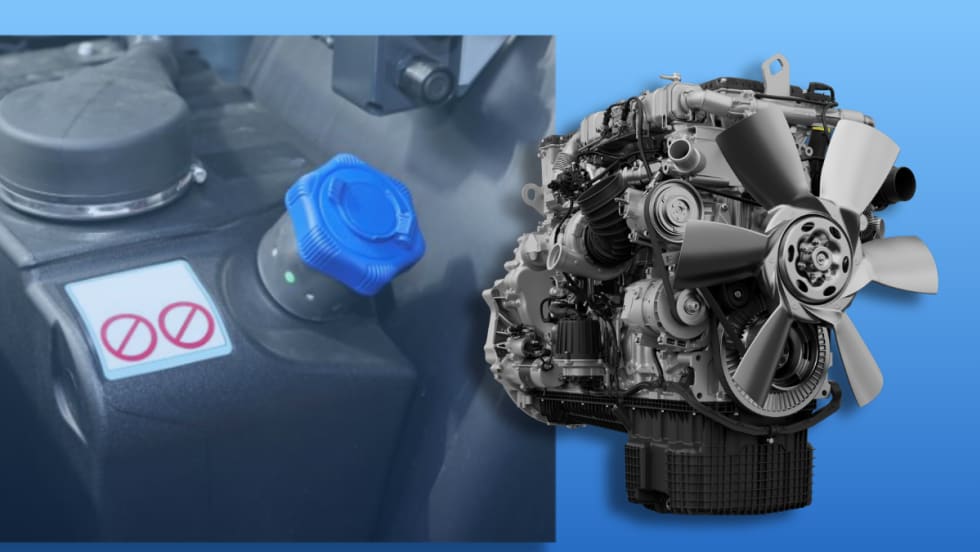
DTNA Software Update Gives Truckers More Time Before DEF Derates Take Effect
The changes reflect EPA guidance aimed at reducing downtime caused by emissions-system faults while maintaining compliance requirements.
Read More →
New Agentic Predictive Maintenance Report Demonstrates How Degraded Aftertreatment Systems Waste Fuel
Questar analyzed a large mixed-class fleet and discovered it was wasting as much as $30 in fuel per vehicle, per day, because of mechanically degraded aftertreatment systems.
Read More →
New York City's Microhub Project is Delivering Results
Trucking, last-mile delivery companies, and environmental advocates like what they are seeing so far with New York's microhub program.
Read More →