





What Should Motor Carriers Do When They Get a Drug and Alcohol Clearinghouse Alert?
Frequently Asked Questions About the Drug and Alcohol Clearinghouse
Even going on four years after the federal Drug and Alcohol Clearinghouse rolled out to track commercial driver violations, there are still questions about the Clearinghouse.
August 28, 2023

Anyone seeking a CDL safety-sensitive position must be prepared to grant consent to a full Clearinghouse query via the portal by having a Clearinghouse account.
Photo courtesy J.J. Keller
3 min to read
In January 2020, the Federal Motor Carrier Safety Administration rolled out the federal Drug and Alcohol Clearinghouse. This electronic database was designed to track commercial driver’s license (and permit) holders who have tested positive for prohibited drug or alcohol use, as well as refusals to take required drug tests, and other drug and alcohol violations. When a driver who has been found to be in violation completes the required return-to-duty process, this information also is recorded in the clearinghouse.
Even going on four years later, there are still questions about the Clearinghouse. Among the most common:
Q: Do all CDL drivers need a Clearinghouse account?
A: No, only those that must consent to a full query. A full query shows all the details that exist on the driver in the Drug and Alcohol Clearinghouse. A full query requires a driver to log into his or her account to authorize the motor carrier’s access to the report.
A pre-employment query is a full query. Anyone seeking a CDL safety-sensitive position must be prepared to grant consent via the portal by having an account.
Annual queries performed by motor carriers on existing drivers are, at minimum, a limited query. A limited query requires the employer to have the driver grant consent outside of the portal.
The limited query simply states whether the driver has information in the system. If the driver has a record in the Clearinghouse, the motor carrier is required to request a full query to learn details. If an existing driver is in need of a full query, he or she needs to have a portal account or create one.
A driver who refuses to grant consent for either a limited or full query cannot be used in a safety-sensitive function.
Q: Is it a violation if a CDL driver refuses to provide consent to pursue DOT testing history? Is it reported to the Clearinghouse as a violation under Part 382?
A: No, it is not a violation for a driver to refuse to sign a release to pursue to DOT testing history. The information is confidential, and drivers are within their rights to say no. However, when a driver fails to provide specific written consent on the safety performance history records request and/or the CDL Drug and Alcohol Clearinghouse, the employer is unable to use the driver in a safety-sensitive position.
Q: Is an employer required to conduct a pre-employment query of the Clearinghouse for a driver-applicant subject to Part 382 before administering a road test (§391.31)?
A: No, an employer is not required to conduct a pre-employment query of the Clearinghouse before administering a road test to a prospective driver who is subject to 382.
Under §382.701(a), employers are required to query the Clearinghouse when hiring a driver to perform safety-sensitive functions. The road test occurs before the driver is hired, so employers may conduct a pre-employment query at the time they road test a prospective driver but are not required to do so.
A version of this story appears in the September 2023 print issue of HDT.
Subscribe to Our Newsletter
More Safety & Compliance
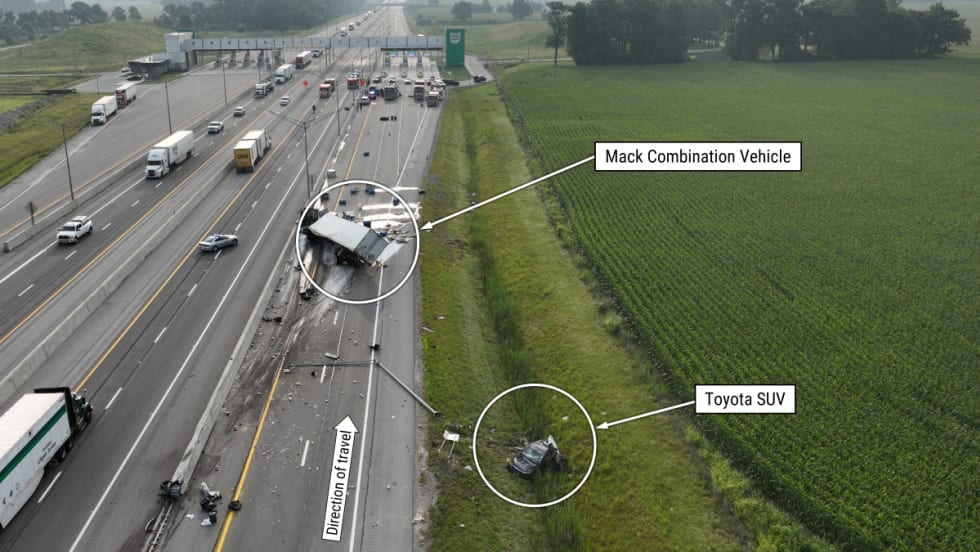
Fatal Crash Exposes Toll Plaza Risks
An NTSB investigation found that last-minute lane changes and large speed differences at an Ohio toll plaza created a hazard the truck driver couldn't avoid in time.
Read More →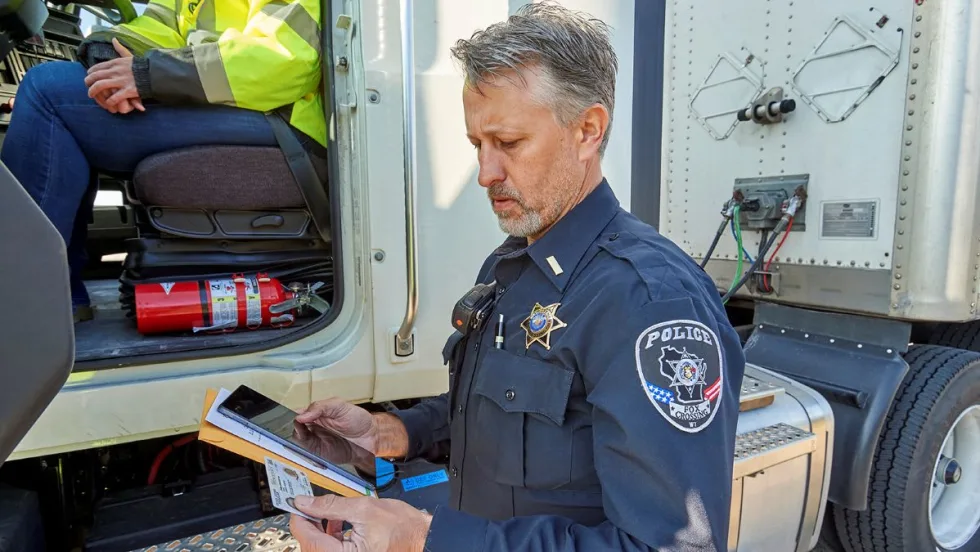
When Language Stops the Truck: The Return of ELP Out-of-Service Orders
English language proficiency rules for commercial drivers aren’t new, but renewed out-of-service enforcement has raised the stakes. Here’s what carriers need to know before a driver reaches a roadside inspection.
Read More →
Sponsored•October 6, 2026
A Camera Isn't a Safety Program. Here's What Brokers Are Screening for Now
Footage alone may not be enough to pass broker vetting processes. Here's what counts as a defensible safety program now.
Read More →

Marijuana and Trucking’s Drug-Testing Dilemma
Marijuana is getting stronger, laws are changing, and drug tests still can’t reliably establish impairment. What does that mean for truck drivers and the fleets that employ them?
Read More →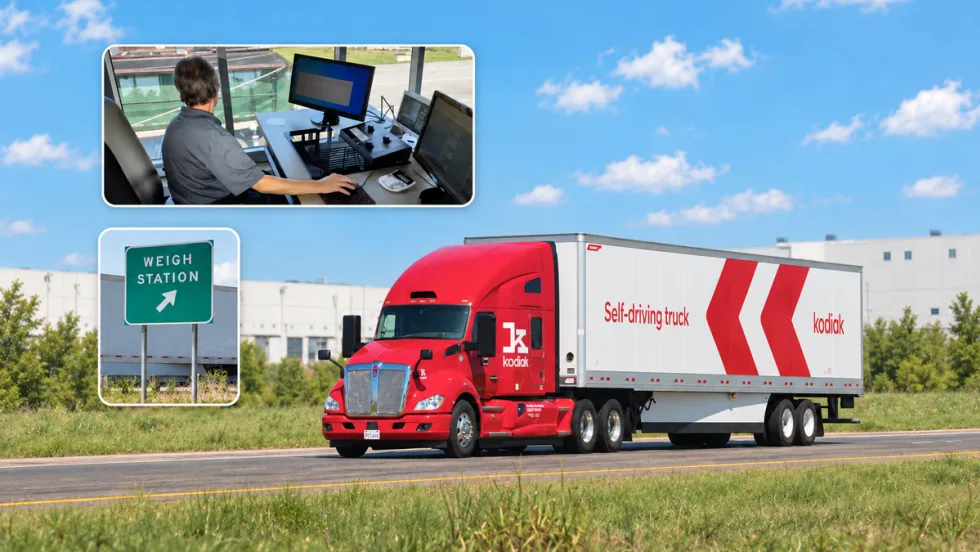
PrePass, Kodiak Connect Driverless Trucks to Roadside Enforcement
The system will allow enforcement agencies to verify Enhanced Inspection information and decide whether Kodiak’s autonomous trucks can bypass roadside screening sites.
Read More →
From One Generation to the Next: How Mentorship Builds Safer Truck Drivers
After three decades in trucking, Harold Perry shares what he's learned about driver safety, mentorship, and helping the next generation build confidence behind the wheel.
Read More →
FMCSA Pauses Biennial-Update Enforcement Amid Motus Transition
Carriers whose updates were due on or after June 1 have more time, while FMCSA works to stabilize its new registration system and warns of phishing sites impersonating its new carrier registration system, Motus.
Read More →
ZF Expands Commercial Vehicle Push in North America
ZF is expanding its North American commercial-vehicle presence with new transmission applications, electrification, trailer technology and autonomous-driving systems.
Read More →
Truck Drivers Need More Than Another Alert
Fleets have more visibility into truck health, safety events, and driver activity than ever. The next challenge is turning all that information into useful guidance for the person who has to decide what to do next.
Read More →
Tesla Wants a Self-Driving Semi. Are Cameras Enough?
Could Tesla’s camera-only autonomous driving technology work on an 80,000-pound Semi? In this commentary, HDT's Deborah Lockridge takes a look at Tesla, Cybercab, and how autonomous trucks see the road.
Read More →