




Quantron's H2-Powered Truck, Fueling Solution
Quantron will leverage FirstElement Fuel's network of fueling stations for its hydrogen fuel-cell electric trucks.

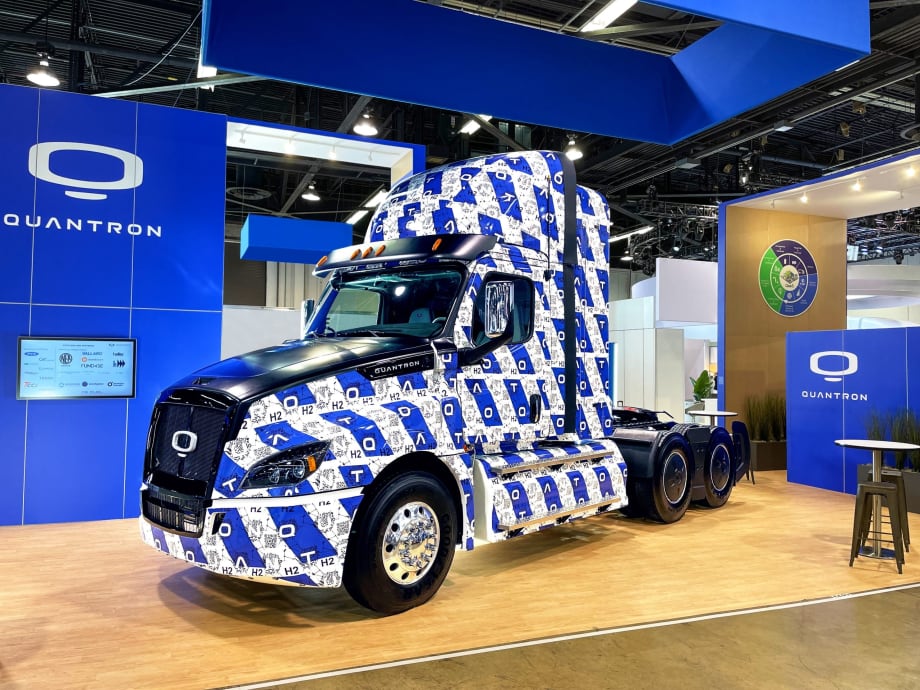
Quantron said it expects its fuel-cell electric trucks—with 80 kg of hydrogen fuel onboard—will offer a range of about 750 to 850 miles on a 100 kg tank system.
Photo: Quantron
Quantron U.S., a subsidiary of Germany-based Quantron AG, has inked a deal for hydrogen fueling infrastructure to bring its fuel-cell-electric trucks to the U.S.
Quantron and FirstElement Fuel, a supplier of retail hydrogen to fuel cell electric vehicle operators announced that Quantron will leverage FirstElement’s network of fueling stations designed for its hydrogen fuel-cell electric trucks.
The two firms discussed their two-step solution for operators to easily transition to carbon-free hydrogen fleets at the recent ACT Expo in Anaheim, California, where they showcased Quantron’s new hydrogen fuel-cell electric semi-truck.
When complete, Quantron said it expects its trucks—with 80kg of hydrogen fuel onboard—will offer a range of about 750 to 850 miles on a 100 kg tank system. The company also said it should require only 10 to 15 minutes for refueling to 100% capacity, which would be “comparable to current diesel trucks on the road today and significantly quicker than electric vehicles.”
The announcement expands “Quantron-as-a-Service,” which the company called a “360-degree per-mile service that gives fleet owners access to everything required to transition to hydrogen.”
H2 Infrastructure for FCEV Truck
“By working with FirstElement, we are able to overcome the modern infrastructure challenge that limits the potential of other alternative energy sources – access to a reliable refueling network,” said Quantron U.S. President & CEO Rick Haas. “FirstElement’s hydrogen network will allow drivers to seamlessly refuel and get back on the road, just like they would with diesel today, only now they’ll go further with zero-emission fuel.”
Saying that fuel cells will play a huge role in the zero-emission truck future, Joel Ewanick, CEO of FirstElement Fuel, said, "Hydrogen fueling needs to be reliable and uncomplicated, and our network will provide that convenience for Quantron’s customers so that they can offer this experience to many more operators. and we are excited to be working with Quantron."
Quantron U.S. is focusing on building Class 8 hydrogen fuel-cell trucks, according toMichael Perschke, Quantron AG CEO.
"After we found some early success in Europe, we started considering the vast potential for hydrogen fuel solutions in North America," he said. “North American-based businesses depend on heavy cargo loads over long routes. As we are already the technical leader in Europe with our benchmark range of 700 km in Europe, we transferred this DNA into the U.S.A. And we looked for a partner… to build our H2 fueling capacity with the market and technical leader and, thereby, First Element was the natural choice.”
More Fuel Smarts
Maintenance in the Messy Middle Part 3: Biodiesel
Biodiesel can reduce emissions, improve fuel-system lubricity and use existing diesel infrastructure. But NACFE’s Messy Middle maintenance report says fleets must actively manage storage, cold-weather operation, filters and oil drain intervals to avoid problems.
Read More →
Enhance Fleet Performance with High-Efficiency Auxiliary Power Units
Drive sustainable cost savings while increasing driver comfort during short- and long-haul logistics operations.
Read More →
Maintenance in the ‘Messy Middle’ Part 2: Renewable Diesel Fuel
NACFE's latest Messy Middle Powertrain Service & Maintenance report says renewable diesel gives fleets an opportunity to reduce carbon emissions without changing trucks, fueling infrastructure or maintenance practices. But technicians still need to understand several important operational differences.
Read More →
The Diesel Engine Enters NACFE’s ‘Messy Middle’
NACFE’s new Messy Middle Powertrain Service & Maintenance report says keeping modern diesel engines running now depends as much on software, diagnostics and data as traditional mechanical service.
Read More →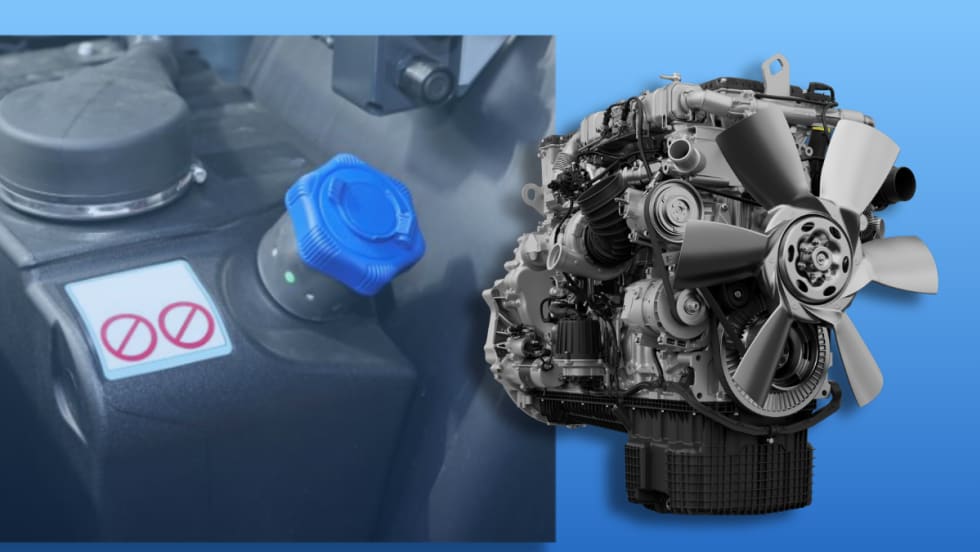
DTNA Software Update Gives Truckers More Time Before DEF Derates Take Effect
The changes reflect EPA guidance aimed at reducing downtime caused by emissions-system faults while maintaining compliance requirements.
Read More →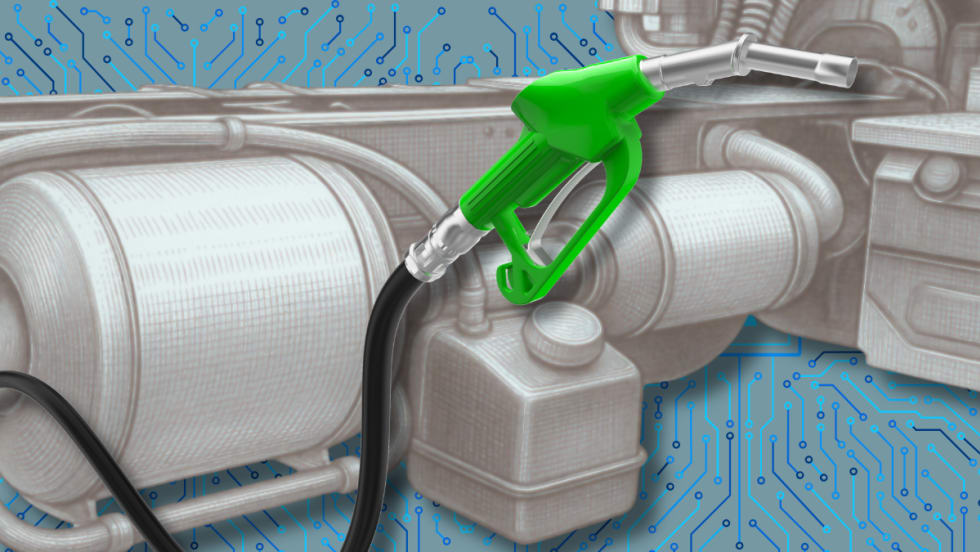
New Agentic Predictive Maintenance Report Demonstrates How Degraded Aftertreatment Systems Waste Fuel
Questar analyzed a large mixed-class fleet and discovered it was wasting as much as $30 in fuel per vehicle, per day, because of mechanically degraded aftertreatment systems.
Read More →
New York City's Microhub Project is Delivering Results
Trucking, last-mile delivery companies, and environmental advocates like what they are seeing so far with New York's microhub program.
Read More →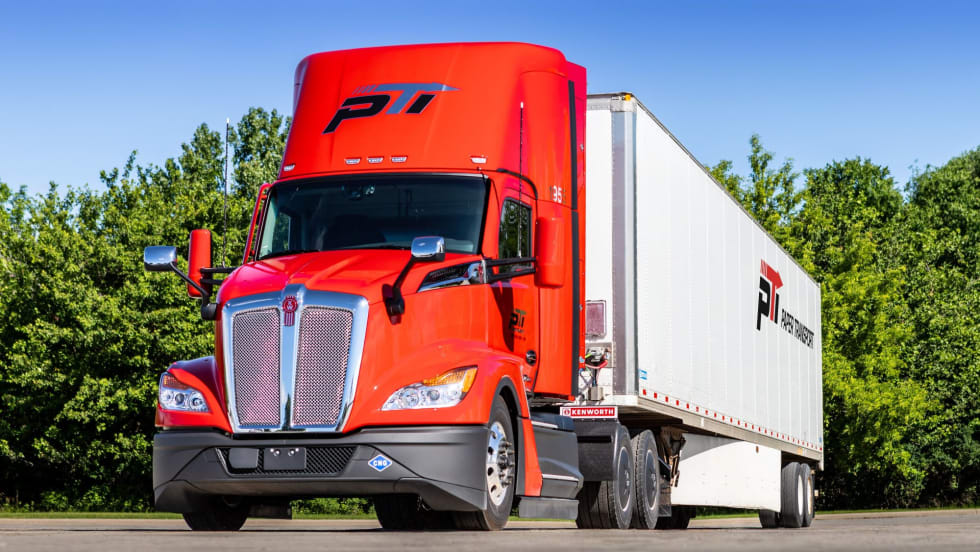
Lessons Learned About Alternative Fuels: Start Small, Stay Flexible
Practical advice on adopting alternative fuels and ZEVs from HDT's 2026 Top Green Fleets, from renewable diesel and natural gas to electric trucks.
Read More →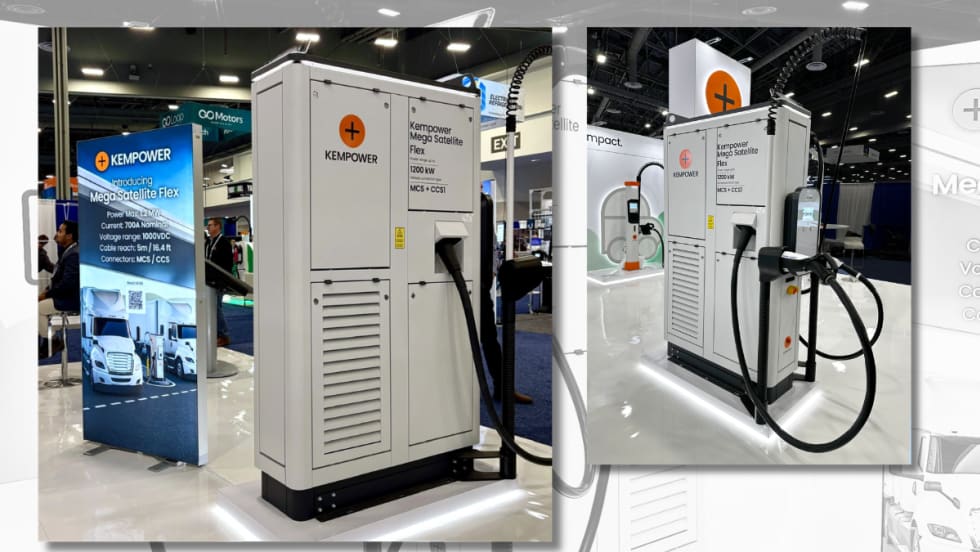
Kempower Adds Flex EV Charger to Help Support Transition to Megawatt Charging
The Kempower Mega Satellite Flex has both a CCS and MCS connector, allowing operators to serve both types of heavy-duty vehicles.
Read More →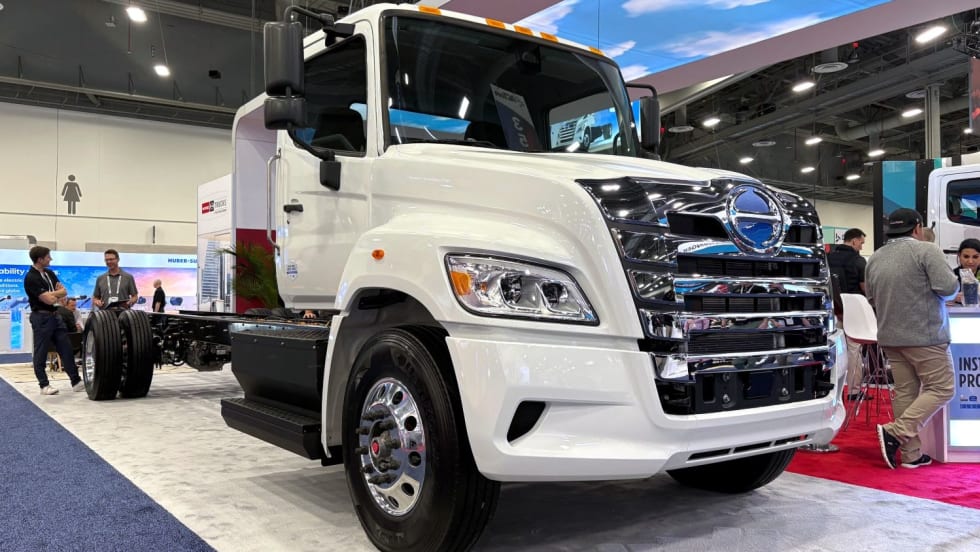
Hino Adds Electric Class 6/7 Truck
Hino says the Le Series is an important step in the company's efforts to reduce environmental impact and support its customers’ sustainability goals.
Read More →