




ATA Logs Truck Tonnage Increase in December 2021
December's truck tonnage increase is reflective of a still growing goods-economy, explains ATA’s chief economist.


American Trucking Associations’ advanced seasonally adjusted For-Hire Truck Tonnage Index increased 1% in December 2021.
Graph: ATA
American Trucking Associations’ advanced seasonally adjusted For-Hire Truck Tonnage Index increased 1% in December 2021 after rising 0.5% in November. In December, the index equaled 114.7 compared with 113.5 in November.
“December’s gain was the fifth straight totaling 4.4%,” said ATA Chief Economist Bob Costello in a press release. “In December, tonnage reached the highest level since March, but it was still 2.7% below the pre-pandemic high. This is likely due to the fact ATA’s data is dominated by contract freight. Contractor truckload carriers operated fewer trucks in 2021 compared with 2020 and it is difficult to haul significantly more tonnage with fewer trucks. But overall, we have seen a nice trend up that is reflective of a still growing goods-economy.”
Compared with December 2020, the SA index rose 1.4%, which was the fourth straight year-over-year gain. In November, the index was up 1.6% from a year earlier. In 2021, compared with the average in 2020, tonnage was up 0.3%. In 2020, tonnage was off 4% compared with 2019.
The not seasonally adjusted index, which represents the change in tonnage actually hauled by the fleets before any seasonal adjustment, equaled 113.9 in December, 0.2% above the November level (113.8).
Trucking serves as a barometer of the U.S. economy, representing 72.5% of tonnage carried by all modes of domestic freight transportation, including manufactured and retail goods. Trucks hauled 10.23 billion tons of freight in 2020. Motor carriers collected $732.3 billion, or 80.4% of total revenue earned by all transport modes.
ATA calculates the tonnage index based on surveys from its membership and has been doing so since the 1970s.
More Fleet Management
Fleet Costs Shape ACT Expo 2027 Agenda
With diesel prices high and operating expenses under pressure, ACT Expo's 2027 agenda emphasizes fuel efficiency, AI, safety and the return on fleet technology investments.
Read More →
Does Your Trucking Fleet Need a New TMS? [Video]
Cloud technology, AI and new integrations are changing what transportation management systems can do. But does taking advantage of those advances mean replacing your existing TMS?
Read More →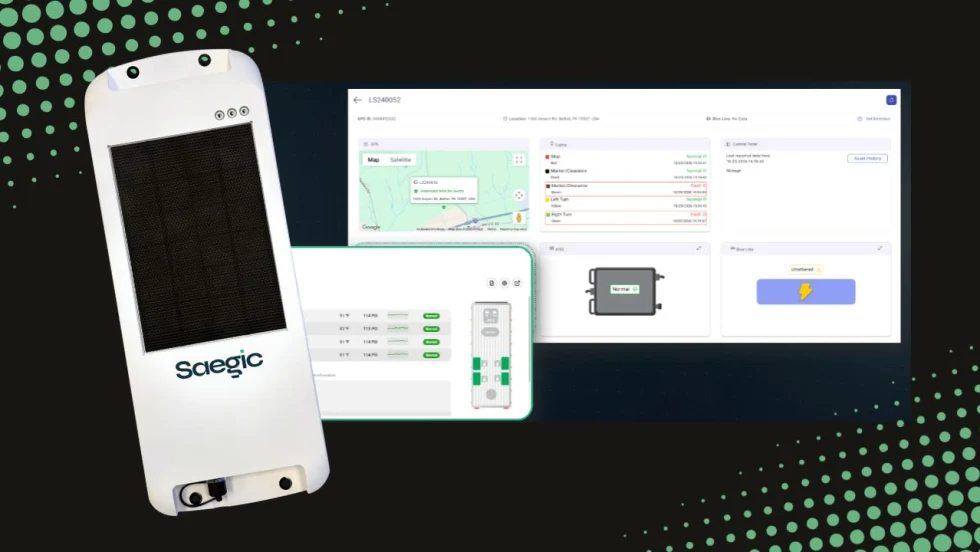
Road Ready Becomes Saegic, Launches New Trailer Telematics Gateway
Clarience Technologies is rolling out new hardware and expanding its plans for connecting trailer telematics, maintenance data, and video.
Read More →
Give Your Trucking Fleet a Cybersecurity Walkaround
Your fleet's cybersecurity policies may look good on paper. These seven checks can help you find out whether they’re working.
Read More →
Kodiak Lines Up Fleets for Driverless Trucking
An agreement for 75 trucks, a new Texas freight lane, and progress on safety validation move Kodiak closer to its planned driverless highway launch.
Read More →
ITS Logistics Settles Religious Harassment Case
The Nevada-based logistics firm agreed to pay more than $396,000 to settle a religious harassment charge involving an employee's Jewish identity.
Read More →
Your Trucks Are Busy. That Doesn’t Mean They’re Winning.
High utilization doesn’t always mean strong margins. Looking beyond the current load can help fleets make better dispatch decisions and get more value from each truck’s time.
Read More →
Why This Trucking Recovery Is Different
Freight demand remains sluggish, but rising costs and tougher enforcement have taken enough capacity out of the market to change the outlook for motor carriers.
Read More →
Platform Science Adds Dispatch and Safety Tools
Four additions to PS Fleet help fleets monitor loads, manage driver coaching, share truck locations and adjust video system settings.
Read More →
PrePass Intelligence Mines Fleet Bypass, Toll and Safety Data
PrePass Intelligence helps fleets measure bypass savings, flag potential toll overcharges, and spot suspicious transactions by combining data from separate systems.
Read More →