




Key Factors Driving the Commercial EV Battery Market
A Calstart report found these five key factors will drive the battery costs for medium- and heavy-duty electric vehicles.

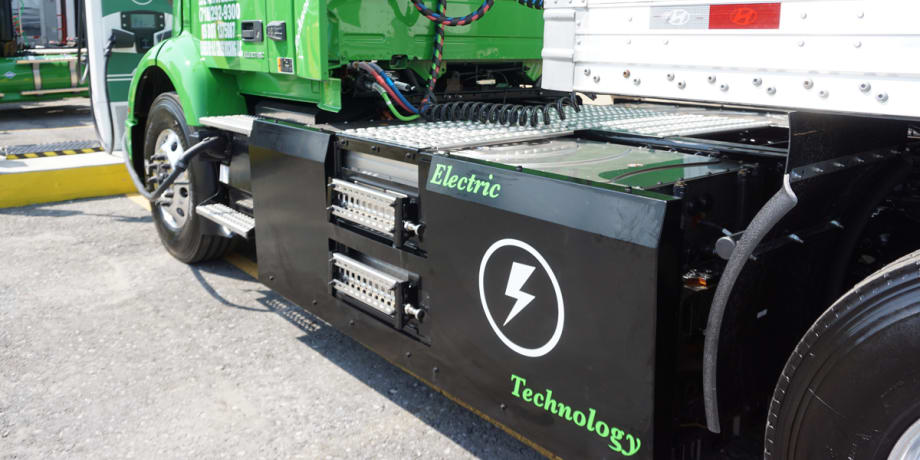
Capital costs to create manufacturing facilities and manufacture the unique pack will have an impact on the final battery pack price to the commercial vehicle OEM or Tier 1 supplier.
File Photo: Vesna Brajkovic
Battery-cost disparities will likely persist across the industry as electric commercial vehicle manufacturers continue to evolve and grow at different rates, according to a report released by Calstart.
Efforts to address cost and scale of batteries will be key for early-stage manufacturers to compete and successfully deliver products that meet fleets’ budgets. Therefore, purchase incentives and other policies are needed to help early-stage manufacturers and specific vehicle platforms while they are at sub-critical volumes, according to the report.
The report, authored by consulting firm Yunev, provides insight on the factors affecting battery costs for the U.S. commercial vehicle industry and offers an overview of the current state of battery sourcing and supply chain considerations.
Battery sourcing is a challenge for commercial vehicle OEMS due to lower volumes and scale. Truck OEMS are also competing with well-funded start-ups with access to the largest scale and lowest cost batteries in the passenger car electric vehicle market.
The key factors driving battery costs for medium- and heavy-duty electric vehicles are:
Raw materials. Raw matericalsaccount for roughly 70% of the total cost of battery cells. The majority of the cost is driven by the cathode and anode materials.
Battery cell chemistry. Lithium titanate (LTO) has a distinct advantage in terms of its ability to accept high charge rates while also delivering long cycle life compared to lithium nickel manganese cobalt oxide or lithium iron phosphate. LTO has attractive attributes for commercial vehicle applications, but come at a higher price point.
Production volumes. When it comes to purchasing Li-Ion batteries, scale and high-volume price points are achieved predominantly by delivering “actual” production volumes, not “forecasted” or “promised” production volumes, according to the report. Commercial vehicle OEMs and Tier 1 suppliers continue to seek pathways that will deliver sustainably lower battery prices, similar to levels currently available primarily to passenger car EV manufacturers.
Non-recurring engineering costs. These costs are driven by the up-front engineering cost required to design, validate, and release a new pack design into production, and the most probable forecasted volume that will be produced over a fixed period of time. The cost for the validation process in the NRE phase for commercial vehicle battery packs is typically in the range of $150,000 to $500,000.
Capital costs. Costs to create manufacturing facilities and manufacture the unique pack will have an impact on the final pack price to the commercial vehicle OEM or Tier 1 supplier.
Yunev serves the Li-Ion battery and electric vehicle markets, offering battery sourcing, strategic planning, new product development and more. Kevin Beaty, president of Yunev and lead author of the report, previously served as vice president and director of Calstart. Calstart is a nonprofit consortium which advocates for investment in the electric vehicle supply chain.
More Fuel Smarts

Why Diesel Price Relief Efforts May Fall Short
Diesel prices have eased from September’s record high, but doubts about additional Russian supply and limits on dyed-diesel tax relief mean trucking fleets still face expensive fuel. And prices could go higher.
Read More →
Why Small Fuel Savings Matter in Trucking
Can better fuel economy help pay for driver raises? In this podcast, GP Transco explains how small efficiency gains create room to reinvest in its people.
Read More →
How GP Transco Cuts Trucking Fuel Costs, a Tenth of a Gallon at a Time
What’s another tenth of a mile per gallon worth? GP Transco shares how equipment upgrades and driver coaching turn small gains into meaningful fuel savings.
Read More →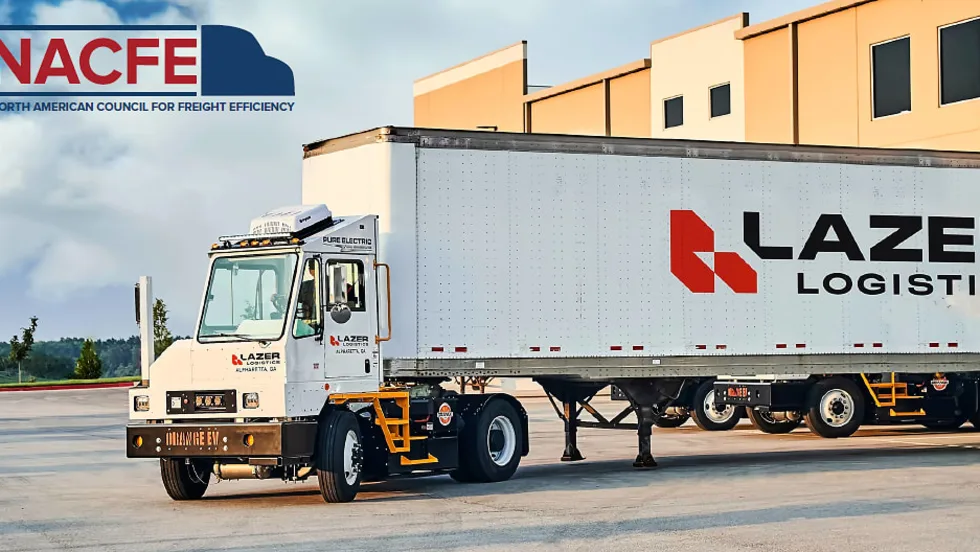
Electric Yard Tractors Move Beyond Pilots
Operating-cost savings have overtaken sustainability goals as the leading reason surveyed fleets are adopting battery-electric terminal tractors, according to new NACFE research.
Read More →
Geotab Links Fleet Card to Vehicle Data
The new card combines fuel discounts with telematics-based purchase controls. Geotab’s analysis also points to potential savings from choosing lower-priced fuel stops.
Read More →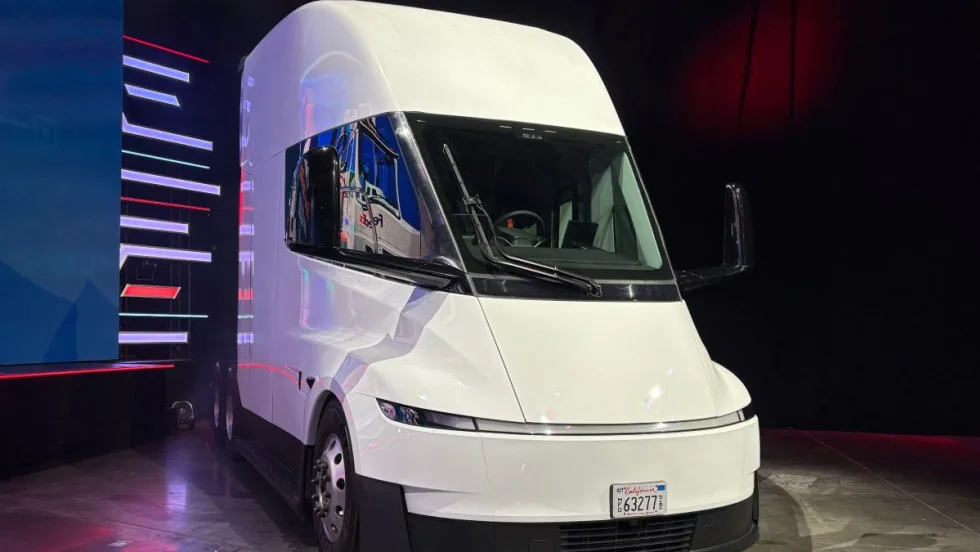
Fleet Economics Shape Electric Truck Outlook
ACT Research expects costs, charging infrastructure, and technology improvements to drive zero-emission commercial vehicle adoption as federal regulations and incentives retreat.
Read More →
Wex Adds Cardless Fuel Payments for Over-the-Road Customers
A new fuel card feature for Wex customers offers convenience and security.
Read More →
New California Law Could Shed Light on Electric Truck Prices
Why do battery-electric Class 8 trucks remain so expensive? A California bill signed by Gov. Gavin Newsom would give fleets and state agencies more visibility into what manufacturers charge.
Read More →
How Volvo Updated Its D13 for EPA 2027 [Watch]
Volvo’s updated D13 promises lower emissions without sacrificing performance or fuel economy. Take a closer look at what changed inside the engine in this HDT Spotlight video.
Read More →
Diesel Price Spike Shortens Payback for Natural Gas Trucks, Report Says
Energy Vision estimates fleets could recover the higher purchase price of an RNG-fueled Class 8 tractor in 1.3 to 2.8 years under current fuel-price scenarios.
Read More →