




Report: Frequency of Unscheduled Roadside Repairs Spike
The TMC/FleetNet America Vertical Benchmarking Program found that fleets averaged 29,506 miles of operation between unscheduled road repairs, down 18.7% from the fourth quarter of 2020.


The TMC/FleetNet America Vertical Benchmarking Program found that fleets averaged 29,506 miles of operation between unscheduled road repairs in the first quarter of 2021.
HDT File Photo: Tom Berg
American Trucking Associations’ Technology & Maintenance Council found that there are has been an increase in the frequency of unscheduled roadside maintenance for fleets industry-wide in first quarter 2021, according to data gathered through the TMC/FleetNet America Vertical Benchmarking Program
The TMC/FleetNetAmerica survey found that during the first quarter of 2021, fleets averaged 29,506 miles of operation between unscheduled road repairs – down 18.7% from the fourth quarter of 2020.
Truckload carriers averaged 21,856 miles between breakdowns, a 13.1% decrease in miles from the previous quarter. The time between breakdowns for LTL carriers dropped 18.7% to 44,380 miles in the first quarter from 54,556 in the final quarter of 2021. The tank truck sector saw a slight improvement, running 17,420 miles in the first quarter, down from 19,905 in the previous quarter.
“The data tells us that if, for example, the truckload carriers running the average miles between breakdowns could reach best-in-class performance, they would increase their miles between breakdowns by 89%,” said Emily Hurst, manager of data and analytics at FleetNet America, in a press release.
The data indicates that the maintenance practices of the best-in-class fleets in each vertical resulted in lower costs for those fleets. For example, the leading fleet in the tank vertical operated twice as many miles between roadside breakdowns than the average for the tank vertical.
Understanding the frequency of roadside failures, and how a fleet’s experience compares to similar operations, can help maintenance leaders identify opportunities to improve their operations and reduce their maintenance expense, TMC officials said.
More Maintenance
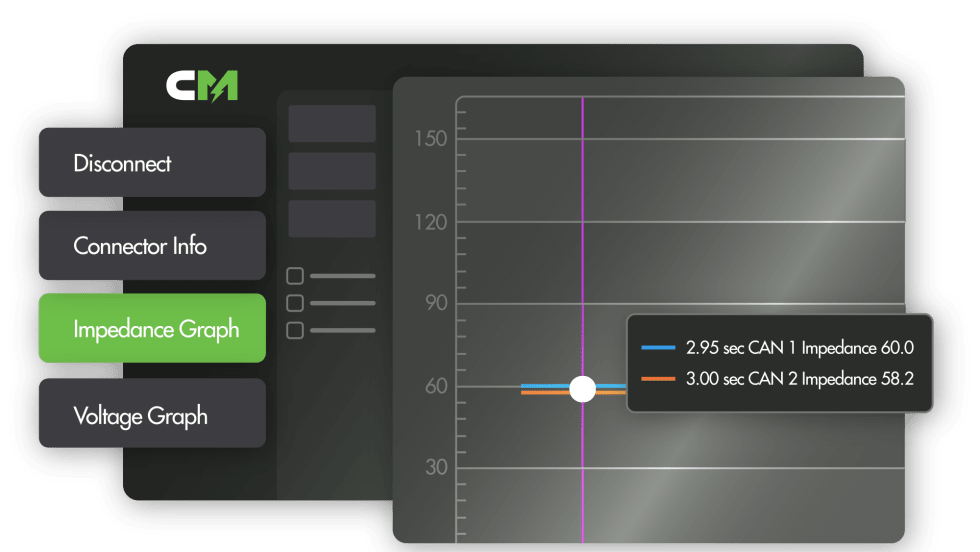
Noregon Launches CAN Mentor to Simplify Vehicle Network Diagnostics
New Noregon software helps technicians identify CAN network issues without requiring advanced diagnostic equipment or specialized training.
Read More →
Maintenance in the Messy Middle Part 4: Renewable Natural Gas
The keys to running renewable natural gas as a fleet fuel depend on specialized technician training, rigorous inspection schedules and an understanding of high-pressure fuel systems.
Read More →
Mack Adds 'Lock & Leave' Feature to Simplify Over-the-Air Software Updates
Mack’s new OTA enhancement allows drivers to start eligible software updates, lock the truck and walk away.
Read More →
Maintenance in the Messy Middle Part 3: Biodiesel
Biodiesel can reduce emissions, improve fuel-system lubricity and use existing diesel infrastructure. But NACFE’s Messy Middle maintenance report says fleets must actively manage storage, cold-weather operation, filters and oil drain intervals to avoid problems.
Read More →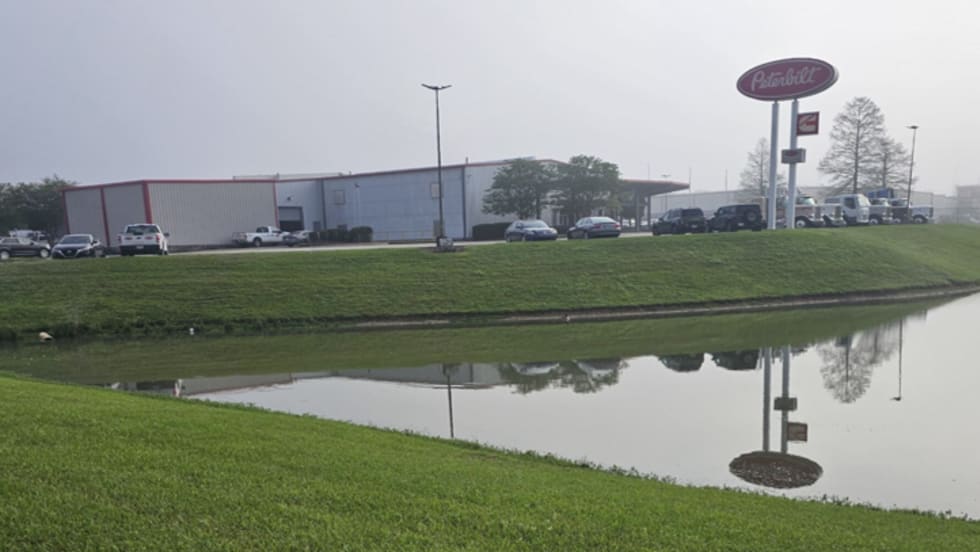
Rush Expands Gulf Coast Peterbilt Network With Louisiana Acquisition
The expanded Rush network gives fleets additional sales, service, leasing and collision repair support across Louisiana's major trucking markets.
Read More →
Is Your Parts Procurement Process Reactive or Proactive?
Ready to revamp your parts procurement process? Learn how now with “Strategic Parts Purchasing: A Process Checklist”
Read More →
Maintenance in the ‘Messy Middle’ Part 2: Renewable Diesel Fuel
NACFE's latest Messy Middle Powertrain Service & Maintenance report says renewable diesel gives fleets an opportunity to reduce carbon emissions without changing trucks, fueling infrastructure or maintenance practices. But technicians still need to understand several important operational differences.
Read More →
The Diesel Engine Enters NACFE’s ‘Messy Middle’
NACFE’s new Messy Middle Powertrain Service & Maintenance report says keeping modern diesel engines running now depends as much on software, diagnostics and data as traditional mechanical service.
Read More →
Wabash Trailers Recalled for Improperly Installed Underride Guards
More than 900 Wabash dry van trailers may not comply with the Federal Motor Vehicle Safety Standard for rear impact guards.
Read More →
DTNA Software Update Gives Truckers More Time Before DEF Derates Take Effect
The changes reflect EPA guidance aimed at reducing downtime caused by emissions-system faults while maintaining compliance requirements.
Read More →