





From the Archives (2015): Expanding the Driver Pool
Virginia Tech Study: Experience More Important Than Age in Driver Safety
While age does have some impact on potential truck driver risk, commercial motor vehicle driving experience is more important than age when considering risk, according to a Virginia Tech Transportation Institute study.
July 27, 2020

Photo: Jeff Chabot via Pixabay
3 min to read
While age does have some impact on potential truck driver risk, commercial motor vehicle driving experience is more important when considering risk, according to a recent study from the Virginia Tech Transportation Institute’s National Surface Transportation Safety Center for Excellence.
The study, which highlights the continued driver shortage and the largely aging workforce, gathered its data from the Federal Motor Carrier Safety Administration-sponsored study Commercial Driver Safety Risk Factors, which is currently under FMCSA review. The more than 9,000 participants were asked to complete a questionnaire that included questions on the driver’s age and CDL driving experience. This information was then cross-referenced with driver safety performance metrics from the Motor Carrier Management Information System, as well as carrier-recorded crash data and the Commercial Driver’s License Information System.
While some might think that age is the bigger factor in determining risk, as it does with determining insurance rates for non-CDL drivers, the study found that experience in big rigs was the dominating factor. This bears upon the industry debate over allowing drivers younger than 21 to drive interstate.
One Fleet's Experience
“We see way more issues with older drivers,” Joyce Sauer Brenny, president and CEO of Brenny Transportation, told HDT. Her company has an extensive training program to bring on younger drivers. “Our 30 and under, which have been through our training program, have few if any issues with incidents or accidents. Our 45-plus have the majority of the accidents and incidents.”
Drivers who join the motor carrier with no experience driving are treated the same as younger drivers. For most drivers, it takes one year to be completely released from the program. But where does age come in as a factor?
“My personal opinion, [it’s] lack of confidence and a ‘been there, done that’ attitude,” explained Brenny. “The young drivers want to prove themselves; they also have heightened senses." On the other hand, she said, "We become slower and slower to react as we age. I also see more anger and road rage in older drivers.”
Truck Driver Age vs. Experience
The aim of the Virginia Tech study was to look at how safety performance changes across differing age and commercial vehicle driving experience categories. It compared drivers of six different age categories and eight different driving experience categories.
The showed that “for drivers with seven months to one year of CMV driving experience, crash rates were higher for drivers aged 55 years and older compared to their younger counterparts.”
When combining all crash types, drivers with less than a year of CMV experience had “higher proportions of crash involvement” than drivers with more experience, regardless of age. Preventable crashes showed similar results, “with less-experienced CMV drivers having higher proportions of crash involvement across the majority of age groups.”
More Safety & Compliance
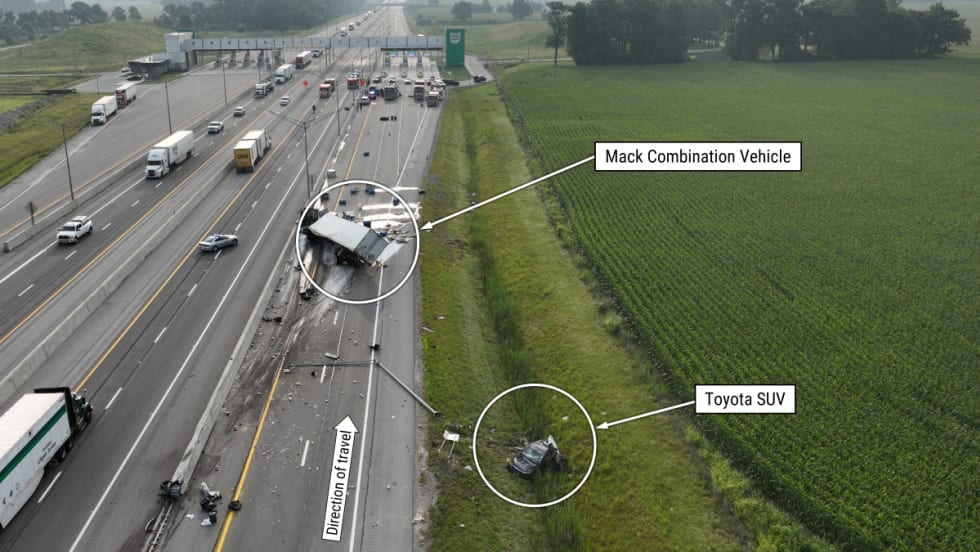
Fatal Crash Exposes Toll Plaza Risks
An NTSB investigation found that last-minute lane changes and large speed differences at an Ohio toll plaza created a hazard the truck driver couldn't avoid in time.
Read More →
When Language Stops the Truck: The Return of ELP Out-of-Service Orders
English language proficiency rules for commercial drivers aren’t new, but renewed out-of-service enforcement has raised the stakes. Here’s what carriers need to know before a driver reaches a roadside inspection.
Read More →
Sponsored•October 6, 2026
A Camera Isn't a Safety Program. Here's What Brokers Are Screening for Now
Footage alone may not be enough to pass broker vetting processes. Here's what counts as a defensible safety program now.
Read More →

Marijuana and Trucking’s Drug-Testing Dilemma
Marijuana is getting stronger, laws are changing, and drug tests still can’t reliably establish impairment. What does that mean for truck drivers and the fleets that employ them?
Read More →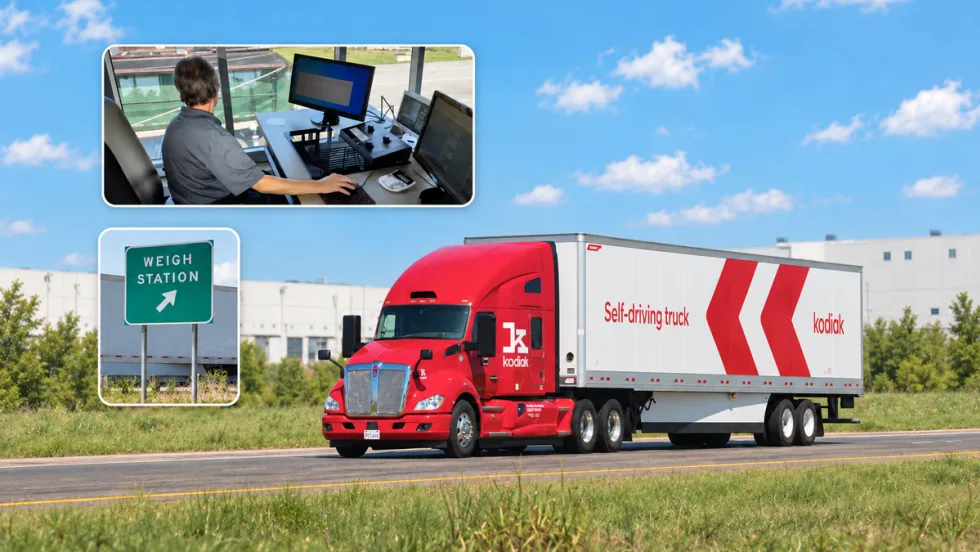
PrePass, Kodiak Connect Driverless Trucks to Roadside Enforcement
The system will allow enforcement agencies to verify Enhanced Inspection information and decide whether Kodiak’s autonomous trucks can bypass roadside screening sites.
Read More →
From One Generation to the Next: How Mentorship Builds Safer Truck Drivers
After three decades in trucking, Harold Perry shares what he's learned about driver safety, mentorship, and helping the next generation build confidence behind the wheel.
Read More →
FMCSA Pauses Biennial-Update Enforcement Amid Motus Transition
Carriers whose updates were due on or after June 1 have more time, while FMCSA works to stabilize its new registration system and warns of phishing sites impersonating its new carrier registration system, Motus.
Read More →
ZF Expands Commercial Vehicle Push in North America
ZF is expanding its North American commercial-vehicle presence with new transmission applications, electrification, trailer technology and autonomous-driving systems.
Read More →
Truck Drivers Need More Than Another Alert
Fleets have more visibility into truck health, safety events, and driver activity than ever. The next challenge is turning all that information into useful guidance for the person who has to decide what to do next.
Read More →
Tesla Wants a Self-Driving Semi. Are Cameras Enough?
Could Tesla’s camera-only autonomous driving technology work on an 80,000-pound Semi? In this commentary, HDT's Deborah Lockridge takes a look at Tesla, Cybercab, and how autonomous trucks see the road.
Read More →