




Wyden Offers Highway Trust Fund Patch
Sen. Ron Wyden, D-Ore., is proposing a three-month patch to keep the Highway Trust Fund solvent through the end of the year. The patch would be paid for with general funds, balanced by adjustments including raising the heavy vehicle use tax.



Sen. Ron Wyden, D-Ore., is proposing a three-month patch to keep the Highway Trust Fund solvent through the end of the year.
The patch would be paid for with general funds, balanced by adjustments including raising the heavy vehicle use tax.
The Senate Finance Committee, which Wyden chairs, will vote on the proposal Thursday morning.
“I hope to see the committee take decisive bipartisan action and send a clear message that stabilizing the Highway Trust Fund is a priority now,” Wyden said in a statement.
He described the bill as “an imperative first step” as the committee works toward a long-term highway funding fix.
“Failure to act now could lead to a transportation shutdown, leaving our roads in disrepair and putting thousands of hard-working Americans out of their jobs,” Wyden said.
The Fund is on track to dip into the red in August or even late July, according to the Department of Transportation.
State transportation departments are reporting that without assured funding they will have to stall pending projects and stop current ones.
Long-term solutions are on the table. For example, Sens. Chris Murphy, D-Conn., and Bob Corker, R-Tenn., recently proposed a 10-year program based on raising gasoline and diesel taxes six cents a year for two years, then indexing them to the Consumer Price Index.
But Wyden’s move reflects the political difficulty of raising taxes now, with control of the Senate at stake in mid-term elections in November.
The Obama administration has a long-term plan funded by corporate tax reform and has not supported a fuel tax increase, although it has said it is open to working with Congress.
Rep. Dave Camp, R-Mich., chairman of the House Ways and Means Committee, said he is disappointed by Wyden’s approach.
“The Senate appears to be heading down a partisan road on highway funding,” Camp said in a statement.
“Simply put, there is no way tax hikes to pay for more spending will fly in the House. I am looking at policies that have a history of bicameral, bipartisan support, and I intend to have the Ways and Means Committee ready to act early in July.”
American Trucking Associations, which supports a fuel tax increase, is evaluating the Wyden plan, said spokesman Sean McNally.
“We appreciate the Senator’s leadership on this critical issue and urge Congress and the administration to guarantee the Trust Fund’s solvency in the near term, and work together to set the course for long-term, reliable funding,” McNally said.
Wyden’s bill would raise the maximum heavy vehicle use fee from $550 to $1,100 a year.
The fee is now set at $100 per year for trucks grossing between 55,000 and 75,000 pounds, with an additional $22 for each 1,000 pounds over 55,000 pounds. Trucks grossing more than 75,000 pounds pay $550 a year.
The bill would change this formula. It would raise the maximum to $1,100 a year. Trucks grossing between 55,000 and 97,000 pounds would pay $100 plus $22 for each 1,000 pounds over 55,000. Trucks grossing more than 97,000 pounds would pay the $1,100 rate.
Other adjustments in the bill include changes in tax reporting requirements, treatment of mortgages, passport policy and distribution rules for pension plans.
More Fleet Management
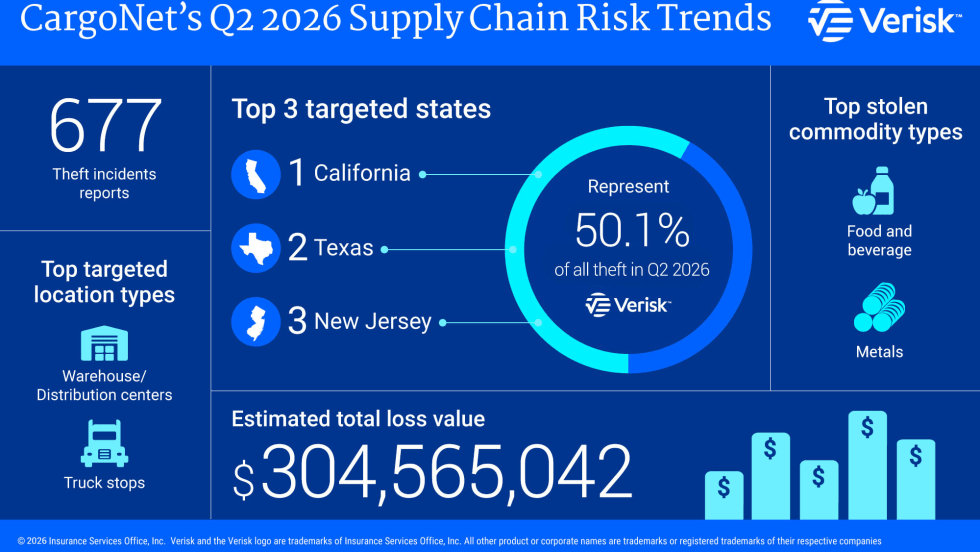
Fewer Cargo Thefts, Bigger Losses: Criminals Target Higher-Value Loads
CargoNet says organized theft rings are stealing fewer shipments but choosing more valuable freight, including metals and technology, resulting in record losses.
Read More →
How Innovative Trucking Leaders Turn Change Into an Advantage
As the pace of change accelerates in trucking, the fleets that adapt best have more than the latest technology. They have cultures that embrace improvement.
Read More →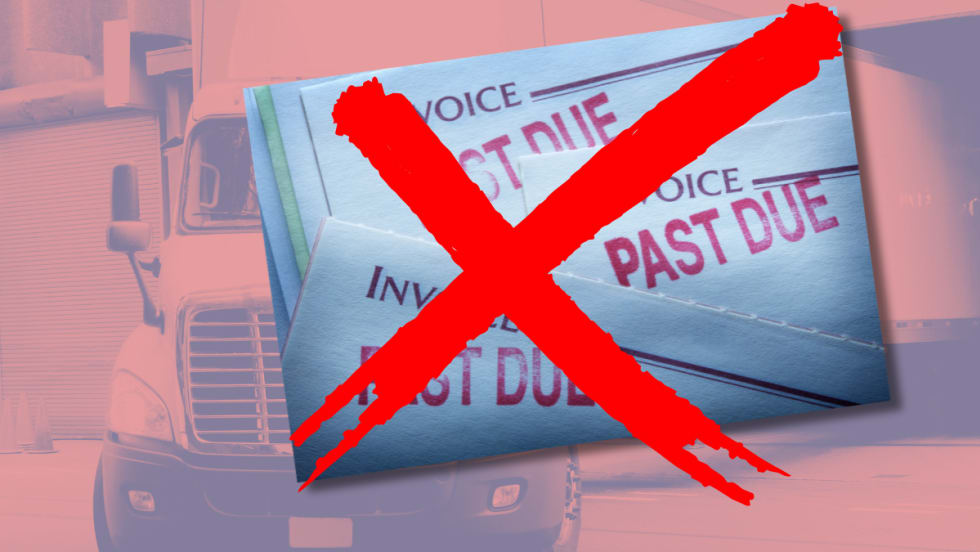
Freight Broker Bonds Just Got Harder to Get. Here's What That Means for Your Fleet.
When it gets harder for a freight broker to prove they are financially sound, the ones who cannot clear that bar get pushed out of the market. And those are exactly the brokers who used to leave motor carriers holding the bag.
Read More →
Long-Awaited Canadian Border Bridge to Open in Detroit
For trucking, the bridge opening should offer immediate improvements in efficiency and reliability, with new customs facilities, expanded inspection capacity, and direct freeway-to-freeway connections.
Read More →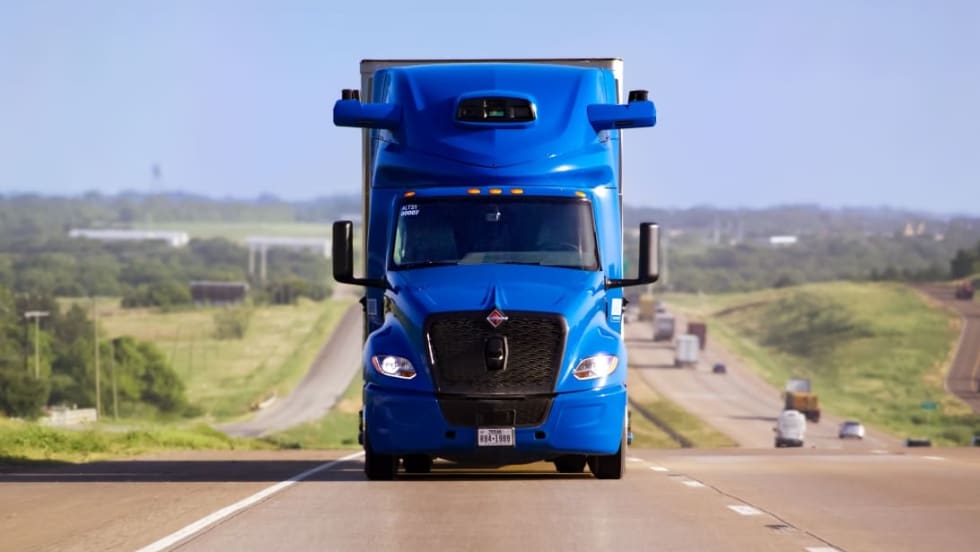
Aurora Rolls Out Next Generation of Driverless Trucks for Commercial Freight
Aurora's latest autonomous trucks it's rolling out with International feature lower-cost hardware designed for a million miles as the company expands commercial driverless freight operations across the U.S. Sun Belt.
Read More →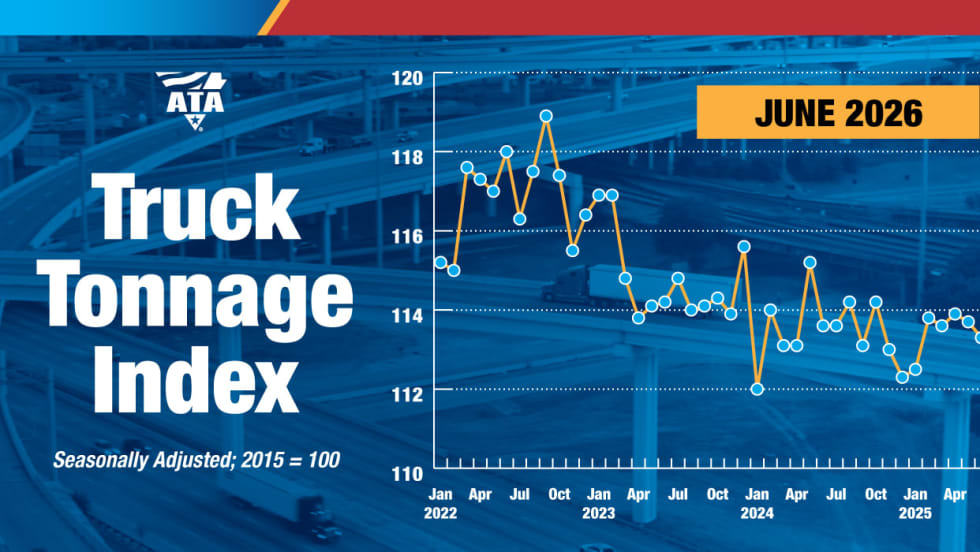
Freight Tonnage Down, Rates up, as Lower Capacity Powers Trucking Recovery
The recovery from the freight recession continues to be driven by reduction in capacity rather than by increased demand.
Read More →
Think Your Trucking Fleet Isn't Using Much AI? Think Again
Shadow AI — the use of unauthorized artificial intelligence tools at work — is becoming increasingly common, putting sensitive company data at risk. Learn how trucking fleets can protect sensitive data while embracing AI.
Read More →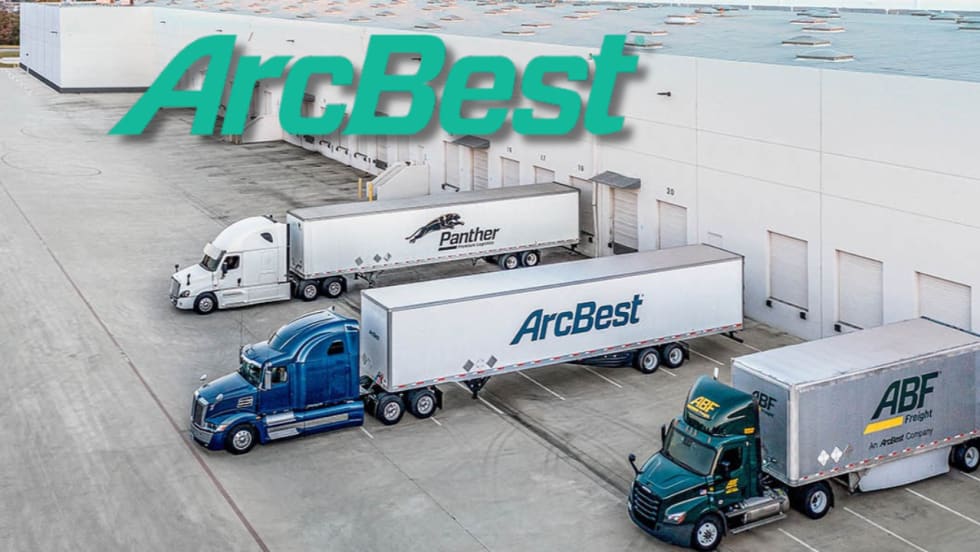
ArcBest Consolidates Brands, Cuts Workforce
The company will bring three business units under the ArcBest brand, eliminate about 2% of positions, and expects the changes to generate $40 million in annual savings.
Read More →
Trucking Fleets Faced Record Operating Costs During Third Year of Freight Recession
ATRI's annual operational cost report shows carriers trimmed fleets, delayed equipment purchases, and ran older trucks as expenses continued to outpace freight rates.
Read More →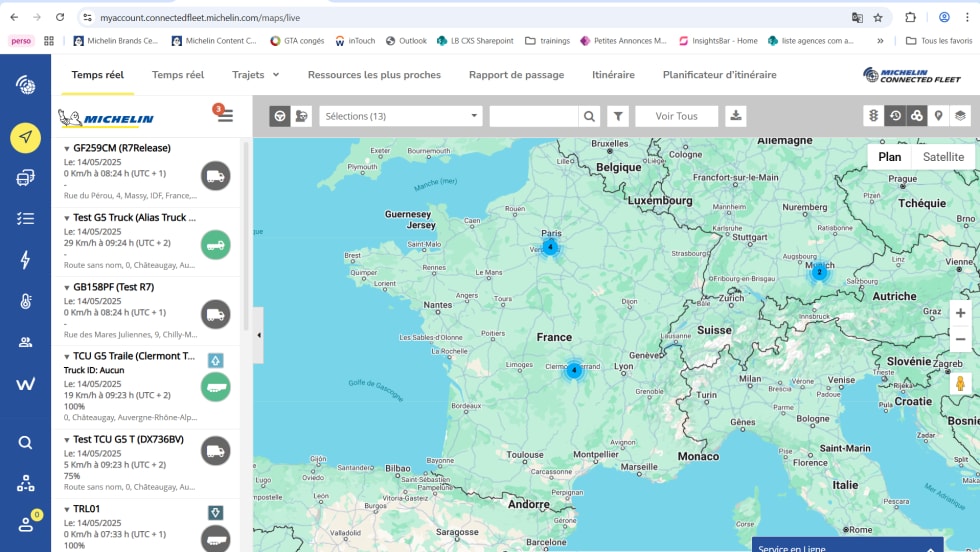
Michelin Adds AI Assistant to MyConnectedFleet Platform
Michelin’s new generative AI tool delivers instant fleet insights, helping managers analyze fuel use, tire maintenance, vehicle status, and operational performance without manually creating reports.
Read More →