




Another Call for Raising Fuel Taxes
Amid warnings about a looming cutoff in highway funding, two Senators are proposing an old-fashioned fix: raise the federal fuel tax. Sens. Chris Murphy, D-Conn., and Bob Corker, R-Tenn., proposed raising gasoline and diesel taxes six cents a year for two years, then indexing them to the Consumer Price Index.


Amid warnings about a looming cutoff in highway funding, two Senators are proposing an old-fashioned fix: raise the federal fuel tax.
Sens. Chris Murphy, D-Conn., and Bob Corker, R-Tenn., proposed raising gasoline and diesel taxes six cents a year for two years, then indexing them to the Consumer Price Index.
They said this would produce enough money to cover current highway spending for 10 years and replace the buying power that has been lost since the levies were last raised in 1993.
Their plan includes offsets designed to relieve the higher tax burden on motorists and businesses.
They suggest permanently extending some tax breaks, creating an estimated $190 billion in tax relief over the next decade. An alternative might be to reduce other taxes by the amount the fuel tax hike raises, they said.
The proposal drew support from American Trucking Associations and others who see fuel taxes as the most effective and efficient solution to the funding problem.
Among the cheerleaders was Sen. Tom Carper, D-Del., who supports a fuel tax hike as the best way to save the Highway Trust Fund.
“Multiple bailouts of the Highway Trust Fund have added more than $54 billion to our nation’s debt since 2009,” Carper said.
“I still believe that re-establishing the purchasing power of the fuel tax is the best policy for funding our federal transportation program. I am glad to see that this idea is gaining more bipartisan support as Congress continues to grapple with the need to shore up the Highway Trust Fund before it becomes insolvent this summer.”
The Fund is on track to run dry by August, if not before, according to the Department of Transportation.
Meanwhile, Sen. Ron Wyden, D-Ore., is pushing an alternative approach. He wants a six-month patch to create breathing room for negotiations on a long-term bill.
Wyden, who chairs the Finance Committee that has responsibility for the issue, said he supports the idea of finding $10 billion to get the Trust Fund into next year.
He has not said where the $10 billion would come from.
More Fleet Management

How Innovative Trucking Leaders Turn Change Into an Advantage
As the pace of change accelerates in trucking, the fleets that adapt best have more than the latest technology. They have cultures that embrace improvement.
Read More →
Freight Broker Bonds Just Got Harder to Get. Here's What That Means for Your Fleet.
When it gets harder for a freight broker to prove they are financially sound, the ones who cannot clear that bar get pushed out of the market. And those are exactly the brokers who used to leave motor carriers holding the bag.
Read More →
Long-Awaited Canadian Border Bridge to Open in Detroit
For trucking, the bridge opening should offer immediate improvements in efficiency and reliability, with new customs facilities, expanded inspection capacity, and direct freeway-to-freeway connections.
Read More →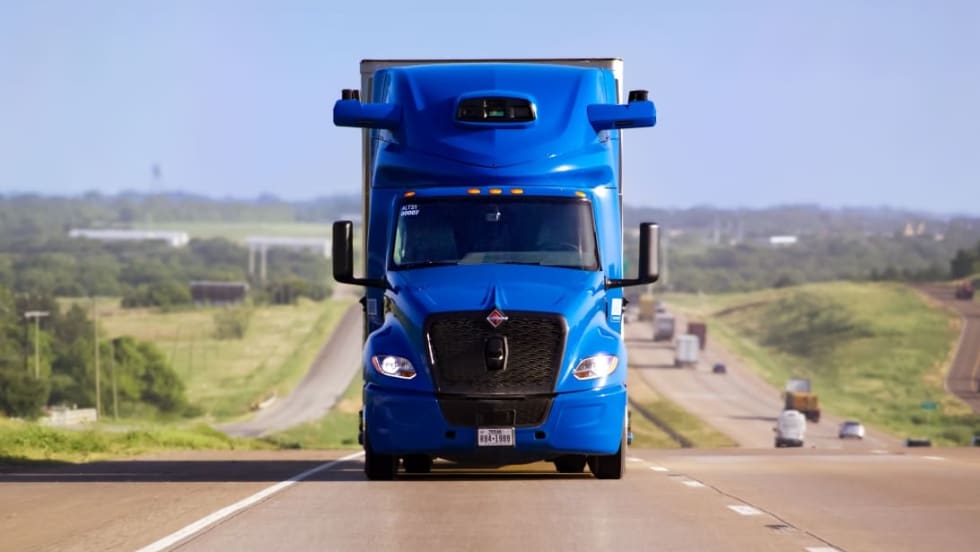
Aurora Rolls Out Next Generation of Driverless Trucks for Commercial Freight
Aurora's latest autonomous trucks it's rolling out with International feature lower-cost hardware designed for a million miles as the company expands commercial driverless freight operations across the U.S. Sun Belt.
Read More →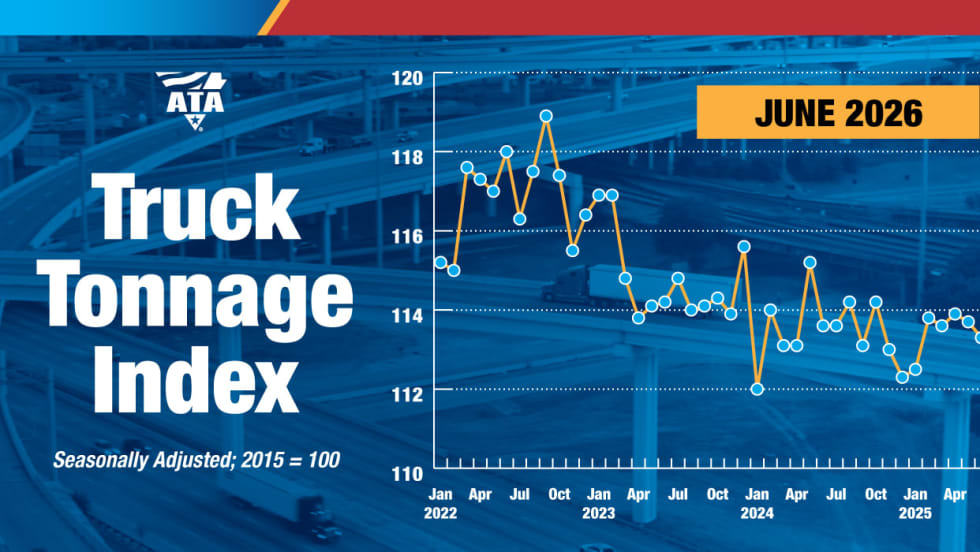
Freight Tonnage Down, Rates up, as Lower Capacity Powers Trucking Recovery
The recovery from the freight recession continues to be driven by reduction in capacity rather than by increased demand.
Read More →
Think Your Trucking Fleet Isn't Using Much AI? Think Again
Shadow AI — the use of unauthorized artificial intelligence tools at work — is becoming increasingly common, putting sensitive company data at risk. Learn how trucking fleets can protect sensitive data while embracing AI.
Read More →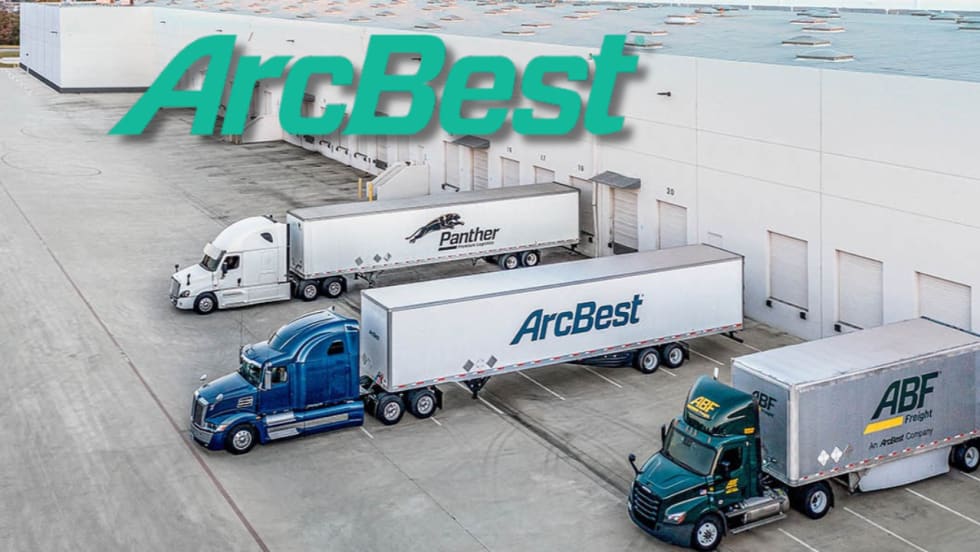
ArcBest Consolidates Brands, Cuts Workforce
The company will bring three business units under the ArcBest brand, eliminate about 2% of positions, and expects the changes to generate $40 million in annual savings.
Read More →
Trucking Fleets Faced Record Operating Costs During Third Year of Freight Recession
ATRI's annual operational cost report shows carriers trimmed fleets, delayed equipment purchases, and ran older trucks as expenses continued to outpace freight rates.
Read More →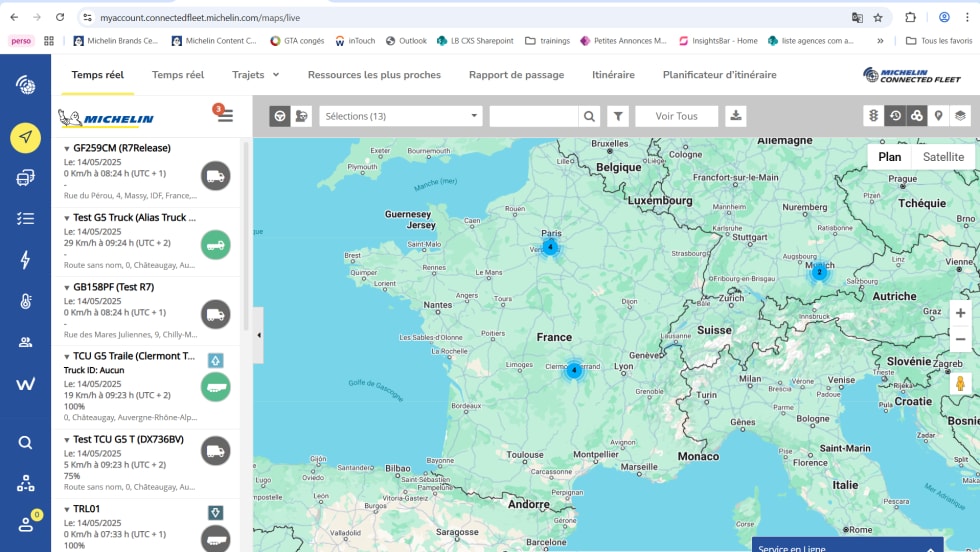
Michelin Adds AI Assistant to MyConnectedFleet Platform
Michelin’s new generative AI tool delivers instant fleet insights, helping managers analyze fuel use, tire maintenance, vehicle status, and operational performance without manually creating reports.
Read More →
LytxOne Platform Now Features AI, Compliance, and Asset Tracking Tools
New enhancements add AI-powered insights, asset tracking, compliance automation, and configurable privacy controls to Lytx's all-in-one fleet management platform.
Read More →