




Related: Workhorse to Unveil N-Gen Drone Delivery Platform at CES
Workhorse N-Gen Electric Van: Drone Optional
Workhorse Group Inc. has commenced implementation of an agreement to test and operate its new N-Gen electric van. The van will also feature an optional integrated HorseFly Unmanned Aerial Vehicle Package Delivery System.
by Staff
November 8, 2017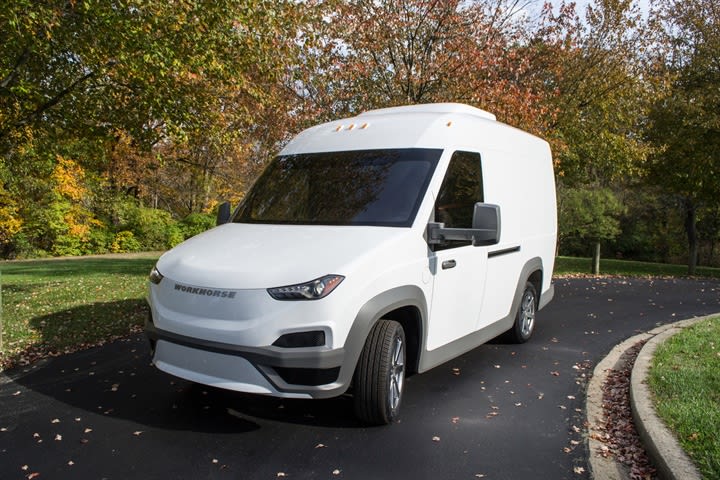
The Workhorse N-Gen's 19-inch floor and 105-inch roof height maximize cargo space, reduce knee injuries, and enhance driver ease of operation.
2 min to read
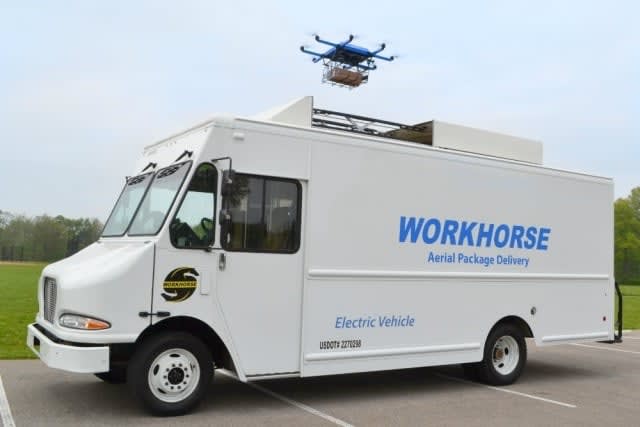
The HorseFly UAV Delivery system is a custom built, high efficiency octocopter-based delivery UAV that is fully integrated with Workhorse's line of electric/hybrid delivery trucks. (Photos courtesy of Workhorse)
Workhorse Group Inc. has commenced implementation of an agreement to test and operate its new N-Gen electric van. The van will also feature an optional integrated HorseFly Unmanned Aerial Vehicle Package Delivery System.
The carbon-fiber, high-efficiency octocopter drone launches from the roof of a delivery van and delivers a package to its destination within the driver’s line of sight. The patent-pending truck and drone HorseFly system is compliant with all current FAA regulations and can carry a package weighing up to 10 pounds at a cost of approximately $0.03 per mile.
“The new N-Gen platform represents a new day for last-mile delivery,” said Stephen Burns, CEO of Workhorse. “With an agreement now in place to test and operate N-Gen vehicles in several cities across the United States, Workhorse continues to be on the front edge of transformative innovation in the commercial transportation sector.”
The electric N-Gen van, with a lightweight composite body, will provide an anticipated range of 100 miles on a single charge. An optional gasoline range extender will add an additional 75 miles. In early on-road testing, the N-Gen has demonstrated a 60-65 MPGe efficiency.
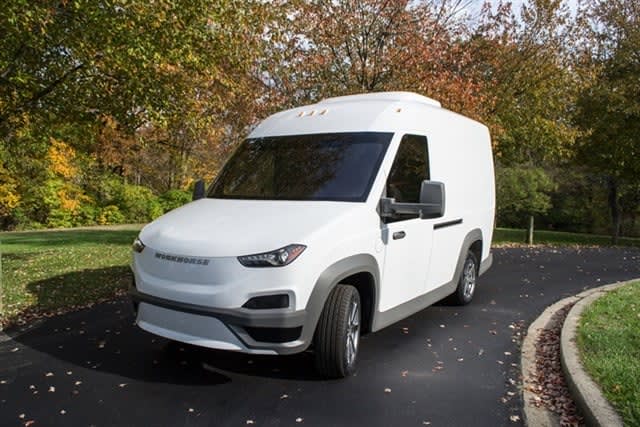
The Workhorse N-Gen's 19-inch floor and 105-inch roof height maximize cargo space, reduce knee injuries, and enhance driver ease of operation.
The N-Gen’s ultra-low 19-inch floor and 105-inch roof height maximize cargo space, reduce knee injuries and enhance driver ease of operation. Standard van options include all-wheel drive, automatic braking and lane centering, a best-in-class 26-foot turning radius and superior handling for maximum versatility. The built-in Workhorse Metron telematics system tracks in real time all van and drone parameters to optimize performance and efficiency. Additional configurations for telecom service/municipal use, as well as 700-cubic-foot and 1,000-cubic-foot models, are expected in late 2018.
More Fuel Smarts

How Volvo Updated Its D13 for EPA 2027 [Watch]
Volvo’s updated D13 promises lower emissions without sacrificing performance or fuel economy. Take a closer look at what changed inside the engine in this HDT Spotlight video.
Read More →
Diesel Price Spike Shortens Payback for Natural Gas Trucks, Report Says
Energy Vision estimates fleets could recover the higher purchase price of an RNG-fueled Class 8 tractor in 1.3 to 2.8 years under current fuel-price scenarios.
Read More →
Calstart Becomes Catalyst Mobility, Reflecting Broader Focus
Calstart is now Catalyst Mobility, reflecting the nonprofit’s growing national role in clean transportation, including zero-emission trucks, infrastructure and incentive programs.
Read More →

Record Diesel Prices Squeeze Trucking Fleets
Average U.S. diesel prices have climbed to nearly $6 a gallon, surpassing the 2022 record as tight refinery capacity and Middle East disruptions keep fuel costs elevated.
Read More →
Sponsored•September 9, 2026
How Fuel Delivery Shapes Engine Performance
Fuel delivery depends on more than what happens at the injector. For fleet, maintenance and technical professionals, looking at the full path from pump to injector can provide useful context for understanding engine performance.
Read More →
East Coast Port Launches $45M Electric Truck Push
The Port Authority of New York and New Jersey announced millions in incentives for zero-emission drayage trucks, yard tractors, and new charging hubs near the port.
Read More →
California Bill Could Shed Light on Electric Truck Prices
Why do battery-electric Class 8 trucks remain so expensive? A California bill headed to Gov. Gavin Newsom would give fleets and state agencies more visibility into what manufacturers charge.
Read More →
Detroit Opens Orders for EPA 2027 Engines
Detroit isn’t starting from scratch to meet EPA 2027 diesel emissions standards. Its Gen 6 DD13 and DD15 engines keep much of today’s platform while updating the fuel and aftertreatment systems.
Read More →
Zero-Emission Truck Corridor Planned for West Coast
California, Oregon, Washington, British Columbia and Baja California are coordinating plans for truck charging and hydrogen fueling from Canada to Mexico.
Read More →
A Closer Look at Kenworth’s Electric T880E Vocational Truck [Video]
Learn more about Kenworth's T880E battery-electric vocational truck at the Paccar Technical Center, including its range, applications, upfitting considerations, and PTO options, in this HDT Spotlight video.
Read More →